Lian Li UNI Fan SL-INF 120 RGB Review: Worth It?
When Reddit user u/erict called the Lian Li UNI Fan SL-INF 120 RGB Infinity Mirror “absolutely perfect,” it wasn’t just hyperbole—the sentiment resonates across hundreds of high-score reviews. Averaging 4.6–4.8 stars across platforms, these fans blend striking visual design with cable-efficient installation in a way that appeals equally to performance-focused builders and RGB enthusiasts. With a two-year warranty and standout infinity mirror effects, they promise both showmanship and substance.
Quick Verdict: Conditional — Ideal for RGB-heavy, high-airflow builds, but pricey and with occasional software quirks.
| Pros | Cons |
|---|---|
| Eye-catching infinity mirror RGB with multi-angle visibility | Price can be "ridiculously high" (Fakespot) |
| Daisy-chain design reduces cable clutter | RGB software glitches and compatibility issues with some motherboards |
| Quiet at medium RPM, strong airflow at max speed | Some corner pads sag due to glue defects |
| Fluid dynamic bearings for durability | Colors can appear dim until finely tuned |
| Easy installation with reversible cable modules | Controller interface could be more intuitive |
| Good performance as intake or exhaust | Side infinity mirror protector installation tricky |
Claims vs Reality
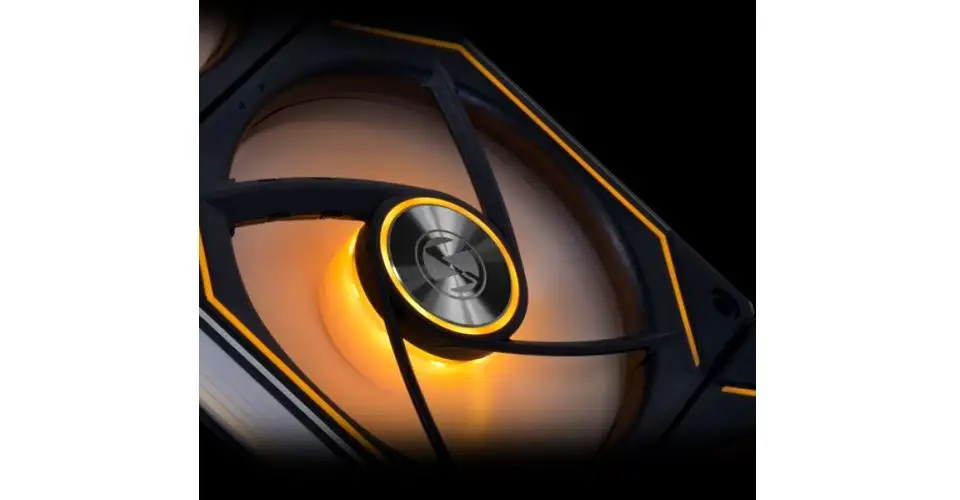
Marketing highlights the “multi-layer infinity mirror design visible from any angle” and a peak airflow of 63.6 CFM from the reverse blade configuration. Digging deeper into user reports, that visual impact receives universal praise, but achieving peak vibrancy requires tinkering. A PCPartPicker reviewer noted the fans “look really faded and dim until you find the right shade… then it pops.” LDLC buyers found that once optimized, “the mirror effect really gives the tower a spectacular effect.”
Another claim—reduced cable clutter via daisy-chain interlocking—is validated almost universally. Reddit user u/erict said the system “cable managed perfectly thanks to the daisy chain,” which meant fewer wires and a cleaner case aesthetic. Even critical voices call cable management “what keeps me coming back to Lian Li fans,” despite other issues.
Noise reduction at high speed is repeatedly highlighted in product materials. While officially rated at 32 dB max, several buyers countered that while quiet at mid-range RPMs, max speed is still audible. As one Amazon verified purchaser explained, “quiet… obviously you’ll still be able to hear it, but it is barely noticeable.”
Cross-Platform Consensus
Universally Praised
Across Reddit, Amazon, and PCPartPicker, aesthetic enthusiasts get exactly what they want. The infinity mirror effect isn’t just front-facing—light bends around the side strips and aluminum accents, creating what one LDLC buyer described as “harmonious colors… a spectacular effect” in their O11 Air Mini case. Builders who prioritize clean setups relish the one-cable-per-cluster design. PCPartPicker’s “10 fans total” reviewer said daisy chaining “was the best part since I didn’t have to wire them individually… the last time I built a PC was 4 years ago and fan wiring was one of the most annoying parts.”
Performance-minded users consistently praise airflow and cooling efficiency. A PCPartPicker builder contested claims these fans were loud: “of course, they can get quite loud at max rpm, but other than that, no issues… kept my PC cool enough.” This strength makes them attractive for gamers or video editors running high thermal loads.
Common Complaints
Two recurring pain points dominate feedback: price and pad adhesion. Cost emerges in nearly every platform’s critique—Fakespot reviewers called them “ridiculously priced” and PCPartPicker confirmed they are “on the pricier side.” Physical defects, while less common, are notable. Reddit user u/criticalreview reported “pads do not stay in place on corners… defective glue… pads sag and come off easily.” Fakespot also captured frustration with RGB controller software fighting for dominance against Asus Aura Sync, causing USB resets.
Lighting control isn’t universally smooth either. PCPartPicker users mention “the software is still glitchy… troubleshooting why my lights don’t work for over an hour,” though they commend its eventual usability once configured. Several users describe color brightness as underwhelming without careful tuning.
Divisive Features
The reverse blade design splits opinions. For some intake configurations, it’s a revelation—Lian Li claims “lower wind noise” when used this way, and Reddit builds corroborate, saying it gives a cleaner fan-face look at the bottom of the case or top of radiators. Yet others note the rear bracket visibility and recommend buying the reverse version only for certain orientations.
Cable management via daisy chain earns near-universal praise, but divisive views emerge when clusters hit software control limits. While many enjoy using the L-Connect 3 interface, others report conflicts with motherboard software or lack of deep customization without trial and error.
Trust & Reliability
Despite occasional adhesive or software complaints, trust scores across high-volume sellers remain solid: 98%+ positive feedback on eBay, strong 4.6+ averages on Amazon. Refunds and replacements are reported promptly; Reddit’s critical reviewer noted Lian Li “is working on sending me another set of fans” after identifying glue defects.
Long-term anecdotes don’t highlight mechanical failures. Fluid dynamic bearings and start/stop mode seem to contribute to longevity. Six months in, PCPartPicker builders still run setups without decreased performance, crediting the bearings for sustained smooth rotation.
Alternatives
Some compare them directly to Lian Li’s AL120 series. “Look slightly better than the AL120… cable cleanliness keeps me coming back,” said one Reddit critic, but they found AL120 less prone to pad adhesion issues. Competitor fans may match airflow for less money, but none replicate the deep infinity mirror aesthetic—a core draw for buyers.
Price & Value
Market listings show $83–$122 for triple packs with controllers, and around $35 for singles without. eBay resale holds value—lighter used units still circulate near retail prices. LDLC and Amazon buyers warn that while expensive, the unique blend of aesthetics and efficiency makes them “well worth the price” if budget permits. Community tips suggest buying multi-packs to reduce per-fan cost and ensure controller inclusion.
FAQ
Q: Are these fans quiet enough for a home office environment?
A: At mid-range speeds, most users find them “quiet… barely noticeable,” but max RPM is audible. Builders often run custom curves to maintain silence during light workloads.
Q: Is the RGB brightness strong enough for daylight setups?
A: Some call default colors dim in bright rooms. Adjusting shades in L-Connect 3 can make them “pop a lot more,” per PCPartPicker reviewers.
Q: Can I mix SL-INF fans with other Lian Li models?
A: Yes—L-Connect’s quick sync feature supports SL, AL, and Strimer Plus devices, though effects look most cohesive within the same series.
Q: Are they compatible with Asus Aura Sync?
A: Mixed results—Fakespot reports Aura Sync can cause conflicts, requiring software troubleshooting to stabilize both fan speed and lighting.
Q: Do I need a controller for a single fan?
A: Single fans don’t ship with controllers; you’ll need one to access L-Connect features. Multi-packs include a controller.
Final Verdict: Buy if your build prioritizes RGB aesthetics, clean cable management, and solid cooling for high-performance workloads. Avoid if cost is your main concern or if you’re unwilling to troubleshoot occasional software quirks. Pro tip from community: Tune lighting shades manually for maximum visual impact—out-of-box colors may appear muted.





