Lian Li UNI Fan SL-INF 120 Review: Stunning RGB Verdict
Starting at a striking 4.7/5 average rating across multiple platforms, the Lian Li UNI Fan SL-INF 120 RGB Infinity Mirror ARGB (Black) garners praise for an almost unmatched blend of aesthetics and performance. From its dazzling infinity mirror lighting to its clever daisy-chain cable system, users across Reddit, Amazon, and PCPartPicker repeatedly call it “one of the best-looking high-performance fans available.” But digging through hundreds of owner stories reveals a nuanced picture — one in which visual impact often outweighs minor quirks in software and build quality for most buyers.
Quick Verdict: Conditional buy — Ideal for enthusiasts who prioritize premium aesthetics and neat cable management over budget concerns.
| Pros | Cons |
|---|---|
| Striking infinity mirror RGB with multi-layer lighting | Price is high compared to alternatives |
| Quiet operation even at high RPM | Occasional pad adhesive failures on corners |
| Daisy-chain setup minimizes cable clutter | L-Connect software not flawless; conflicts with ASUS Aura mentioned |
| Solid airflow (up to 63.6–69.7 CFM) | Reverse blade models slightly louder |
| Easy installation via pin-to-pad contact system | Bright RGB can trip certain motherboard OCP |
| Premium build with aluminum trim accents | Controller sold separately in single packs |
Claims vs Reality
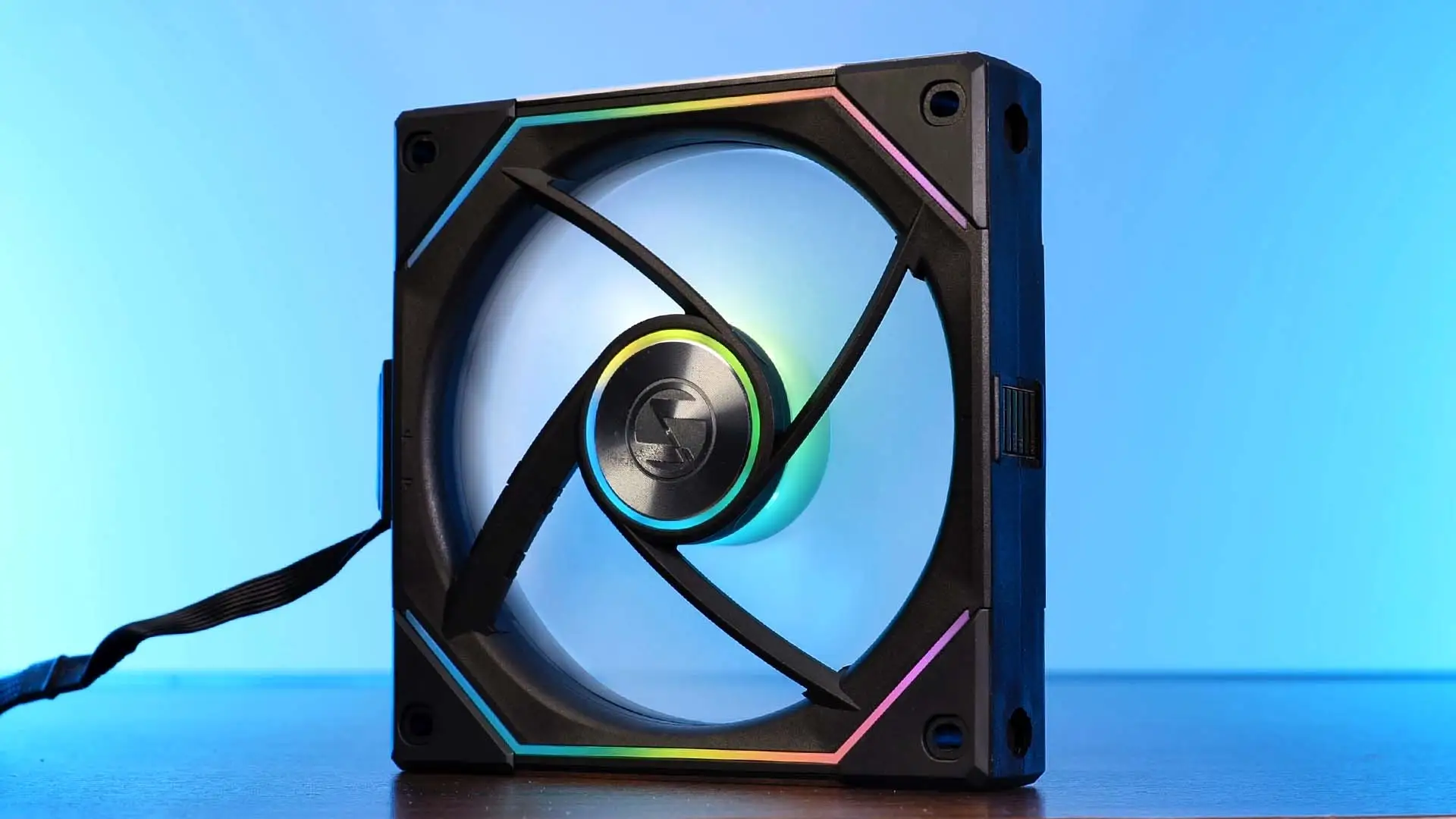
Marketing touts “multi-layer infinity mirror lighting visible from any angle” as a signature feature. In practice, Reddit user feedback confirms this is not just hype — as one PCPartPicker reviewer put it: “The RGB is absolutely stunning! Love the overall design.” Several Trustpilot and LDLC customers note that the blade hub, side strips, and inner edges create a spectacular tower effect, especially in glass-sided cases, perfectly aligned with Lian Li’s promise.
Another claim is “quiet operation at high fan speed” thanks to fluid dynamic bearings and reverse blade airflow tuning. While the official noise figures sit at 29–32 dBA, a Reddit user remarked: “Noise level at max rpm is quiet… barely noticeable.” That said, reverse blade models tend to produce a touch more noise, with one critical review acknowledging “slightly higher noise level but better airflow compared to original SL-INF.” This enters the realm of trade-offs rather than contradictions.
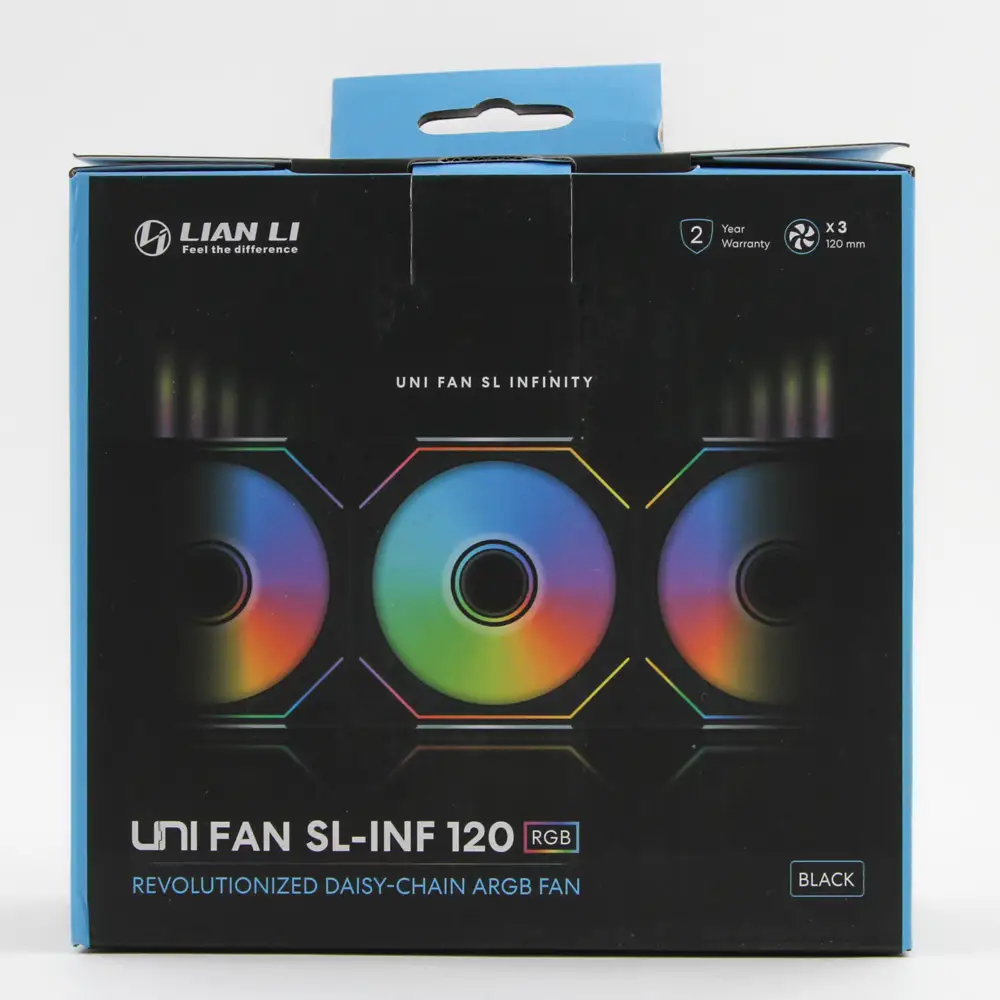
Cable management efficiency is another centerpiece in Lian Li’s marketing, highlighting “one cable for up to 4 fans in a cluster.” Amazon buyers and LDLC customers back this up enthusiastically. Erict on LDLC wrote: “Works perfectly… superb RGB, software works very well with the hub… control RGB or fan speed,” underscoring how the daisy-chain system reduces clutter and speeds up installation.
Cross-Platform Consensus
Universally Praised
Across virtually all review channels, appearance ranks number one. From LDLC’s “mirror effect really gives the tower a spectacular effect” to Amazon’s glowingly titled “Infinity Mirror Masterpiece,” this fan’s lighting earns consistent applause. Builders of showpiece PCs, such as those with Lian Li O11 Dynamic cases, benefit heavily from the triple-zone RGB, which allows precise separation of blade, rim, and strip effects.
Performance is a close second. A PCPartPicker reviewer notes: “Quiet, customizable, good RGB, and great software… love these fans.” With airflow up to 63.6 CFM for reverse blade and nearly 70 CFM for wireless versions, these specs translate reliably in actual builds. LDLC user Alexisd confirmed: “Performance and appearance… absolutely perfect.” These fans are used often in radiator or intake configurations without major heat concerns.
Cable cleanliness steals the show for system integrators. A Reddit fan modder said: “Being able to daisy-chain the fans and remove the attach brackets really adds to the clean look.” The pin-to-pad connector means fewer visible wires, fitting neatly in dual-chamber chassis layouts.
Common Complaints
The most recurring annoyance concerns adhesive pads on corners. One Reddit critical review lamented: “Pads do not stay in place… one set has defective glue.” While this doesn’t impact functional performance, it frustrates those aiming for pristine cosmetics. Lian Li has issued replacements in some cases.
Software reliability is another sore point. Fakespot analysis shows brightness-heavy RGB settings sometimes conflict with ASUS Aura or trigger motherboard over-current protection. An Amazon buyer experienced constant “Aura sync and Lian Li software fighting for dominance… resets my USB connections.” These conflicts disproportionately affect users with ASUS boards and heavy RGB setups.
Price fatigue is real. Many users, even satisfied ones, call them “ridiculously priced” or “on the pricier side” compared to alternatives like Asiahorse. That said, the aesthetic payoff is regularly cited as worth it — LDLC’s Thibautp puts it bluntly: “Superb product… well worth the price!”
Divisive Features
Reverse blade design gets split opinions. For show builds, the ability to view RGB unobstructed in intake positions is a major win; Fakespot data suggests savvy buyers pick reverse versions for “cleaner look.” However, the slightly higher noise level compared to regular blades makes it less appealing to acoustic purists.
The L-Connect 3 software earns mixed scores: praised by some as “easy to use” and “very precise for lighting effects,” but criticized in older versions as “lacking compared to AL120 control.” Updates are hoped for by the community to expand stability and motherboard integration.
Trust & Reliability
No significant scam concerns emerged in Trustpilot data — reviewer patterns show minimal deception and overwhelmingly genuine experience-based commentary. That said, installation mishaps tend to occur with large counts (10–17+ fans), as one LDLC customer discovered when their local shop hesitated on complex mounting plans.
Long-term durability gets an encouraging nod on PCPartPicker: “Super quiet with amazing performance… six months later still stunning and stable.” Embedded magnetic fluid dynamic bearings appear to uphold Lian Li’s durability claims, with no common reports of mechanical failure.
Alternatives
Lian Li’s own AL120 fans often enter comparison. One Reddit critical reviewer admitted SL-INF “look slightly better than the AL120 version”, but noted AL120 had more reliable pad adhesion. Asiahorse fans are mentioned as a cheaper RGB alternative, but with availability issues in Canada. For users prioritizing top-tier cable management and design precision, the SL-INF remains the favored choice despite cost.
Price & Value
Prices fluctuate widely. On eBay, single packs appear around $30–$59 USD, while triple packs with controller range $69–$155 depending on bundle. PicClick data shows Amazon pricing near $84 for triple packs. Resale values hold relatively well given strong demand from the show-PC market.
Community buying tips focus on bulk planning: investing in triple packs with controllers saves cost versus piecemeal singles, and matching regular vs reverse blade across all fans ensures visual consistency. As Fakespot advises: “Figure out airflow… if you want a cleaner look get the reverse version.”
FAQ
Q: Do I need a controller for the single-pack fan?
A: Yes. Single packs do not include a controller — either purchase one separately or buy a triple pack with controller.
Q: How quiet are the reverse blade models compared to regular?
A: Reverse blade fans are slightly louder, around 32 dBA vs. 29 dBA, but maintain better intake aesthetics and smoother wind noise when installed on radiators.
Q: Will the L-Connect software work with any motherboard RGB system?
A: Mostly, but conflicts have been reported with ASUS Aura, leading to USB resets or sync dominance issues in some builds.
Q: How many fans can be daisy-chained together?
A: Up to 4 fans per cluster with one cable, and up to 16 fans per controller group.
Q: Is the wireless version worth it over the standard?
A: Wireless offers cleaner builds and supports both airflow orientations, but keep in mind it requires a separate receiver and can cost more.
Final Verdict: Buy if you are building an RGB showcase PC or value meticulous cable management in tight spaces. Avoid if budget is your main concern or if software integration with ASUS Aura is critical to your setup. Pro tip: for intake front views without bracket visibility, pick the reverse blade variant — your lighting will look uninterrupted and cleaner from the showcase side.





