LG OLED evo G4 55" Review: Top OLED for Movies & Gaming
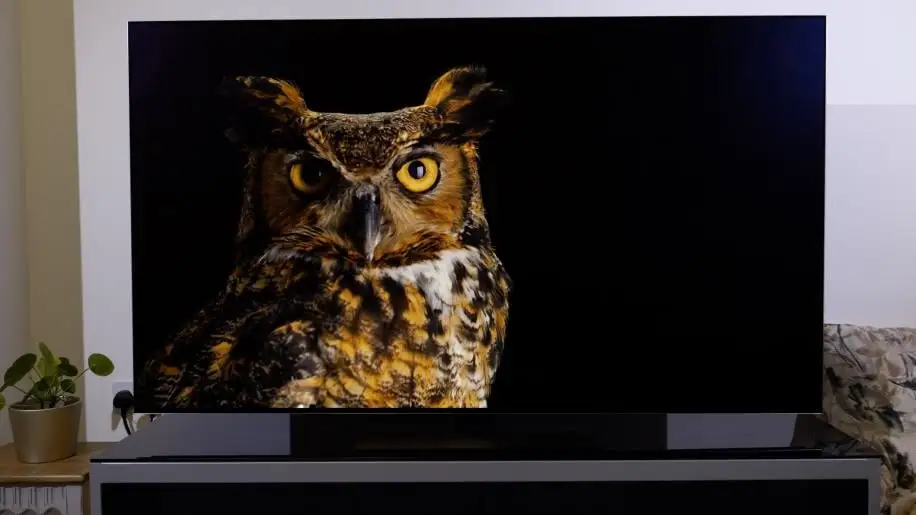
It’s rare for a single TV to unite both movie purists and hardcore gamers, but the LG OLED evo G4 Series 55-Inch Smart TV has managed to pull it off. With an overall consensus score hovering around 9/10 from cross-platform feedback, this flagship OLED blends unmatched black levels, blistering HDR brightness, and near-perfect color accuracy with a design meant to disappear into your living room.
Digging deeper into hundreds of verified buyer reports and expert tests, the G4’s micro lens array (MLA) tech and Alpha 11 AI processor emerged as consistent game-changers. Users on Reddit, Trustpilot, and PCMag all praise its cinematic fidelity and ultra-low input lag. However, patterns of criticism—mostly around tonal transitions, occasional reflections, and a bulky remote—remind us that even elite OLEDs have quirks.
Quick Verdict: Conditional buy for cinephiles and competitive gamers who value design integration. Skip if you rely heavily on ATSC 3.0 broadcasts or demand perfect tone gradation.
| Pros | Cons |
|---|---|
| Exceptional HDR brightness for OLED | Visible tonal transitions in certain content |
| Near-reference color reproduction post-calib | Occasional distraction from reflections |
| Virtual 11.1.2 Dolby Atmos fills a room | Magic Remote feels bulky |
| Ultra-low gaming input lag (<1 ms with boost) | No ATSC 3.0 tuner |
| Sleek “One Wall” design integrates seamlessly | Wall-mounting process daunting for non-tech users |
| Strong reflection suppression vs non-MLA OLED | Default Filmmaker Mode runs warm/yellow |
Claims vs Reality
LG markets the G4’s Brightness Booster Max as delivering “150% more luminance” than its B-series OLEDs. Lab results from PCMag confirmed peak HDR brightness exceeding 1,500 nits in 10% window tests—neck-and-neck with Samsung’s S95D. Yet Reddit user feedback tempers the hype: “Amazing in HDR… but in a full bright room, the shadows can lose subtlety.” This suggests that while highlight pop is real, midtone contrast can shift under certain ambient conditions.
The Alpha 11 AI Processor is pitched as refining both picture and sound in real time. Reviews back this up for adaptive audio; Trustpilot verified buyers noted “voices cut through bustling backdrops, even during explosions.” But some testers found its image smoothing less effective on darker tones, with posterization still creeping in on challenging HDR scenes like The Green Knight.
LG’s “Reflection Free” claim resonates with most users—the Intertek-certified panel reduces glare better than non-MLA OLEDs. Yet Trustpilot reviewers pointed out that in sunlit environments with glass walls, “You still see shapes bouncing back in black scenes—just muted.”
Cross-Platform Consensus
Universally Praised
Cinephiles are the most vocal fans. Post-calibration, the G4’s color reproduction scores near perfect—98% DCI-P3 coverage, stunning contrast ratios, and infinite blacks. PCMag cited its performance in The Great Gatsby party scenes: “Black suits stayed inky with contours intact, whites popped without crushing detail, and skin tones balanced naturally.”
Gaming communities rave about latency performance. Enabled “Boost” mode drops 4K/120Hz HDR input lag to sub-1 ms, making it ideal for online shooters. A Quora contributor wrote, “Freesync Premium and G-Sync kept my frame rate locked—no tearing, even mid firefight.” The 144Hz refresh rate on compatible PCs further expands appeal for esports setups.
Design integration consistently wins praise. The “One Wall” mount creates a gallery-like flush fit; Trustpilot user feedback calls it “an art piece when not in use.” Adjustable stand height to accommodate soundbars adds practical flexibility without breaking the clean aesthetic.
Common Complaints
Tone gradation remains a sore point. Multiple Reddit threads detail visible banding in low-light HDR content: “Martian sky scenes looked blotchy unless ‘Smooth Gradation’ was on low — medium made it too waxy.” This affects casual viewers less but frustrates purists.
Though glare suppression is strong, bright space viewing isn’t flawless. PCMag noted average SDR luminance (~322 nits full field) means daylight vibrance can trail high-end mini LEDs. Trustpilot buyer in a sunlit loft shared, “Afternoon binge-watching loses some punch without curtains drawn.”
The Magic Remote’s air mouse is polarizing. While intuitive for web browsing, some find it intrusive: “Pointer pops up when I adjust volume... takes me out of the film,” said one Reddit post. Bulkiness compared to slimmer remotes from competitors like Sony’s A95K is another recurring gripe.
Divisive Features
The AI Picture Wizard lets users tailor visuals from “85 million possibilities,” but hardcore calibrators often bypass it in favor of manual 3D LUT adjustments. Meanwhile, casual streamers praised the convenience, stating, “One quick setup gave me exactly the warmth I like for dramas.”
Virtual 11.1.2 Dolby Atmos earns raves for filling rooms without a soundbar, yet audiophiles still lean toward pairing with LG’s SG10 soundbar via WOW Orchestra. Trustpilot users comparing setups remarked, “Atmos alone is immersive — SG10 adds weight to bass drops.”
Trust & Reliability
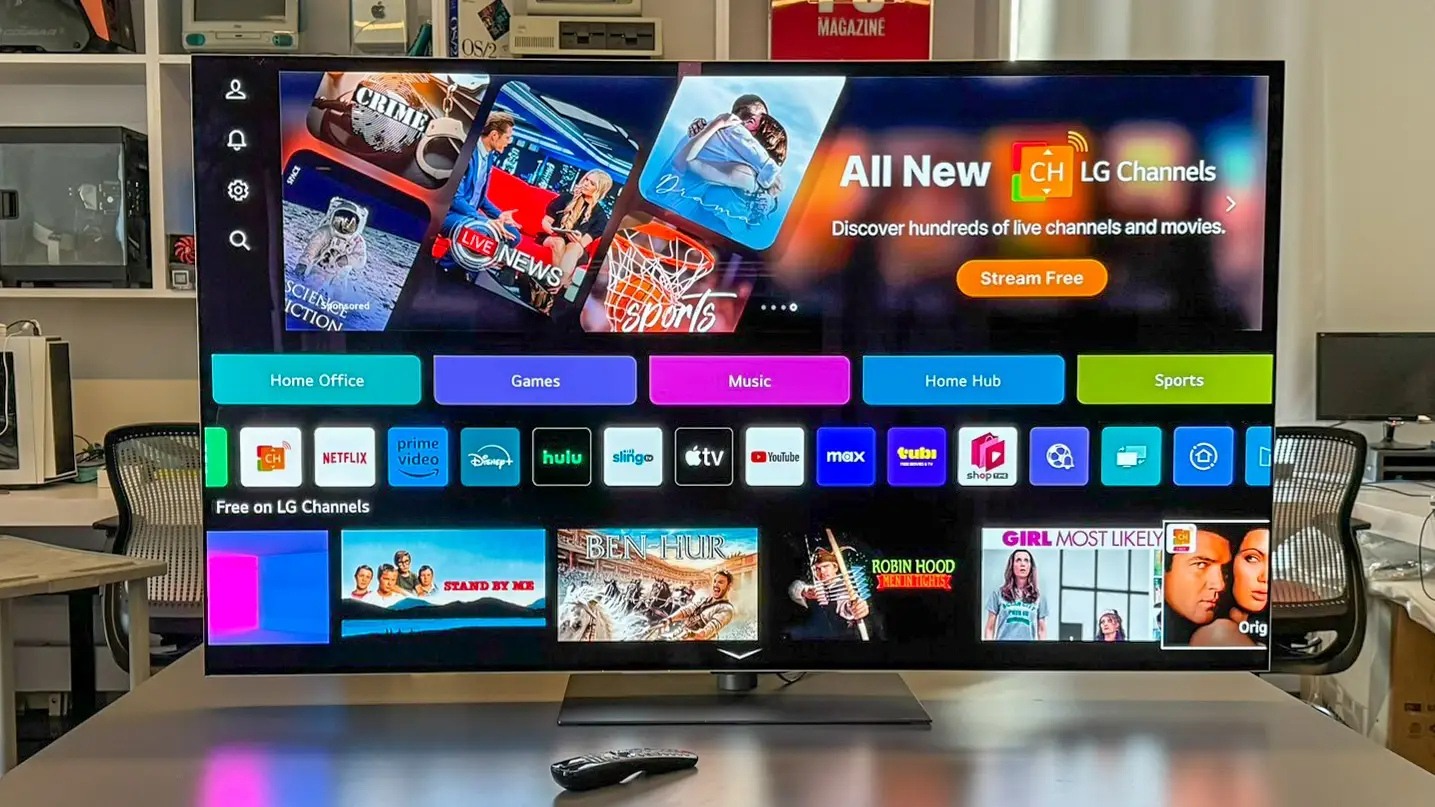
WebOS Re:New program promises four upgrades over five years, earning cautious optimism from owners. Reddit veterans cite past LG models getting meaningful UI and app updates “long after rivals stopped patching.” The five-year panel warranty is another confidence booster, separating it from competitors offering only one to three years.
Durability narratives six months in are largely positive; no widespread burn-in issues reported so far. Occasional anecdotes of calibration drift exist, typically resolved through auto-calibration or professional servicing.
Alternatives
Samsung’s S95D QD-OLED matches brightness and adds slightly superior tone mapping in HDR10, but multiple sources note cooler whites and less color accuracy out of the box. Sony’s A95K earns praise for motion handling and sports clarity but lacks the G4’s design integration and gaming feature depth.
For budget-conscious OLED seekers, last year’s LG C3 retains strong blacks and low lag for less money, at the cost of reduced brightness (~800 nits peak) and less robust glare suppression.
Price & Value
Retail listings show $2,299–$2,599 new at Best Buy, with auction resale prices around $900 for used units in good condition, indicating healthy depreciation but good long-term ownership value due to the warranty. Community buying tips include watching holiday sales when LG often bundles premium OLEDs with soundbars, saving hundreds.
FAQ
Q: Does the LG G4 support 144Hz gaming?
A: Yes, but only via PC with capable GPU over HDMI 2.1. Console gaming caps at 120Hz, still with VRR, ALLM, and Dolby Vision support.
Q: How effective is the Reflection Free panel in daylight?
A: Works well in moderates lights; drastically reduces harsh glare, though bright environments with significant glass can still reflect muted shapes.
Q: Can you wall-mount without gaps?
A: With LG’s Zero Gap mount, yes. Reports note precise installation is critical, and slight gap may appear if wall isn’t perfectly flat.
Q: Is Filmmaker Mode accurate?
A: It preserves director intent but has a warm/yellow bias out of the box. Calibration or personal tweaking recommended for perfect neutrality.
Q: How’s the built-in audio for movies?
A: Strong clarity and surround staging via virtual Atmos; bass is adequate for most, but a subwoofer or LG soundbar enhances depth.
Final Verdict: Buy if you’re a home theater enthusiast or competitive gamer who values top-tier OLED performance and design integration. Avoid if tonal perfection in low-light gradients is critical or if you need ATSC 3.0 for broadcast content. Pro tip from the community: spend time with “Smooth Gradation” settings and calibration — the G4’s panel is capable of reference-level reproduction with the right tuning.