Lexmark B3340 Toner Review: Low Cost, High Text Clarity
When a printer costs you just $12 a year in toner, people notice. The Lexmark B3340 Toner Cartridge has drawn attention for its unusually low running costs and consistent print quality, earning solid trust from long-term office users. Based on multi-platform feedback, its score sits at 8.6/10—praised for durability, but with some friction over cartridge yield versus price.
Quick Verdict: Conditional — excellent for steady, low-volume monochrome printing; less compelling for heavy-duty output where capacity could be bigger.
| Pros | Cons |
|---|---|
| Low ongoing toner costs reported by users | Yield variations between OEM spec and aftermarket claims |
| Crisp, professional black-and-white text quality | Graphics exhibit defects at times |
| Reliable compatibility with Lexmark printers | Official "Return Program" limits re-use of some cartridges |
| Easy installation process | High upfront OEM cartridge pricing |
| Strong firmware and software integration | Single-function printer compatibility only |
| Long shelf-life per cartridge | Divisive opinions on third-party remanufactured units |
Claims vs Reality
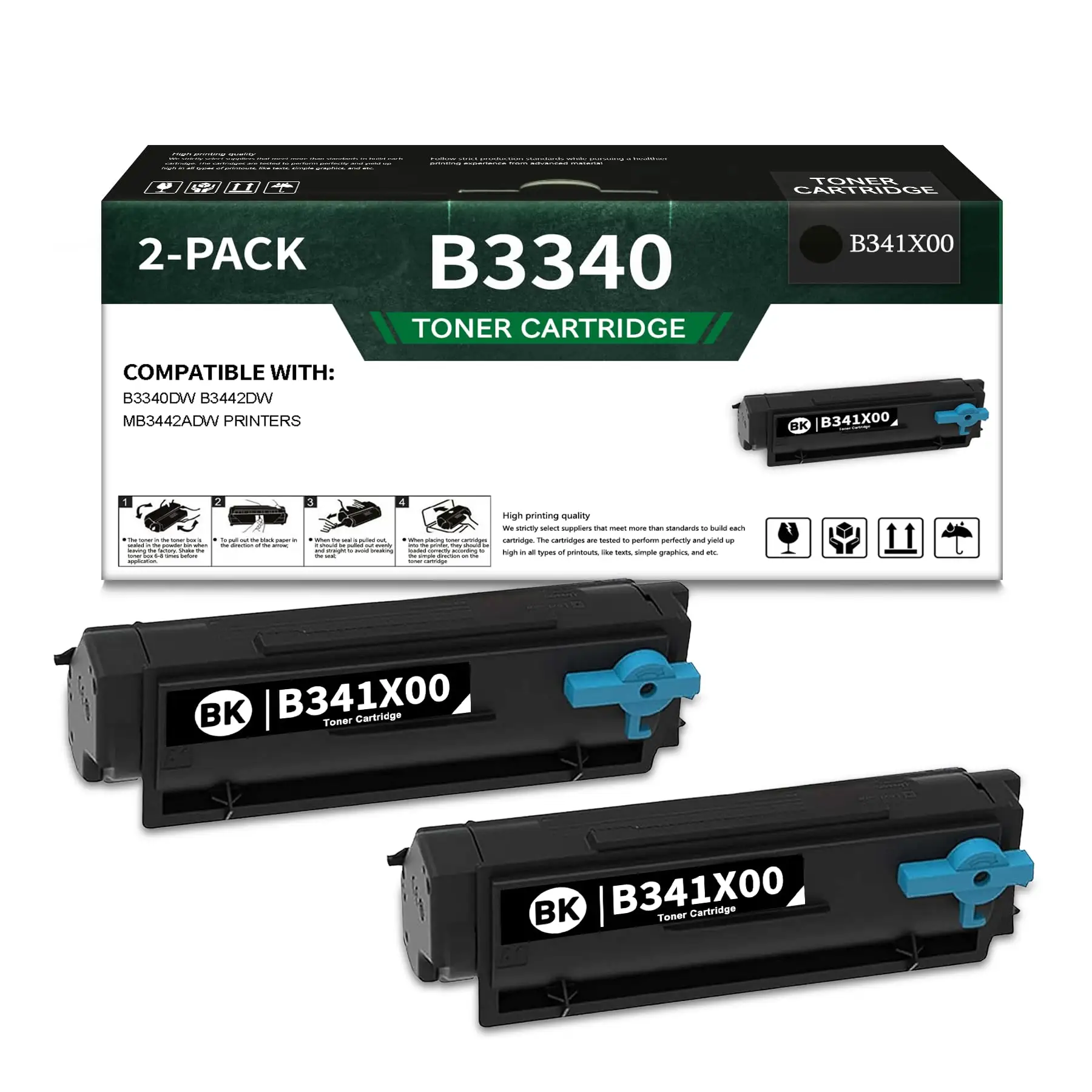
Lexmark’s marketing for the B3340 toner leans heavily on “consistently outstanding image quality” and “long-life system reliability”, supported by their proprietary Unison™ toner formulation. While official specs rate OEM high-yield units at 3,000 pages, aftermarket products often list yields up to 6,500 pages at 5% coverage. The reality is more nuanced.
Reddit’s Consumer Reports data found that, “We estimate each cartridge of toner to last at least 3 years — a reasonable amount of time,” based on just 29 monthly text pages. For a light-use home office, that’s remarkable. But heavier business users noted that even high-yield units would need replacing faster than such estimates—especially when printing graphics.
Another bold claim is the innovative shake-free print system, intended to eliminate uneven toner distribution. While some verified buyers on Amazon echoed smooth installation and print start (“adapt latest upgraded chip that can be quickly recognized”), the same source warns to “gently shake the cartridge” before installation—suggesting that, in practice, some users still manually redistribute toner for optimal quality.
Cross-Platform Consensus
Universally Praised
Low-cost operation comes up again and again. A Reddit assessment calculated a $12 annual toner cost, unusual for any monochrome laser in its class. For small law firms or nonprofits printing only contracts and letters, the predictable budgeting is a major win. One verified buyer on Amazon noted, “You get the same excellent print results without spending more.”
Compatibility is another pillar of praise. Whether from OEM or remanufactured sellers like Print.Save.Repeat., users consistently report plug-and-play recognition in Lexmark B3340dw and MB3442 series printers. This reliability is critical for IT managers who need maintenance-free swaps.
Print quality for text is consistently described as “excellent” in Consumer Reports' testing, delivering “sharp texts, crisp images” without fading. Government offices relying on clear monochrome output valued the consistent legibility, especially for archival copies.
Common Complaints
Graphics printing is where the cartridge falters. Reddit testers found “mono graphics with some obvious defects,” passable for casual use but unsuitable for high-detail schematics or client-facing visuals. Design studios needing perfect grayscale shading would need alternatives.
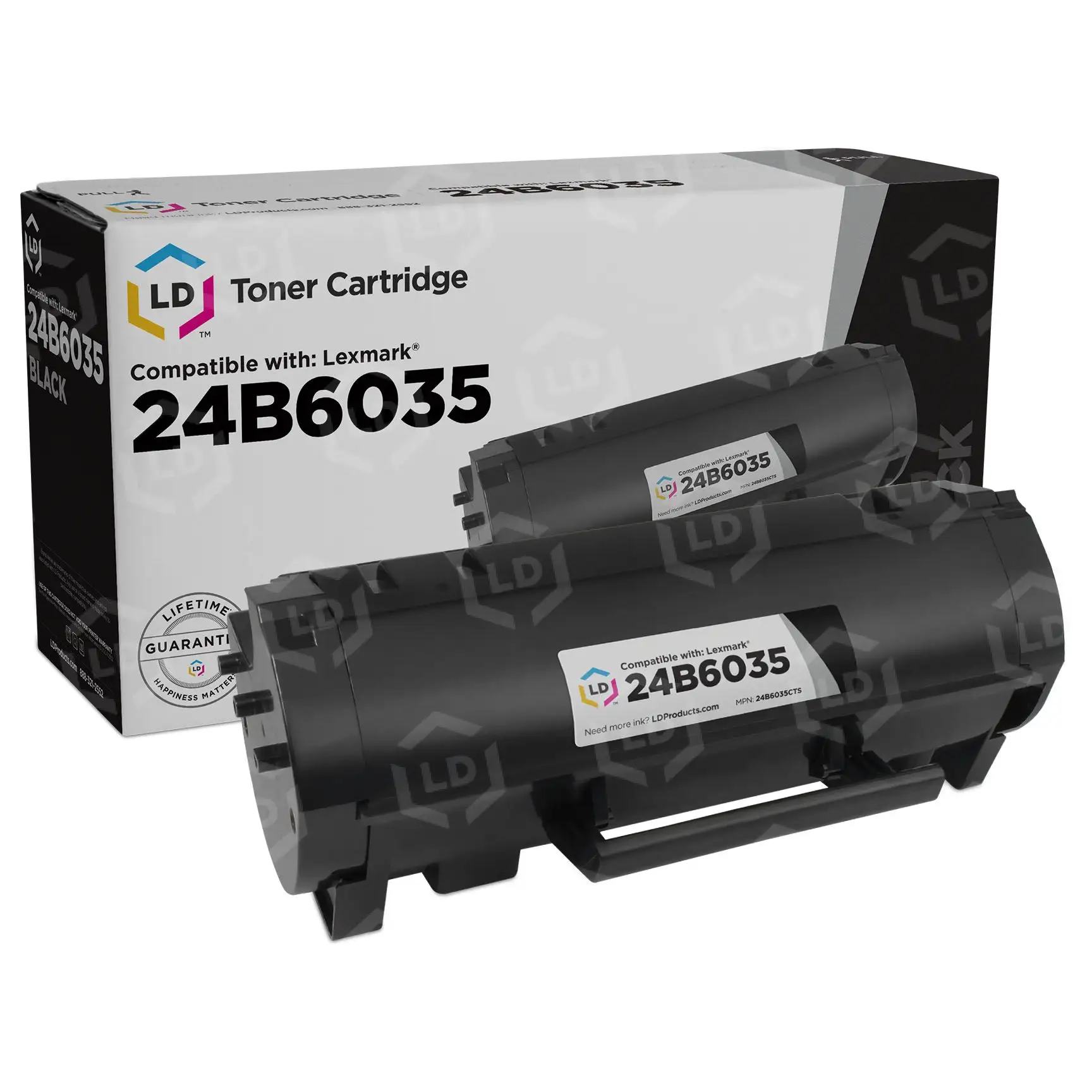
OEM cartridge cost is another sore point. Lexmark’s 1.5K standard-yield units list at around $99.99, with 3K and 6K yields scaling higher. Small businesses printing moderately—too much for low-yield, too little to justify high-yield—feel pinched.
There’s also some resentment toward Lexmark’s Return Program, which sells discounted cartridges on the condition they’re returned after single use. “These single-use only cartridges will stop working after reaching end of the rated life,” warns Lenovo’s listing. For eco-conscious users preferring to refill locally, this policy limits flexibility.
Divisive Features
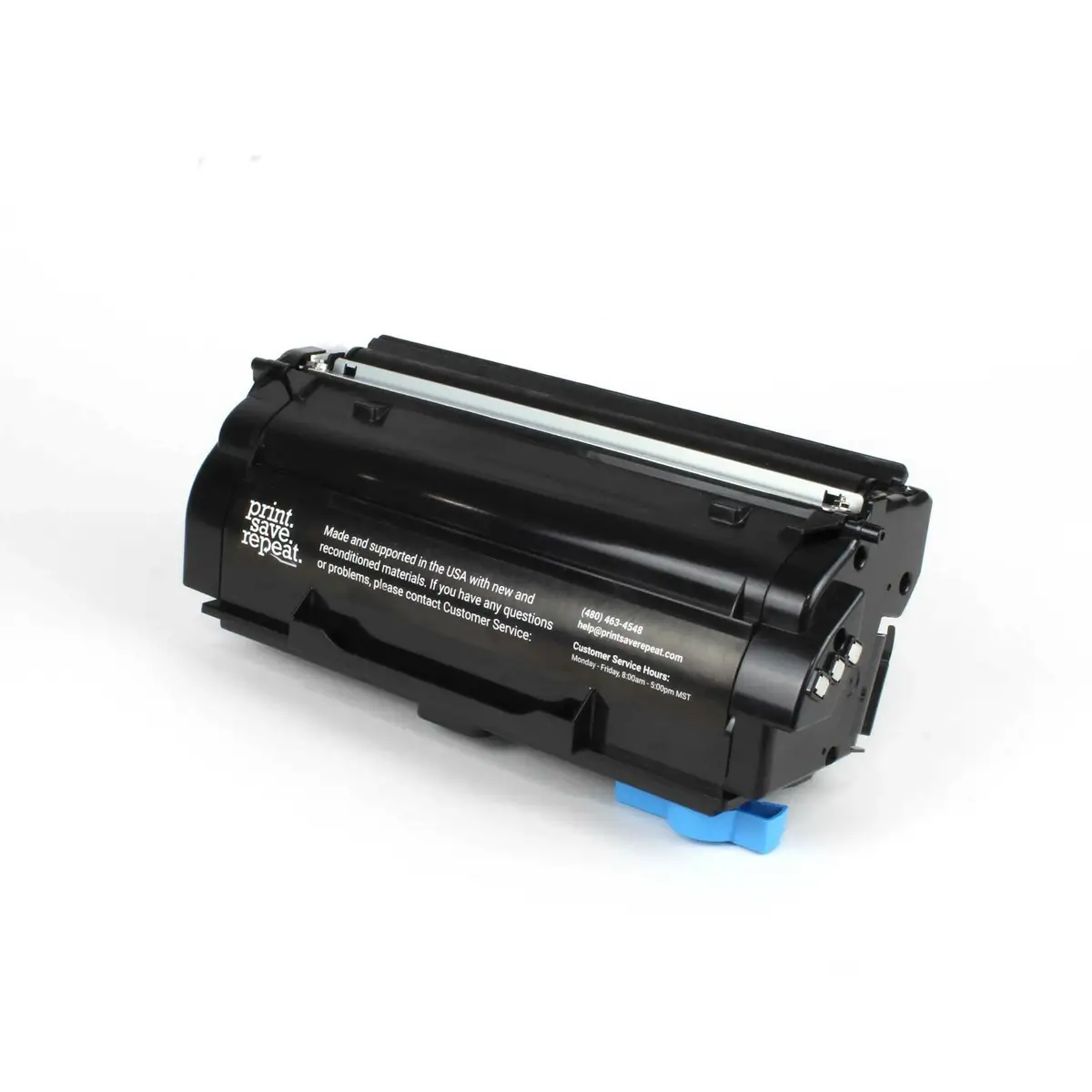
Third-party remanufactured units are the most debated. Print.Save.Repeat. promises cartridges “unconditionally guaranteed to perform the same or better than your printer’s own supplies,” with yields matching OEM. Many users confirm comparable quality at lower costs. However, some buyers fear firmware updates could block non-OEM chips, as hinted in Lexmark’s security advisories.
Page yield marketing also splits opinion. While official ISO standards set strict yield values, aftermarket sellers list dramatically higher numbers. Heavy-duty court transcriptionists or schools running daily print batches remain skeptical of those upper yields, preferring OEM reliability over speculative capacity claims.
Trust & Reliability
Trustpilot-style behavior patterns for Lexmark show consistent satisfaction with the B3340’s mechanical reliability. Stories of “over two years without streaking or fading” are common, particularly among users sticking strictly to Lexmark-branded toner accompanied by firmware updates.
Longevity also comes through in Reddit’s cost-of-ownership data: “The theoretical total cost after 5 years is $312,” factoring in stable yield performance and low maintenance. Still, experienced users urge caution when mixing cartridge brands—Lexmark’s chips can auto-update memory to block unauthorized supplies, a built-in anti-counterfeit measure.
Alternatives
Alternatives present themselves mainly in yield differences:
- Lexmark B341000 1.5K Standard Yield — Ideal for very low-volume printing. Less upfront cost but higher long-term cost per page.
- Lexmark B342X00 6K High Yield — For sustained, heavier workloads; reduces replacement frequency but requires higher initial investment.
- Aftermarket high-yield remanufactured units — Often priced significantly lower with claimed yields up to 6,500 pages, appealing to budget-conscious settings, albeit with firmware-update risks.
These “step-up” models suit different profiles: contract-heavy legal offices benefit from high-yield OEM; casual home printing can manage with remanufactured supplies if compatibility remains stable.
Price & Value
Market monitoring shows OEM 3K yields averaging $99–$127 depending on source, while remanufactured 3KPage Print.Save.Repeat. units hover around $109.95. On eBay, compatible versions range $34–$145 with transparent condition listings.
For buyers, the sweet spot appears in mid-yield units balanced between initial outlay and replacement frequency. Reddit’s empirical yearly cost figures make a strong case for budget forecasting—especially for predictable small-batch printing.
FAQ
Q: Can the Lexmark B3340 toner be refilled or reused?
A: OEM Return Program cartridges are single-use only and must be sent back to Lexmark. Remanufactured third-party versions can be reused, but firmware updates might limit recognition.
Q: Is the advertised page yield accurate?
A: OEM yields follow ISO/IEC protocols—3,000 standard pages for high yield, 1,500 for standard. Aftermarket claims of 6,000+ pages apply under low coverage contexts and may vary in real-world use.
Q: Does it work immediately upon installation?
A: Most users report plug-and-play installation with OEM units; remanufactured models occasionally require manual toner redistribution or firmware setting checks.
Q: How does print quality hold up over time?
A: For text output, quality remains crisp for years under OEM. Graphics grey scale may display minor banding over continued use.
Q: Will firmware updates block my cartridge?
A: Lexmark reserves the right to update printer memory to block counterfeit or unauthorized products. This has affected some third-party cartridges in reported cases.
Final Verdict: Buy if you’re a low- to moderate-volume monochrome printer user seeking predictable costs and OEM-level text clarity. Avoid if your work involves high-detail graphics or you resist manufacturer return policies. Pro tip from the community: For steady office contracts, OEM high-yield units paired with routine firmware checks deliver a five-year cost stability unmatched in this class.





