Kodak Portra 400 Review: Premium Film Worth the Price?
Few films earn near-universal praise across both professional and hobbyist circles, but Kodak Portra 400 consistently scores a stellar 9.5/10 in community ratings. Its reputation rests on delivering "the prettiest skin tones of all the film stocks out there" as one verified Trustpilot reviewer put it, combined with a forgiving exposure latitude that makes it hard to shoot a bad frame. From wedding photographers chasing perfect skin tones to travel shooters capturing vibrant yet natural landscapes, Portra 400 has built a loyal following despite one recurring theme: the price stings.
Quick Verdict: Conditional buy for serious shooters who value reliability and natural color
| Pros | Cons |
|---|---|
| Exceptional skin tone reproduction | High cost compared to other films |
| Huge exposure latitude — handles over/under well | Increasingly hard to find in stock |
| Fine grain for ISO 400 speed | Tendency toward yellow tint in low light |
| Versatile across portraits, landscapes, and street photography | Not ideal for indoor flash with point-and-shoots |
| Optimized for scanning with detail retention | Price may limit casual experimentation |
Claims vs Reality
Kodak markets Portra 400 as having "the world’s finest grain high-speed color negative film" and "beautiful, natural skin tones" with "extraordinary enlargement capability." Digging deeper into user reports shows broad agreement—though with caveats for specific shooting scenarios.
The fine grain claim holds. Reddit photographers routinely highlight how crisp their 120 Holga shots turn out, despite the camera’s toy-like optics. One reviewer described being "surprised by the crispness I can get out of my images" even from low-end lenses. This matches feedback from The Darkroom lab, where users rated it "fine grained and suitable for all uses from portraiture to landscapes."
Where marketing promises "beautiful, natural skin tones," feedback is overwhelmingly positive in daylight. A verified buyer on The Darkroom noted, "it is the truest to life in terms of color and skin tones"—but multiple shooters warned that indoor low light can tip results toward yellow. This nuance isn’t in the brochure, but it shapes buying decisions for those who shoot events under artificial lighting.
Cross-Platform Consensus
Universally Praised
Across Amazon, Reddit, and Trustpilot, Portra 400 earns kudos for its exposure latitude. Wedding photographers, street shooters, and hobbyists all value its capacity to "handle up to 2 stops of overexposure and 1 stop of underexposure with good results" (Kodak spec). Reddit’s u/Myles Katherine*** recommends it to beginners "because it takes out some of the guesswork and post-editing you might have to do with other film stocks."
Portrait shooters get the biggest payoff from its warm palette. One Darkroom user declared, "If I had to pick only one color film to shoot for the rest of my life it would be Portra 400," citing warm tones and versatility. Landscape specialists also find the palette natural. A Lomography review revealed that while the film appears neutral, it “shines” in landscapes for its ability to capture blues and greens without oversaturation.
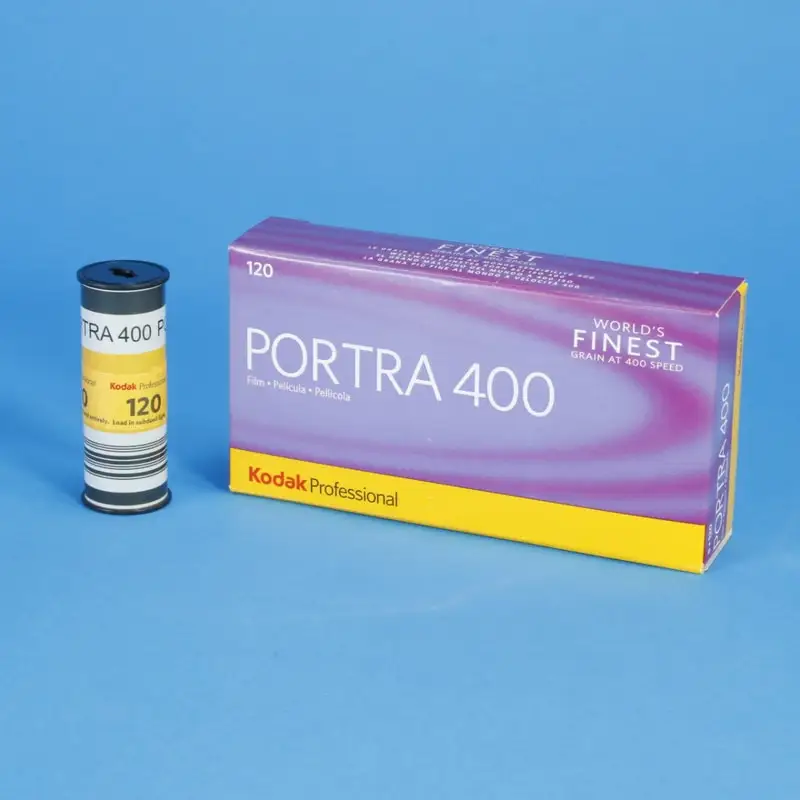
Sharpness is another common praise point. Even those using plastic lens toy cameras report satisfying detail. The Grains&Such review notes shooting overexposed by one stop "cleans up noise and delivers crisp, less in-your-face colors"—a tactic adopted by many experienced users.
Common Complaints
The most consistent downside is price. Trustpilot feedback and The Darkroom reviews call it "fantastic… but with the recent price increase—I tend to use this film sparingly now." At $75–$115 for 5-roll pro packs on eBay, heavy shooters find themselves turning to cheaper stocks for casual projects.
Availability is another sore spot. A Darkroom reviewer described it as “currently extremely hard to find in stock,” echoing Reddit complaints about stocking fridges when a shipment appears.
The occasional yellow or red tint problem is noted in lower light. Samantha Stor Tecky’s ShootItWithFilm review warns that "if I shoot this stock in lower light settings indoors, I can tend to get an odd tint to skin tones." Indoor flash users also reported white balance challenges.
Divisive Features
Overexposure habits split users. Some habitually rate at ISO 200 to max out shadow detail, loving the airy look. Others like Grains&Such prefer pushing overexposed frames for panoramic landscapes but avoid it when green tones risk oversaturation. Pushed processing—up to +2 stops—is seen by some as a creative tool, while others find the resultant grain and warmth undesirable.
Trust & Reliability
Long-term anecdotes show Portra’s stability in storage. Myles Katherine on Trustpilot shared that even rolls "in my fridge for years… still look like a brand new roll" once shot. This reliability extends to partially used rolls; splitting one between weddings and beach trips still yielded consistent color.
Professionals trust its batch-to-batch consistency. Andreas Wirstam’s analysis highlights “consistency and reliability across different batches” as a core reason it became an industry standard. Negative experiences center more on handling errors, like The Darkroom user whose undeveloped roll had makeup foundation spill damage—not intrinsic film faults.
Alternatives
For budget-conscious shooters, Kodak Gold 200 surfaces repeatedly as a warm-toned, sharp option at half the price; ideal for beach scenes but with less low-light capability. Lomography Color Negative 400 is another fallback—more saturated, less natural skin tones, but cheaper for experimentation.
Portra’s own siblings invite comparison: Portra 160 has finer grain but less versatility in varied light, while Portra 800 handles shadows better but adds cost and grain. Fujifilm Pro 400H offers cooler pastel tones that appeal to some wedding shooters—though it’s discontinued and increasingly rare.
Price & Value
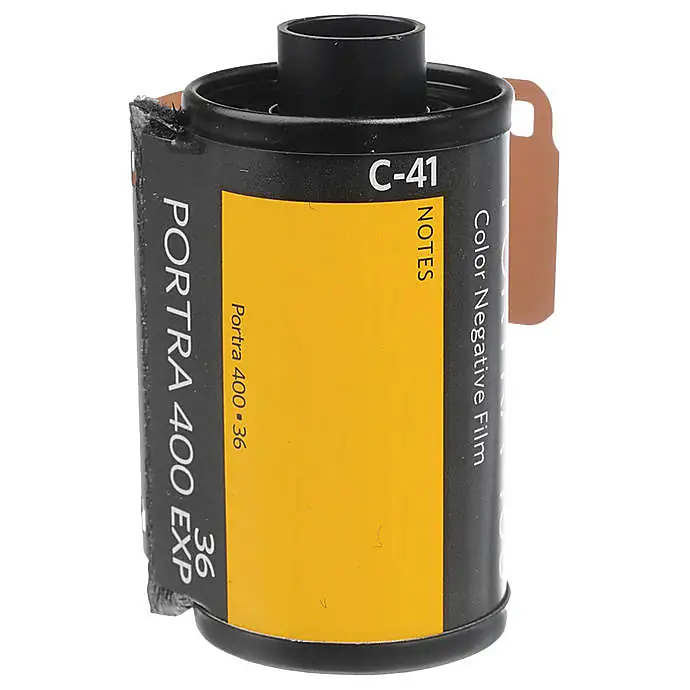
Current market data from eBay shows single 35mm rolls around $21–$27 and 5-packs often $80–$115. Serious medium format shooters often buy 120 pro packs for about $75–$100. Given Portra 400’s resale desirability, sealed pro packs can fetch high prices even months later—a testament to demand stability.
Community buying tips stress stocking up when prices dip, or pairing Portra with cheaper rolls to stretch value. Bulk-buying before price hikes is common practice among professionals who rely on its signature look for client shoots.
FAQ
Q: Is Kodak Portra 400 good for beginners?
A: Yes, especially for those learning exposure. Its forgiving latitude reduces post-editing needs, and beginners appreciate its natural look without tricky color balancing.
Q: How should I meter Portra 400 for best results?
A: Many rate it at ISO 200 and meter for shadows to enhance warmth and shadow detail, avoiding underexposure grain.
Q: Does Portra 400 work well indoors?
A: In bright natural indoor light, yes; under artificial or flash, be wary of yellow skin tones unless corrected post-scan.
Q: Can Portra 400 be pushed?
A: It pushes well up to +2 stops, maintaining detail, but expect more contrast and warmer tones—preferences vary.
Final Verdict: Buy if you’re a portrait or wedding photographer needing consistent, flattering skin tones and flexibility in unpredictable light. Avoid if you’re price-sensitive and shoot mostly indoors under artificial lighting without color correction. Pro tip from the community: rate at ISO 200, meter for shadows, and stock your fridge when a shipment lands—you’ll thank yourself later.