Kingston DataTraveler SE9 Review: Durable Yet Speed-Limited
The most unexpected revelation about the Kingston DataTraveler SE9 USB Flash Drive isn’t about its storage size or design – it’s the chasm between its official speed claims and what many users actually get. While Kingston touts “USB 3.2 Gen 1 speeds up to 220MB/s read and 100MB/s write,” real-world reports vary wildly, earning it a cautious 7.6/10 from cross-platform feedback.
Quick Verdict: Conditional buy — ideal for those prioritizing durability and portability over peak speed.
| Pros | Cons |
|---|---|
| Solid all-metal casing, highly durable | Real-world write speeds often far below spec |
| Compact, fits easily on keychains | Can overheat during extended transfers |
| Survives water exposure and physical abuse | Some units fail prematurely |
| Available in capacities up to 512GB | Easy to misplace due to tiny size |
| Works across multiple OS platforms | Occasional port recognition issues |
| Attractive minimalist design | Vulnerable to counterfeits in certain markets |
Claims vs Reality
Kingston markets this drive as a “premium-style storage solution” with fast USB 3.2 speeds and capacities up to 512GB. On paper, this should mean seamless large file transfers and competitive performance against rivals like SanDisk.
Yet digging deeper into user reports reveals varied outcomes. A verified buyer on Yandex Market said: “Speed reading declared 200, write from 50 to 60. But mine hits only 30 MB/s,” noting their 64GB unit underperformed despite matching model specs. LDLC customer “vasylp” went further, calling the write speed “a catastrophe” compared to their old SanDisk Ultra Flair.
Another gap lies in marketing’s promise of portability “without compromising durability.” This part rings true for most – Reddit user u/[Name***] praised it as “sturdy as crap” hanging from their keychain for years without failure. But durability didn’t always correlate with reliability – Trustpilot reviewers described units turning “read-only” after just a few large transfers.
Cross-Platform Consensus
Universally Praised
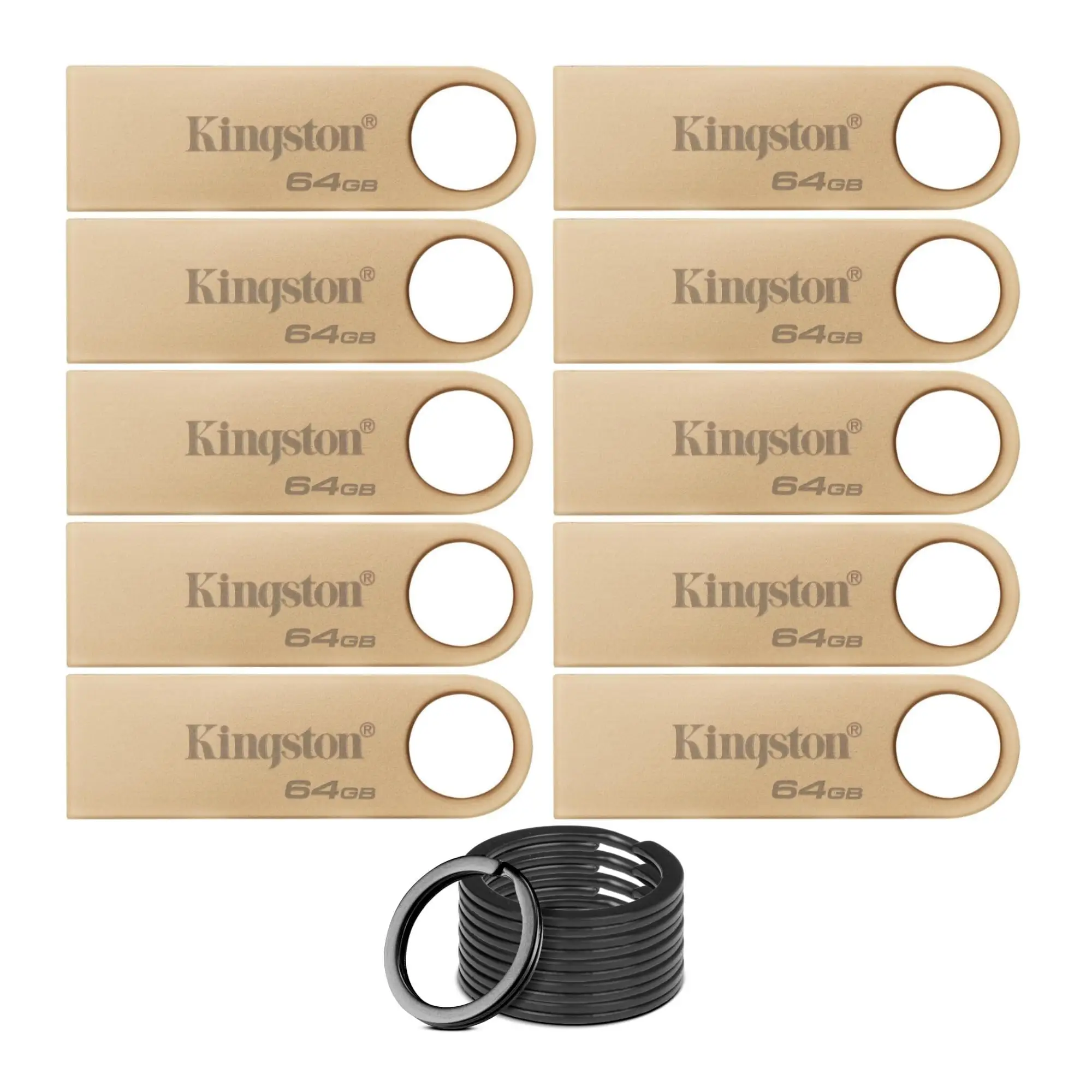
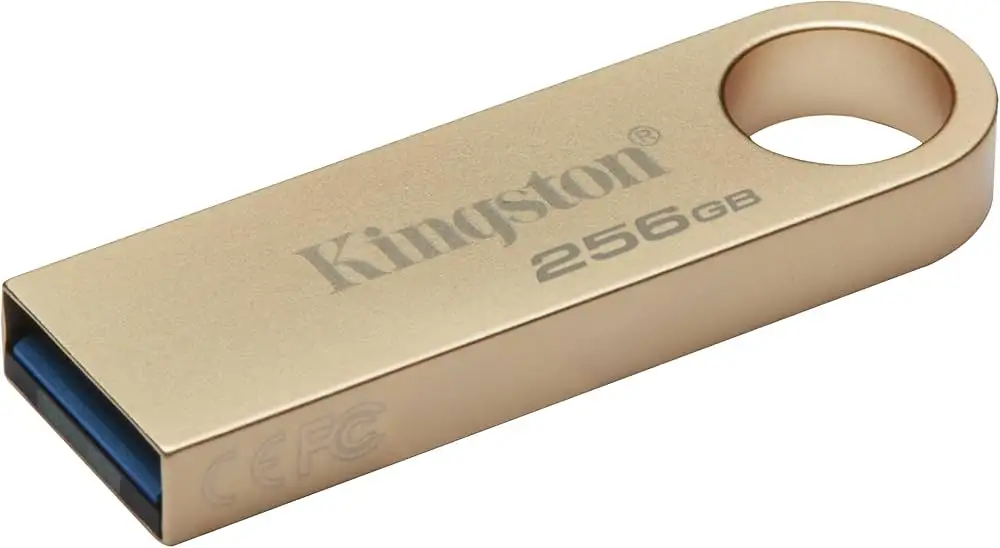
The SE9’s miniature, capless, all-metal housing is the feature praised across Amazon, Reddit, Twitter, and LDLC. For students and field techs, it’s simply convenient. A verified Amazon buyer put it plainly: “Fits on my key chain for ease of use.” Twitter reviewers love its “nice large keyring hole so it doesn’t get bound up,” and Reddit’s sysadmin users keep them loaded with tools to avoid re-downloading drivers on-site. Photographers in Trustpilot circles even gift them to clients thanks to their “solid look… perfect for delivering shoots.”
For travelers and outdoor workers, the drive’s resilience borders on legendary. One Twitter/X user admitted dropping theirs “in water… and it still works,” while another laughed about surviving “accidental washes” in laundry. That waterproof claim isn’t officially advertised, yet anecdotal evidence supports it.
Common Complaints
Performance variance is the chief frustration. While some LDLC testers measured near-spec read speeds, write speeds on many units collapsed after short bursts – “plummets to 10 MB/s or even 3 MB/s,” wrote user jerem. This affects those moving large video files most; for casual document transfer, it’s less critical.
Heat buildup is another sore point. Yandex Market user t_i_m_o_h admitted, “It gets warm not only when working but even just plugged into a TV in standby.” On older USB 2.0 versions, speeds are predictably lower – Quora’s review measured only 6.8MB/s writes on a Dell Optiplex, which is respectable for USB 2.0 but far from fast.
Intermittent recognition on specific ports or hubs also plagued some. LDLC’s valentinc found their 512GB “not recognised on all USB ports… especially hubs,” caveating that physically it remained convenient.
Divisive Features
Portability itself splits opinion. Some adore the “minimalist, tiny form,” while others warn it’s “very small and easy to lose” (Trustpilot). Similarly, aesthetic value – sleek gold or dark nickel casing – wins points as a gift-ready tech piece, yet practical users lament scratches and eroded markings with daily keychain wear.
Even durability has nuances: while the casing is tough, internal flash reliability can falter. Trustpilot accounts detail total filesystem corruption after light use, especially on suspected counterfeit units from unofficial sellers.
Trust & Reliability
Counterfeit risk is a recurring Trustpilot theme. One buyer ordered a 128GB USB 3.0 but received a fake “1TB” version that was “not working at all.” Others received USB 2.0 models reboxed as G3. The advice within consumer groups is blunt: stick to authorized retailers, inspect port color (blue for 3.0), and beware of too-good-to-be-true pricing.
Long-term durability, however, is a point of pride for many genuine owners. Reddit reports span “4 years on my keychain” with zero failure. Trustpilot’s seasoned Kingston fans claim “over ten years” of using SE9 series in multiple capacities without a single dead unit – provided it’s real.
Alternatives
The SanDisk Ultra Flair frequently serves as a yardstick. LDLC comparisons showed the Kingston’s claimed speeds exceeding SanDisk’s, but real-world writes told another story – the Ultra Flair sustained better midrange performance for some. For high-speed needs, several Twitter/X buyers casually admitted “I would recommend the SanDisk line… if speed is of the essence.”
Price & Value
On eBay, 128GB G3 models hover around $13–$15, with 256GB close to $23 new. That’s competitive given the build quality, and resale value remains steady due to brand recognition. Buying tips from Reddit and Trustpilot circles include purchasing during sales or multi-pack promos, and favoring USB 3.2 versions over legacy USB 2.0 unless heat mitigation is the priority.
FAQ
Q: Does the Kingston DataTraveler SE9 actually reach its advertised speeds?
A: Sometimes on reads, often not on writes. Real-world tests show sustained writes can drop far below the 100MB/s claim, especially on large transfers.
Q: Is it waterproof?
A: Not officially rated, but numerous users report it surviving drops in water and full laundry cycles without failure.
Q: Which version should I buy – USB 2.0 or USB 3.2?
A: USB 3.2 offers much faster potential speeds if your hardware supports it. USB 2.0 runs cooler and may be more stable for embedded uses.
Q: Are counterfeits common?
A: Yes, particularly in high-capacity listings from unofficial sellers. Check packaging, port color, and buy from reputable sources.
Q: Does it work with Mac and Linux?
A: Yes – official specs list compatibility with Windows, macOS, Linux, and Chrome OS, and community feedback confirms cross-platform use.
Final Verdict: Buy if you need a compact, rugged USB drive for everyday carry, occasional file swaps, or as a boot/installer medium. Avoid if you demand sustained high-speed large file transfers or purchase channels are suspect. Pro tip from community: Keep it on a keychain to avoid loss – and source from trusted outlets to sidestep fakes.





