Kensington Nano Laptop Lock Review: Great If Compatible
A verified buyer on Amazon summed it up bluntly: “Do not buy unless your device has a nano slot.” That warning runs through much of the feedback on the Kensington Combination Laptop Lock (Nano Slot, Resettable), a product designed for ultra-thin devices but praised for its build quality. Across platforms, the lock scores a respectable 7.0 to 8.0 sentiment rating, with an Amazon.com average of 4.3/5, but its usability hinges entirely on compatibility.
Quick Verdict: Conditional – Excellent for ultra-thin laptops with nano slots, useless otherwise
| Pros | Cons |
|---|---|
| Slim lock head lets laptops lie flat | Limited to devices with nano slots only |
| Carbon steel cable resists cuts | Some report loose fit in lock slot |
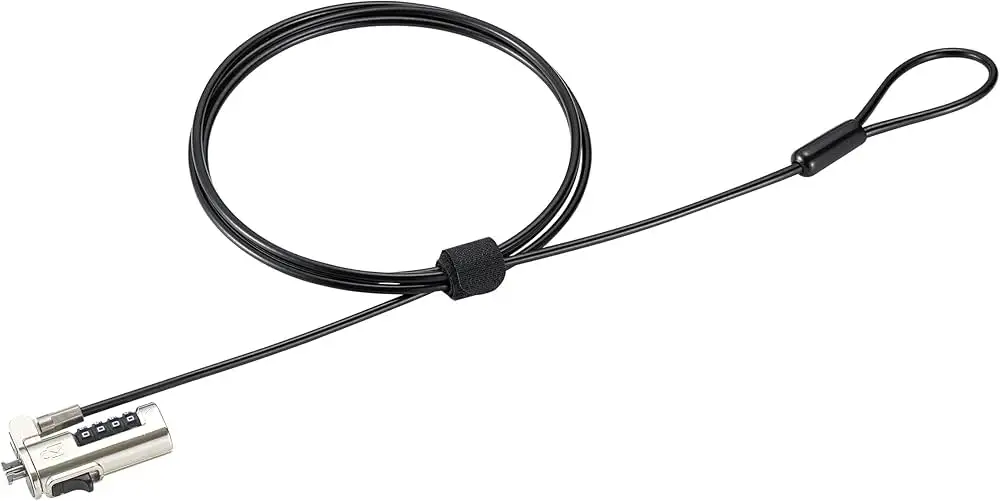
| 10,000 code combinations, resettable | Coil too tight, short functional length for portable version |
| Durable build, 5-year warranty | Less secure than keyed locks – vulnerable to code guessing |
| Easy one-handed cable rotation | No adhesive mounting option for non-nano devices |
| Free code registration for recovery | Limited attach points in some workspaces |
Claims vs Reality
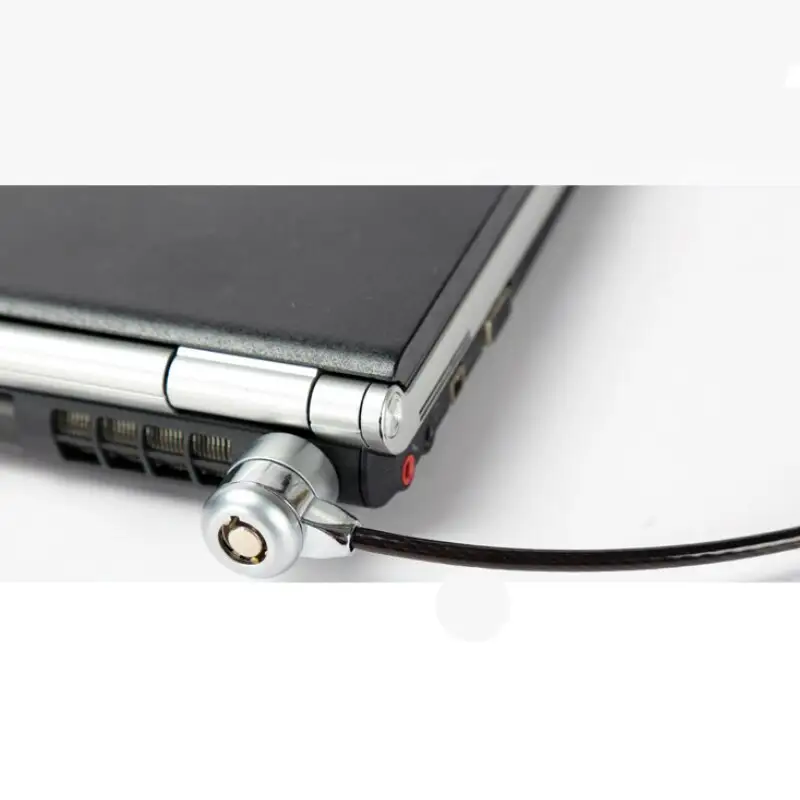
Kensington markets the lock as “the strongest keyless locking solution” for ultra-thin and 2-in-1 laptops with nano slots, promising full stability without lifting the device off the surface. For owners of those devices, the claim holds up. A verified buyer on Amazon noted: “Love this little gadget, but would have liked a little more rope length. I can barely lock it to the utility column of my cubicle.” The flat-lie design works, but attachment options can be restrictive.
The brand also touts cut-resistance from its carbon steel cable. While no reports dispute the material quality, Reddit discussions caution that this is still “basic security” in low-risk environments. As Provantage summarized: “Limited security compared to keyed locks – vulnerable to guessing or cracking.” For travelers or users in high-theft areas, that marketing promise may need tempering.
A third key claim is its ease of use: one-handed cable head rotation for flexible positioning. Feedback here is mostly positive, but the portable coil version drew criticism. One Trustpilot review said, “The coil is way too tight… makes the functional length of the cable very short,” which undermines the advertised maneuverability in certain contexts.
Cross-Platform Consensus
Universally Praised
The slim profile stands out as the top praise point. For design-conscious professionals using modern ultrabooks, it avoids the “laptop tilt” caused by standard lock heads. Kensington’s expanding side hooks secure the slot without obstructing ports, meaning creators and coders can work uninterrupted. Reddit users and Amazon buyers repeatedly mention how it keeps their setup flat and stable.
Durability earns accolades too. Multiple listings confirm these locks are “verified and tested for torque/pull, corrosion, and lifecycle.” A verified Amazon buyer wrote: “Great for my HP computer,” noting confidence in its sturdy feel despite the short cable limitation.
Another universal plus: recovery options via free code registration. Office IT managers benefit here; Provantage explains how “serialized combination locks… a serial number etched on the lock head… code can be retrieved at any time, ideal for lost combinations.”
Common Complaints
Compatibility is the most frequent deal-breaker. Without a factory-installed nano slot, the lock is unusable. Trustpilot feedback warned: “In the rubbish bin it goes as my computer does not have this unique slot type.” Kensington does not sell aftermarket adhesive mount points, frustrating adapters.
Cable length issues trouble portable versions, especially in flexible workspaces. Tight coils can reduce reach; short cables make it hard to anchor to distant fixed points. The result is improvisational attach points that may be less secure.
Security level sparks concern among more vigilant users. While fine for casual deterrence, the combination lock system relies on users rotating codes often to thwart guessing. Provantage notes this “can be inconvenient for users” and doesn’t match keyed lock resilience.
Divisive Features
The resettable four-wheel combination code draws mixed reactions. Some enjoy keyless convenience – “no more lost keys” – while others mistrust the security of code locks. Organization-wide setups favor serialization for recovery, but solo users in high-risk areas may prefer a physical key.
The pivot-and-rotate head appears on both praise and complaint lists. In stationary desk setups, it adds smooth flexibility; in portable use, tight coils diminish its freedom.
Trust & Reliability
Scam concerns pop up around “renewed” or “like new” purchases, especially defaults not matching claimed codes. A Trustpilot reviewer detailed buying renewed: “Default unlock code 0000… does not work. Someone used this item and changed the combination… now item is useless.” Community consensus is to buy new only, avoiding refurbished units unless tested.
On durability, Reddit and Amazon threads report months of stable use without mechanical failure. The carbon steel sheath withstands daily handling, and hooks show no immediate wear, reflecting Kensington’s industry testing. Reports do not surface of the cable fraying or locks jamming under normal, intended use.
Alternatives
In the Kensington lineup itself, the Universal 3-in-1 Combination Laptop Lock attempts to “future-proof” by fitting standard, nano, and wedge slots. For IT managers covering varied fleets, this avoids the nano-only limitation. However, its broader compatibility sacrifices the ultra-low profile that slim laptop purists value.
Another is the Kensington Nano Combination Laptop Lock – TAA, designed with Cleat™ locking technology for government institutions, retaining nano slot exclusivity but with formal compliance needs met.
Price & Value
As of current listings, the Kensington Slim NanoSaver Combination Laptop Lock ranges from $20.47 on Amazon US to $43.23 via Beach Audio, with eBay showing portable variants at ~$28.99. Bulk discounts come into play for corporate buyers (Beach Audio charges $32.50 each for orders of 32+).
Resale value appears modest; refurbished units see steep trust drops, reducing viable second-hand market appeal. Buying tips from the community emphasize checking the laptop’s slot before purchase, opting for new-in-box items, and assessing cable length for your workspace.
FAQ
Q: Can this lock fit all laptops?
A: No. It only fits devices with Kensington nano-sized lock slots. Without that spec, the lock cannot attach, and no adhesive adapter is sold.
Q: Is the combination code secure?
A: Adequate for casual theft deterrence. With 10,000 possible combinations, it resists quick guessing, but keyed locks may offer higher security in high-risk environments.
Q: What if I forget my combination?
A: Kensington’s ‘Register & Retrieve’ program and serialized locks allow code recovery online if registered beforehand.
Q: Does the cable allow mobility?
A: The standard version’s 6-foot cable offers reasonable reach. The portable coil variant can feel too tight, limiting anchor points in some settings.
Q: How durable is the lock?
A: Verified users report months of stable performance. Tested for environmental wear, carbon steel construction resists cutting, while the lock head resists torque/pull.
Final Verdict
Buy if you own an ultra-thin laptop or 2‑in‑1 with a nano slot and want a slim, stable lock that won’t raise your device. Avoid if your device lacks a nano slot or your environment demands high‑security keyed solutions. Pro tip from community: register your code immediately and verify cable reach against your anchor point before relying on it in daily use.