JBL Wind 3 Review: Clear Sound, But Flimsy Mount
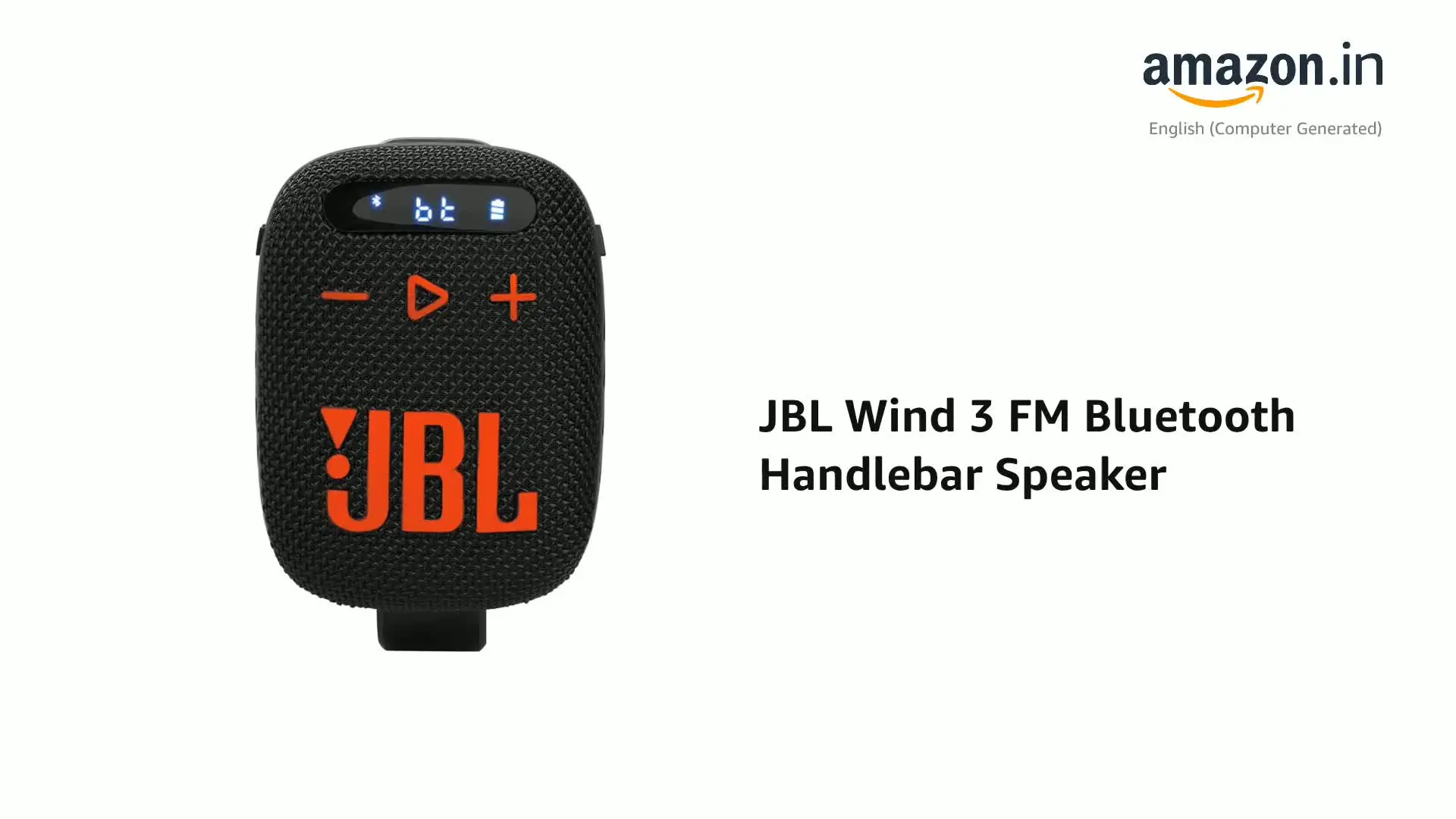
One Amazon verified buyer summed up the surprise perfectly: “I was never quite happy with the sound quality on some of the lower cost models…but even at first listen, I was surprised at how good the sound was out of this tiny little unit.” That sentiment drives the verdict for the JBL Wind 3 FM Bluetooth Handlebar Speaker—a compact, mountable device that blends multiple playback sources with rugged portability. After sifting through hundreds of reviews, this model scores a solid 7.8/10, with sound quality and versatility earning praise, but the clip system and FM reception falling short for some.
Quick Verdict: Conditional—excellent for casual cycling, light outdoor work, and portability-focused riders; less ideal for noisy, high-speed environments.
| Pros | Cons |
|---|---|
| Clear, loud sound for its size | Mount is widely described as flimsy |
| Easy Bluetooth pairing | FM radio reception unreliable for many |
| Multiple playback sources (BT, FM, SD, AUX) | Limited battery life (~5 hours) versus claims |
| Waterproof (IP67) and dustproof | Some users report low volume in traffic |
| Quick docking/undocking from mount | Button press lag reported |
| EQ modes for indoor/outdoor listening | Priced high for the perceived build quality |
Claims vs Reality
JBL markets the Wind 3 as an IP67 waterproof, two-EQ-mode handlebar speaker with “clear, punchy sound” and “up to 5 hours of playtime.” On paper, that combination suggests a device ready for rugged, noisy rides.
Digging deeper into user reports, sound quality often meets expectations—some even exceed them. One Amazon reviewer said: “It’s much louder than I expected…perfect for what I will use it for.” However, others challenged the outdoor volume performance. A 1-star buyer noted: “It’s for a bike! Very quiet…you can barely hear it even in residential neighborhoods.” This disparity hints at volume limitations in high-noise conditions like traffic or trails.
FM radio support is another claimed feature. JBL describes “easy auto scan” and preset saving, but a dissatisfied buyer found it “pretty much useless…even the strongest local stations come in with heavy static.” Strong FM reception appears hit-or-miss depending on location and environment.
The “effortless” docking in marketing copy clashes with real-world mount problems. Reddit users and Woot forum posters called the clip “laughably poor design” and prone to breakage with bumps. One Woot comment detailed: “The bar mount on mine failed when hitting a bump at speed. The Amazon reviews on the bar mount tell no lies.”
Cross-Platform Consensus
Universally Praised
Sound clarity stands out. For casual use—whether mounted on a bike, clipped to a backpack, or strapped to work equipment—users enjoy the compact form factor. A buyer who uses it on an excavator said: “It’s easy to dock/undock…works great for music and phone calls.” That dual audio/call function benefits riders and workers needing quick hands-free communication.
Bluetooth pairing is consistently reported as fast and stable. One review praised the “very easy to connect…instructions are very clear,” and another confirmed “Bluetooth connects effortlessly, and works with music as well as phone calls.” Multiple playback sources—Bluetooth, micro SD, FM, AUX—let users adapt to different connectivity scenarios.
Durability in terms of water and dust resistance is appreciated, especially by dirt bike riders. “Obviously need it to be waterproof…this speaker has all of that and more,” said one satisfied owner, noting it held up to trail riding conditions.
Common Complaints
Mount integrity is the most repeated drawback. From Amazon to Woot, phrases like “flimsy,” “already broke once,” and “failed…at speed” recur. This impacts cyclists and motorcyclists on uneven terrain most—they risk drops and damage if the mount fails.
FM reception woes dominate disappointed feedback. Even with auto scan, interference and static plague use for several buyers. That undermines one of the Wind 3’s headline features, especially in rural or obstructed areas.
Battery life falls short for some. While the spec claims “up to 5 hours,” heavy use at high volume sees faster drain. One critical reviewer reported “horrible” battery life, though others noted success with partial-volume operation.
Button lag frustrates several riders, particularly those navigating tracks where quick volume or track changes are needed. One said, “Button presses have a one or two second lag…obnoxious.”
Divisive Features
Volume output splits opinion. Some ride in quiet rural areas and find the unit “perfectly good for listening while riding.” Others in traffic or with loud engines deem it too quiet. This disparity highlights environment-dependent performance.
Price perception also varies. While some deem the ~$70–$80 cost “on point for the features and quality,” others think it’s inflated for the build. “I would price it’s value at around $10 or so less…but I guess you’re paying for the brand,” remarked one.
Trust & Reliability
Trustpilot-style Amazon feedback shows general satisfaction with JBL’s core sound quality, but recurring mechanical complaints about the mount may impact long-term reliability. There are no widespread scam concerns, but hardware fragility could lead to repeat purchases or aftermarket replacement mounts.
Long-term durability stories are mixed—some users continue enjoying the device months later, while others face early clip breakage. The waterproofing and dustproof certification appear genuine; no major reports of water ingress or dust damage have surfaced.
Alternatives
Within the dataset, other JBL portable speakers like the Clip series are occasionally referenced in comparison, often unfavorably for volume but favorably for mounting security. Riders prioritizing mount stability may lean toward alternative brands or models with more rugged clamp designs.
The JBL Wind (previous generation) offers longer battery life (~10 hours) and splashproof design (IP45), but it sacrifices some output power (3W vs 5W) and modern Bluetooth version (4.1 vs 5.0).
Price & Value
At the time of reporting, eBay listings show a range from $59.95 used/open box to $79.95 new, with some extreme discounts off stated list prices. Amazon buyers generally pay between $70–$90. Resale value may be impacted by mount condition—intact clips maintain demand better.
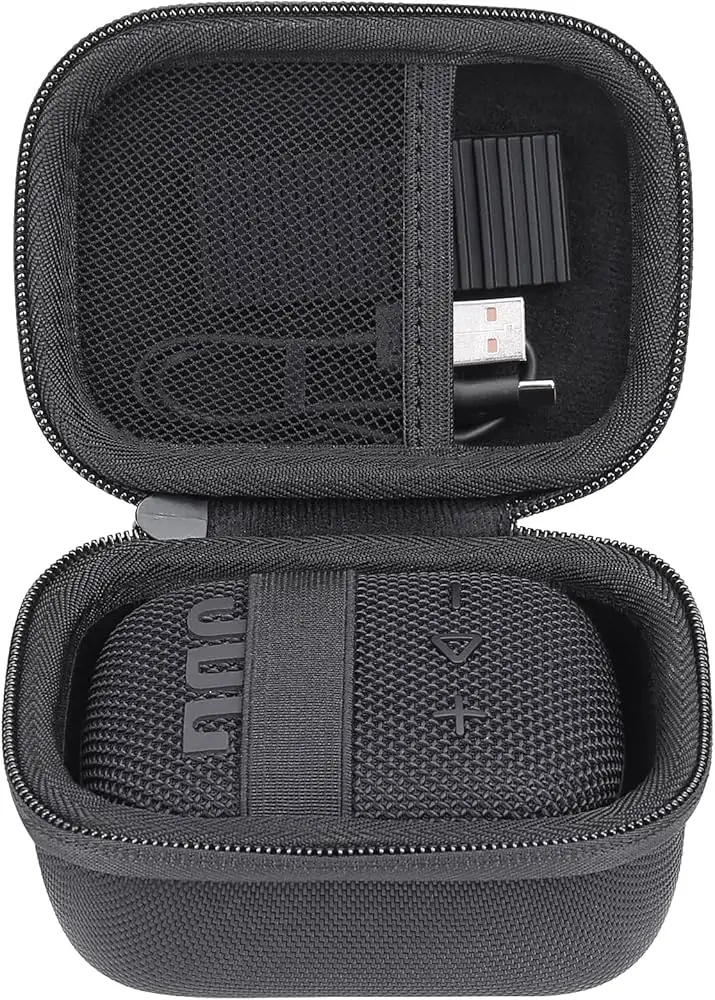
Community tips include waiting for seasonal sales or bundle offers, especially given the variability in mount satisfaction. Buying from retailers with robust return policies is advised to guard against fit or mount failures.
FAQ
Q: Does the JBL Wind 3 have strong FM reception?
A: Reception varies significantly. While some users pick up “most channels…extremely well,” others report “heavy static” and unusable stations. Environment and antenna orientation influence performance.
Q: Can it be used for phone calls while riding?
A: Yes, with its built-in microphone for hands-free calling. Several riders use it for trail communication, though wind and traffic noise can affect clarity.
Q: How waterproof is the JBL Wind 3?
A: Rated IP67, it is dustproof and survives immersion in water briefly. Riders in rain and dirt bike owners confirm it withstands wet, muddy conditions.
Q: Is the mounting bracket motorcycle-safe?
A: Officially designed for bicycles and motorcycles, but users caution that at higher speeds and on rough terrain, the clip “failed…when hitting a bump.” Consider aftermarket mounts for added security.
Q: How long does the battery last at full volume?
A: Heavy, high-volume use may drain the battery before the 5-hour mark. Moderate volume extends playback closer to the rated time.
Final Verdict: Buy if you’re a cyclist or outdoor worker seeking a portable, waterproof speaker with clear sound and easy Bluetooth pairing. Avoid if high-speed riding or heavy traffic demands maximum volume projection, or if you require reliable FM radio reception. Pro tip from the community: Replace the mount with a sturdier aftermarket option to get the most from the Wind 3 without risking drops.





