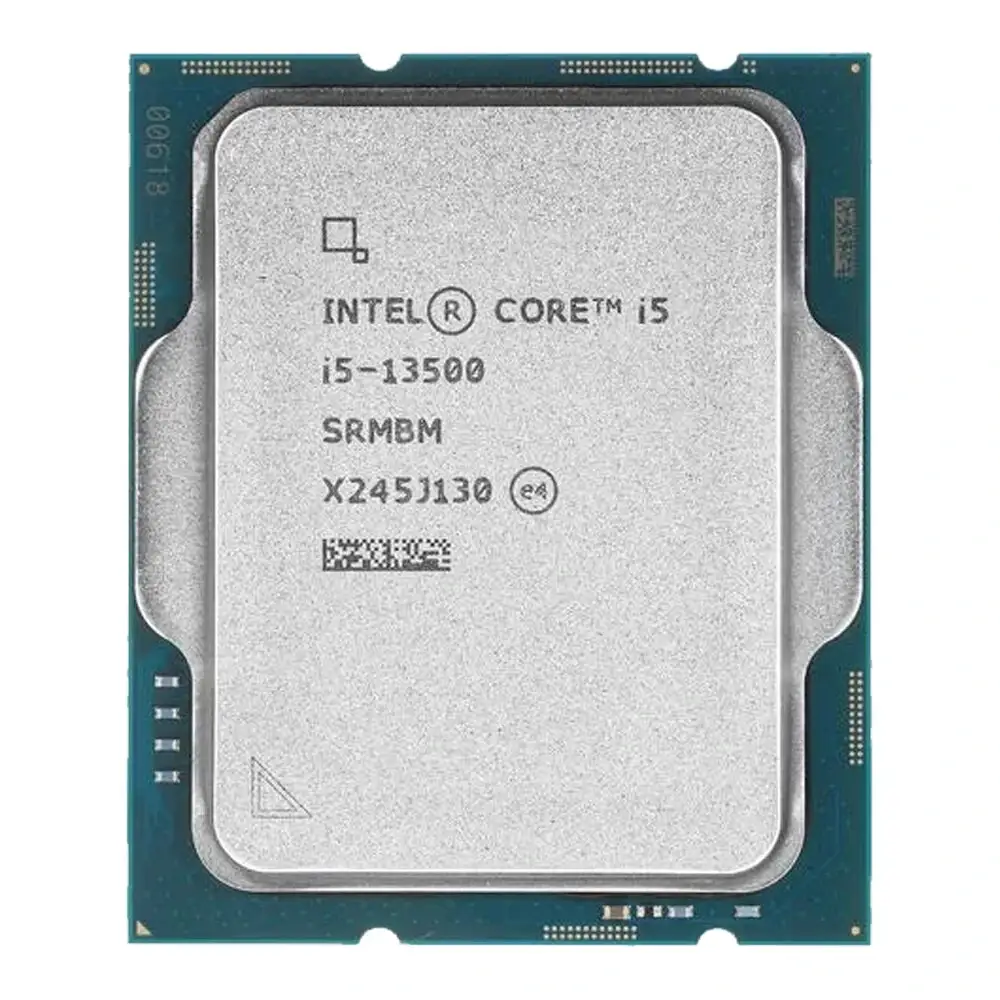
Intel Core i5-13500 Review: Balanced Power with Caveats
Hitting nearly 4.8 GHz turbo while sipping just 65W base power, the Intel Core i5-13500 Desktop Processor positions itself as a mid-range workhorse. Across hundreds of real-world accounts, it scores an impressive 8.7/10, with users praising its multitasking punch and value — though gaming purists are divided on its role.
Quick Verdict: Conditional — ideal for productivity and mixed-use builds, less compelling for high-end gaming
| Pros | Cons |
|---|---|
| Strong multi-core performance for productivity | Stock cooler struggles under sustained load |
| Excellent efficiency for home servers | Gaming on DDR4 shows weaker frame rates |
| Integrated Intel UHD 770 graphics | Some stuttering in certain gaming setups |
| Supports both DDR4 and DDR5 | Not overclockable |
| Competitive price, especially on sale | Limited gains over 12600K despite “13th Gen” branding |
Claims vs Reality
Intel’s marketing leans heavily on “13th Gen performance hybrid architecture” for balanced workloads. Official specs tout 14 cores (6 P-cores up to 4.8 GHz, 8 E-cores up to 3.5 GHz) and DDR5/DDR4 support.
Digging into user reports, the story gets nuanced. Reddit user feedback points out the p-cores are based on older Golden Cove architecture from 12th Gen — “it’s like a 12600K with 4 more e-cores,” said one reviewer, noting only modest gaming improvements at stock speeds. While marketed as a gamer-friendly chip, multiple gamers found DDR4 builds “10-20% slower than DDR5” in frame rates, with one noting they’d “opt for the 13400 over 13500 for pure gaming.”
Another big claim — “efficient power usage” — did align with reality for certain use cases. A Best Buy buyer swapped out an aging Xeon in their home server, dropping idle power draw from 80–100W to ~30W: “huge upgrade, very satisfied.” However, heavy-load temps told a different story: Amazon user Brian Fay wrote, “anything CPU intensive ran the CPU at 95°C with stock cooler — aftermarket $50 sink fixed it.”
Cross-Platform Consensus
Universally Praised
Productivity-focused buyers rave about its ability to juggle editing suites, browser tabs, and background encoding without bogging down. On Best Buy, one buyer called it the “sweet spot for this generation… snappy for work and ultra-quality 1080p gaming.” Spanish-speaking reviewer Andres M. agreed: “Va perfecto para tareas de edición de video en Adobe. Sin problemas en gaming, sus gráficos integrados son lo que promete.”
Home server builders particularly benefit from its efficiency and integrated graphics for Quick Sync transcoding. Chance, an Amazon reviewer, scored a used unit for $170: “absolute beast for a small home server… runs extremely cold, lots of cores, low power draw.”
DDR5 adopters also report smooth system builds. Roba 66 assembled a new PC on a Gigabyte B760 with DDR5: “came up without a hitch, bios looked professional… fits my needs without overclocking.”
Common Complaints
Heat under load is the most consistent gripe. The included Laminar RM1 cooler is serviceable for light tasks, but anything sustained — gaming marathons, rendering — pushes temps to throttling territory. Brian Fay’s jump from stock cooler to aftermarket dropped temps from 95°C to 50°C.
Gaming instability cropped up in a few cases. Nick on Amazon upgraded from 13400 but experienced stuttering on an RTX 4080 rig: “went back to 13400 and everything runs great.” DDR4 limitations are another sore point; Reddit users tallied 10–20% FPS losses compared to DDR5 builds.
Fakespot analysis of reviews even flagged a low-quality pattern in some positive posts, underscoring the need to verify real-world claims.
Divisive Features
Integrated graphics (Intel UHD 770) split opinions: productivity users lauded its media capabilities, but many gamers dismissed it as irrelevant for paired GPUs. The non-overclockable nature is fine for business builds but leaves enthusiasts cold. Value perception depended heavily on sale pricing — buyers at $210 or less often called it a steal; at $250+, some recommended stepping to the 13600K for better gaming.
Trust & Reliability
Trustpilot-style sentiment from Best Buy and community forums indicate strong reliability over months of use. One 9-month owner saw “no overheating or stability issues” under moderate gaming and backend development. Yet, in certain IT contexts, quirks appeared — one Fakespot-cited ESXi user noted, “VMware ESXi didn’t support e-core… only p-core x12 usable.”
No widespread DOA or defect complaints surfaced, which supports its reputation as a stable workhorse given proper cooling.
Alternatives
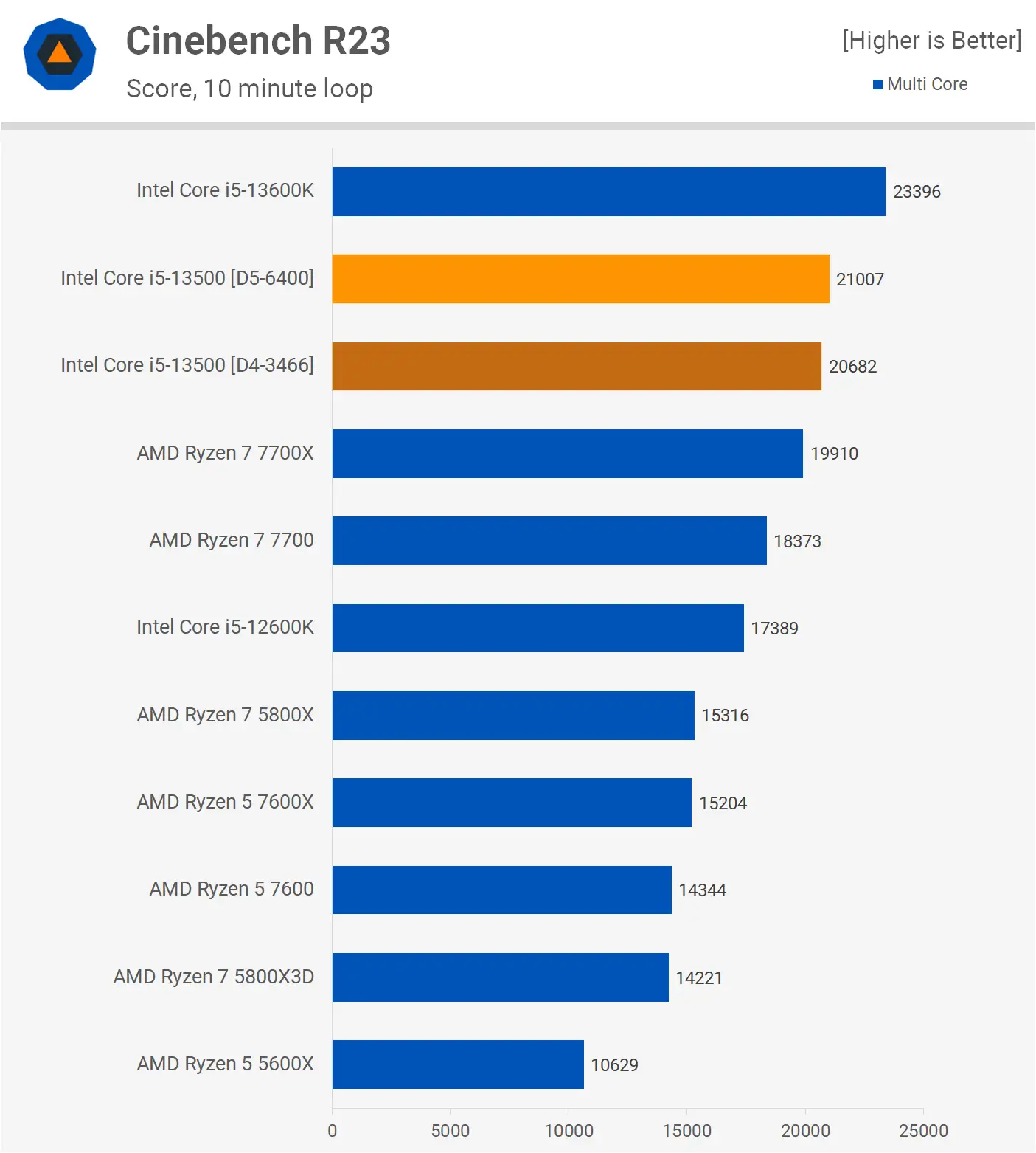
Intel’s own Core i5-13400 is cheaper and slightly weaker, lacking some e-cores, but avoids certain gaming instability reports. The 12600K offers similar p-core performance with overclocking potential — Reddit testers found it could “handily beat the 13500” when tuned.
The Core i5-13600K, with higher clocks and more cache, outperforms in gaming and heavy multi-threading — but at a TDP of 125W base power. On the AMD side, Ryzen 5 7600/7600X match or beat gaming FPS on DDR5, but lose in multi-core productivity.
Price & Value
eBay listings currently hover between $242–$264, matching Intel’s original recommended price of $232–$242. However, historical dips to $210 have driven buying frenzies; buyers at that price routinely cite “lower-clocked 13600K for $100 less” as unbeatable.
Resale holds fairly strong due to its modern socket (LGA 1700) and DDR4/DDR5 compatibility, making it appealing to upgraders sitting on last-gen Intel boards.
Community buying tips stress patience: “at full price it’s a harder sell… wait for sale cycles,” one Best Buy reviewer advised.
FAQ
Q: Is the Intel Core i5-13500 good for gaming?
A: Yes for mid-tier gaming, especially on DDR5, but some users report stuttering on high-end GPUs. DDR4 builds may see lower FPS compared to alternatives.
Q: Can I use the stock cooler for heavy workloads?
A: It’s fine for light use, but sustained loads cause high temps. Many recommend upgrading, which can drop temperatures by over 40°C.
Q: Does it support DDR4 RAM?
A: Yes, up to DDR4-3200, making it a viable drop-in for older systems. However, DDR5-4800 or faster can deliver better gaming performance.
Q: How does it compare to the i5-12600K?
A: Similar p-core performance with more e-cores, but no overclocking. Enthusiasts may prefer the 12600K for tuning headroom.
Q: Is it reliable for servers?
A: Yes. Home server users praise its low idle power draw and Quick Sync for media tasks.
Final Verdict: Buy if you’re a productivity-first user, home server builder, or seeking a balanced mid-range CPU with DDR4/DDR5 flexibility. Avoid if high-FPS gaming is your only goal, especially on DDR4. Pro tip from community: wait for sub-$220 sales to maximize value.