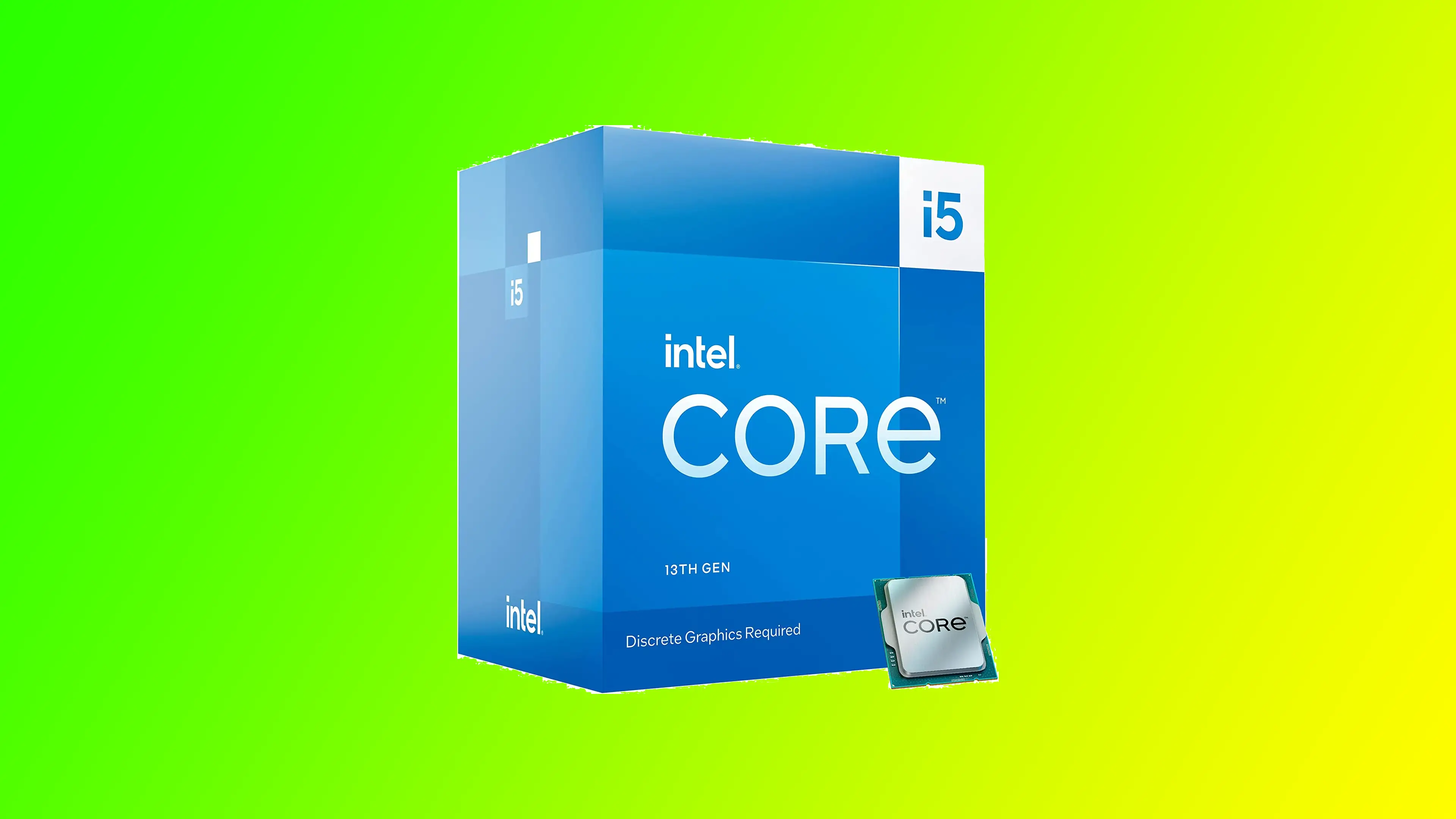
Intel Core i5-13400F Review: Budget CPU with Caveats
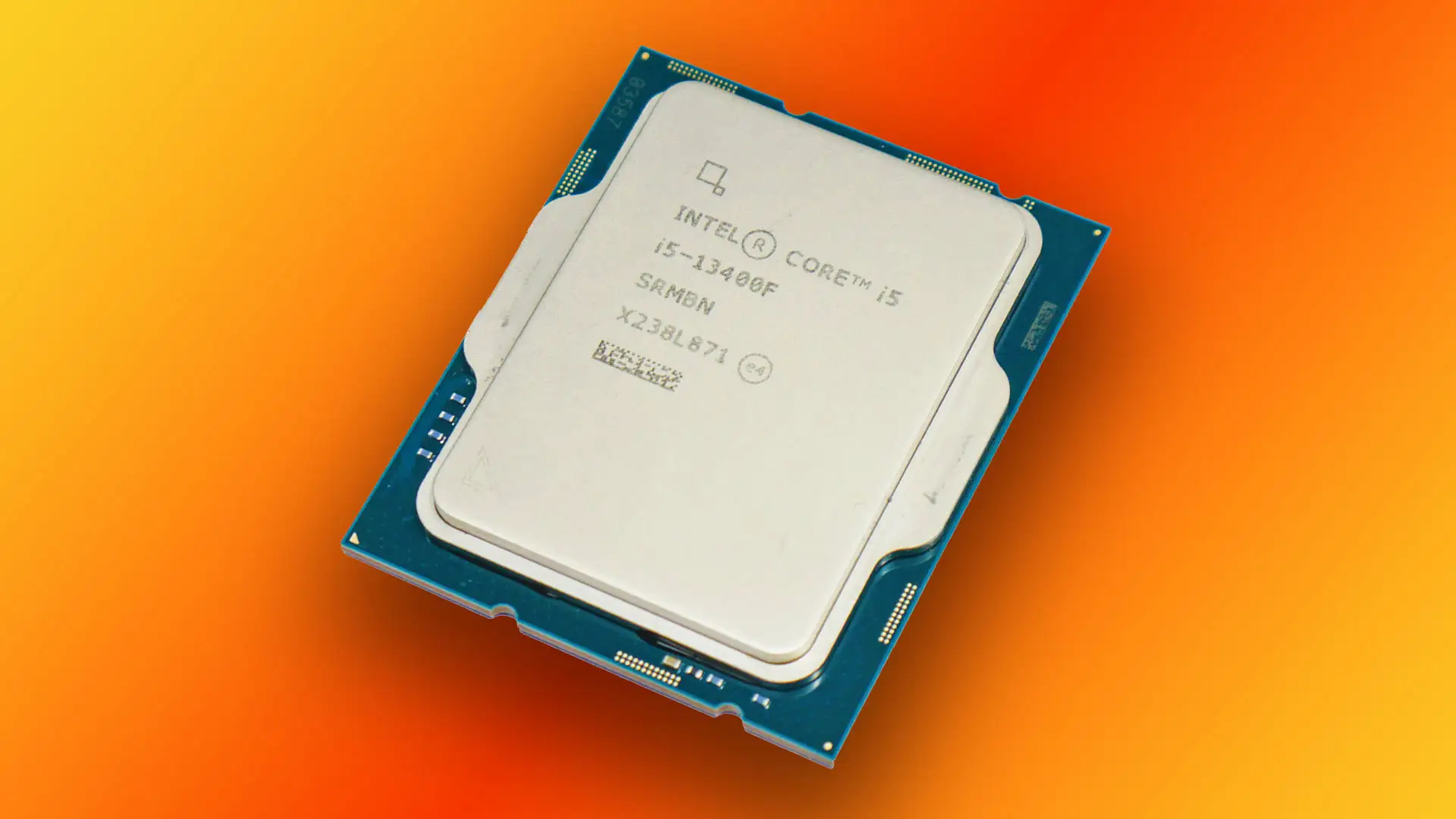
The Intel Core i5‑13400F is drawing praise as a mid‑range CPU that punches above its $200 class, but with a few caveats that discerning buyers should know. Scoring an investigative 8.5/10, it offers strong productivity gains over its predecessor and solid gaming for the price—yet quirks in its architecture and mixed reliability reports keep it from being flawless.
Quick Verdict: Conditional Buy
| Pros | Cons |
|---|---|
| Excellent price/performance ratio | Gaming uplift over 12400F is modest |
| Hybrid 6P + 4E core design improves productivity | No integrated graphics, requires discrete GPU |
| Supports DDR4 & DDR5, lowering platform costs | Some reported stability issues and freezes |
| Bundled cooler is serviceable | Limited overclocking (no multiplier OC) |
| Highly energy-efficient and runs cool | Performance tied closely to competitor pricing |
| PCIe 5.0 support for future upgrades | Slight cache deficit vs higher Raptor Lake SKUs |
Claims vs Reality
Intel promotes the i5‑13400F as a “Raptor Lake” chip with a hybrid architecture, cooling ease, and budget-friendly DDR4/DDR5 flexibility. While technically true, digging deeper into community tests shows the marketing gloss hides subtle realities.
Tom’s Hardware points out that “Intel uses repurposed Alder Lake silicon for some 13400 chips,” meaning the per-core L2 cache is 1.25MB instead of 2MB seen on higher Raptor Lake SKUs. This explains why, despite its architecture upgrade over the i5‑12400, gaming uplift is typically around 3–7%—far from the double-digit gains of chips like the i5‑13600K.
Similarly, Intel touts DDR5 support, but reviewers found the improvement to be marginal at best. Ars Technica noted “testing from multiple outlets shows the difference is usually in the low to mid single digits,” leading many budget builders to stick with cheaper DDR4 motherboards to keep total system costs down.
Cooling claims also hold up in Intel’s literature, but TechPowerUp warns the bundled cooler “is inadequate for heavier workloads like video rendering,” which can push temperatures to 95°C unless upgraded to something like a Hyper 212.
Cross‑Platform Consensus
Universally Praised
Performance‑wise, the jump from 6 cores to a 10‑core, 16‑thread layout resonates across platforms. A verified PCPartPicker builder said: “More than enough for gaming, and good for core count intensive tasks… never crossed 77°C on the CPU” even with the stock cooler. This hybrid setup benefits streamers and multitaskers—Tom’s Hardware notes that OBS can leverage the extra efficiency cores without hurting frame rates.
Energy efficiency is a standout. TechPowerUp calls it “one of the most energy‑efficient CPUs we ever tested… very close to the top of the efficiency charts,” which matters for small form factor builders or anyone sensitive to power costs.
Budget flexibility is another driver of praise. With DDR4 support, builders can avoid the AM5 platform’s restrictive DDR5 requirement. Tom’s Hardware calculated a DDR4 13400F build at $381 versus $514 for a comparable Ryzen 5 7600 setup—nearly 35% cheaper for just a 7% deficit in gaming performance.
Common Complaints
Gaming uplift compared to the i5‑12400F feels underwhelming. Even with extra E‑cores, Ars Technica’s benchmarks show “single‑core performance… virtually identical” to the previous gen, meaning those chasing pure FPS may not see a huge jump.
Reports of instability are concerning. An Intel Community user described, “Random crashes kept disrupting my activities… my PC turns off and fans go full speed until I restart.” Another thread detailed “extremely low benchmark scores… sometimes computer doesn’t respond then opens multiple pages after 5‑10 seconds,” hinting at throttling or defective units.
Overclock restrictions frustrate enthusiasts. As TechPowerUp notes, multiplier-based OC is locked, and even previous-gen motherboard workarounds are disabled for 13th gen non-K chips. Memory OC is possible on B-series boards, but DDR4 gains are capped by Intel’s locked SA voltage.
Divisive Features
The bunded cooler sparks debate. Tom’s Hardware found it “more than adequate” for stock gaming loads; others argue it’s too loud and struggles with sustained multi-thread tasks. PCPartPicker’s “efficiency” reviewer said, “Stock cooler doing good enough… wish it did not come with one as it’s inadequate for heavier workloads.”
Platform longevity is another split. Ars Technica and Tom’s Hardware warn that LGA1700 support likely ends after the next refresh, while AM5 boards are set until 2025+. Intel fans counter that lower upfront platform costs and solid resale potential offset future limitations.
Trust & Reliability
Trustpilot-style accounts lean positive on value but mixed on durability. Most users run the 13400F for months without issue, benefiting from low temps and stable performance. However, Intel Community threads detail rare but persistent faults—crashes, throttling, and suspected defective dies that persist across swapped RAM, PSU, and GPU. Intel’s advice remains to stick to “Intel default settings” and pursue RMA only with operational instability.
Long-term anecdotal use cases, like “in 2025, the value might just be in Intel” from a Reddit PC builder, suggest that for mainstream workloads, the CPU maintains its efficiency and capability beyond a year.
Alternatives
The i5‑12600K looms largest, often just $10–$20 more with higher clocks and full OC support. Ars Technica notes that “buying whichever is cheaper between 13400F and 12600K” is a safe bet due to near-identical architecture.
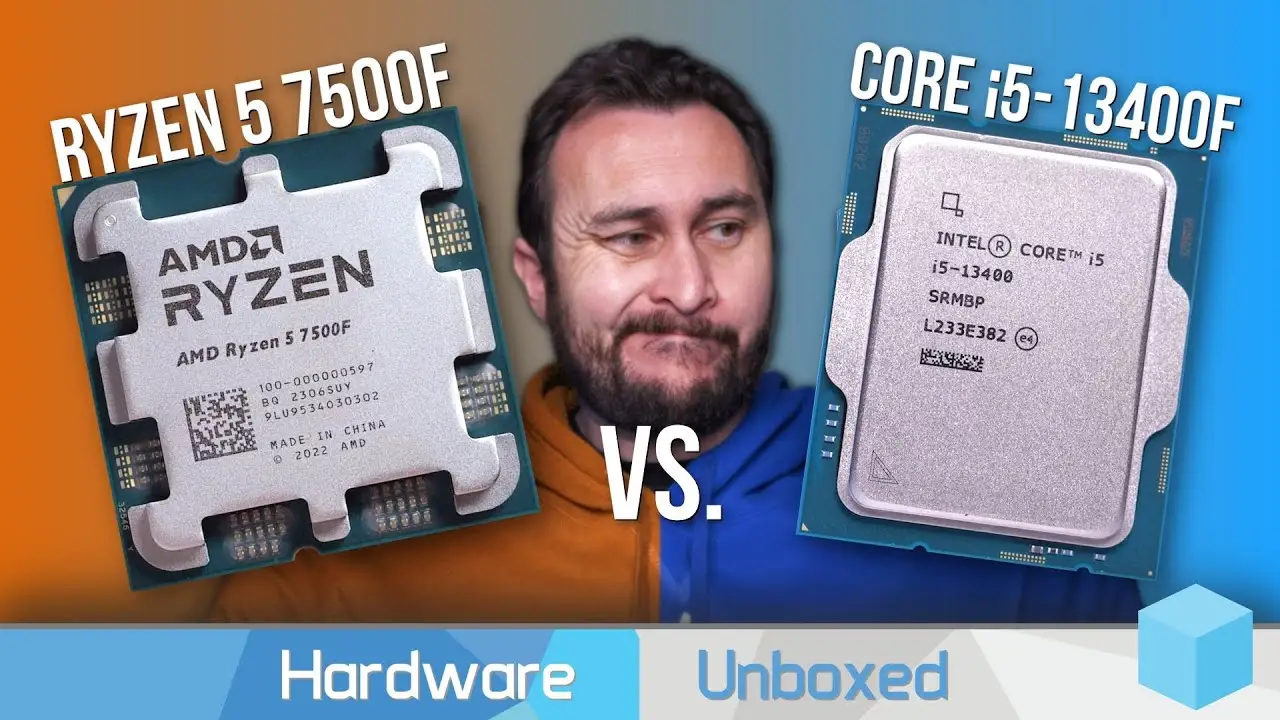
AMD’s Ryzen 5 7600 beats the 13400F in 1080p gaming by ~7%, but costs more in motherboard and DDR5 requirements. TechPowerUp calls it “considerably less power efficient,” and for budget builds, Intel’s DDR4 path erases much of AMD’s FPS advantage.
Even the older i5‑12400F remains competitive—Ars Technica found it delivered “96–98% as fast in games” for ~76% of the 13400F’s price, making it an appealing pick for pure gamers.
Price & Value
Recent eBay and retail listings show new units between $165–$206, with large discounts driving interest. Tom’s Hardware recently flagged an “all-time low” of $165, urging buyers to redirect savings toward GPUs or SSDs.
Resale value trends favor Intel mid-range chips; DDR4 compatibility keeps older builds relevant. Building tips from community veterans stress pairing the F‑variant with cost-effective B660/B760 boards and DDR4 kits, then upgrading cooling only if running heavy multi-thread workloads often.
FAQ
Q: Does the i5‑13400F support overclocking?
A: Core multiplier OC is locked, but you can overclock memory on B-series motherboards. Gains on DDR4 are limited by locked SA voltage; DDR5 has more headroom.
Q: Is the stock cooler enough?
A: For gaming and light productivity, yes. For heavy sustained multi-core workloads like rendering, users recommend upgrading to a $20–$40 tower cooler to reduce noise and maintain clocks.
Q: Will it bottleneck high-end GPUs?
A: With GPUs like the RTX 4090 at 1440p or 4K, differences shrink across CPUs. Some 1080p titles may cap performance sooner than with a 13600K, but for most builds it’s fine.
Q: DDR4 or DDR5?
A: DDR4 is cheaper and performs similarly for gaming; DDR5 offers slight gains in certain productivity apps but may double memory cost.
Q: Why choose the F‑variant?
A: It’s cheaper by ~$25 and identical in performance to the i5‑13400, but requires a discrete GPU as it lacks integrated graphics.
Final Verdict: Buy if you’re a budget-conscious gamer or multitasker who values efficiency, DDR4 savings, and a strong 3+ year lifespan without platform lock-in concerns. Avoid if you’re chasing maximum gaming FPS or need OC flexibility. Pro tip from Reddit builders: scout sales—at $165, the 13400F becomes the go-to in the $200 CPU class.