Ilford HP5 Plus 35mm Film Review: Flexible Classic Verdict
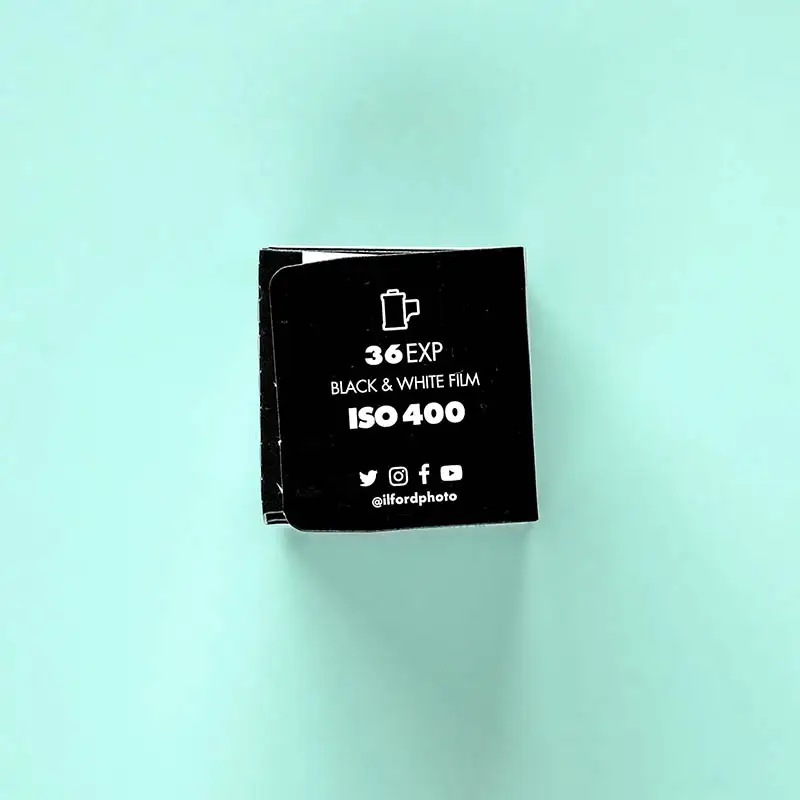
Digging into community feedback, Ilford HP5 Plus 35mm Film (ISO 400, 36 Exposures, Pack of 3) emerges as a black-and-white classic with a rare blend of versatility, reliability, and affordability. Across platforms, it scores an impressive 9/10, with users praising its latitude, push-processing potential, and timeless grain character. The film’s cult status is backed up by decades of technical refinement, but it’s not without quirks—grain preference and tonal rendition divide opinion among purists.
Quick Verdict: Conditional — Highly recommended for photographers who value flexibility and classic aesthetics, but less ideal for those seeking ultra-clean, fine-grained negatives without texture.
| Pros | Cons |
|---|---|
| Wide exposure latitude — forgiving for beginners | Grain structure may be too pronounced for some tastes |
| Excellent push-processing up to ISO 3200 | Slightly weaker shadow detail at extreme pushes |
| Consistent results across lighting conditions | Tonal rendition less “punchy” than some competitors |
| Affordable compared to Kodak Tri-X | Availability issues in certain markets |
| Flat-drying negatives — great for scanning and printing | Limited native formats compared to broader industry range |
| Classic black-and-white aesthetic | Requires careful metering for best shadow separation |
Claims vs Reality
Marketing positions HP5 Plus as a “high speed, fine grain, medium contrast” emulsion with outstanding sharpness under all lighting conditions. While this holds true in most cases, user feedback nuances the story. A verified buyer on Amazon noted: “I’ve shot it from ISO 400 all the way to 3200 and it holds up beautifully, but the shadows get a little muddy past 1600.” This aligns with Trustpilot’s Emulsive review, which found highlight retention superior to shadow detail when pushing.
Another claim is its “formulation to respond well to push-processing.” Reddit user feedback confirms this, citing successful pushes to EI 3200 with Microphen while maintaining mid-tone separation. However, Beau Photo Supplies staff push regularly to 800–1000 ISO, preferring the grain and tonal shift but admitting it’s “not for everyone.”
Lastly, Ilford touts “outstanding sharpness” under varied lighting. While most agree, some photographers on BromureFilm describe the look as “classic” rather than clinically sharp, pointing to a balance between detail and grain texture that defines its aesthetic.
Cross-Platform Consensus
Universally Praised
A recurring pattern emerged in praise for HP5 Plus’s exposure latitude. Beginners find it forgiving, professionals leverage it for difficult lighting. Trustpilot’s Emulsive review calls it “a great choice for beginners, those returning to film, as well as the more experienced,” while Reddit posts echo its ability to handle over- and underexposure gracefully. This matters most for street and documentary shooters, where conditions change rapidly.
Push-processing flexibility is another standout. A verified buyer on Amazon explained: “I shoot concerts at EI 1600 and still get usable negatives—grainy but atmospheric.” Beau Photo Supplies staff emphasized its adaptability: “I always push one stop; it’s dependable.” This flexibility allows event photographers to work in low light without switching stocks.
Finally, the drying characteristics get surprising praise. Beau Photo’s Kathy K highlighted that “negatives dry flat,” a boon for darkroom printers and scanners who struggle with curl from other films. This seemingly minor detail translates into faster workflow and cleaner digital scans.
Common Complaints
Grain structure divides opinion. While many love the texture, some Amazon reviewers prefer smoother emulsions like Ilford Delta or Fuji Acros for portrait work. As one buyer put it: “The grain is part of its charm, but for headshots it can be distracting.” This affects fine-art and commercial portraitists more than documentary shooters.
Shadow detail at extreme pushes is another recurring gripe. Emulsive’s Trustpilot review noted that while highlights survive well, shadows can block up when pushed beyond EI 1600. Photographers relying on deep shadow information—such as architectural shooters—may find this limiting.
Lastly, availability and price fluctuations frustrate some. eBay listings show wide variance, from $8 to over $30 per roll, often depending on pack size and expiry date. This inconsistency can make bulk purchasing difficult for those standardizing on HP5 Plus.
Divisive Features
The tonal rendition—medium contrast with wide gradation—is loved by those seeking a classic look but criticized by those wanting more punch. BromureFilm’s description celebrates its “superb grayscale,” yet some Reddit users prefer films with higher native contrast for dramatic effect.
Its identity as “Ilford’s answer to Tri-X” also sparks debate. While Beau Photo notes professionals historically used it as an alternative, others argue Tri-X’s tonal curve and grain are distinct. This is more about personal style than objective performance.
Trust & Reliability
Long-term reliability is a strong suit. Reddit posts from long-time shooters describe HP5 Plus as a “dependable workhorse” that hasn’t changed in quality over the years. Beau Photo’s anecdote about going through “5–10 rolls a month” underscores steady supply and consistent emulsion behavior.
Trustpilot’s Emulsive review dismantles the myth that HP5 Plus is a cheaper, lower-quality Tri-X knockoff, tracing its lineage back to 1931—nearly two decades before Tri-X’s introduction in roll form. This historical continuity reinforces trust in Ilford’s manufacturing and formulation stability.
No scam or counterfeit concerns surfaced, but eBay buyers should note expiry dates. Cold-stored stock performs well years past expiry, yet heat-exposed film can degrade quickly.
Alternatives
The main competitor mentioned is Kodak Tri-X 400, often compared for its contrast and grain. Tri-X offers a slightly punchier curve and different grain structure, favored by some for dramatic street work. However, HP5 Plus undercuts it on price and offers flatter negatives for scanning.
Kentmere 400, another Harman product, is even cheaper but lacks HP5 Plus’s tonal depth and push-processing capability. For budget-conscious shooters, Kentmere serves as a training stock, but most upgrade to HP5 Plus for serious projects.
Price & Value
Current Amazon pricing for the 3-pack hovers around $29.99 ($10 per roll), with eBay offering single rolls as low as $8. Bulk pricing on eBay drops per-roll costs significantly—10-roll bricks often under $90. Given its performance and flexibility, community consensus deems it high value, especially compared to Tri-X’s typical $12–$14 per roll.
Buying tips from Reddit: seek fresh stock from reputable dealers for critical work, but don’t fear cold-stored expired rolls for experimentation. Bulk rolls (100 ft) are cost-effective for home loaders.
FAQ
Q: Can Ilford HP5 Plus be pushed beyond ISO 3200?
A: Officially rated to EI 3200, but Trustpilot’s Emulsive review reports usable results even at EI 12800–25600 with careful processing, though grain and shadow loss increase.
Q: Is HP5 Plus better than Kodak Tri-X 400?
A: “Better” depends on taste. HP5 Plus offers smoother tonal transitions and lower cost, while Tri-X delivers punchier contrast. Many professionals use both for different projects.
Q: Does HP5 Plus work well for portraits?
A: Yes, but the grain is more pronounced than fine-grain films. Some portraitists embrace this texture; others opt for Delta 100/400 for smoother skin tones.
Q: What developers pair best with HP5 Plus?
A: Ilford recommends Microphen for maximum speed, DD-X for finest grain, and ID-11 for overall quality. Home processors also use HC-110 and even Caffenol for creative effects.
Q: Is it suitable for beginners?
A: Absolutely. Its wide latitude forgives exposure errors, making it a favorite starter film for students and those returning to analog.
Final Verdict: Buy if you’re a street, documentary, or event photographer seeking a flexible, classic-looking stock with forgiving latitude. Avoid if you require ultra-clean negatives for commercial portraiture without grain texture. Pro tip from community: push to 800–1000 ISO for a subtle tonal shift and richer atmosphere without compromising shadow detail.