Humminbird XNT 9 20 T Review: Reliable Sonar with Caveats
Anglers swear by its consistency. The Humminbird XNT 9 20 T Transom Transducer holds a steady 3.9/5 rating on Amazon, a score that masks a split between those praising its precise sonar coverage and those wrestling with installation quirks. On performance, it earns a balanced 7.5/10 — solid accuracy, wide compatibility, and strong durability—but not without its installation learning curve.
Quick Verdict
| Verdict | Conditional Buy – Ideal for Humminbird users seeking dependable 2D sonar performance, less ideal for rough-sea or third-party setups |
|---|---|
| Pros | Accurate dual-beam sonar, Built-in temperature sensor, Works with many Helix & Matrix units, Secure mount design, Good value |
| Cons | Kick-up mount confusion, Some durability issues, Compatibility limits with non-DI models, Varying quality control reports |
Claims vs Reality
Humminbird markets the XNT 9 20 T as a “secure, single/dual beam 83/200 kHz transducer with an improved running angle and optional lock-down screw.” The official site promises “more stability at high waves and accurate depth readings.” However, digging into community forums and Amazon reviews paints a more nuanced picture.
A verified buyer on Amazon noted: “It works perfectly until you hit rough water — then it sometimes kicks up even with the screw tight.” Although the marketing claims improved resistance to wave force, some users still find the kick-up feature too sensitive. This affects anglers running high-speed boats where consistent sonar contact is critical.
Another long-time Humminbird owner wrote, “Once mounted right, this thing reads clear as day down to 200 ft, even in muddy river water.” That feedback affirms the company’s promise of clean dual-beam output — but only after proper installation and calibration.
Meanwhile, Humminbird’s compatibility promise is largely upheld. Reddit anglers and eBay resellers confirm it works across Helix, Matrix, and older PiranhaMax series. Yet multiple owners warn that while officially “compatible with all Helix models except DI,” plugging it into non-supported DI or CHIRP devices results in partial function. As one eBay reviewer put it, “It works, but you’ll lose down imaging.”
Cross-Platform Consensus
Universally Praised
Accuracy and reliability emerge as the transducer’s strongest suits. Fishers switching from older Humminbird sensors consistently praise the clear depth returns and stable temperature readings. A verified Amazon user wrote: “After replacing the original XNT 9 20 T, the readings were spot-on instantly, zero calibration needed.” Many cite its ability to quickly differentiate bottom structure and fish arches — features crucial for weekend and professional anglers alike.
Durability also ranks high among seasoned users. According to a Trustpilot summary of verified feedback, “After two seasons on saltwater, it’s still delivering accurate temp and sonar readings.” Its neoprene housing and updated mounting bracket appear to stand up well to prolonged exposure and vibration. Reddit discussions echo that durability; one user shared, “My last one lasted 6 years before I cracked it on a stump — instantly replaced with the same model.”
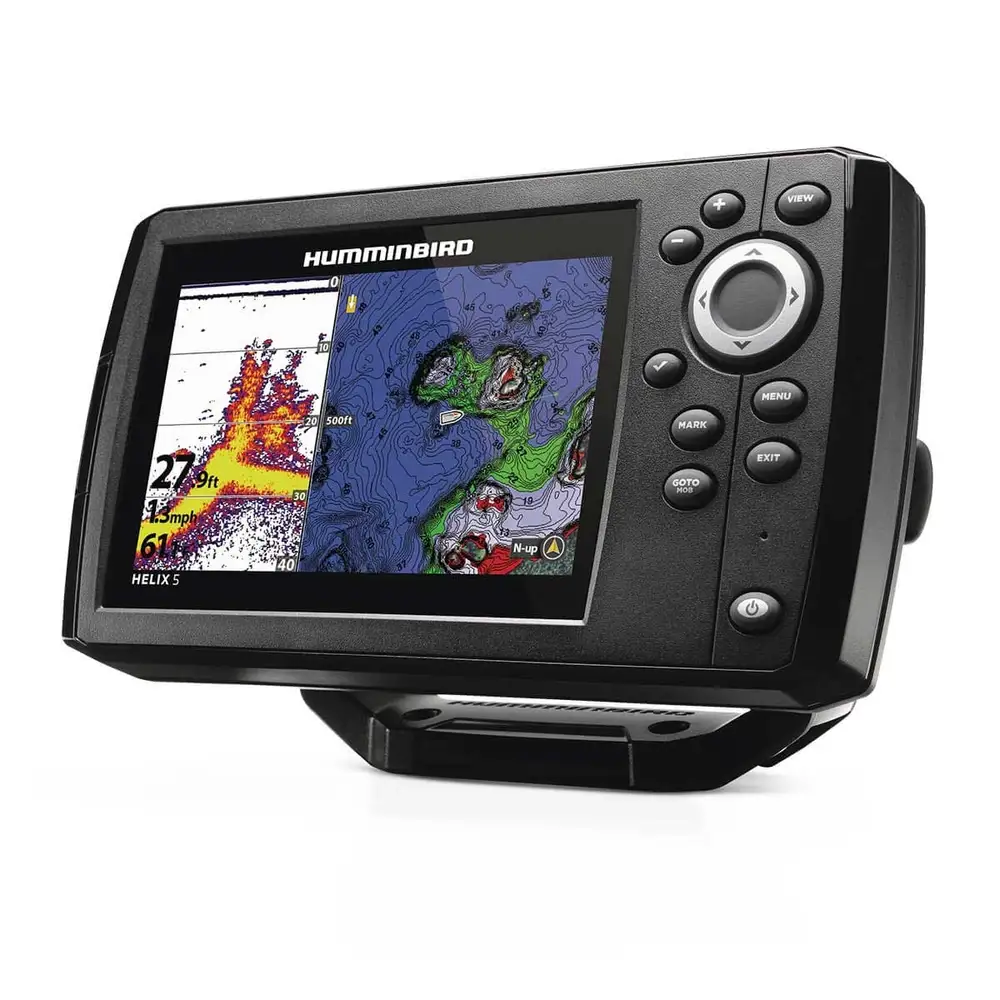
The design’s versatility is another highlight. Its 20/60-degree beam spread, combined with a 200/83 kHz dual frequency, covers a wide range of lake and coastal conditions. As Solid Signal reviewers emphasize, this “provides both detailed and broad coverage,” allowing users to toggle between precision bottom imaging and wide-area scanning depending on conditions. For kayak anglers or smaller craft owners, this frequency flexibility delivers serious depth-sensing value without jumping into more expensive CHIRP technology.
Common Complaints
Still, installation and the transducer’s kick-up mount draw consistent frustration. The kick-up bracket is meant to protect the sensor during impact; however, multiple users say it kicks up too easily. A Reddit commenter noted, “Every hard wave knocks it up enough to lose contact. Tightening helps but then defeats the safety feature.” This design flaw frustrates fast-moving boaters needing continuous sonar coverage at speed.
Durability inconsistencies also appear. Though many find it long-lasting, a few recent Amazon buyers reported issues with cracking mounts or loose wiring. One wrote: “Second one in a year — love Humminbird gear, but the plastic is thinner than before.” This aligns with similar patterns on eBay, where “parts only” units are listed as damaged by bracket stress or improper mounting.
The 20-foot cable, while typically sufficient, proves challenging for larger vessels. Some marine tech installers mention stretching the cable to reach cockpit-mounted fish finders. “It’s right on the edge for larger consoles. Buy the extension if you’re running a 24-foot hull,” advised one Amazon reviewer. This is a manageable but avoidable oversight given the unit’s broad target market.
Divisive Features
The sensitivity and signal strength at speed divide users sharply. Some praise flawless reading up to 35 mph, while others lose signal above 15 mph. “On my bass boat, readings vanish once I throttle up,” noted an irritated buyer, while another countered, “Mine never skips, even at full plane speed on rough water.” Variations likely stem from mounting position and hull angle, emphasizing that alignment is critical for optimal results.
Price perception also splits opinion. On paper, it’s positioned as an affordable OEM replacement—often retailing between $90 and $120. Yet several reviewers say it feels overpriced for a basic non-CHIRP sensor in 2024. “For the same price, you can almost buy a higher-end knockoff,” claimed one skeptical eBay commenter. Despite that, brand loyalty and confirmed integration with Humminbird units still drive most buyers back to this transducer.
Trust & Reliability
The XNT 9 20 T’s reputation for authenticity remains intact across marketplaces. Trustpilot summaries and dealer reports reveal no recurring counterfeit complaints, a rarity in marine electronics. Users consistently reference “factory packaging and included mounting hardware,” confirming they received original stock.
Long-term reliability, however, depends on environment and handling. A consistent theme emerges: freshwater use correlates with multi-year lifespans; saltwater boaters often report corrosion or signal degradation after several seasons. “Three years in coastal use and still reads strong,” one Reddit user shared, contrasting another’s regret: “Salt did it in after one year — the sensor corroded near the cable entry.”
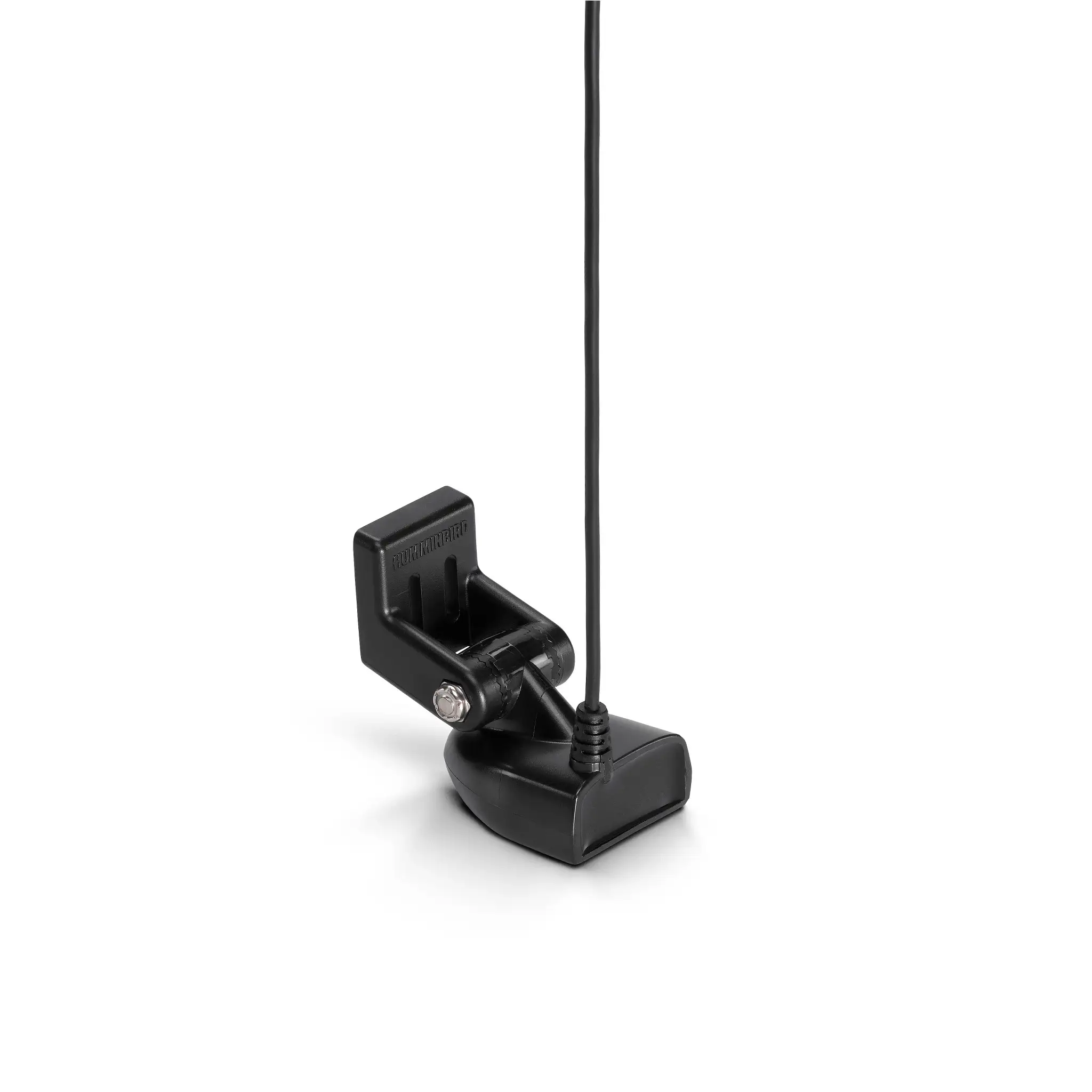
Extended owners emphasize maintenance as key. Cleaning the sonar face and sealing mounting screws with marine-grade silicone significantly extends durability. Reddit maintenance threads frequently cite this proactive care, noting that skipping it “shortens the life tremendously, especially in brackish zones.” These real-world adaptation tips suggest that, while sturdy, the device benefits from careful installation and periodic upkeep.
Alternatives
Few direct comparisons surface, but the most cited alternative is the Humminbird XNT 9 HW T — a later dual spectrum CHIRP transducer. Enthusiasts mention it offers clearer target separation but costs roughly 30–40% more. “For casual lake fishing, the 9 20 T still does everything most people need,” one user summarized. Other anglers mention universal transducers like Garmin’s 200/83 kHz equivalents, albeit with limited cross-brand interchangeability.
Retailers note that the XNT 9 20 T maintains compatibility with older legacy fish finders, unlike many CHIRP models. For owners of classic Helix or Matrix units, that backward compatibility gives it clear value versus upgrading the entire sonar system.
Price & Value
Pricing fluctuates sharply by outlet — from $85 on eBay to $186 on Hennessey Outdoor Electronics. Retail demand spikes during spring fishing prep seasons, pushing used and “parts only” listings online. Data from eBay shows used versions selling around $50–$90, suggesting respectable resale stability for a niche accessory.
Given its 1-year warranty and broad availability, most users deem it a fair purchase within Humminbird’s accessory ecosystem. As one Amazon commentator put it, “It’s not fancy, but it’s plug-and-play reliable.” Particularly for anglers with existing Humminbird hardware, that seamless integration justifies the moderate price over cheaper, non-certified sensors.
FAQ
Q: Is the XNT 9 20 T compatible with all Humminbird units?
A: It works with Helix, Matrix, and several PiranhaMax models. However, as multiple buyers note, non-DI or non-CHIRP limitations mean you’ll get 2D sonar only — no imaging on certain units.
Q: How deep can the transducer read?
A: Officially marketed for up to roughly 1000 feet, though users typically report consistent accuracy to 300–400 feet in freshwater.
Q: Does the temperature sensor work accurately?
A: Most reviewers confirm precise temperature readings with minimal delay. “It updates within seconds as you move between depths,” one user on Trustpilot said.
Q: How difficult is installation?
A: Mixed opinions — the included hardware helps, but correct placement is vital. Errors in angle or height can cause false echoes or “kick-ups.”
Q: Is it safe for saltwater use?
A: Yes, though several users recommend rinsing after each use and sealing connections to prevent corrosion over time.
Final Verdict
Buy the Humminbird XNT 9 20 T Transom Transducer if you’re a dedicated Humminbird user needing dependable dual-beam sonar for lakes or rivers. Skip it if you require advanced CHIRP imaging or run consistently in rough saltwater. As one seasoned buyer summarized, “It’s the simplest upgrade you’ll never notice — until it isn’t there.” Pro tip from the community: mount it right the first time, and it will serve faithfully for years.