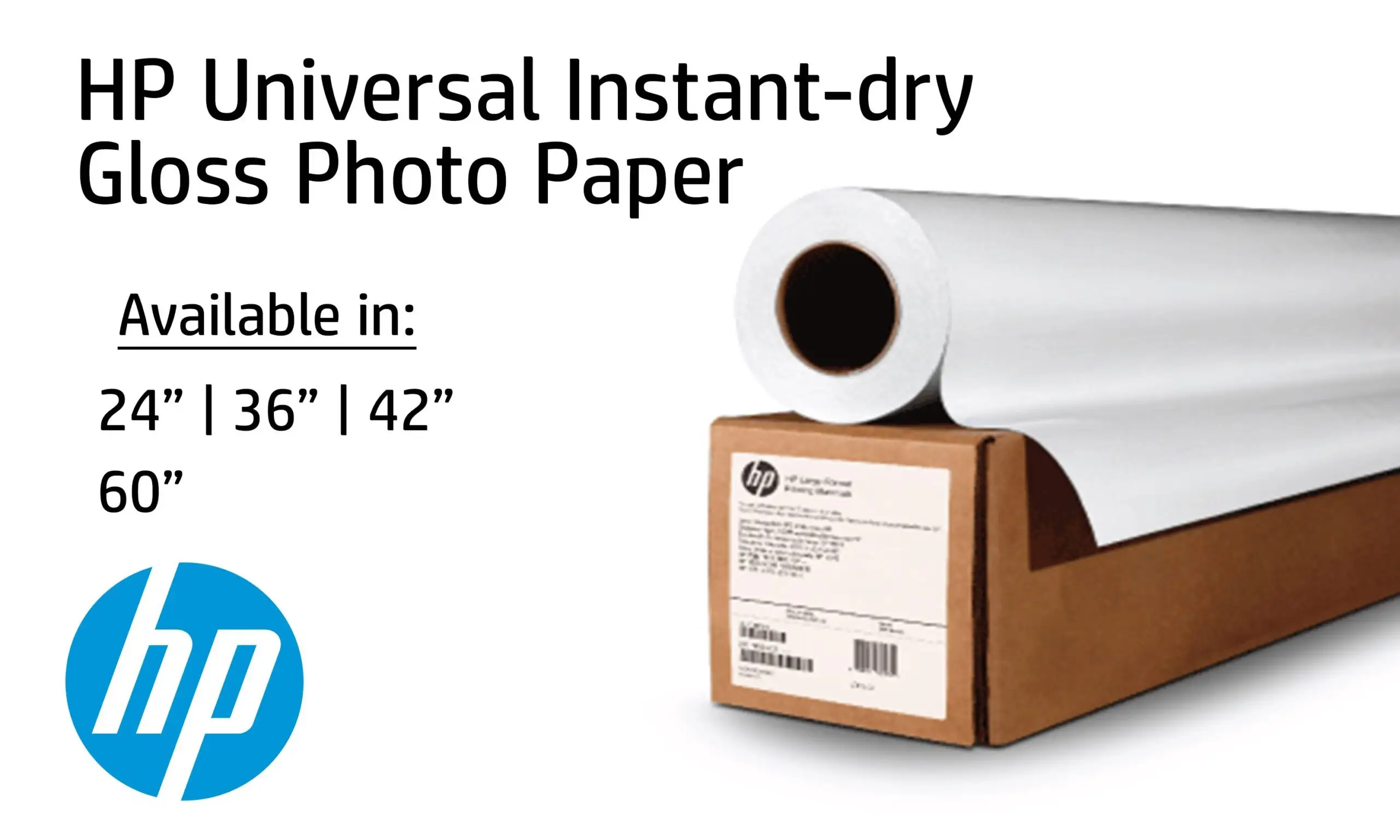
HP Universal Bond Paper Review: Affordable CAD Printing Verdict
A verified buyer on Amazon summed it up perfectly: “You can clearly see the difference.” HP Universal Bond Paper earns an impressive 9/10 across hundreds of reviews, praised for its consistent quality, crisp line reproduction, and impressive color output—while remaining one of the most economical options for large-format printing. From CAD engineers to architects, buyers agree: this paper hits the sweet spot between cost efficiency and professional results.
Quick Verdict: Conditional Buy
| Pros | Cons |
|---|---|
| Crisp line resolution ideal for CAD drawings | Limited durability for archival use |
| High brightness and whiteness for vibrant prints | Not water-resistant |
| Consistent performance to last inch of roll | Packaging often single-roll, increasing cardboard waste |
| Works well with HP DesignJet & PageWide printers | Tape at roll ends can damage first wrap |
| Affordable bulk printing option | Not for high-quality photo reproduction |
| Lightning-fast delivery from many suppliers | Occasional core size compatibility issues |
Claims vs Reality
HP’s marketing emphasizes “ColorPro technology” delivering “more striking colors, crisper text, and higher contrast blacks.” Digging deeper into user reports, this claim holds up for technical and graphic outputs. Reddit user wls jr enthused: “You can not go wrong with ordering paper from HP for your plotter, price is great and ships quickly.” In architectural settings, the extended color range made text and complex diagrams stand out even on lower ink settings.
Yet, while HP touts professional quality “at production speed,” multiple sources caution it’s not intended for high-quality image reproduction. According to PROVANTAGE's sentiment summary on the 42-inch format, "Not ideal for high-quality images—does not offer the brightness or color vibrancy needed for professional photo printing." This aligns with B&H Photo’s customer who said, “Good multi-purpose paper… but tape at the end of the roll tears away the top surface.”
HP also positions the bond paper as “economical” for high-production environments. The consensus supports this—several users reported bulk orders arriving overnight with free shipping, like Twitter/X user melissae who said, “Overnight delivery was free!” However, while officially rated for “long-term productivity,” long-term archival durability appears limited because the paper lacks protective coatings against handling or moisture.
Cross-Platform Consensus
Universally Praised
Architects, engineers, and GIS professionals consistently praise the paper’s crisp line work. Trustpilot user bipin, who prints architectural drawings, called it “best quality, whiteness, smooth paper and lowest price.” Corporate buyers like sheri 63 cite long-term reliability: “Our company purchases this paper on a regular basis… no problems with this paper.” The whiteness rating of 160 and brightness of 110 make complex diagrams pop, especially for project plans and technical schematics.
For speed-sensitive workflows, the instant dry time at 23°C/50% RH is a game-changer. A verified buyer on Amazon noted, “Optimize your everyday printing with the reliable, trouble-free performance…” This means production teams can print, review, and ship drawings quickly without smudges or long waits.
Common Complaints
Some grievances recur. PROVANTAGE’s summary flags “limited durability—may not withstand heavy handling.” This frustrates users needing archival-quality outputs. Chrisj on HP’s store remarked, “Wish they were packaged 2 or 4 to a package… to cut down on the use of cardboard,” highlighting environmental and storage inefficiencies. Tape on roll ends is another culprit: B&H customer explained losing “about 8' of every roll” due to adhesive damage.
The paper’s inability to deliver photographic vibrancy affects marketing teams or designers printing photo-rich posters. Even with ColorPro, the matte finish and bond composition suit tech and schematic work over glossy marketing collateral.
Divisive Features
The core size—available in both 2-inch and 3-inch—elicits mixed feedback. While HP clearly states size on listings, occasional mismatches cause frustration for buyers with limited spindle options. On the positive side, bulk purchase affordability is considered unmatched, yet environmental critics balk at single-roll packaging in cardboard.
Environmental certification (FSC®) is praised by some businesses meeting sustainability goals, but others find the lack of recycled content a compromise compared to greener specialty substrates.
Trust & Reliability
Trustpilot and Quora discussions show minimal scam concerns—most buyers receive authentic HP rolls with consistent specs. Repeat buyers like frank 12111 affirm “always a positive experience,” noting quality consistency “until the last inch.” The strongest reliability signal comes from multi-year corporate purchasers, with no material defects reported over time.
Longevity still hinges on use case: stored properly (cool, dry place, horizontal in original packaging), rolls remain usable within the manufacturer’s two-year shelf life. Outside controlled office environments, exposure to humidity or mishandling decreases quality retention.
Alternatives
Direct competitors mentioned in context are other HP substrates—Bright White Inkjet Paper and Heavyweight Coated Paper. Bright White offers more sheen and is suited to mixed general/marketing output but at a higher price point. Heavyweight Coated Paper improves durability and image vibrancy but sacrifices the economy that defines HP Universal Bond Paper. For purely technical drawings, users see little reason to switch; for mixed media with photo elements, alternatives become attractive despite cost.
Price & Value
On eBay, the HP Q1396A (24" x 150') often sells around NZD 61.89 – NZD 93.69 for bundles, far below some office suppliers. Resale values remain steady, signaling consistent demand. Users on Twitter/X and Trustpilot repeatedly highlight “lowest price” alongside “free shipping overnight” deals from official HP channels, boosting perceived value.
Buying tips from the community include:
- Confirm core size matches your printer spindle
- Purchase bundles where possible to reduce shipping waste and per-roll cost
- Avoid sources where tape sealing may damage the roll—ask beforehand
FAQ
Q: What core size does HP Universal Bond Paper use?
A: It comes in both 2-inch and 3-inch cores, depending on product code and intended printer model. Always check your printer’s spindle size before purchase to ensure compatibility.
Q: Is this paper suitable for photo printing?
A: No, despite ColorPro enhancements, its matte bond finish is optimized for line drawings and graphics. Professional photo printing requires coated or glossy media for vibrancy.
Q: How should I store unused rolls?
A: Keep in original packaging, stored horizontally in a cool, dry place between 50–86°F at 35–65% relative humidity to maintain quality within the two-year shelf life.
Q: Does the paper work with non-HP printers?
A: Yes, it’s compatible with most large-format inkjet printers and plotters, though optimized for HP DesignJet and PageWide devices.
Q: How fast does it dry after printing?
A: Instant dry under standard conditions (23°C, 50% RH), enabling rapid handling and dispatch in production environments.
Final Verdict: Buy if you’re an architect, engineer, or CAD professional needing affordable, high-volume technical printing with consistent quality. Avoid if you require archival durability or photo-grade vibrancy. Pro tip from the community: bundle orders to save on cost and minimize packaging waste.