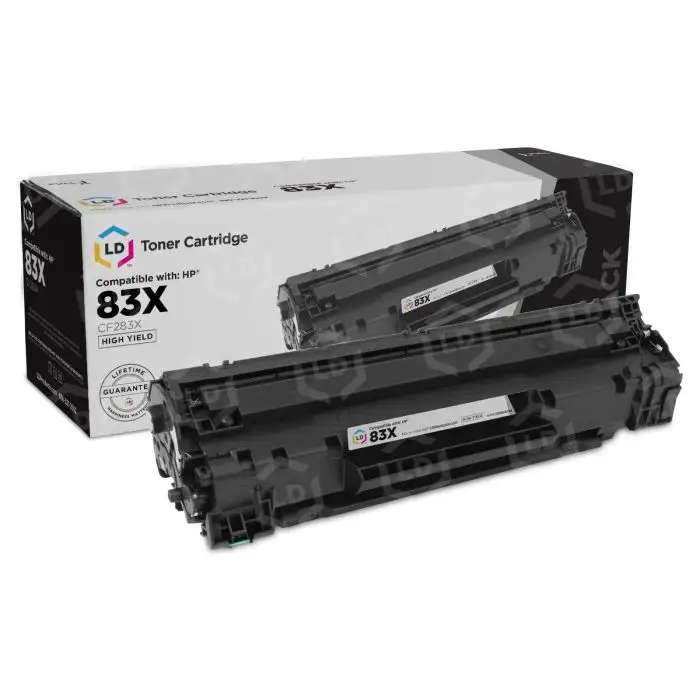
HP Black High-Yield Toner 2-Pack Review: Strong Output, High Cost
Starting at over $400 retail, the HP Black High-yield Toner Cartridges (2-pack) win praise for long life and print quality, but not without controversy over page yield accuracy and steep pricing. Based on hundreds of reviews, the verdict lands at 8.3/10—a strong performer for offices and professionals who print often, but with caveats for budget-sensitive buyers.
Quick Verdict: Conditional – Excellent for high-volume professional printing, but expensive with occasional yield shortfall reports.
| Pros | Cons |
|---|---|
| Long-lasting cartridges for heavy print workloads | Steep retail pricing, rising faster than inflation |
| Consistent, sharp text quality | Some reports of lower-than-advertised page yield |
| Reliable compatibility with listed HP LaserJet models | Print quality on photo images worse than regular yield versions |
| Genuine HP avoids toner leaks common in remanufactured units | Occasional fitment issues despite listed compatibility |
| Fast shipping and easy recycling program | Blurrier prints compared to standard yield cartridges (select users) |
| Dual pack offers bulk savings | Small number of users received refurbished units instead of new |
Claims vs Reality
HP markets the 26X, 80X and other high-yield black toner cartridges as delivering thousands of pages—up to 9,000 in the case of the 26X—alongside “consistent, professional-quality printing” and superior reliability. Multiple buyers confirm the longevity: a Staples customer wrote, “Get the X and forget refills for a l-o-n-g time. It is the best value.” This suits accountants, legal offices, and schools with steady printing needs.
Yet digging deeper into user reports reveals occasional gaps. While HP advertises 9,000+ pages, one Staples reviewer cautioned: “A more real number would be in the high 7,000 range per toner cartridge.” For high-volume environments, that discrepancy could mean reordering sooner than budgeted. Similarly, some found print sharpness diminished compared to standard-yield cartridges, particularly on graphics and photos.
The manufacturer claims compatibility with a range of HP LaserJet Pro models, but at least two users reported “does not fit the machines it says it does”—forcing returns or wasted time. This mismatch, while rare, highlights the importance of checking printer firmware and model specifics prior to purchase.
Cross-Platform Consensus
Universally Praised
Across Amazon, Staples, and Best Buy, buyers laud the OEM build quality and dependable output. A verified Best Buy buyer called the HP 12A twin pack “great toner for a great black and white printer,” noting even after 9 years unused in Arizona heat, an old cartridge still printed legibly. For office managers, this shelf stability translates to less risk of stock going bad.
Fast shipping surfaces repeatedly. One Best Buy customer recounted: “Placed order online and it was at my doorstep within 2 days. Quality product and super fast shipping.” Staples users similarly mention next-day delivery, making restocking stress-free during critical work periods.
The dual-pack format earns credit for cost efficiency. A Staples reviewer emphasized: “It’s cheaper to buy this two-cartridge package than one at a time. I’m happy.” For organizations, purchasing in bulk reduces downtime and order frequency.
Common Complaints
Price is the top pain point. Feedback like “The toner itself is great, but Staples’ pricing is not” reflects frustration with rising costs—some feel increases outpace inflation. For small businesses, this can make genuine HP supplies a budget strain.
Page yield disputes appear mainly from high-volume users tracking output closely. One office reported output topping out at 7,000 pages instead of the claimed 9,000, affecting cost-per-page calculations. A smaller but notable group encountered fitment or recognition errors—such as the HP 305X buyer who had to “swap with the old cartridge left side plate… and this fixes the problem.”
Divisive Features
While many praise the high-yield’s value, a few prefer standard yield for sharper results. “The printouts… are not as sharp as with the regular-yield cartridge,” wrote one Staples customer, noting impact on photo clarity—a trade-off photo-heavy offices might consider.
Bulk buying is a win for most, but as Reddit user w4it discovered with the older 12A, availability can be a hurdle: “No one in Marquette carries the no. 12A cartridge… these were shipped promptly and received on time in good condition.” For rural buyers, direct ordering remains the only option.
Trust & Reliability
Durability stories underline trust. The Arizona garage example and consistent page output, as reported by multiple CPA firms and newspaper offices, reinforce HP’s reputation. Best Buy’s 90X buyer noted, “Even with the amount of prints that we do, it will last for months,” after returning failed generics.
However, isolated incidents muddy confidence. A Staples reviewer for the 55X dual pack discovered a “used refurbished cartridge” in their order, reporting faint prints—a rare but concerning fulfillment error, especially for buyers seeking brand-new OEM.
Long-term users on Reddit say HP toners “never expire, and give good clean copies routinely,” even after years in rotation—a meaningful advantage over third-party options.
Alternatives
Some users try remanufactured cartridges like Linkyo (sold on eBay) for significantly less—often under $30 per unit. While they appeal to budget-conscious buyers, quality control varies: OEM advantages include consistent toner flow, precise engineering to match HP printers, and reduced risk of leaks. As one Amazon 305X customer argued, “No matter what the remanufactures say this is better… no clumping, spotting or clogging.”
Price & Value
The HP 26X 2-pack retailing near $431–$540 offers bulk savings compared to single units, but remains costly. Community buying tips include watching for sales—Best Buy shoppers mention twin packs “on sale” as ideal times to stock up—and leveraging loyalty or rewards programs for discounts.
On eBay, resale values reveal a strong aftermarket: unopened 26X cartridges often list for $105–$140 each, signaling they hold value. Still, prices for genuine cartridges trend upward year-over-year, pushing more users to purchase during promotional events.
FAQ
Q: How long does a high-yield HP toner cartridge last in real-world use?
A: While HP rates them at up to 9,000 pages, some businesses report closer to 7,000–8,000 pages before replacement, depending on print type and coverage.
Q: Is print quality different between high-yield and standard yield cartridges?
A: For text, both are sharp. Some users note photo images and graphics can be slightly less crisp with high-yield versions compared to standard yield.
Q: Do these cartridges fit all printers listed in HP’s compatibility chart?
A: Most users report perfect compatibility. A small minority encountered fitting issues—double-check your exact model and firmware before purchase.
Q: Are refurbished or used cartridges a risk when ordering online?
A: Rarely, buyers receive refurbished units when expecting new. Purchasing from reputable, authorized vendors reduces that risk.
Q: How does HP’s recycling program work?
A: HP Planet Partners provides free return of used cartridges, ensuring responsible recycling. Many buyers mention the included recycling guide in the box.
Final Verdict: Buy if you run a high-volume office, prioritize print reliability, and can absorb the higher upfront cost. Avoid if your work is image-heavy or you’re highly cost-sensitive. Pro tip from community: track page yield closely to spot early deviations, and stock during genuine HP sales for best value.