HP 55X Toner Review: Reliable, but Pricey (8.1/10)
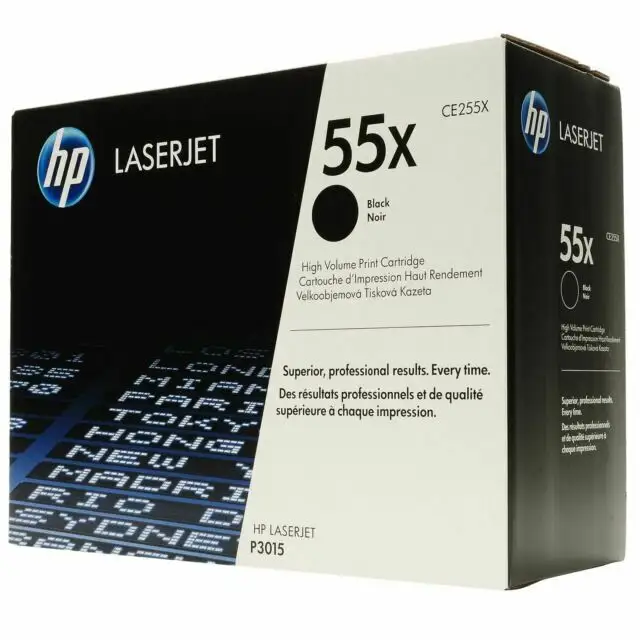
A Staples reviewer summed up the appeal in four words: “always lasts… never had any issues at all.” That’s the promise people chase with HP 55X Black High-yield Toner Cartridge—steady output, fewer swaps, fewer surprises—yet a smaller set of buyers describe the exact opposite experience. Verdict: 8.1/10 based on cross-platform feedback emphasizing reliability and print quality, tempered by price frustration and occasional “used/defective” complaints.
Quick Verdict
Yes—conditionally. If you need dependable, high-volume printing and want to avoid “hit or miss” third-party cartridges, the HP 55X Black High-yield Toner Cartridge gets consistent praise. If budget is the main constraint, users repeatedly call it “too expensive,” and a handful report receiving cartridges that seemed previously used.
| Decision | Evidence from feedback | Who it fits best |
|---|---|---|
| Buy | “always lasts to the minimum number of copies or longer” (Staples) | Offices with steady print volume |
| Buy | “produces clean, clear, professional looking documents” (Staples) | Legal/tax/accounting workflows |
| Conditional | “these are expensive” (Staples) | Small businesses watching costs |
| Avoid if risk-averse on sellers | “printer indicated that it was a used refurbished cartridge” (Staples) | Buyers burned by marketplace fulfillment |
| Consider alternatives | “off brands… can be hit or miss” (Staples) | Those willing to trade risk for savings |
Claims vs Reality
HP’s official messaging leans hard on “trouble-free printing” and “consistent results,” and many customers echo that experience—especially those who stick to OEM. One Staples reviewer described it as essentially set-and-forget: “oem hp toner is the best. always works, never expires, and gives good clean copies routinely.” For office managers who can’t afford downtime, that “always works” refrain shows up often.
Digging deeper into the “high yield” claim, the official yield is commonly cited around 12,500 pages (and in some listings up to 13,500 pages depending on printer model). The lived experience mostly supports the idea that it lasts longer than standard cartridges. A Staples customer put it simply: “lasts a lot longer than regular 55.” Another praised durability and output together: “high quality toner with great yield.”
But the reality is also messier than the marketing. While officially rated for high yield, at least one reviewer reported coming up short: “the number of pages i got to print was way below what us projected on your web site” (Staples). And a separate complaint reads like a worst-case scenario for anyone buying “new”: “this printed like it was already used… very lightly showing on the right side of the page” (Staples). That gap matters most for buyers who purchase through third parties or resellers and can’t easily verify provenance.
Cross-Platform Consensus
Universally Praised
The clearest consensus centers on print quality that looks “professional”, which is exactly what high-stakes document workflows demand. One Staples reviewer called the output “clean, clear, professional looking documents,” and another emphasized sharpness: “it is crisp and clear.” For accountants, attorneys, and any office producing client-facing paperwork, those comments aren’t aesthetic—they’re about credibility. Even a short endorsement like “works like it's supposed to” (Staples) reads as a relief in a category where failures can cost time and reprints.
A recurring pattern emerged around reliability over experimentation. Buyers who have tried cheaper options often come back to OEM. A Staples customer framed it as a hard lesson: “hp brand always works well… off brands of toner cartridges can be hit or miss.” Another went further, warning that the off-brand promise doesn’t match reality: “buy the brand name you will get better yield… the off-brand is nothing close to yielding the same amount of ink” (Staples). For teams printing daily—shipping labels, invoices, compliance forms—predictability becomes the feature.
Delivery and purchasing experience also show up as a practical win for busy offices. One reviewer described service speed as part of the value: “hp always sends it quickly. usually within 48 hours. excellent customer service.” Another echoed fulfillment satisfaction: “delivered next day. works great” (Staples). For organizations that run close to empty and can’t pause operations, those shipping stories translate directly into uptime.
After those narratives, the repeated praise can be summarized as:
- Consistent, professional print output (“clean, clear… professional”)
- High-yield longevity (“lasts a lot longer than regular 55”)
- OEM dependability over third-party risk (“off brands… hit or miss”)
- Fast shipping experiences (not universal, but frequent in reviews)
Common Complaints
Price is the loudest, most persistent complaint—and it’s not subtle. One Staples reviewer said: “too expensive… the price is making it very hard to afford to print… no end to these price increases,” even while conceding “otherwise, the toner works fine.” That split is telling: performance may be strong, but cost becomes the deal-breaker for small offices, nonprofits, and individuals who print in bursts.
Another thread in the complaints is questions about “new” condition and authenticity, especially when buying through certain channels. One of the most direct warnings: “printer indicated that it was a used refurbished cartridge not a new one. print was very faint. will not purchase… again” (Staples). A separate reviewer described a product that seemed compromised: “arrived in defective condition… also no security hologram or anticounterfeit sticker” (Staples). For procurement teams, these reports shift the risk calculus: the cartridge itself may be solid, but the seller and supply chain matter.
Even when buyers accept the OEM price, expectations around yield can create frustration. A Staples reviewer complained: “not large enough for the amount of docs i print. i'm a mobile notary.” This doesn’t necessarily contradict the stated yield—real-world coverage varies with what you print—but it shows how high-volume solo professionals can feel the pinch when their workload outpaces what “high yield” means on paper.
Summarizing the most common pain points:
- High and rising cost (“too expensive” appears repeatedly)
- Occasional reports of “used,” faint, or defective cartridges
- Yield dissatisfaction in high-demand workflows (“way below… projected”)
Divisive Features
The most divisive “feature” is arguably value—not performance. Some see the cartridge as worth it because it prevents headaches. A Staples reviewer framed the premium as justified through stability: “oem hp toner is the best. always works.” Others are blunt that the price is becoming untenable: “very hard to afford to print” (Staples). Same product, different operating realities: a tax office in peak season may prioritize zero downtime, while a small firm printing occasionally feels every dollar.
There’s also a split in how people interpret yield claims. Many say it lasts as promised—“always lasts to the minimum number of copies or longer” (Staples)—but a minority report underperformance: “way below what… projected” (Staples). The contradiction isn’t necessarily dishonesty; it’s that yield depends heavily on page coverage and print habits. Still, from a buyer’s perspective, the uncertainty can feel like a broken promise.
Trust & Reliability
Digging deeper into user reports, the biggest trust red flag isn’t the toner formula—it’s the risk of receiving something that doesn’t behave like new OEM. One Staples reviewer described the printer flagging it as “used refurbished” and said “print was very faint.” Another claimed it arrived “defective” and cited missing anti-counterfeit markers. For buyers burned by those scenarios, the “reliability” story flips: the product’s reputation can’t overcome questionable sourcing.
Long-term durability stories are mostly implied through repeat purchasing behavior rather than detailed “months later” diaries. One Staples customer said: “this is the only toner i use… i have never had an issue with it,” which reads like a long-running routine rather than a one-off win. Another echoed ongoing satisfaction: “always works… gives good clean copies routinely.” The pattern suggests that when buyers get authentic units through trusted channels, reliability is a major reason they keep returning.
Alternatives
Only a few alternatives appear in the provided data, and they’re framed largely around compatible cartridges rather than direct OEM competitors. For example, one Amazon listing for a third-party “55X… replacement” emphasizes high yield and compatibility, but it’s represented by product copy more than lived user stories. Meanwhile, Staples reviewers repeatedly contrast OEM against “off-brand” experiences. One customer’s advice is blunt: “buy the brand name you will get better yield… the off-brand is nothing close.”
There’s also the broader marketplace option of buying via resale channels. eBay listings show “new” and “open box sealed bag” options, which may tempt budget-focused buyers. But the trust section matters here: the harshest complaints in the dataset revolve around cartridges that appear used or print faint. If you go that route, the risk is not theoretical in the feedback—it’s already happened to other buyers.
Price & Value
The pricing story is where admiration turns into resentment. Even satisfied users repeatedly circle back to cost. One Staples reviewer admitted it’s the required toner yet said: “the price is making it very hard to afford to print… very frustrating.” Another echoed the same tension: “works terrific… yet very expensive compared to others” (Staples). For budget owners, the cartridge’s reliability becomes a premium tax.
At the same time, some buyers justify the spend through fewer interruptions and fewer failed prints. “high yield toner can print more with cheaper cost” (Staples) reflects the logic: higher upfront price, potentially lower cost per page if it performs consistently. And several reviewers explicitly avoid third-party savings because of risk: “off brands… hit or miss.”
Resale and secondary markets (like eBay) show wide variation in pricing and condition (“new” versus “open box”), which can look like easy savings. But user complaints about “used/refurbished” units masquerading as new make “cheaper” feel like a gamble. A practical buying tip embedded in community experience is simple: prioritize reputable sellers and return policies, because when things go wrong, they go wrong immediately (“print was very faint,” “would not fit,” “defective”).
FAQ
Q: Does the HP 55X actually deliver high yield in real offices?
A: Many buyers say yes, often describing it as lasting at least as long as expected. A Staples reviewer wrote it “always lasts to the minimum number of copies or longer.” However, another reported “the number of pages… was way below what… projected,” suggesting results can vary by print coverage and usage.
Q: Is print quality noticeably better than cheaper alternatives?
A: Multiple reviewers emphasize professional output and consistency. A Staples customer said it “produces clean, clear, professional looking documents,” and another praised “crisp and clear” printing. Several comments also warn that off-brand cartridges can be “hit or miss,” implying quality and yield can drop with compatibles.
Q: What are the biggest complaints from buyers?
A: Price dominates the negative feedback. One Staples reviewer said it’s “too expensive” and “very hard to afford to print.” A smaller but serious set of complaints involve condition issues—one buyer said their printer flagged it as “used refurbished” and the print was “very faint.”
Q: Are there risks of getting a counterfeit or used cartridge?
A: Some reviews raise trust concerns, especially depending on where it’s purchased. One Staples reviewer reported the printer indicated a “used refurbished cartridge,” and another complained about “no security hologram or anticounterfeit sticker.” These reports don’t describe every purchase, but they show the risk is real for some buyers.
Final Verdict
Buy HP 55X Black High-yield Toner Cartridge if you run an HP LaserJet in a busy office and care most about predictable output—Staples customers repeatedly describe it as “always works” and producing “professional looking documents.” Avoid it if you’re extremely price-sensitive or you’re buying from a channel where “new” condition feels uncertain—one frustrated buyer said the printer flagged it as “used refurbished” with “very faint” prints. Pro tip from the community: “buy the brand name you will get better yield,” especially if you’ve already been burned by off-brand “hit or miss” cartridges.