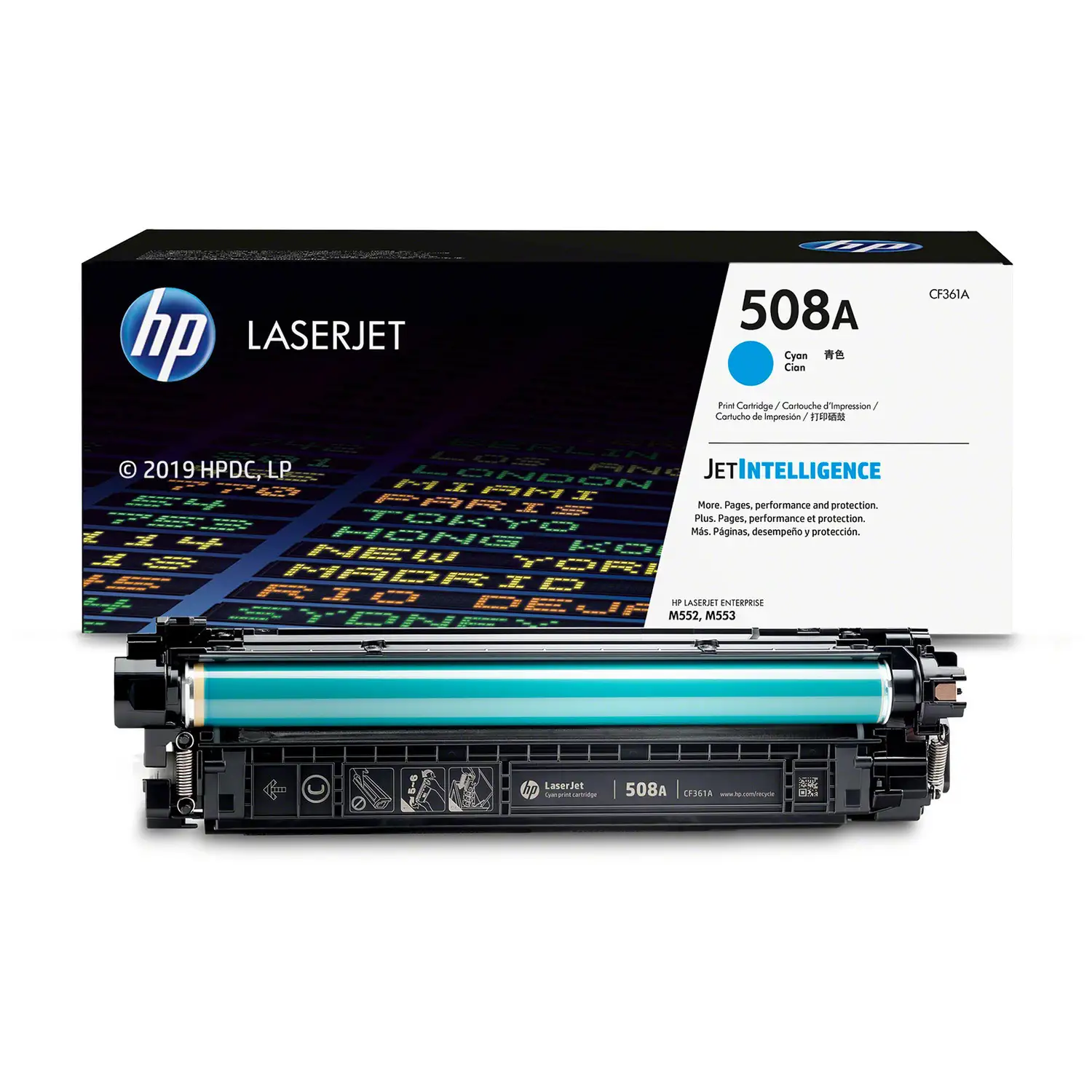
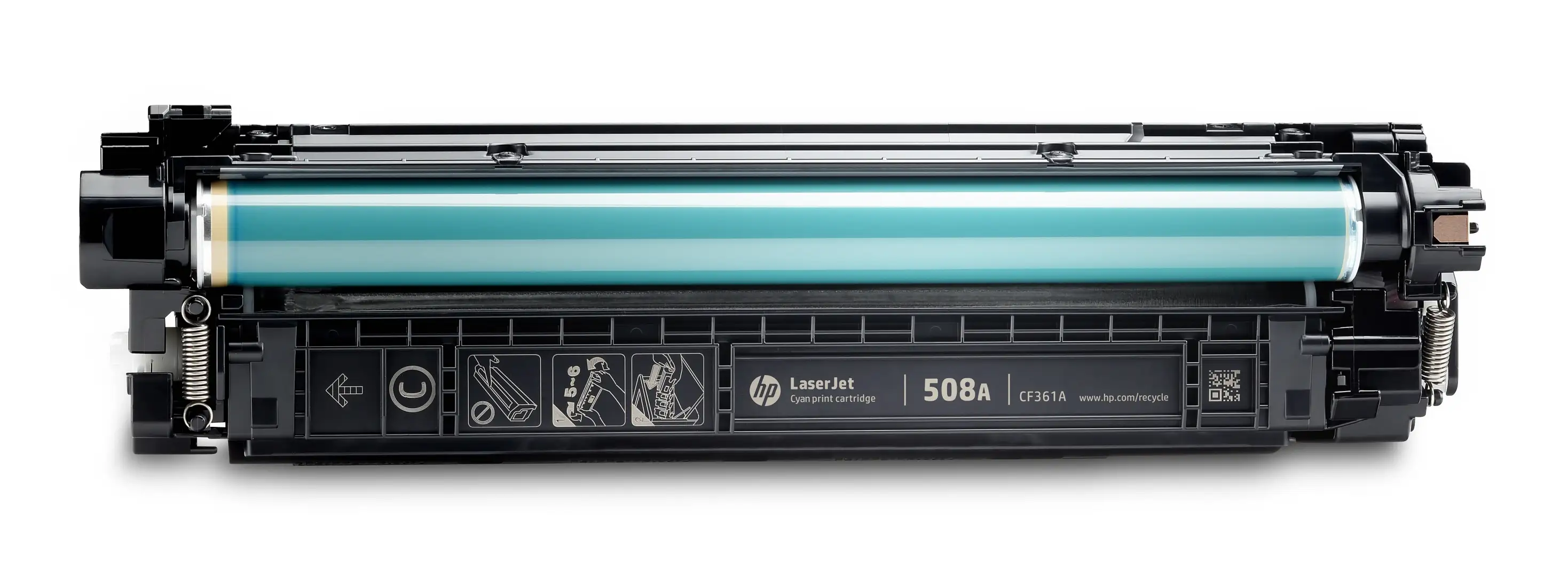
HP 508A Cyan Toner Cartridge Review: Reliable, Pricey
A Staples reviewer summed up the main appeal in plain language: “excellent quality and long lasting”—and that sentiment shows up again and again when buyers talk about the HP 508A Cyan Toner Cartridge. Verdict: a reliability-first pick for offices that want predictable, “works like the original” output, but it comes with recurring frustration around cost and (for some users) yield expectations. Score: 8.6/10.
Quick Verdict
For teams running HP Color LaserJet Enterprise printers and prioritizing consistency over bargain pricing, HP 508A Cyan Toner Cartridge is a “Yes (Conditional)”—yes if you want OEM reliability and clean color, conditional if you’re chasing the lowest cost per page.
| What buyers emphasize | Evidence from user feedback | Who it matters to |
|---|---|---|
| Print quality is consistently strong | Staples reviewer Christy said: “always makes great colorful copies with crisp, clean colors” (Staples) | Offices printing presentations/marketing |
| OEM reliability beats rebuilt/remanufactured for some | A Staples reviewer said reconditioned units “often caused me numerous problems” (Staples) | IT/admins minimizing printer downtime |
| Installation is straightforward | Staples reviewer metwo said: “works like the original and an easy unit to install” (Staples) | Small offices swapping supplies themselves |
| Delivery/service experience is frequently praised (seller-side) | Staples reviewer Melissa B. said: “delivery was within 2 days” (Staples) | Busy teams replenishing stock fast |
| Price hurts | Staples reviewer haney lumber 48 said: “it’s expensive” (Staples) | Budget-conscious buyers |
| Yield expectations can clash with reality | A Staples critical review said it “does not perform as promised” and cited “6,000 pgs (+/- 200)” on “high yield” (Staples) | High-volume environments tracking costs |
Claims vs Reality
The official narrative around HP 508A Cyan Toner Cartridge leans on predictable capacity and compatibility—HP lists an approximate “~5,000 pages” yield for cyan (HP Store), and product listings repeat “5,000 page yield” language (HP Store; Provantage). Digging deeper into user reports, the most consistent real-world “reality check” isn’t that the cartridge fails—it’s that buyers experience variability and sometimes measure output differently than marketing footnotes assume.
A recurring pattern emerged: users who buy OEM specifically to avoid headaches talk less about page-yield math and more about operational calm. One Staples reviewer contrasted OEM against rebuilt options and framed it as a time-and-frustration trade: “while the cost is more for the originals, they are less frustrating and last much longer” (Staples). For a small office manager, that’s not a technical spec—it’s a workflow benefit.
At the same time, the sharpest mismatch shows up when buyers expect the label to map cleanly to their own printing mix. A Staples critical reviewer wrote: “does not perform as promised,” claiming their “high yield cartridge consistently gives 6,000 b&w basic type only pages” and warning “buyers of this printer beware” (Staples). While that complaint references “high yield” and black-and-white pages (not cyan output), it captures the broader gap: official yields are standardized estimates, while real offices track output in messy, printer-dependent ways.
Cross-Platform Consensus
Universally Praised
The most repeated praise for HP 508A Cyan Toner Cartridge is straightforward: it prints clean, professional color without drama. Staples reviewer Christy tied the cartridge to presentation-quality results, saying it “always makes great colorful copies with crisp, clean colors” and that it “makes a huge difference when printing out presentation booklets” (Staples). For teams assembling client packets or internal decks, that “difference” is exactly what they’re paying for—avoiding reprints that look washed out or inconsistent.
A second throughline is that many buyers treat OEM as the “known good” option, especially after trying rebuilt cartridges. One Staples reviewer described an experience many office admins recognize: they bought an original in 2016 and said “it lasted me for two years,” then compared that to reconditioned cartridges that “may have lasted a year and often caused me numerous problems” (Staples). The user story isn’t about squeezing the lowest cost—it’s about keeping a shared printer reliable for the long haul.
Ease of install shows up as a quiet but meaningful win. Staples reviewer metwo called it a “great replacement” that “works like the original and an easy unit to install” (Staples). For co-working spaces or small firms without dedicated IT, “easy unit to install” translates into fewer interruptions and fewer emergency calls when toner runs out mid-deadline.
After those core product points, people also praise the buying experience—especially shipping speed and order reliability from their retailer. Staples reviewer Diane G. wrote the cartridge “was the exact itme we ordered” and said it “arrived in a timely manner” (Staples). Melissa B. echoed the same operational relief: “delivery was within 2 days of ordering” (Staples). For office supply coordinators, dependable fulfillment is part of “reliability” too.
What praise clusters around (from user feedback):
- “Crisp, clean colors” for presentations (Staples)
- OEM longevity vs rebuilt issues (Staples)
- Simple swap/install experience (Staples)
- Order/shipping reliability (Staples)
Common Complaints
Cost is the complaint that doesn’t require any detective work—buyers say it plainly. Staples reviewer haney lumber 48 didn’t sugarcoat it: “it’s toner. it’s expensive. but ya gotta have it for the printer to work” (Staples). That kind of comment signals resignation more than outrage; for many offices, OEM is treated like a necessary operating expense.
Another frequent undercurrent is frustration with how printing ecosystems push users into certain purchase behaviors. While not specific to this cartridge model, a verified Amazon reviewer vented about cartridge systems and lockouts, writing: “works great - ink is a wasteful scam” and “you cannot print any color, even black, when one single cartridge is empty” (Amazon). This story matters because it reflects a broader fear that the device-and-supplies relationship is designed to force spending. Even if the example is “ink” rather than this toner, it influences how some buyers perceive replenishment and value.
Yield expectations are also a flashpoint when measured against a user’s counting method. The Staples critical reviewer who claimed “does not perform as promised” said they had “counted pages on the last 4” cartridges and got “6,000 pgs (+/- 200)” on a “high yield” cartridge (Staples). While officially the cyan cartridge is rated around 5,000 pages (HP Store; Provantage), user tracking can turn into a dispute when offices expect consistent results across different content types and coverage.
Common pain points buyers mention:
- High OEM price and feeling “stuck” paying it (Staples)
- Suspicion about consumables systems being “wasteful” (Amazon)
- Disappointment when counted pages don’t align with expectations (Staples)
Divisive Features
The biggest divide isn’t about print quality—it’s about the value equation. Some buyers treat OEM as the only sane option because it reduces friction and failures. A Staples reviewer said the originals are “less frustrating and last much longer” than reconditioned cartridges (Staples). For offices where printer downtime blocks shipping labels, invoices, or client-facing materials, that frustration cost is real.
Others look at the same OEM reality and see a costly dependency. The Staples comment “it’s expensive” (Staples) captures one side; the Amazon complaint calling the broader system a “wasteful scam” (Amazon) captures the other. Even when performance is acceptable, some buyers remain unhappy with the overall economics and control.
Trust & Reliability
The trust story around HP 508A Cyan Toner Cartridge is split between “OEM confidence” and “consumables skepticism.” On the confidence side, long-time buyers emphasize that sticking to brand-name, model-matched supplies is the safest path. Staples reviewer anita rosso put it in a veteran-buyer frame: “in all of my 20 years of ordering supplies, i have learned to stay with brand name products that match the model of my printers,” adding that this cartridge “produces clear and clean prints” (Staples). That’s a reliability argument rooted in experience—fewer variables, fewer surprises.
On the skepticism side, broader cartridge complaints—especially the feeling of being forced into replacing partially full supplies—show how quickly trust can erode. The Amazon reviewer described watching levels drop and then being blocked from printing, writing: “most frustrating, you cannot print any color, even black, when one single cartridge is empty” (Amazon). Even though that complaint is framed around “ink,” it reflects a common fear: that the printing ecosystem is designed to maximize consumables sales, not user control.
Finally, when buyers discuss “compatibility” and “works the first time,” they often mean freedom from troubleshooting. Staples reviewer brad p. said: “exactly what we ordered !” (Staples), and others kept it similarly simple: “worked very well” (Staples reviewer Ronald Brown) and “works as needed” (Staples). The lack of drama becomes the reliability signal.
Alternatives
The only direct alternative discussed in the user feedback is the choice between original OEM and rebuilt/reconditioned cartridges. That comparison is less about specs and more about office risk tolerance.
A Staples reviewer who bought OEM after trying reconditioned framed the alternative as a false economy: reconditioned units “often caused me numerous problems,” while the original “lasted me for two years” (Staples). For a small business where a printer glitch delays deliverables, that “problem” can outweigh any upfront savings.
On the other hand, even buyers who stick with OEM acknowledge the financial sting, which is exactly why rebuilt cartridges keep getting offered. Another Staples reviewer described their company being offered rebuilt cartridges but choosing to decline because they were “very satisfied with the new cartridges” they received (Staples; Monroe Equipment Inc.). That’s an implicit alternative decision: cheaper rebuilt supply versus steadier OEM operations.
Price & Value
Pricing in the provided data shows a stark spread depending on whether you’re buying OEM or compatible replacements, and where you’re buying. HP’s own listings position HP 508A Cyan Toner Cartridge as a premium OEM consumable with an approximate 5,000-page yield (HP Store). Marketplace pricing comparisons show OEM listings across a wide range—PriceRunner shows prices “from £191.93 to £526.51” for HP 508A (cyan) (PriceRunner). That range suggests buyers may pay very different totals depending on region, seller, and timing.
Compatible cartridges appear far cheaper in the data. An Amazon listing for a compatible “508A Cyan Toner Cartridge” shows $79.99 for a “Rito Tech” compatible replacement claiming “page yield 5000” and a “smart chip” (Amazon specs). Another compatible listing shows $86.05 for a “compatible hp 508a cyan toner cartridge… 5000 pages” (RefillBay). While those are not user reviews, they frame the economic tension: OEM buyers pay a premium for trust; compatible options tempt budget buyers with similar yield claims on paper.
User commentary reinforces that value is often measured in hassle avoided. The Staples reviewer who advocated for OEM acknowledged “the cost is more” but argued it is “less frustrating and last much longer” (Staples). Another Staples buyer boiled it down to necessity: “ya gotta have it for the printer to work” (Staples). For procurement, that means the “best value” depends on whether your cost center is toner spend or staff time spent troubleshooting.
Buying tips implied by buyer stories:
- If downtime is costly, several buyers recommend sticking with “new from HP” rather than refurbished (Staples).
- If you’re price-sensitive, community comments suggest you’ll feel the OEM premium sharply (Staples).
FAQ
Q: What page yield do buyers expect from the HP 508A cyan cartridge?
A: HP lists an approximate yield of “~5,000 pages” for cyan (HP Store; Provantage). Some reviewers measure results differently; a Staples critical review complained a “high yield cartridge” only reached “6,000 pgs (+/- 200)” in their counting (Staples), illustrating how real-world tracking can vary.
Q: Is the HP 508A cyan toner easy to install for non-technical users?
A: Many buyers describe the swap as straightforward. Staples reviewer metwo said it “works like the original and [is] an easy unit to install” (Staples). For small offices without IT, that ease reduces downtime when a cartridge runs out during daily work.
Q: Do users think OEM HP toner is worth it compared with rebuilt cartridges?
A: Several do, mainly for reliability. A Staples reviewer said reconditioned cartridges “often caused me numerous problems,” while the original “lasted me for two years” (Staples). Another buyer said their company declined rebuilt offers because they were “very satisfied with the new cartridges” (Staples).
Q: What do people dislike most about buying this toner?
A: Price is the recurring frustration. Staples reviewer haney lumber 48 wrote: “it’s toner. it’s expensive. but ya gotta have it for the printer to work” (Staples). Some broader consumables complaints also focus on feeling forced to replace supplies sooner than expected (Amazon).
Final Verdict
Buy HP 508A Cyan Toner Cartridge if you’re an office admin, co-working manager, or small business owner who values consistent “crisp, clean colors” for presentation booklets and wants fewer cartridge headaches—Staples reviewer Christy praised “great colorful copies with crisp, clean colors” (Staples). Avoid if your top priority is lowest upfront cost or if you expect page-yield numbers to match your internal counting perfectly. Pro tip from the community: if rebuilt cartridges have caused “numerous problems,” multiple reviewers recommend paying more for originals because they’re “less frustrating and last much longer” (Staples).