HP 507A Cyan Toner Cartridge Review: Conditional Buy
A toner that some buyers “only trust” — and others call “terrible.” HP 507A Cyan Toner Cartridge lands as a Conditional buy, mostly because the core print quality and reliability get consistent praise, but the price and occasional “runs out…too quickly” complaints keep it from being a clean recommendation. Score: 8.3/10.
Quick Verdict
For offices running compatible HP LaserJet Enterprise/Pro 500-series machines, HP 507A Cyan Toner Cartridge is often bought for predictable color and low drama. The catch is value: several reviewers openly resent the OEM pricing, and at least one reports disappointing longevity versus expectations.
| Decision | Evidence from feedback |
|---|---|
| Buy? | Conditional (if you want OEM reliability) |
| Biggest pro | “Great quality… easy install” (Staples reviews) |
| Biggest con | “these toners cost 3x than they should” (Staples reviews) |
| Best for | Offices needing consistent cyan output |
| Watch-outs | Reports of “runs out…too quickly” and “terrible quality” (Staples reviews) |
Claims vs Reality
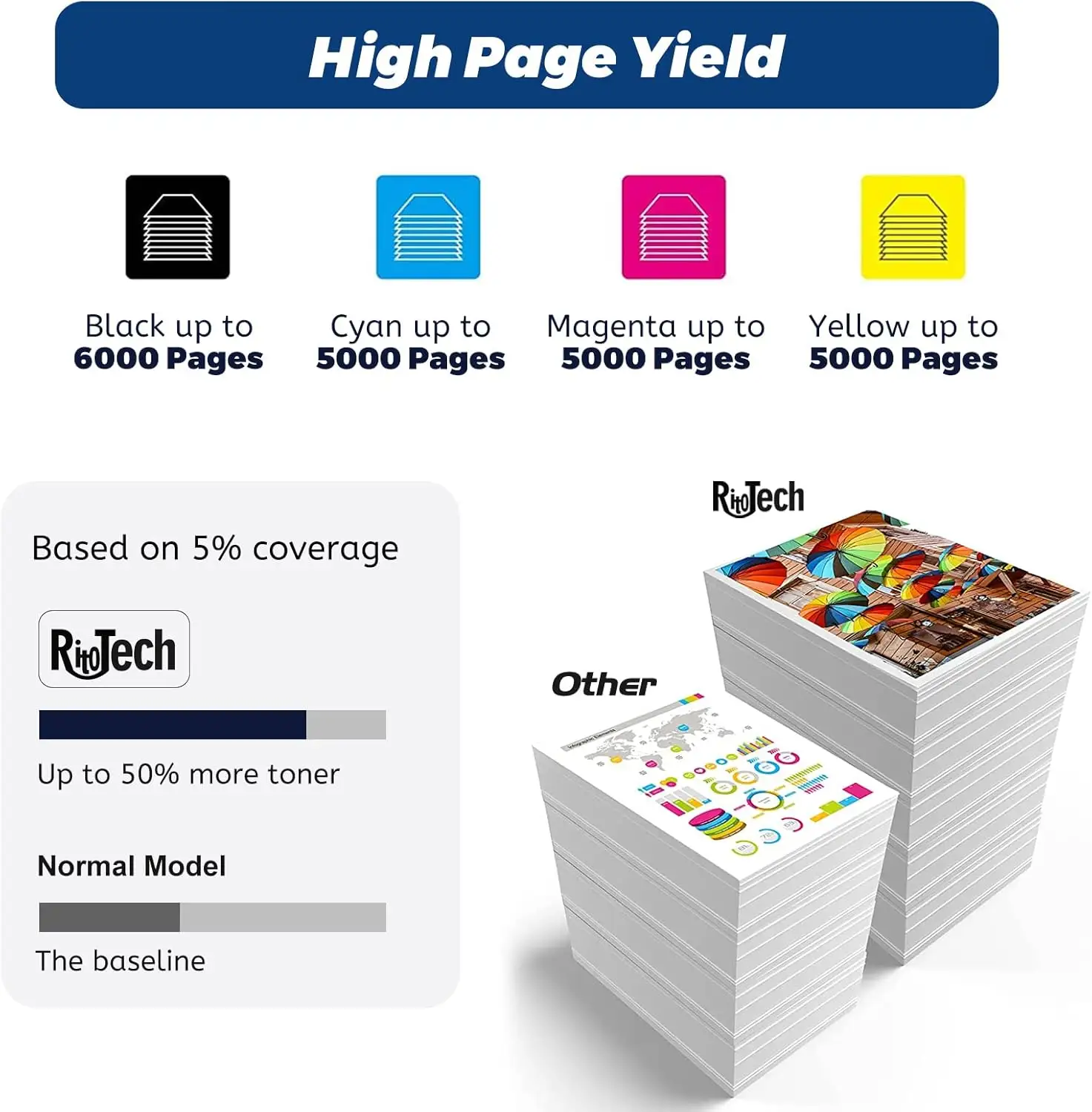
HP’s official positioning centers on fewer printing problems and consistent output. Amazon’s listing says: “count on high-quality, reliable printing and save time by avoiding common printing problems,” and highlights “use original HP toner cartridges to eliminate toner leaks and premature failures,” with an approximate yield of “6,000 pages.”
Digging deeper into user reviews, the “works as expected” narrative does show up repeatedly in Staples feedback. A reviewer summarized the experience bluntly: “its working its good.” Another leaned into the OEM trust factor: “I always use oem toner and never have any problems. highly recommend.” For offices that can’t afford downtime, that kind of predictable, boring performance is the whole point.
But the gap emerges around value and longevity. While the cartridge is officially rated around 6,000 pages, a Staples reviewer complained: “runs out of ink too quickly; does not last very long : - (”. That doesn’t prove the yield claim is wrong—ISO yields vary by coverage—but it does show that at least some real-world workloads leave buyers feeling shorted.
A recurring pattern also emerged around price resentment. One Staples reviewer didn’t mince words: “these toners cost 3x than they should,” arguing that if pricing stays high, they “don't see how they will retain customers in the long run.” In other words: even when OEM quality delivers, cost can still dominate the “reality” side of the equation.
Cross-Platform Consensus
Universally Praised
“Only trust HP” isn’t just a slogan in the data—it’s how some buyers frame their purchasing logic. A Staples reviewer wrote: “only trust hp… great quality, quick shipping, easy install, only hp for our office!” For a small business office manager, that translates to fewer surprise service calls and less time troubleshooting streaks or compatibility errors mid-deadline.
Print quality is the other dependable theme. A Staples reviewer highlighted output directly: “very good quality and color,” while another said: “excellent color, as expected with hp products.” That matters most to teams printing client-facing materials—presentations, charts, or branded docs—where cyan accuracy can make graphics look “off” if the toner is inconsistent.
Reliability stories appear in longer time horizons too, at least in sentiment. One Staples reviewer noted: “great product. haven't had an issue in years with an hp toner cartridge going bad.” Another framed leak-free performance as the baseline expectation: Staples user “Easley winery” said: “we always buy the hp laserjet brand since it is very reliable, excellent color, and has never leaked in our copier.” For high-volume offices, “never leaked” reads like operational insurance.
Shipping and fulfillment also get nods, which matters for procurement teams trying to avoid downtime. A Staples reviewer said: “we received exactly what we ordered, and it arrived in less than 36 hours!” Even though shipping isn’t the cartridge itself, this kind of experience often shapes repeat buying for supplies.
After those narratives, the praise can be summarized:
- Consistent color and print quality (“very good quality and color”)
- Smooth installation (“easy install”)
- Perceived OEM reliability (“never leaked”; “never have any problems”)
- Fast fulfillment experiences (“arrived in less than 36 hours!”)
Common Complaints
Cost is the loudest complaint, and it’s emotional—not just analytical. A Staples reviewer argued: “these toners cost 3x than they should,” framing it as a long-term customer retention risk for HP. For budget owners, that complaint isn’t abstract: toner is recurring spend, and OEM supplies can dwarf the printer’s purchase price over time.
Then there’s the frustration when performance doesn’t match expectations, especially at OEM prices. One Staples reviewer wrote simply: “it 's terrible . terrible quality . not worth the price and aggravation of returning .” That’s notable because it combines two pain points—quality disappointment and return hassle—into a single story of wasted time.
Longevity also shows up as a sore spot. Despite the standard “~6,000 pages” rating listed across HP and Amazon product pages, a Staples reviewer complained: “runs out of ink too quickly; does not last very long.” For offices printing heavier-coverage graphics, that kind of experience can feel like you’re paying premium pricing for non-premium yield.
After those narratives, the complaints can be summarized:
- OEM pricing backlash (“cost 3x than they should”)
- Occasional quality disappointment (“terrible quality”)
- Perceived low longevity in some real-world use (“runs out…too quickly”)
Divisive Features
The biggest divide is whether OEM pricing is “worth it” for peace of mind. Some buyers justify it by refusing to gamble on alternatives: “not much to say, except i will definitely always buy original hp toner.” Others are openly alienated by the cost, even if they acknowledge HP’s broader strategy and R&D rationale: “if hp 's strategy is to price the toners as high as the market allows… i don't see how they will retain customers.”
Another divisive angle appears when comparing OEM to remanufactured replacements for the same model. In Staples reviews for the remanufactured replacement (TRCE401A/STCE401A), some users said “working great” and even “just as good as the factory product.” But other buyers warned about defects: one wrote “toner leaks,” describing that cartridges “leak at the edge leaving a big vertical line on the paper about half inch wide.” This creates a split buyer persona: cost-savers who can tolerate risk vs. business users who can’t afford streaked client deliverables.
Trust & Reliability
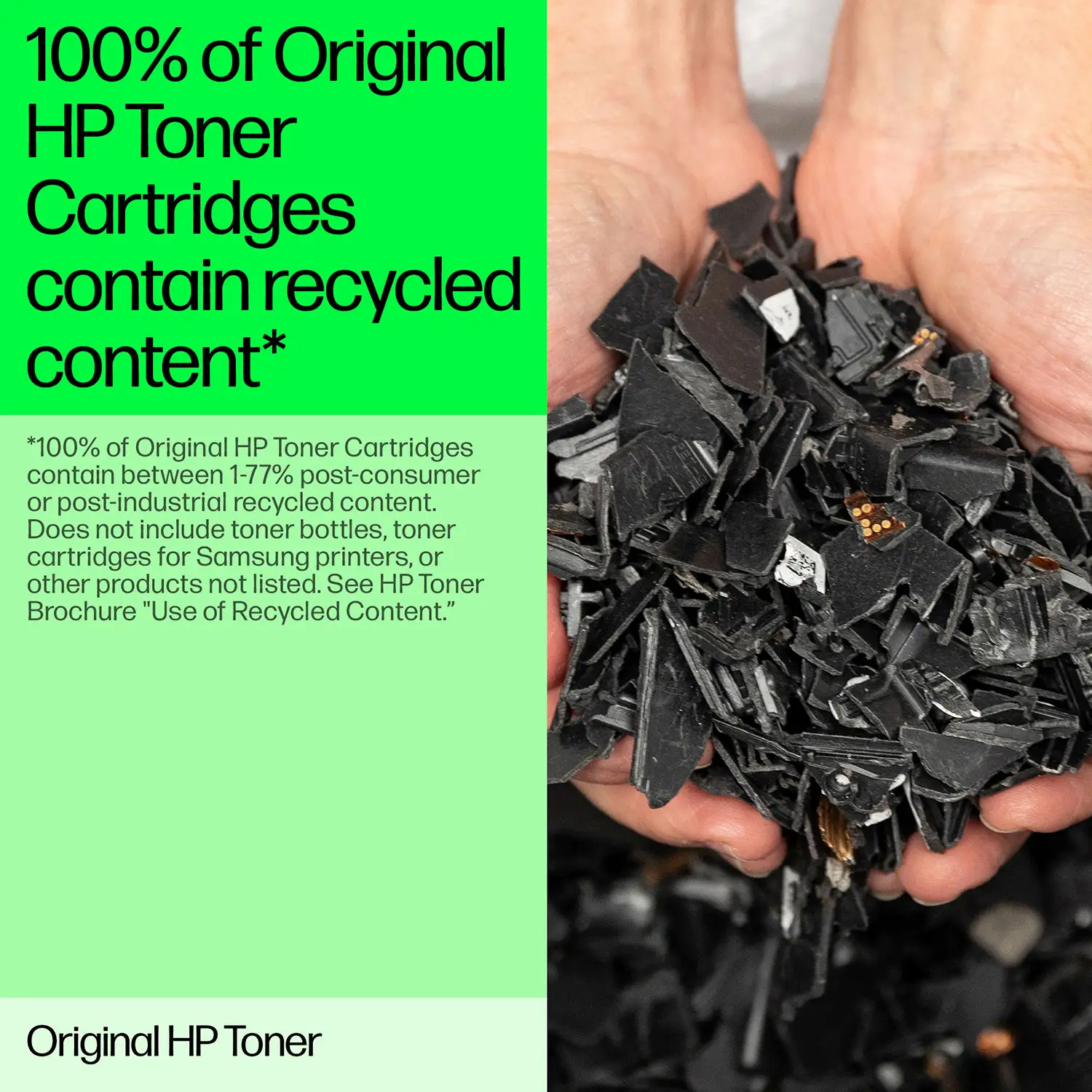
Counterfeit and quality control anxieties hover around toner in general, and the data reflects how OEM branding can function as reassurance. HP’s own messaging (across HP Store listings) stresses authenticity and security seals, and users echo the trust logic in plain language. A Staples reviewer summed it up: “only trust hp,” pairing that with “great quality… easy install,” which reads like a buyer choosing certainty over experimentation.
At the same time, remanufactured/third-party options show a reliability risk pattern in user stories. The Staples remanufactured listing includes a specific defect narrative: a reviewer said “toner leaks,” adding that it “leav[es] a big vertical line on the paper about half inch wide” and that it happened across multiple purchases. For teams that print invoices, shipping labels, or customer-facing packets daily, that kind of streaking is not a minor annoyance—it’s reprints, wasted paper, and delayed work.
Long-term durability is mostly implied rather than documented with explicit “six months later” posts in the provided community data. What does appear is a sense of continuity: “haven't had an issue in years with an hp toner cartridge going bad,” which functions as a proxy for long-run confidence, even if it isn’t tied to a specific time-stamped follow-up thread.
Alternatives
The only directly comparable alternative in the provided feedback is the Staples remanufactured replacement for HP 507A (TRCE401A/STCE401A). For buyers trying to reduce cost-per-page, it sometimes lands well: a Staples reviewer said “great quality and price,” and another claimed it was “just as good as the factory product.”
But digging deeper into negative reports, the risk profile is clearly different. One user warned: “toner leaks,” describing repeat issues and a persistent “big vertical line” defect. Another called it “poor quality” and said it “leaves color streaks all over the paper… fine for in office use but not for business.” So the alternative exists, but user stories suggest it’s best suited to low-stakes internal printing rather than client-facing work.
Price & Value
Official storefront pricing varies widely by region, and the provided listings highlight how premium OEM can get. HP Store Canada lists HP 507A Cyan Toner Cartridge at $422.99, while HP Store UK shows £289.00. That’s the context behind why “these toners cost 3x than they should” resonates: even satisfied buyers can feel squeezed.
Market pricing from eBay listings suggests many shoppers hunt for better deals—new cartridges appear around $114.99 in the “best selling” area, with a spread across open-box and sealed listings. For procurement teams, that price gap can be tempting, but it also raises the practical question of authenticity and storage conditions.
Community-style buying behavior shows up in Staples comments too. One reviewer framed the coping strategy as discount hunting rather than switching brands: “hp ink is expensive, but quill always has coupons to save the day.” The implied tip is straightforward: if you stay OEM, you may still need promotions, coupons, or vetted resellers to make the economics work.
FAQ
Q: How many pages does the HP 507A Cyan Toner Cartridge print?
A: HP lists the cartridge at about “~6,000 pages” (ISO/IEC-based) on HP Store and Amazon. Real-world results vary: one Staples reviewer complained it “runs out of ink too quickly,” suggesting high-coverage prints can reduce effective yield.
Q: Is the HP 507A (CE401A) easy to install?
A: Many buyers describe installation as straightforward. A Staples reviewer said: “great quality, quick shipping, easy install,” and others treat it as a routine replacement with no drama. That matters most for small offices without dedicated IT staff.
Q: Are remanufactured replacements as good as the original HP 507A?
A: Feedback is split. Some Staples reviewers said the remanufactured version is “just as good as the factory product.” Others reported serious issues, including “toner leaks” and “color streaks,” with one warning it’s “fine for in office use but not for business.”
Q: What’s the biggest complaint about the HP 507A Cyan cartridge?
A: Price dominates the negative feedback. A Staples reviewer wrote: “these toners cost 3x than they should,” and another said it was “not worth the price and aggravation of returning” after a bad experience. Even satisfied buyers often acknowledge OEM cost pain.
Final Verdict
Buy if you’re a business user on compatible HP LaserJet Enterprise/Pro 500-series printers who values predictable color and fewer surprises—especially if you share the mindset of the Staples reviewer who said: “only trust hp… great quality… easy install.” Avoid if you’re extremely price-sensitive or you’d be furious if yield feels short, like the reviewer who said it “runs out…too quickly.” Pro tip from the community: shop OEM with discounts—“hp ink is expensive, but quill always has coupons to save the day.”