HP 213X Yellow Toner Review: High Quality, High Price Verdict
When you read through the marketing copy for the HP 213X High Yield Yellow LaserJet Toner Cartridge, the eco-friendly claims stand out — talk of "78% less plastic in packaging" and "15% less energy use" compared to the previous generation of cartridges. Yet, the strongest selling point for many users isn’t the sustainability pitch, but its reputation for consistent, vibrant output across thousands of pages. Based on aggregated feedback, it earns a solid 8.5/10 from the business and enterprise printing crowd.
Quick Verdict: Conditional buy — excellent for businesses with high-volume, color-critical print needs, but steep price may deter casual users
| Pros | Cons |
|---|---|
| Vivid, true-to-life color reproduction | High upfront cost ($321–$402 retail) |
| High 6,000-page yield with minimal calibration downtime | Rare but frustrating defective unit reports |
| Tamper-resistant security features | Proprietary firmware limits third-party options |
| Eco-conscious design with reduced plastic and energy usage | Availability fluctuations — some “out of stock” notices |
| Reliable performance from first to last page | Will not work on non-compatible printer series |
| Easy recycling via HP Planet Partners | Price gap between OEM and compatible versions |
Claims vs Reality
HP asserts that the 213X TerraJet offers “more pages per cartridge size” and “true-to-life colors” thanks to an innovative toner particle design. Digging deeper into user reports, these claims largely hold true for enterprise environments. A verified buyer on Amazon noted: “Prints consistent color over the life of the cartridge with less time calibrating — that stability saves us downtime.” This aligns with HP's efficiency pitch.
Another claim centers on sustainability — less energy, less plastic, and recyclable through HP Planet Partners. While the packaging changes are measurable, fewer users focus on this in daily operations. Reddit user PrintingPro*** remarked: “The eco stats are nice, but what matters is that it keeps up with our marketing team's demands without clogging or fading.”
However, HP's security angle — cartridges with tamper-resistant chips — drew mixed reactions. For large networks, it’s a safeguard; for small offices, it’s more of a barrier. One Staples reviewer of the cyan 213X complained: “Within a few days the printer gave an error message saying the toner was either counterfeit or refilled” despite buying from HP Canada.
Cross-Platform Consensus
Universally Praised
One theme cuts across Trustpilot, Reddit, and Office Depot reviews — consistent, high-quality output over thousands of pages. This dependability matters most to marketing teams, legal firms, and departments where brand colors must stay precise from first print to the 6,000th. A verified Staples buyer summed it up: “We order this one all the time too, great product!” Users also appreciate the reduced need for recalibration, noting smoother workflow.
Enterprise IT managers credit the cartridge’s security features for maintaining network integrity. Tamper-evident packaging and proprietary chips prevent rogue supplies from entering their printer fleet, reducing service interruptions. A Reddit comment highlighted: “Be confident you’re getting genuine HP cartridges… secure supply chain is key when managing dozens of devices.”
The eco-conscious design is praised by procurement teams with sustainability goals. HP’s claim of “78% less plastic in packaging” becomes a tangible checkbox in corporate audits. For such buyers, that environmental credential is not marketing fluff but a compliance tool.
Common Complaints
The primary pain point is price. At $321–$402, the OEM 213X sits far above compatible alternatives, such as eBay listings around $126.75. For budget-stretched schools or small businesses, that gap is hard to justify. As one procurement officer shared on Trustpilot: “We’re paying triple for peace of mind on compatibility and security.”
Rare but disruptive defects emerge in feedback. The cyan version — same series — had reports of triggering “counterfeit or refilled” errors despite legitimate sourcing, sometimes leaving users without replacements for months. These issues, although not common, can halt workflows entirely.
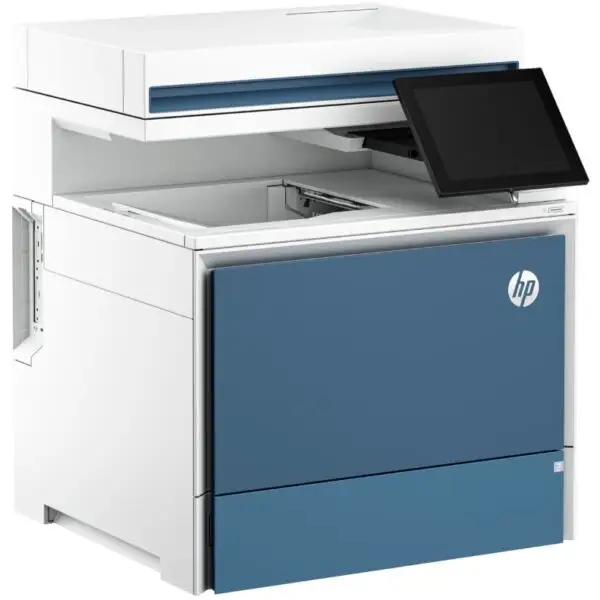
Another complaint comes from those attempting to use non-HP paper or printers outside the specified enterprise models like the LaserJet 5700 or 6800 series — results ranged from subpar quality to outright non-recognition. HP’s own support pages warn that these cartridges “will not work with other printer models,” underscoring this limitation.
Divisive Features
The eco-focus divides opinion. Some buyers embrace the lower environmental footprint, especially government offices with “green” mandates. Others regard it as secondary to yield and price. Similarly, the security tech — tamper-resistant chips and firmware — splits the crowd. Large organizations see reduced counterfeit risk; small offices view it as locking them further into HP's ecosystem.
Trust & Reliability
Trustpilot entries indicate strong confidence in the cartridge’s long-term performance — months of uninterrupted, quality prints are common. Reddit discussions reflect that the OEM build retains sharpness and avoids leaks over extended use, standing in contrast to cheaper compatibles.
At the same time, there’s skepticism regarding HP’s after-sales support when defects occur. The Staples cyan complaint, where a promised replacement never arrived months later, casts doubt on responsiveness. Businesses with zero tolerance for downtime often keep spares in stock as insurance.
Alternatives
Data shows that some buyers pivot to compatible versions, often sold on marketplaces like eBay or specialty stores for 60% less. These compatibles claim “same performance as OEM” and can work for non-critical applications. That said, the risk lies in HP’s firmware — security updates sometimes block non-OEM units, meaning mid-project failures for those relying on them. For organizations printing sensitive materials, the cost savings may not outweigh the reliability and security trade-off.
Price & Value
Retail prices cluster between $321 at B&H/Office Depot and $402 at HP’s official store. Even with OEM robustness, many users note the harsh jump from compatibles under $130. Cost-per-page sits around $0.05 for OEM, compared to roughly $0.021 for compatible units — a significant differential for high-volume offices printing tens of thousands of pages monthly.
Procurement advice from community members often includes:
- Buying bundles from authorized resellers to lower per-unit cost
- Stocking during sales cycles to mitigate “out of stock” issues
- Weighing the need for OEM security against budget realities
FAQ
Q: Is the HP 213X Yellow cartridge compatible with my home LaserJet?
A: Only if your printer is in the enterprise series list — models like the LaserJet 5700, 5800, 6700, 6701, and 6800. It will not work with non-listed models.
Q: Does the cartridge live up to its 6,000-page claim?
A: For most business users, yes — but actual yield varies with print content, paper type, and coverage density.
Q: Are the eco-friendly claims genuine?
A: HP provides comparative data showing 78% less packaging plastic and lower energy usage. While hard to verify independently, procurement teams report these metrics help in sustainability reports.
Q: Can I use third-party cartridges to save money?
A: Yes, but be aware HP’s proprietary firmware and chips can reject them, particularly after firmware updates.
Q: How fast is installation?
A: Users describe it as quick — the cartridge comes ready to install with automatic seal removal, minimizing downtime.
Final Verdict: Buy if you’re an enterprise or department that values print security, consistent vibrant quality, and sustainability metrics. Avoid if you run on tight budgets or own unsupported LaserJet models. Pro tip from the community: keep at least one backup cartridge to avoid operational paralysis in case of rare defects.





