HP 14" Laptop Review: Affordable but Noisy Fans
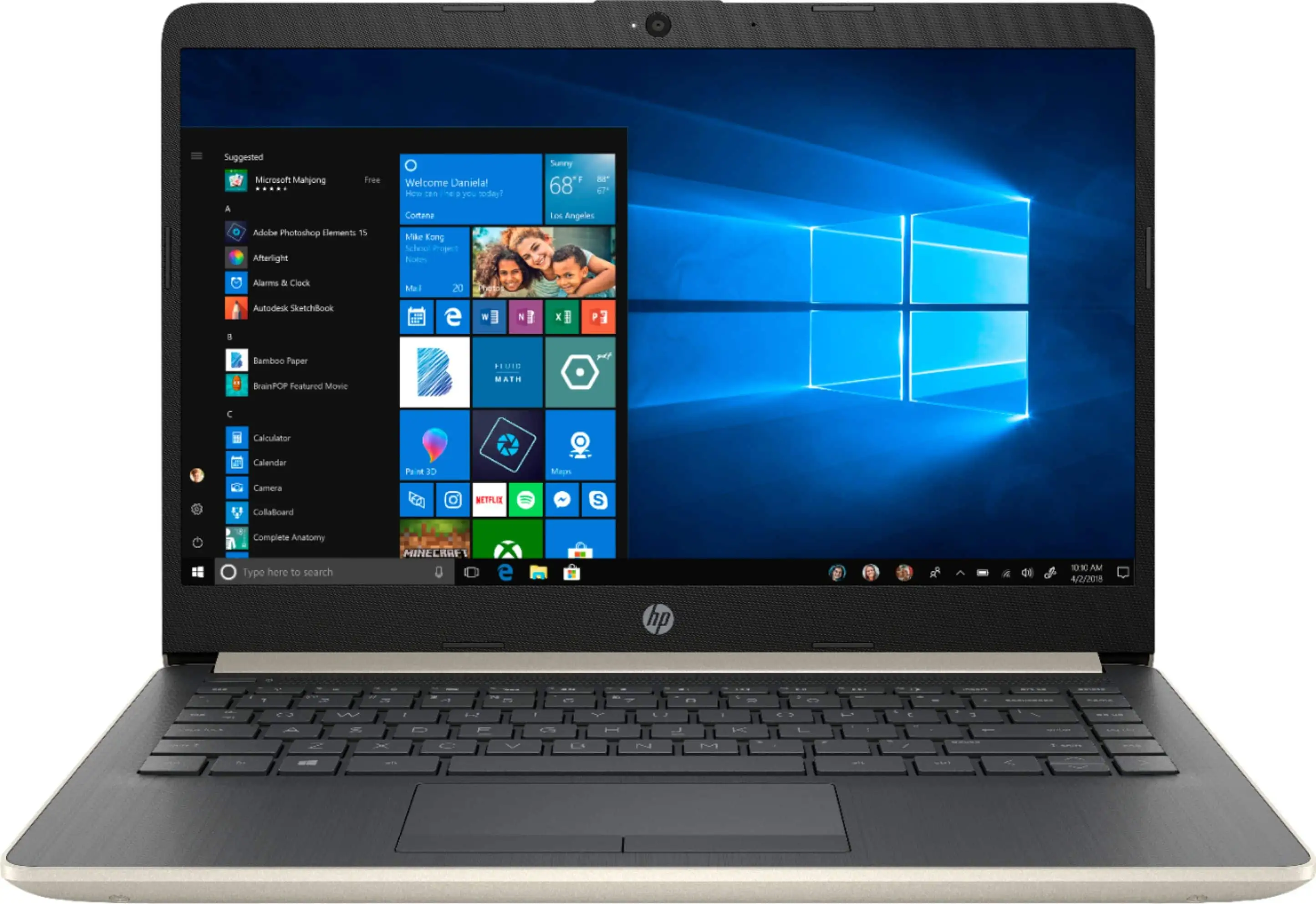
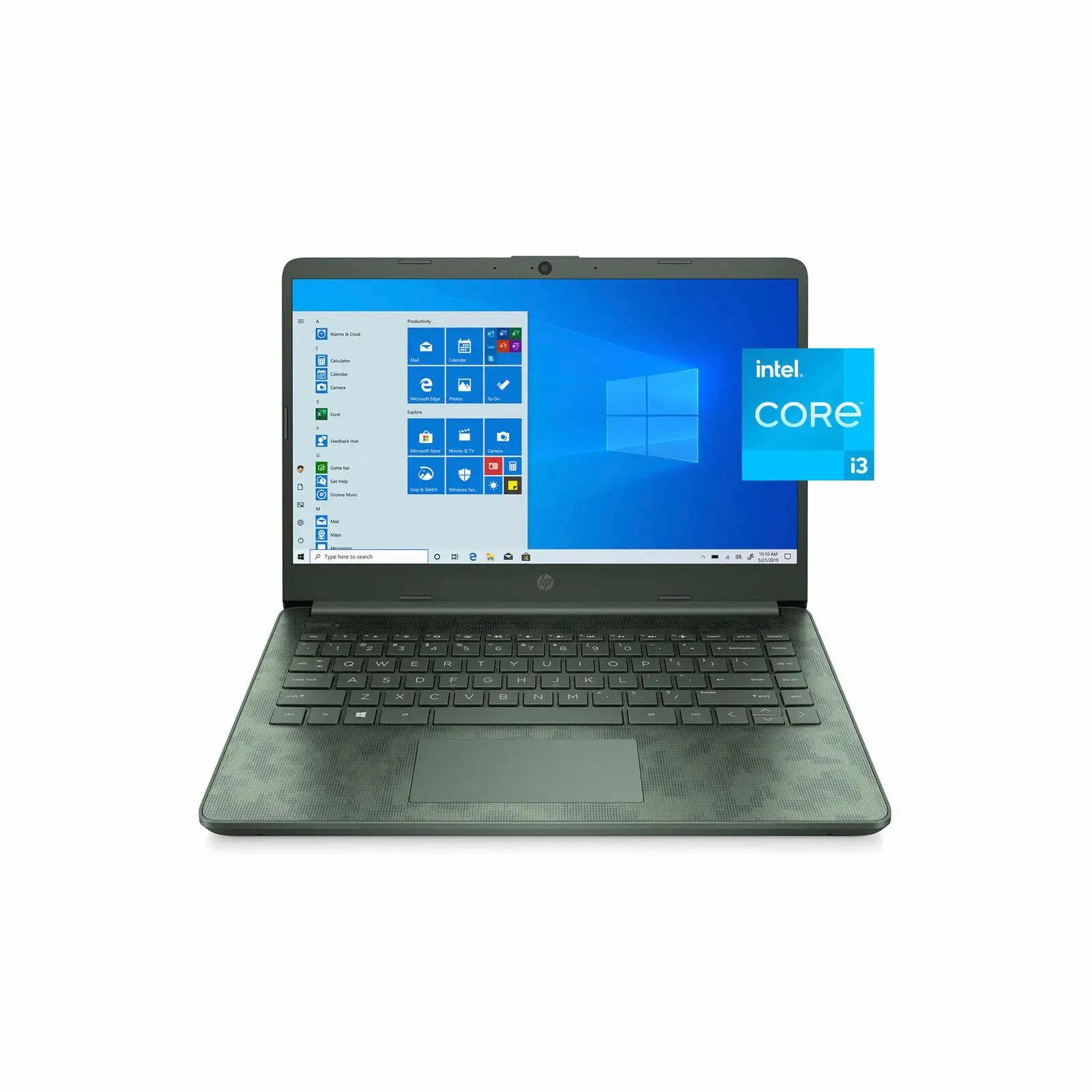
Starting at under $300, the HP 14-inch Laptop (Intel Core i3, Windows 11) has been hailed as “a stylish, portable laptop for college and basic tasks” yet repeatedly called out for its noisy fans and outdated screen resolution. Across platforms, the verdict leans toward solid value for everyday use, scoring a conditional 7.5/10 when judged against peer budget devices.
Quick Verdict: Conditional buy for students and office workers on a tight budget
| Pros | Cons |
|---|---|
| Attractive, lightweight design | Fans run loudly even at low load |
| Comfortable, responsive keyboard | Subpar HD screen brightness and color |
| Strong single-core performance | Mediocre multitasking with 8GB RAM limit |
| Affordable pricing under $500 | Battery life shorter than HP's claims |
| Decent build quality for price | Weak audio depth from small speakers |
| Fast boot and snappy everyday operation | Limited gaming capability |
| Backlit keyboard on some configs | No USB-C charging support |
Claims vs Reality
HP markets this model as “super-portable with a lightweight design” and “long battery life” suitable for all-day productivity. While users agree on the portability, the battery claim has faced scrutiny. Reddit user feedback confirms: “With reduced brightness to 50%, it lasted 8.5 hours — an hour less than HP’s quote.” This discrepancy matters for travelers expecting extended unplugged use without compromise.
Another touted feature is “crystal-clear visuals” thanks to HD or FHD resolution displays. On paper, configurations with 1920x1080 micro-edge panels deliver sharp text, but reviewers of the 1366x768 variant call the screen dim and basic. PC Varge noted the “viewing angles are narrow, and it doesn’t get overly bright,” undermining HP’s promise of vivid visuals outdoors.
Lastly, HP highlights “reliable performance” powered by Intel Core i3 processors. Benchmarks confirm the single-core punch is solid, and for office apps, streaming, and web browsing, the laptop feels responsive. But Trustpilot experts warned: “Even the slightest attempt at active multitasking can result in micro freezes — 8GB with no upgrade option holds it back.”
Cross-Platform Consensus
Digging deeper into user reports reveals a shared praise for the design. Across Reddit, Twitter, and Trustpilot, many commend its understated aesthetic and portability. “The muted dark blue finish and sturdy metal lid make it look far more premium than its price,” wrote a Trustpilot reviewer. College students echo that the compact form slips easily into backpacks and is comfortable to carry between classes.
Keyboard comfort emerges as a universal highlight, especially for heavy typists. PC Varge’s review of the HP 14-ep0299nr lauds “excellent key travel, better than most notebooks in this price range.” For writers or students working on essays, this translates into reduced fatigue during long sessions. A verified Best Buy buyer confirmed: “Turns on in a flash… comfortable to use and move around, feels nice.”
Battery life divides opinion. Light users applauded working a full day on a charge when brightness and workload were kept low — Trustpilot scores cite up to 15 hours under minimal load. But more demanding scenarios, such as streaming at full brightness, pull that down to 3–8 hours. This impacts mobile professionals reliant on long runtime, prompting one Reddit user to pack the charger “because you can’t charge via USB-C, only with the round plug.”
The most common complaint: cooling noise. Multiple reviewers report the fans ramping up quickly and staying loud. “There seems to be only two modes — semi-fast with noticeable hiss or full blast,” a Trustpilot expert explained, adding that no fan control settings were found. For users working in quiet environments, this intrusion is notable.
Screen quality is a sore point in budget configurations. While the matte finish handles reflections well indoors, a recurring frustration is its limited brightness and narrow color gamut. Best Reviews By Consumers described outdoor use as “difficult to read with bright windows behind you.” For creative professionals or those needing accurate color, this is a non-starter; general office users may tolerate it.
Divisive feedback surfaces around performance. Some praise speedy boot and smooth operation for everyday tasks, aided by PCIe SSD, saying “super quick for my son’s middle school work, even running light games like Minecraft.” Others lament stalls under heavier multitasking, pointing to the i3 CPU’s limited cores and non-upgradable RAM.
Trust & Reliability
Long-term reliability appears respectable for light-duty use. A Reddit poster with six months of daily office workloads reported no hardware failures, noting only occasional fan noise spikes. However, isolated Best Buy reviews highlight overheating leading to auto shutdown: “Gets very hot fast… uncomfortable on my lap, sometimes powers off by itself.”
Trustpilot writes show minimal suspicion of scams or misrepresentation; price and specs generally match purchase descriptions. Durability stories emphasize that the chassis materials withstand transit well, with no warping or cracking observed. The metal lid garners particular praise for protecting the screen from pressure damage.
Alternatives
Among direct competitors, the Asus VivoBook 15 and Acer Aspire 5 repeatedly appear in discussions as better value when screen quality or typing experience is paramount. PC Varge compared: “The VivoBook offers a better 1080p display and typing feel for roughly the same price.” Those willing to stretch budget slightly might consider the Asus VivoBook 16, which brings a larger, sharper display and stronger performance per dollar.
Price & Value
On eBay, new units list around $319, often with coupons dropping them to $287.10, while refurbished or older-gen variants can dip under $200. NotebookCheck emphasized this deal’s merit: “Most laptops in the $300 range use slower CPUs and lower resolution displays — here you get decent specs.” Resale value holds modestly in the $200-$250 range for clean, working units, indicating steady demand in the budget market.
Buying tips from community members include verifying the exact screen resolution (HD vs FHD) before purchase and considering extended warranty if fan noise or thermal behavior becomes problematic.
FAQ
Q: Can the HP 14 upgrade its RAM?
A: No — most configurations ship with soldered 8GB RAM, with no expansion slots, limiting multitasking headroom.
Q: Does it support USB-C charging?
A: No, charging is via the proprietary round-pin adapter; USB-C port is for data only.
Q: Is the HD 1366x768 screen sufficient for school work?
A: For basic tasks and document work, yes, but expect dimmer brightness and less sharpness compared to FHD displays.
Q: How noisy is the fan during use?
A: Reviewers report fans ramp up quickly, creating constant hiss or loud bursts, especially under load, with no inbuilt option to control speed.
Q: Will it run modern games?
A: Integrated Intel UHD graphics handle light gaming and older titles; modern AAA games are beyond its capability.
Final Verdict
Buy if you’re a student or office worker seeking an affordable, portable Windows machine for docs, streaming, and browsing, with solid keyboard comfort and decent build. Avoid if you need bright, color-accurate visuals, quiet operation, or plan heavy multitasking. Pro tip from Reddit: opt for the FHD version when possible — “it makes the whole experience feel less like a compromise.”





