HP 12A (Q2612A) Toner Review: Genuine Worth It? 8.3/10
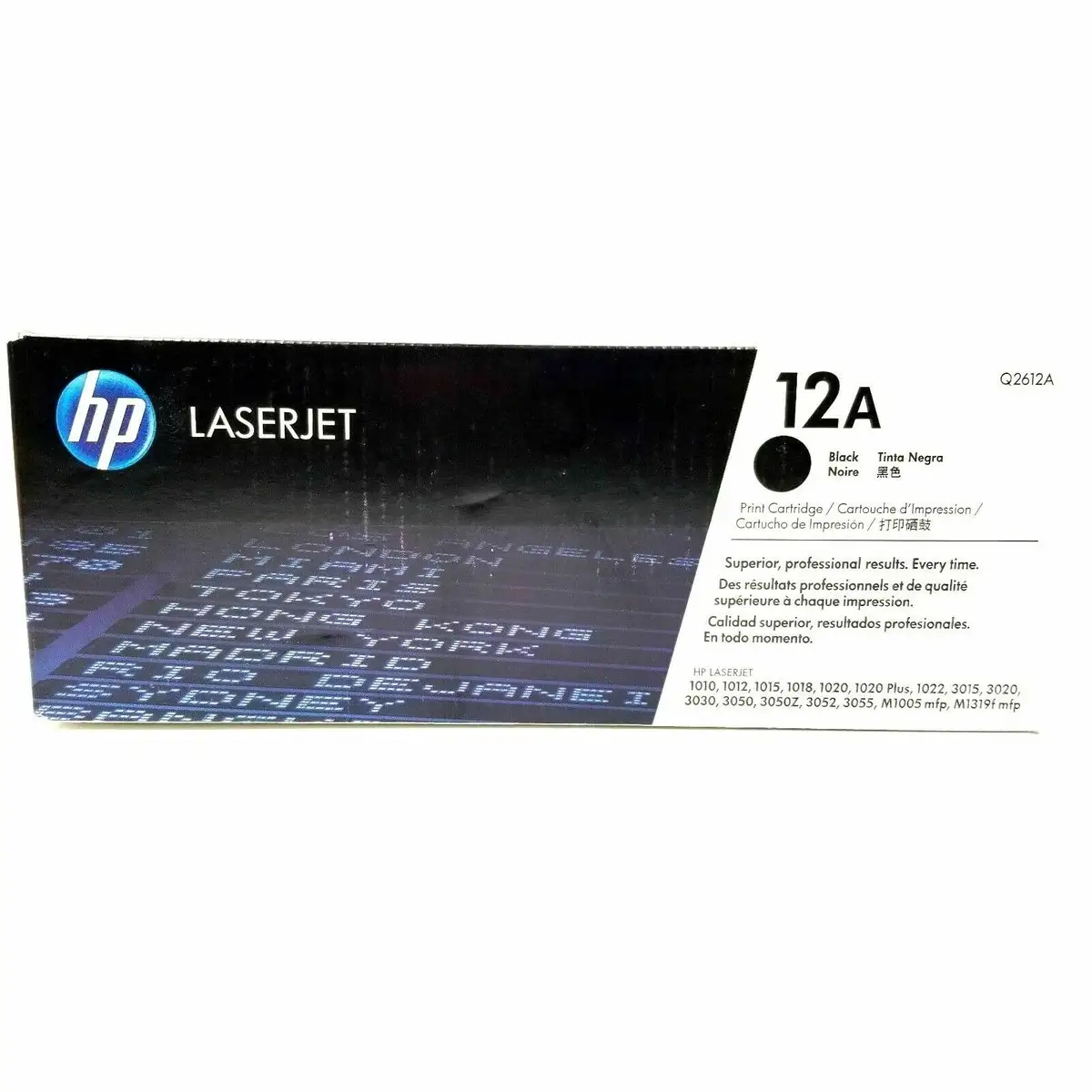
A laser toner that “still ran like a charm” after years in an old printer is a hard detail to ignore. HP 12A Black Toner Cartridge (Q2612A) earns a conditional thumbs-up for reliability and print quality—especially for owners of older HP LaserJet models—but the remanufactured ecosystem around “12A replacements” creates real risk of light prints, noise, and outright failures. Verdict: 8.3/10 (if you buy genuine HP); 5.5/10 (if you roll the dice on remanufactured).
Quick Verdict
For the HP 12A Black Toner Cartridge (Q2612A): Conditional yes—buy genuine if you want predictability; consider remanufactured only if you’re comfortable with potential defects and returns.
| What matters | What people liked | What people didn’t | Where it shows up |
|---|---|---|---|
| Print quality | “prints like new” | “prints very light” / “toner streaks” | Best Buy, Staples |
| Reliability over time | “last forever” | “did not work… second one… did not work” | Best Buy, Staples |
| Yield / longevity | “replaced about every two or four years” | Some dispute effective yield vs rated pages | |
| Convenience | “shipped promptly” / “within 48 hours” | Forced into buying multipacks | Best Buy |
| Price | Value in 2-packs | “toner… around $90… now” |
Claims vs Reality
The marketing story around HP 12A Black Toner Cartridge (Q2612A) is straightforward: 2,000 pages, consistent output, and fewer interruptions. Official specs from HP list an approximate yield of “2,000 pages” (ISO/IEC 19752). Digging deeper into user reports, that number is less a promise than a benchmark users interpret through their own habits—draft mode, page coverage, and whether they “shake” a cartridge for extra life.
On Reddit, one long-term LaserJet 1020 owner described a very specific reality: “the toner cartridge only needs to be replaced about every two or four years,” and they claimed to stretch usage by “taking the cartridge out of the printer and shaking it around,” adding that they “been able to get through an entire box of eight 500 sheet reams of paper before replacing it” even though listings “say that the cartridge is good for about 2,000 sheets of paper.” That’s not a lab yield test—it’s a user workaround that suggests real-world variability, especially for low-volume home users who prize “doesn’t dry out” behavior versus inkjets.
Where the gap becomes more dramatic is when shoppers assume all “HP 12A replacements” behave like OEM. Staples’ remanufactured listings show the risk: one reviewer bluntly wrote, “prints very light no good,” while another warned: “the tonier streaks on the paper, sometimes there is no toner on the page at all… making a strange clicking noise each time it prints.” Those experiences directly contradict the “consistent print quality” promise—but they’re about remanufactured replacements, not necessarily the genuine HP cartridge.
Finally, availability and packaging claims (“easy to access and install”) collide with a practical constraint: some buyers get pushed into bundles. A Best Buy reviewer named w4it explained: “The only way I could order this cartridge was to purchase a package with 2 cartridges.” For a light-printing household, the cartridge may last so long that buying two feels like locking money into inventory.
Cross-Platform Consensus
Universally Praised
A recurring pattern emerged across platforms: when buyers stick to HP 12A Black Toner Cartridge (Q2612A) in genuine form, they talk about predictability—clear text, easy swaps, and cartridges that seem to outlive the printer itself. That matters most for owners of older HP LaserJet workhorses (1010/1020/3050 series) who just want their machine to keep running without troubleshooting.
Best Buy’s long-tail stories lean heavily into durability. A reviewer named marty described an almost absurd stress test by circumstance: “my old toner cartridge sat in the printer in a garage in arizona for 9 long hot years and still worked!!” Even with “slightly faded” output, it “still printed,” and after replacing the cartridge “everything prints like new.” For occasional printers or people reviving legacy equipment, that kind of report functions like reassurance that the cartridge won’t punish inactivity.
Convenience and fulfillment show up as part of “reliability,” especially for users in smaller towns or time crunches. Best Buy reviewer kingwood wrote: “Needed toner asap… placed order online and was at my doorstep within 2 days.” Another (kevink) echoed the same practical benefit: “it was at my doorstep within 48 hours!” For small offices, a cartridge isn’t just a consumable—it’s uptime, and quick shipping becomes part of the perceived product performance.
Value also gets praised, but it’s frequently tied to multipacks rather than per-cartridge cost. Best Buy reviewer bcan said, “2-pack is best deal for cartridges of this size,” while fgs ltw framed the bundle in budget terms: “This is a great deal for two cartridges… would normally only pay for 1-1/2.” For users who print regularly enough to justify stocking spares, the two-pack becomes part of the product’s appeal.
Common Complaints
The most consistent negatives weren’t about the genuine HP 12A Black Toner Cartridge (Q2612A) itself, but about the broader “12A replacement” market—especially remanufactured cartridges that fit the same printer family. Digging into Staples reviews for a remanufactured HP 12A replacement, several users described quality failures that would be deal-breakers for a home office or any setting where documents must look professional.
One Staples reviewer said flatly: “prints very light no good.” Another described performance instability: “the tonier streaks on the paper, sometimes there is no toner on the page at all,” paired with mechanical noise: “making a strange clicking noise each time it prints.” For students printing assignments or small businesses printing invoices, that kind of inconsistency isn’t a minor annoyance—it’s wasted paper, reprints, and time lost diagnosing whether the printer or cartridge is at fault.
Some complaints focus on outright non-functioning units and the frustration of failed replacements. A Staples reviewer summarized their experience: “Staples sent me a second one and it did not work just like the first one. will not buy this item again.” That’s not a subtle quality nit; it’s a total confidence collapse, and it highlights why “cheaper upfront” can feel expensive if it forces repeated installs and returns.
Price also emerges as a recurring tension point—even among people who like the product. On Reddit, a long-time LaserJet 1020 owner noted that “the toner cartridges have been getting slightly more expensive… its around $90 usd per cartridge now.” Another Reddit voice framed it in harsh cost-per-page terms by comparison: “$90 -> 2k pages” versus another setup “$54 -> 2400 pages.” For budget-focused users, OEM pricing can feel like the biggest “con,” even when performance is strong.
Divisive Features
One divisive theme is “stretching” toner life versus trusting rated yield. The official line is ~2,000 pages, but Reddit users describe behavior that makes yield feel elastic. One user claimed they could exceed expectations by shaking the cartridge: “been able to get through an entire box of eight 500 sheet reams of paper before replacing it,” directly acknowledging that listings say “about 2,000 sheets.” For DIY-minded owners, that hack is part of the cartridge’s charm; for others, it signals that reported longevity depends heavily on user intervention and tolerance for fading.
Another dividing line is remanufactured value. Some Staples reviewers were happy: “works just the same,” and another wrote, “works just fine. i will plan on future cartridges.” But those sit beside harsh critiques (“prints very light,” “strange clicking noise,” “did not work”). The result is a polarized experience: remanufactured buyers may either feel they got OEM-like output for less, or they end up in a return loop.
Trust & Reliability
Concerns about trust cluster around a simple fear: counterfeit or low-quality remanufactured cartridges that behave unpredictably. While marketing copy emphasizes testing and “100% satisfaction guarantee” for at least one remanufactured brand listing, the user reports show what “guarantee” looks like in practice—often a replacement process rather than consistently good output.
Staples provides the clearest window into that reality. One reviewer praised the response: “excellent customer service when the product was defective… Staples sent a replacement immediately,” and noted the second “works perfectly.” But another buyer experienced the opposite trajectory: “sent me a second one and it did not work just like the first one.” For risk-averse buyers—legal offices, medical offices, anyone printing client-facing documents—the trust calculus favors genuine cartridges simply to avoid operational uncertainty.
Long-term durability stories are strongest among genuine users. On Reddit, a LaserJet 1020 owner emphasized they “haven't bought a new printer in forever… and it still runs like a charm,” describing cartridge replacements as rare—“about every two or four years.” Best Buy reviewer marty’s “9 long hot years” storage story reinforces the same theme: the cartridge and printer pairing is treated as resilient under neglect, which is exactly what infrequent home users want.
Alternatives
Only a few competitors are explicitly mentioned in the provided data, but they’re important because they frame why people tolerate OEM pricing—or abandon it. A Reddit commenter compared switching setups and described the pain of cost-per-page tradeoffs: they “threw out a laser printer that used these, $90 -> 2k pages” and moved to another system they described as “$54 -> 2400 pages.” The implication for cost-driven buyers is clear: if your printing volume is high and you can change hardware, cartridge economics may drive the decision more than brand loyalty.
One third-party review source also name-checks Brother and Canon options in the broader toner market, but the most actionable “alternative” inside the data is actually the category split: genuine OEM HP 12A versus remanufactured HP 12A replacements (Staples/Cartridge World-style). The story here isn’t that every alternative is worse—it’s that the variance is higher. If you’re a home user printing occasionally, you might gamble and be fine (“works just the same”). If you’re running a small office, the downside risk of “no toner on the page at all” is harder to justify.
Price & Value
Price signals vary widely across sources, and that range itself is part of the buying strategy. On Reddit, one user pegged the cartridge at “around $90 usd per cartridge now,” framing it as gradually climbing over time. Best Buy reviewers often softened the blow by praising sale pricing and two-packs; for example, marye wrote: “great product at a good price,” and bcan called the 2-pack “best deal.”
Resale and secondary market listings (eBay) show genuine sealed units available at prices that can undercut retail, but buyers should weigh seller trust and storage conditions. The value narrative depends heavily on your printing cadence: for infrequent printers, paying more upfront can still feel “cheap” if the cartridge lasts years. Best Buy reviewer trogman captured that paradox: the “only ‘bad’ thing is that the toner will take almost years to deplete for me.”
Community buying tips—implicit rather than explicit—suggest three strategies:
- If you hate troubleshooting, pay for genuine and avoid return friction.
- If you’re cost-sensitive, buy a multipack on sale (if you’ll use it).
- If you gamble on remanufactured, choose retailers with fast replacements—because defects are part of the risk profile.
FAQ
Q: Does the HP 12A Black Toner Cartridge really yield ~2,000 pages?
A: Official specs rate it at “~2,000 pages,” but real-world results vary. A Reddit user described stretching life by “shaking” the cartridge and claimed getting through “eight 500 sheet reams” despite listings saying “about 2,000 sheets.” Coverage and printing habits change outcomes.
Q: Is it safer to buy genuine HP 12A or a remanufactured replacement?
A: Genuine appears more predictable in user stories. Best Buy buyers praised longevity (“still worked!!” after years), while Staples remanufactured reviews include failures like “prints very light” and “did not work… second one… did not work.” Some remanufactured users were satisfied, but variance is higher.
Q: What printers do people commonly use it with?
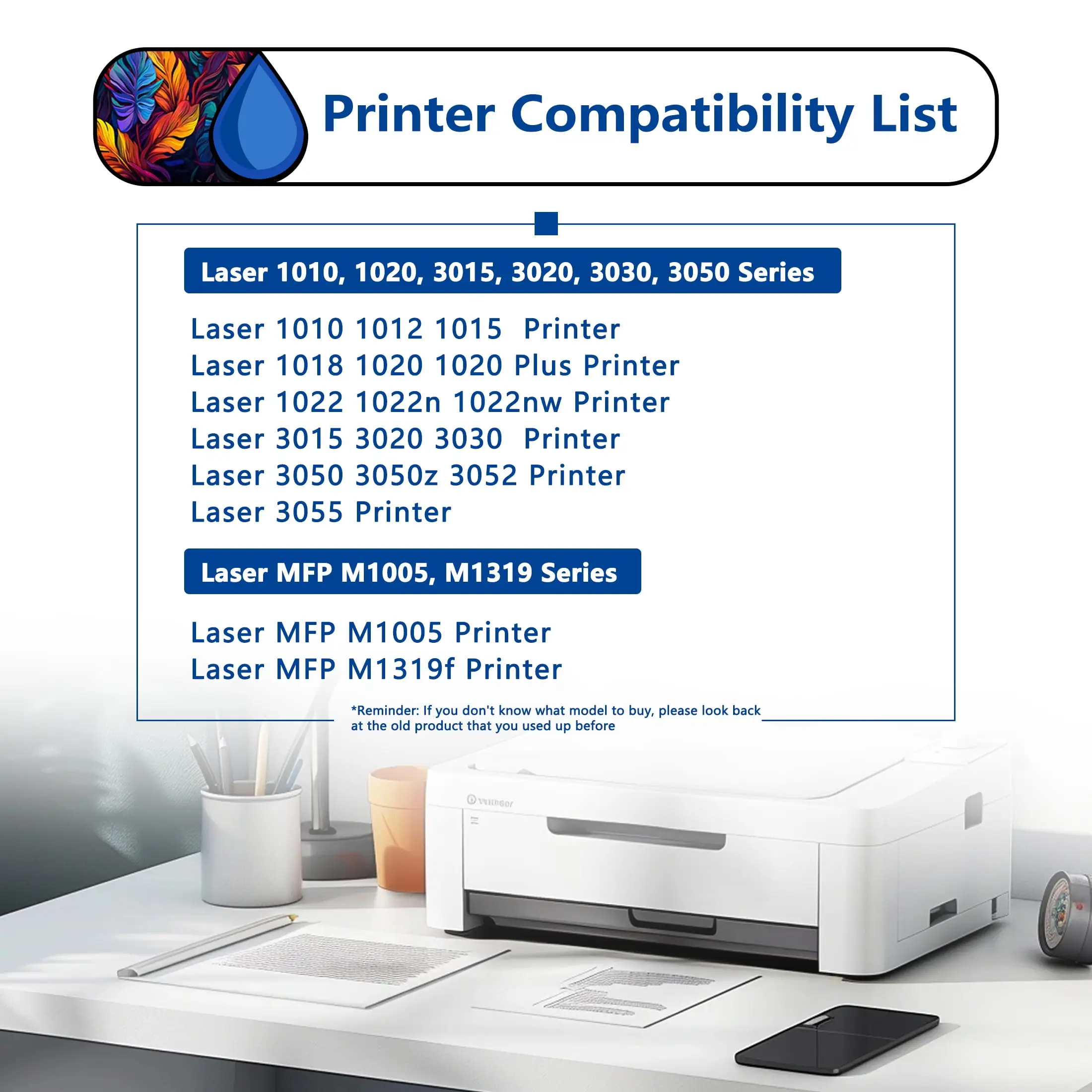
A: User feedback references older LaserJet models heavily. A Reddit user highlighted a “wired hp laser jet 1020,” and Staples reviewers mentioned compatibility like “perfect for my hp 1022.” The data repeatedly centers on the 1010/1020/1022-era LaserJets and similar MFPs.
Q: What are the most common problems with remanufactured 12A cartridges?
A: The most frequent complaints are faint output and mechanical noise. Staples reviewers reported “prints very light,” “tonier streaks… sometimes there is no toner,” and “a strange clicking noise.” These issues primarily affect users needing crisp, consistent documents without reprints.
Q: Is buying a 2-pack worth it?
A: For regular printers, many see it as savings and convenience. Best Buy reviewers said “2-pack is best deal,” and others liked having a spare. For light printers, one reviewer warned the toner may “take almost years to deplete,” making extra stock less appealing.
Final Verdict
Buy HP 12A Black Toner Cartridge (Q2612A) if you run an older HP LaserJet (like a 1020/1022) and want stable, professional output with long intervals between replacements—Best Buy reviewer marty’s “still worked!!” durability story is the kind of confidence boost these printers inspire.
Avoid it (or at least avoid remanufactured “12A replacements”) if you can’t tolerate risk of defects. Staples reviewers didn’t mince words: “prints very light no good,” and one buyer hit a worst-case loop where a replacement “did not work just like the first one.”
Pro tip from the community: if prints start fading before you’re ready to replace, a Reddit user suggests extending usability by “taking the cartridge out of the printer and shaking it around”—a small ritual that longtime LaserJet owners treat as part of keeping these machines running.