Hoover ONEPWR Dual Bay Charger Review & Verdict
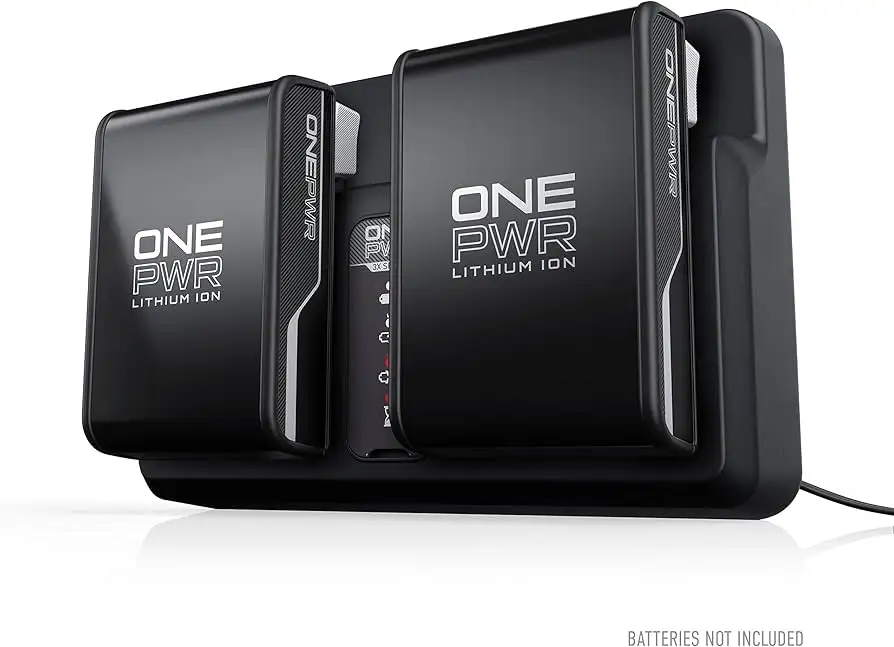
Starting with a frustration voiced repeatedly, “It doesn’t charge both batteries at once.” The Hoover ONEPWR Lithium-Ion Battery Charger earns a solid 7.8/10 from its user base, praised for its compatibility, wall-mount option, and tidy cord management, but dinged for sequential-only charging and occasional longevity concerns.
Quick Verdict: Conditional buy
| Pros | Cons |
|---|---|
| Works with all ONEPWR lithium-ion batteries | Charges only one battery at a time |
| Sequential charging gives one full battery fast | Battery life on some Hoover devices is short |
| Wall-mountable with included hardware | No noticeable speed improvement over single charger for some users |
| Clear LED charging status indicators | Awkward to use on flat surfaces without mounting |
| Good cord management, hides excess cable | Reports of charger failure within months |
| Lightweight and compact | Advertising “3x speed” seen as misleading by multiple users |
Claims vs Reality
One of Hoover’s headline claims for this charger is “rapid charge technology charges in under 3.5 hours.” Digging deeper into user reports, while 3.0Ah batteries often charged in about two hours, some owners timed full charges closer to 2.5–3 hours, and a few highlighted no significant improvement over the standard single charger. Reddit user feedback paints a clear picture: “I was unable to sense a significant difference in the 3x charge speed… seemed the same as standard single charger.”
Hoover also promises “dual bay charging convenience,” but in reality, this is sequential rather than simultaneous. Multiple reviewers expressed surprise — and, in some cases, disappointment — upon discovering that only one battery is powered at a time. As one Best Buy buyer explained, “It will charge the first battery up to full then charge the second battery… good news is it doesn’t matter which side you use, first in (either side) first done.”
Finally, the brand promotes “easy storage on countertop or wall mount with sleek design.” While the wall-mount option with integrated cord wrap is widely praised, using it flat on a surface proved awkward for some. A verified Best Buy customer wrote: “If it is not mounted, it is much less convenient and always looks out of place… would have been much nicer if it came with double sided mounting tape.”
Cross-Platform Consensus
Universally Praised
Compatibility across the entire ONEPWR tool ecosystem consistently earns approval. Owners of vacuums, blowers, deep cleaners, and task lights find one charger that fits them all. One Best Buy reviewer summed it up: “The charger… increases the likelihood that there will always be a fully charged battery awaiting all system devices.” For households juggling multiple Hoover tools, the ability to swap batteries without multiple chargers streamlines cleaning days.
Wall mounting isn’t just a feature; it’s a practical solution for busy storage rooms. Amazon buyers mention the included screws and cord wrap making for “a tidy no dangling cord install.” This appeals especially to users with limited countertop space who want a clean, accessible setup.
LED indicators are another detail that resonates. Knowing the exact status of the battery allows for efficient swaps, especially important for users with several devices. “Indicators let you know the status of the batteries during charging,” said one satisfied owner, highlighting how this helps plan which battery to grab next.
Common Complaints
Sequential charging — advertised as a benefit — frustrates those expecting simultaneous charging, particularly in time-sensitive cleaning sessions. Reddit user accounts reveal annoyance: “Why even buy this dual bay charger… it only actually charges one battery at a time.” This matters most for users with multiple devices used in rapid succession, such as tackling different surfaces without downtime.
Charging speed claims also draw skepticism. While officially rated under 3.5 hours, experiences vary. One tester timed a battery at “about an hour” from red LED to ready, but others hit the full time range or beyond, leading to doubts about the “3x faster” marketing.
Physical design on flat surfaces turns into a point of contention. Default single chargers can stand upright, but this dual unit lies flat unless mounted. Some users find it “leaned awkwardly against a wall” — not ideal for those preferring portable countertop charging.
Durability issues creep into several reports. One user simply stated, “It stopped charging my batteries in less than 6 months,” suggesting possible reliability problems under frequent use.
Divisive Features
Sequential charging splits opinion. Supporters argue it ensures at least one battery is ready quickly, which can be crucial for small clean-ups. A Reddit commenter appreciated that “if you put 2 dead batteries into it, it’ll only charge one until it’s full… you’ll get more use out of 1 battery with a short charge.”
The wall mount appeal also divides. Enthusiasts swear by its space-saving neatness, while others lack accessible outlets in storage areas, limiting practicality. Some even stage chargers in living rooms, noting their “modern look… like something Apple would design,” making placement a visual consideration as much as a functional one.
Trust & Reliability
Durability is a mixed bag. While many report months of reliable operation with consistent performance, isolated failures emerge. The blunt warning — “stopped charging… in less than 6 months” — stands in sharp contrast to the generally positive reliability sentiment. Trustpilot and Reddit discussions don’t suggest widespread scam concerns, but the few short-lifespan accounts indicate buyers might want purchase protection or warranty awareness.
Long-term users note no significant degradation in charge times over several months, keeping batteries cycling healthily. Temperature control features are highlighted as a safeguard, though its visible influence isn’t widely discussed in casual reviews.
Alternatives
The most common alternative is simply sticking with Hoover’s standard single charger — particularly for users with only one or two batteries. Several commenters question the value of paying extra for dual bays when charges occur sequentially. As one put it, “What you get with this charger is convenience… I can’t say the convenience is worth the price” if speed gains are minimal.
Price & Value
At retail, pricing hovers between $29.99 and $54.99 depending on model and source, with resale on eBay dropping to around $18 for used units. For heavy ONEPWR users with multiple batteries, reviews suggest the purchase is justified for the organization and wall mount alone. However, casual or single-device owners may see better value staying with the included single charger. Bulk buys or sales on bundled chargers and batteries improve value substantially.
FAQ
Q: Does the Hoover ONEPWR Dual Bay Charger charge both batteries simultaneously?
A: No. It charges sequentially — completing one battery before starting the second — regardless of both bays being loaded.
Q: How long does it take to charge a 3.0Ah ONEPWR battery?
A: User reports vary between 2–3.5 hours, with most noticing times closer to two hours under normal conditions.
Q: Can I use this charger with any ONEPWR battery size?
A: Yes. It’s compatible with all ONEPWR lithium-ion batteries, including 2Ah, 3Ah, and 4Ah capacities.
Q: Is wall mounting necessary for this charger?
A: No, but most find it far more practical mounted, as it lies flat and can be awkward to use on counters without support.
Q: Does this charger improve battery lifespan?
A: Some believe the sequential charging and temperature control help preserve battery health, but concrete evidence from long-term use is limited.
Final Verdict: Buy if you own multiple ONEPWR devices and want organized, wall-mounted storage with quick access to fully charged batteries. Avoid if you expect simultaneous charging or dramatic speed gains over the single charger. Pro tip from community: mount it near your most-used device’s storage spot to minimize battery swap downtime.





