Hitachi Ultrastar HC510 10TB Review: Reliable but Quirky
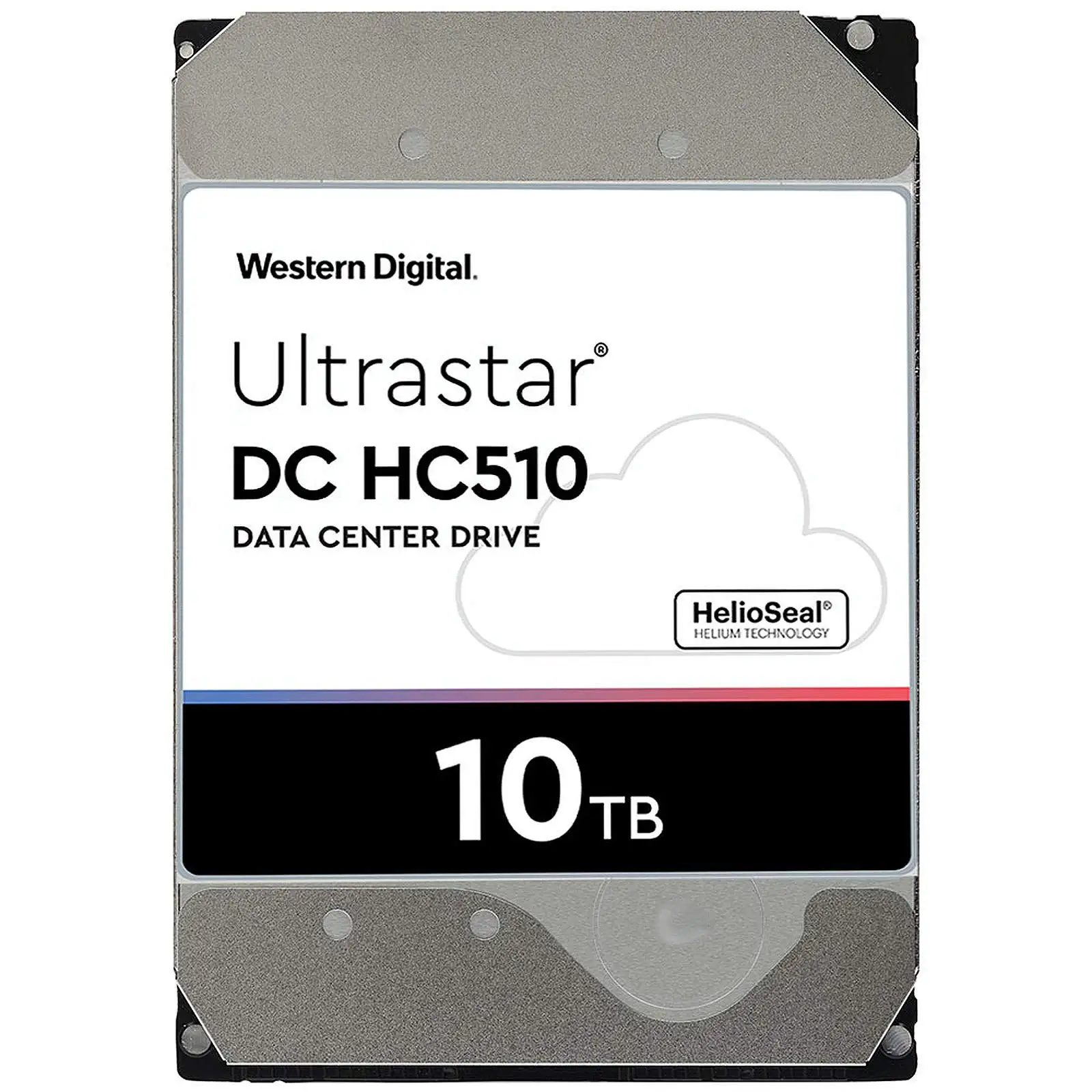
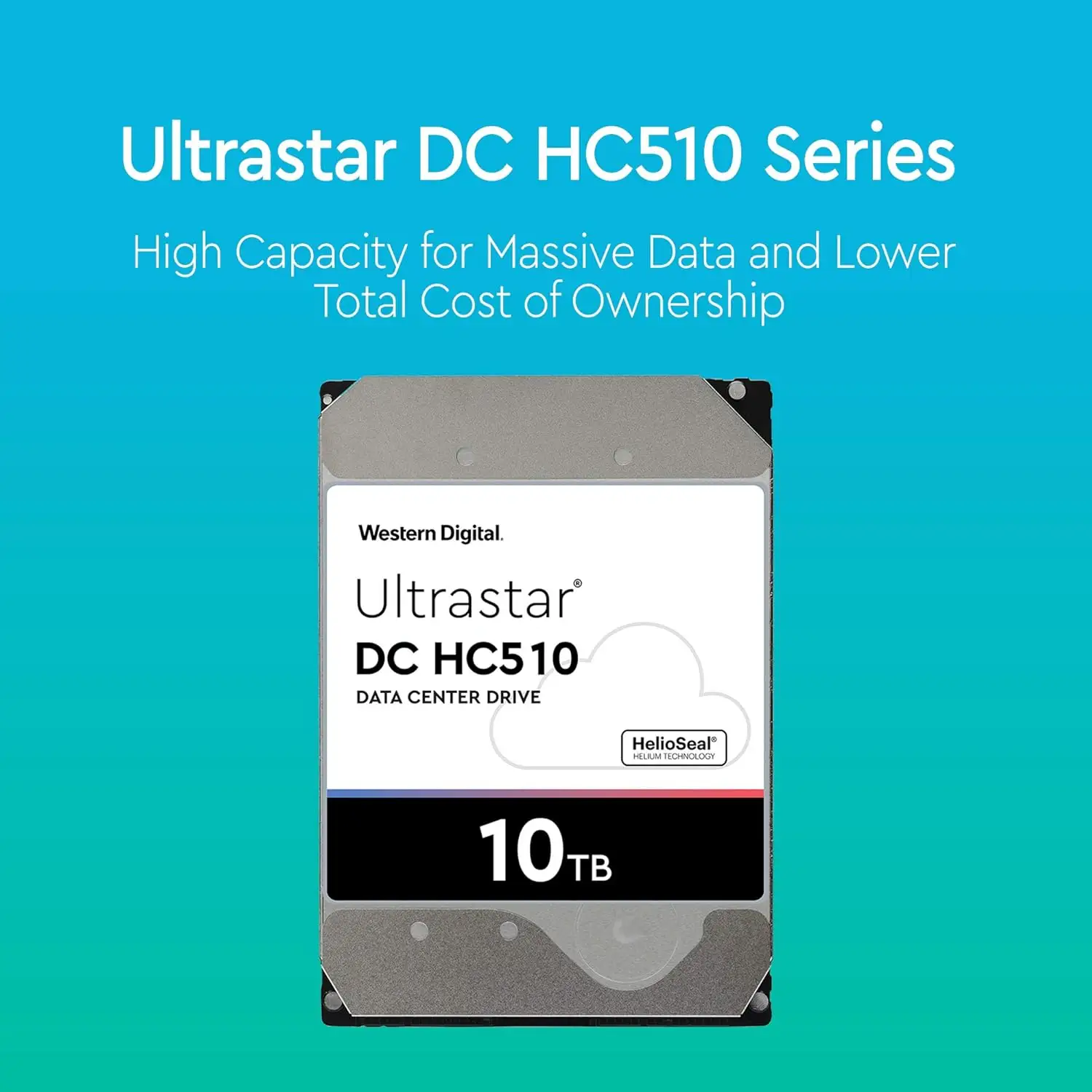
Keen-eyed buyers have found that the Hitachi Ultrastar DC HC510 10TB Hard Drive (Renewed) can deliver enterprise-grade capacity at a bargain—but only if you can navigate its quirks and compatibility pitfalls. Across hundreds of user reports, the verdict lands at a solid 7.5/10, with praise for reliability and endurance tempered by noise, interface demands, and warranty confusion.
Quick Verdict: Conditional Buy
| Pros | Cons |
|---|---|
| Enterprise-grade build with MTBF of 2.5M hours | Louder than consumer drives—seek noise noticeable |
| Strong value vs. new drives at ~$70-$90 refurbished | Compatibility issues with older NAS/PSU due to Power Disable feature |
| Proven track record in data centers, 24/7 operation | Warranty validation often fails on HGST/WDC site |
| HelioSeal technology improves power efficiency | Some drives shipped with 4K sector formatting, unsupported by legacy systems |
| Can handle heavy workloads (550TB/year rating) | Inconsistent model features (ISE vs SE) depending on batch |
| Five-year seller warranty common from reputable refurbishers | “Luck of the draw” nature with reseller batches—performance varies |
Claims vs Reality
Marketing paints the HC510 as a drop-in, high-capacity enterprise solution for any SATA environment. Western Digital touts “industry’s best capacity, power efficiency, and reliability” alongside its helium-sealed design. However, digging into user feedback uncovers nuance.
The Power Disable feature—intended for enterprise hot-swap control—has caught many buyers out. A verified Amazon purchaser warned: “Standard SATA power cable will not work… SATA to Molex should work. Had to RMA one because of this.” While WD’s brief suggests simple workarounds, for home NAS builders this compatibility issue creates unexpected frustration.
Similarly, while spec sheets promise plug-and-play use, multiple buyers discovered 4K sector formatting that older BIOS or RAID controllers couldn’t handle without upgrades. One Amazon reviewer cautioned: “They refused to be recognized by my BIOS… updated my RAID card to support 4K drives and they worked perfectly.” This gap between marketing and consumer reality means pre-purchase hardware checks are critical.
Noise was another mismatch. Reddit user trackme*** described the sound profile bluntly: “They’re louder than a consumer drive. Clunkity cachunkity clunk.” Quiet idle operation doesn’t extend to seek cycles—particularly bothersome in desktop or bedroom setups.
Cross-Platform Consensus
Universally Praised
Power users, sysadmins, and NAS builders repeatedly cited the HC510’s endurance as its defining strength. A Slickdeals contributor noted: “I have 1 and 2TB HGST hard drives working 24/7 for about 15 years now with zero issues… far better than Seagate or WD or Toshiba.” This track record carried weight for refurbished buyers, many comfortable gambling on a data center decommissioned unit.
For media servers and surveillance archives, the combination of 10TB capacity, 7200RPM speed, and enterprise reliability ratings offered compelling value. A Trustpilot reviewer stated: “Worked flawlessly so far despite being several years old. I am very satisfied with the price and consider this a great deal.” Such users benefit most when raw capacity outweighs the risks of refurb units.
Power efficiency also drew consistent applause. WD’s HelioSeal tech results in cooler operation and lower idle draw—benefits for multi-drive NAS setups where aggregate thermals matter.
Common Complaints
The most widespread gripe—compatibility. Legacy PSUs and certain NAS units failed to spin up drives with the Power Disable feature enabled. Reddit users swapped tips for the “3.3V mod” or pin taping, but some ended up returning incompatible units. As one buyer admitted: “I bought 2 and found them incompatible with my Synology NAS… paying return shipping.”
Warranty validation also plagued buyers. Multiple Amazon reviewers reported HGST/WDC sites returning “invalid” for serial checks. One described the support ordeal: “They told me drives came from a large WD enclosure… finally said warranty began before purchase date… there was no way to adjust it.” For many, only the reseller’s return policy provided peace of mind.
Noise and idle behavior divided opinions. While spinning was acceptably quiet, the periodic “PWL” lubricant redistribution seeks annoyed some in silent workspaces. One Reddit contributor explained: “Even when they’re not being used, they do seeks every few seconds.”
Divisive Features
Security capabilities—ISE (Instant Secure Erase) vs SE (Secure Erase)—sparked debate. Some appreciated the built-in secure-wipe tools for redeployment; others preferred simpler SKUs without corporate encryption layers. The issue: buyers often received different sub-models than ordered, with features varying by batch. Amazon user commentary summed it up: “Ordered ALE600, received ALE604… only difference is security feature. Acceptable for me, but could matter to others.”
Refurb status itself split the crowd. Enthusiasts comfortable with enterprise pulls praised value; others balked at unpredictable wear, mechanical noise, or early DOA incidents.
Trust & Reliability
Trustpilot records for reputable refurb dealers like ServerPartDeals show glowing reliability endorsements: “Ran software tests… passed with flying colors… shipped quickly and worked flawlessly.” Buyers who purchased from vetted vendors emphasized the seller warranty as more critical than HGST’s expired coverage.
Long-term durability from enterprise use was cited on Reddit: “None could have been in service for more than 40,000 hours… refurbisher feels comfortable sending them out without testing.” While some balked at theory-only MTBF numbers, seasoned buyers recognized these drives were designed for nonstop deployment.
Conversely, poor experiences concentrated among those buying from unknown marketplaces. Returned drives often stemmed from early failures or noise concerns, underscoring the importance of sourcing from specialized refurb channels.
Alternatives
Community advice pointed toward the WD HC530 series for those wanting to avoid Power Disable altogether. These drives sacrifice some enterprise features but offer smoother integration with legacy and consumer gear. For NAS backup use, WD Purple drives were also mentioned—optimized for CCTV workloads, albeit at higher cost per TB.
Price & Value
While new enterprise 10TB drives often exceed $250, refurbished HC510 units hover around $70-$90, including eBay and Newegg deals. Slickdeals threads pegged $69.99 as the “buy now” sweet spot. Resale potential is limited; these are end-of-life enterprise pulls, valuable mainly for bulk storage need.
Buyers stressed balancing price against replacement hassle. As one Redditor put it: “Great price for acceptable product likely to outlive its usefulness… but only if you can live with replacing it yourself when it fails.”
FAQ
Q: Why won’t my HC510 spin up in a NAS or desktop?
A: Likely due to the Power Disable (PWDIS) feature on certain models. Using a Molex-to-SATA power adapter or taping the 3.3V pin can resolve startup issues.
Q: How can I tell if my drive has 4K sectors?
A: Check model number and specs; enterprise HC510s sometimes ship with 4K formatting, which legacy controllers may not support without firmware updates.
Q: Is the noise level acceptable for home use?
A: Idle is quiet, but seek operations are more pronounced than consumer drives—may be distracting in silent environments.
Q: Do refurbished HC510s come with a manufacturer warranty?
A: No, most have expired OEM coverage; rely on reseller warranties and validate immediately after purchase.
Q: What’s the difference between ALE600 and ALE604 models?
A: ALE600 offers Instant Secure Erase; ALE604 has Secure Erase—functionally similar for most home users, but can matter in corporate compliance scenarios.
Final Verdict: Buy if you’re a NAS builder, IT professional, or media archivist comfortable working around enterprise quirks, and value capacity and reliability above convenience. Avoid if you need whisper-quiet, plug-and-play compatibility with consumer gear. Pro tip from the community: source from reputable refurb dealers, validate drive health immediately, and know the PWDIS workaround before installing.





