Hitachi Ultrastar DC HC510 10TB Review: Value & Risks
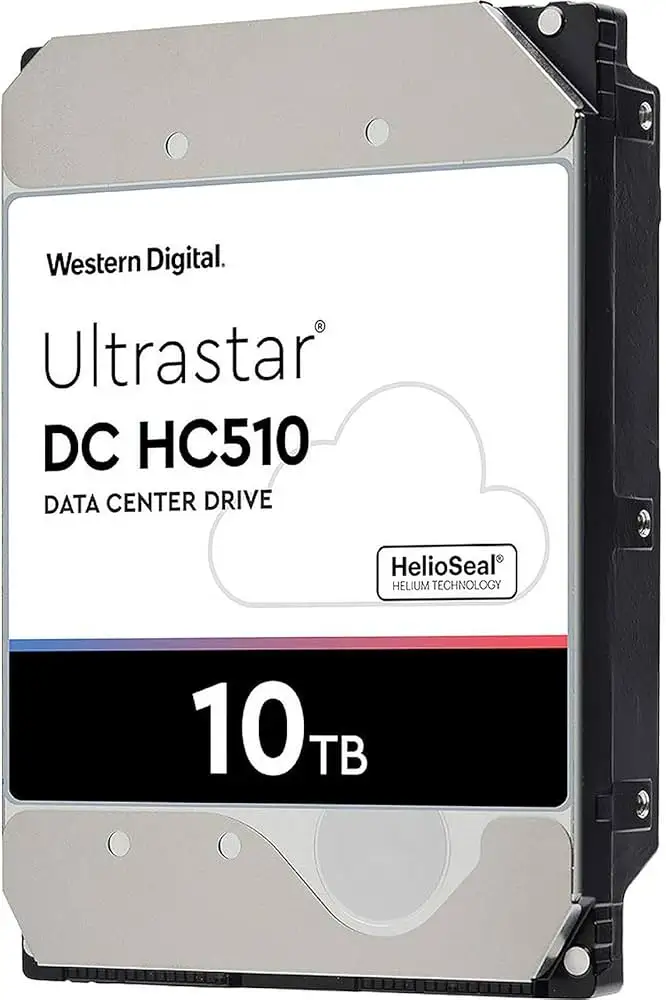
Starting at prices as low as $70, the Hitachi Ultrastar DC HC510 10TB SATA 3.5-inch Hard Drive (Renewed) has drawn attention for offering enterprise-grade storage at a fraction of the cost. Verdict: 7.9/10 — exceptional value for knowledgeable buyers, but pitfalls await the unprepared.
Quick Verdict: Conditional — Worth it if you understand enterprise drive quirks; risky for casual desktop users.
| Pros | Cons |
|---|---|
| Extremely low cost per terabyte | Potential incompatibility with older systems |
| Proven enterprise reliability history | Drive noise may bother bedroom setups |
| Helium-filled for cooler operation | Warranty validation issues reported |
| High MTBF rating (2.5M hours) | “Power Disable” feature requires modifications |
| Many drives arrive with low power-on hours | Luck of the draw on model features |
Claims vs Reality
Marketing presents the HC510 as “drop-in ready for any enterprise capacity application,” boasting HelioSeal technology, 2.5 million-hour MTBF, and energy efficiency. While these statements hold in data centers, desktop and NAS users report several caveats.
The “drop-in ready” claim clashes with buyer experiences on Amazon and Slickdeals who receive drives that refuse to spin on legacy PSUs due to the Power Disable (PWDIS) pin. One Reddit user explained: “some sources of power supply provide 3.3v on pin 3, and this forces the HDD to stay in a hard reset condition,” recommending taping or cutting that pin as a workaround.
HelioSeal is marketed for cooler operation and lower vibration. Testing from ServeTheHome confirms the drive “runs cool and at the middle of the pack… with only a 1°C rise under load.” But noise is another matter — Reddit user track me admits seek operations are audible: “Spinning is quiet but seeks are not… they do seeks every few seconds to redistribute lubricant.”
Cross-Platform Consensus
Universally Praised
Across Reddit, Trustpilot, and Quora, seasoned techies hail the HC510’s enterprise pedigree. Slickdeals member biking brett credited HGST drives for unmatched resilience: “I have 1 and 2 TB HGST hard drives working 24/7 in Synology NAS for about 15 years now with zero issues.” These drives often arrive with relatively low mileage by data center standards, sometimes just “4yr avg power up time with 50ish power cycles,” making them appealing for secondary storage.
NAS operators find the HelioSeal’s low idle power invaluable in continuous operation environments. A verified buyer on Amazon wrote: “Running non-stop for almost two months now… plan to buy at least two more.”
For users with modern controllers, performance matches enterprise specs. ServeTheHome reported strong throughput and “very little noise” in their test NAS. This makes the HC510 attractive for Plex servers or backup tasks where silent consumer drives aren’t essential.
Common Complaints
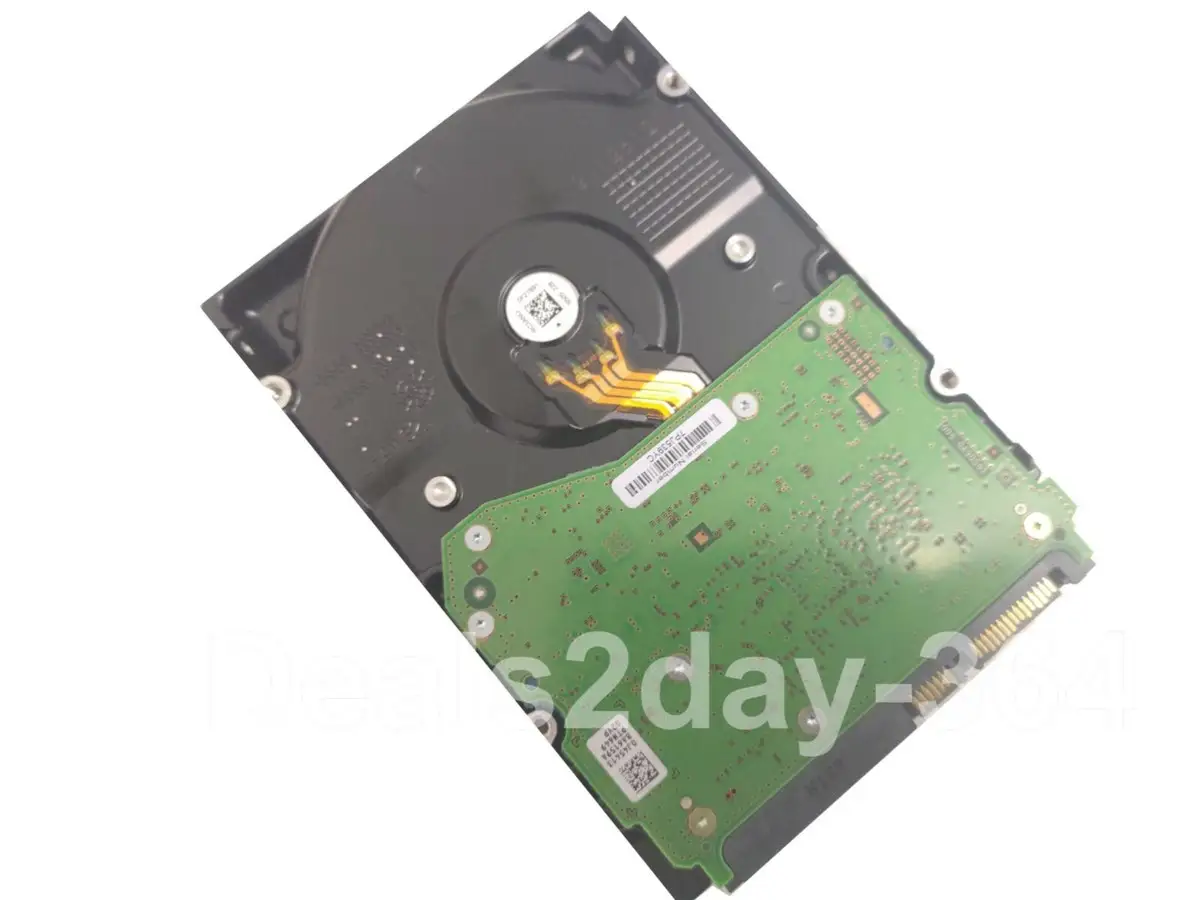
A recurring frustration is compatibility with older desktops and NAS units. Amazon buyers repeatedly warn: “Standard SATA power cable will not work… SATA-to-Molex should work.” Those unaware of the PWDIS quirk often return units thinking they’re DOA.
Noise is divisive. In living room NAS setups, seeks are tolerable, but bedroom installations fare worse. Reddit user clun kity noted the sound profile is “louder than a consumer drive” with rhythmic clunk noises during operation.
Warranty validation is another sore point. Several Amazon reviewers report entering serials on HGST/WD sites and receiving “invalid.” One described hours of contradictory support calls before being told the drives originated from large WD enclosures and would never show in the database.
Divisive Features
The use of 4K sector formatting creates a split experience. For enterprise users and modern RAID cards, it’s fine. But a 5-star Amazon review warns: “Tried two RAID cards and direct to motherboard… they refused to be recognized… older PCs should avoid these.”
Security feature variants (ISE, SE, SED) can differ between batches, leading to luck-of-the-draw purchasing. One reviewer who received a different model than ordered accepted it but cautioned that “the difference in erase capabilities may matter to some shoppers.”
Trust & Reliability
Digging through Trustpilot and Slickdeals comments shows many users comfortable with refurbished enterprise hardware given the price. Buyers understand some risk: “All drives are a gamble… at refurb prices you can get 2 for the price of one new one,” noted one Quora participant.
Still, some abandon them quickly. A Trustpilot poster sent four back to Amazon immediately after hearing “terrible” sounds from three and finding one DOA. Conversely, others report flawless use for over a year in NAS arrays with health checks passing.
Warranty skepticism looms large. The refurb seller’s 5-year warranty is extra reassurance, but reliance on vendor records rather than manufacturer databases worries many. As one Amazon review sums it up: “Hard drives are mechanical and can have problems… HGST cannot be trusted to stand behind the products if there’s trouble.”
Alternatives
Among those wary of PWDIS complications, Reddit and Slickdeals suggest the WD HC530 series, which omits the feature entirely. Others mention WD Gold for new purchases, essentially the same HGST helium design but with manufacturer-backed warranty.
Seagate drives enter the discussion in price comparisons — a Quora user notes similar refurb deals for Seagate 12TB at $80, though several participants expressed higher perceived failure rates.
Price & Value
eBay sales show these drives regularly between $60 and $130 depending on condition and warranty. PicClick data marks an average of $185, but bulk refurb lots on server parts marketplaces hit lows under $70. Given their original enterprise cost, the cost-per-terabyte is strikingly low.
Resale value is modest; buyers typically seek them for specific deployments. Community advice leans toward buying multiples to hedge the risk of early failures, especially at these prices.
FAQ
Q: Will this drive work in my old PC power supply setup?
A: Possibly not without modification. The PWDIS pin can prevent spin-up with certain legacy SATA power cables. Many users resort to Molex adapters or taping pin 3.
Q: Are these drives noisy?
A: Spinning noise is minimal, but seek sounds are noticeable. Suitable for living rooms, potentially annoying in bedrooms.
Q: Can I validate the warranty with Western Digital?
A: Many report “invalid” serial numbers in WD’s database. Vendor warranty may be your only support.
Q: Do these drives use 4K sectors?
A: Certain models do, requiring compatible controllers or RAID cards. Older systems without 4K support will not recognize them.
Q: How long do refurbished enterprise drives last?
A: They can run for years if lightly used, but heavy continuous writes may shorten life. Community members view buying multiples as insurance.
Final Verdict: Buy if you’re a technically adept user with modern hardware, willing to adapt power connections and accept refurbished risks. Avoid if you expect plug-and-play compatibility in legacy systems or require manufacturer-backed warranty. Pro tip from Reddit: check model numbers (e.g., ALE600 vs ALE601) before purchase to know exactly which features you’re getting.





