Google Coral USB Accelerator Review: Worth the Speed Boost?
A Reddit user summed it up bluntly: “From 80 ms down to 10 ms is a huge improvement.” That single metric captures why the Google Coral USB Accelerator scores a solid 7.8/10 in user consensus — transformative speed gains in ML inferencing at low power, but weighed down by outdated software support, stock shortages, and formidable competition.
Quick Verdict: Conditional buy — excellent for low-power, on-device ML with Frigate or TensorFlow Lite, but poor stock availability and aging ecosystem mean alternatives might offer more future-proofing.
| Pros | Cons |
|---|---|
| Dramatic drop in inference times (e.g., 80 ms → 10 ms) | Long-term software stagnation since 2019 |
| Significant CPU load reduction | Chronic stock shortages, often months-long waits |
| Low power draw (~0.5 W per TOPS) | Overheating risk in USB version without efficiency mode |
| Cross-platform (Linux, macOS, Windows) | Runs only small TensorFlow Lite models |
| Plug-and-play for Frigate/home surveillance | Limited compatibility with modern ML architectures |
| Privacy-preserving local processing | Competes poorly on TOPS against newer rivals |
| Lightweight and portable | Requires powered USB hub for Pi setups |
Claims vs Reality
Google markets the Coral USB Accelerator as “capable of performing 4 trillion operations per second” and “executing Mobilenet V2 at almost 400 FPS.” While technically accurate in benchmark conditions, real-world workloads tell a different story.
Digging deeper into user reports, the headline 4 TOPS performance is often tempered by workload complexity. Verified Frigate users repeatedly cite 10 ms inference times for USB models and ~5-7 ms for PCIe variants — a massive leap over CPU averages (80-120 ms) but still bounded by the models it can run. On Hacker News, one developer complained: “Beyond basic examples with Google’s own ecosystem I wasn’t able to run anything else... hoping an upgrade but it seems to be the same old one.”
The “cross-platform” claim holds up better — numerous Reddit users run Coral seamlessly on Raspberry Pi 4, Intel mini-PCs, and repurposed desktops. However, the “supports all major platforms” narrative hides a crucial caveat: versions of Debian, Python, and TensorFlow Lite often require downgrades. One Hacker News discussion warned that “Coral is not particularly well maintained and you might need to downgrade to an older version of Debian.”
Cross-Platform Consensus
Universally Praised
For home surveillance users running Frigate, Coral delivers game-changing responsiveness. Reddit user Alan Pilz noted CPU usage plunging from 75% to 30% after switching to Coral, with inference dropping to 8 ms across seven 1080p cameras. Another added: “Way faster than CPU... spider webs over cameras used to ruin detections, now they don’t.”
Low power consumption is another standout. One user contrasted Coral’s 0.5 W draw with the beefy GeForce 1080 they previously used for detection. This energy efficiency resonates strongly with Raspberry Pi hobbyists and anyone mindful of off-grid deployments.
Portability and ease of demo work also earn praise. A frequent refrain: “You can get it to work on practically any machine. Great for demos.”
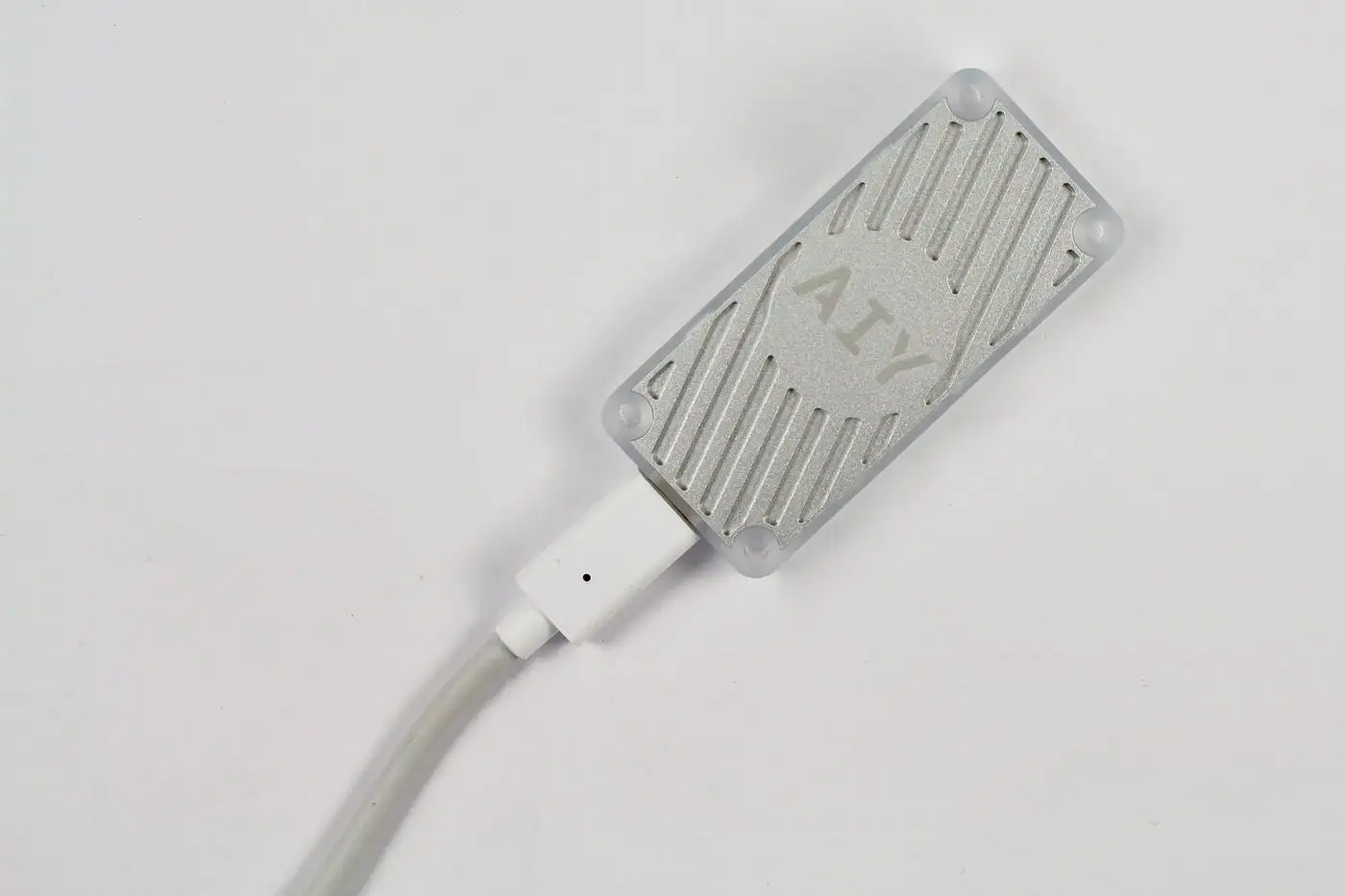
Common Complaints
Availability remains the Achilles' heel. GitHub threads detail year-long waits, shifting delivery estimates, and scalper prices exceeding $300. Even when stock appears, it vanishes within hours. A frustrated buyer wrote: “I’ve been chasing this mirage since last November... date keeps slipping every day.”
Thermal performance is another concern. Multiple reports say the USB version overheats unless set to high-efficiency mode, which “defeats the purpose.” Powered USB hubs are deemed essential by Pi users to avoid erratic behavior.
Finally, Google’s perceived abandonment of the ecosystem gnaws at trust. One Hacker News commenter lamented, “Nothing new here since 2019... basically abandoned and only works with older versions of Python.”
Divisive Features
The Coral’s narrow TensorFlow Lite compatibility splits opinion. Enthusiasts who stick with supported architectures (Mobilenet, Inception) see it as “rock solid” for embedded AI, while experimental users bristle at the lack of modern model support — one quipped, “I attempted some YOLO ports… was hoping an upgrade, but it's the same old one.”
Power-users debate Coral’s standing against rivals like Hailo-8 and Nvidia Jetson. Some insist Coral’s low price and USB form factor make it unique; others point to superior TOPS and better documentation elsewhere.
Trust & Reliability
Stock scarcity has spurred scalping and skepticism, but when units arrive, they tend to perform consistently. Users report years of sustained Frigate operation (“been running mine for 2 years”) with stable inference speeds and minimal hardware failure.
The long-term trust issue centers on Google’s product support habits. Hacker News threads recall “talented engineers and projects cancelled” and predict Coral will be sunset without warning. Developers wary of integration cite the need for at least five years of availability — a promise Google has not made here.
Alternatives
Hailo emerges as the most cited competitor, particularly the $80 Pi-compatible Hailo-8L hat boasting “more than 3x the compute power of the Coral USB.” Larger Hailo-8 variants surpass 6x the Coral’s TOPS at ~$135.
Nvidia Jetson Orin Nano, at $250, dwarfs Coral’s performance at 67 TOPS, though complexity and power draw increase significantly. For budget builds, Intel’s OpenVINO on a <$200 mini-PC often suffices for multiple camera feeds without an accelerator at all.
As one Redditor concluded after testing: “Glad I tried OpenVINO first… probably could have handled more cameras without buying an accelerator.”
Price & Value
Prices have swung wildly. Amazon listings hover around $145, while community members report snagging units for €66–€80 during rare restocks. COVID-era shortages saw resales at $450. eBay averages $140–$150 plus shipping, but auctions climb higher when scarcity bites.
Buying tips from the community:
- Monitor niche vendors (BuyZero.de, Okdo) which sometimes bundle Coral in kits.
- Sign up for restock alerts from Pi Hut and Welectron.
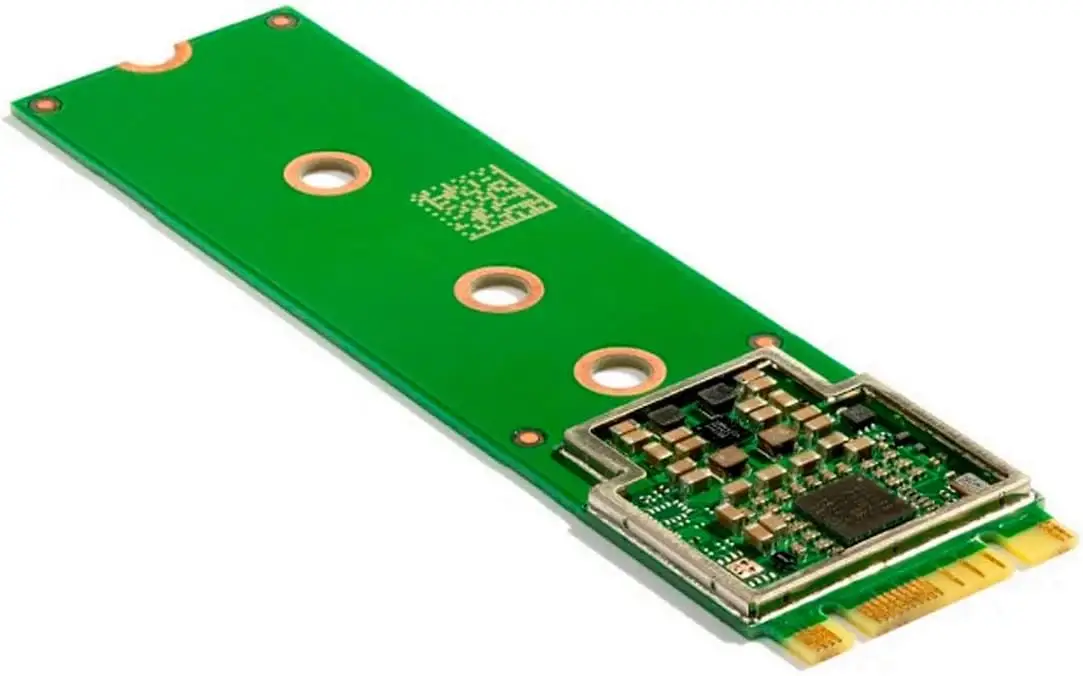
- Consider PCIe or M.2 Coral variants if USB stock is unavailable — often cheaper and more reliable.
FAQ
Q: Does the Coral USB Accelerator improve Frigate performance with few cameras?
A: Yes — even small setups benefit from lower inference latency. Users report drops from ~100 ms CPU detection to ~10 ms with Coral, improving responsiveness and reducing skipped frames.
Q: Will Coral help with video decoding?
A: No — it accelerates object detection only. As GitHub users note, green-screen artifacts often stem from GPU memory limits during decoding, which Coral does not address.
Q: Is a powered USB hub necessary?
A: Strongly recommended for Raspberry Pi users to prevent intermittent detection failures, especially when running SSDs or other peripherals.
Q: Can I run YOLO models on Coral?
A: Possible via specific TensorFlow Lite conversions, but tricky. One GitHub contributor advises adjusting input shapes and avoiding PyTorch channel ordering issues.
Q: How does Coral compare to Hailo-8 in compute power?
A: Hailo-8L offers >3x the Coral’s TOPS for ~$80, while full Hailo-8 exceeds 6x for ~$135, but lacks Coral’s plug-and-play USB convenience.
Final Verdict
Buy if you’re running Frigate or TensorFlow Lite models on low-power hardware and value plug-and-play USB acceleration. Avoid if you need support for diverse modern architectures, want future-proof software ecosystems, or cannot tolerate long stock waits. Pro tip from a veteran Frigate user: always factor in powered USB hubs for Pi builds — it’s the cheapest way to avoid Coral headaches.





