Google Coral USB Accelerator Review: Strong but Stagnant
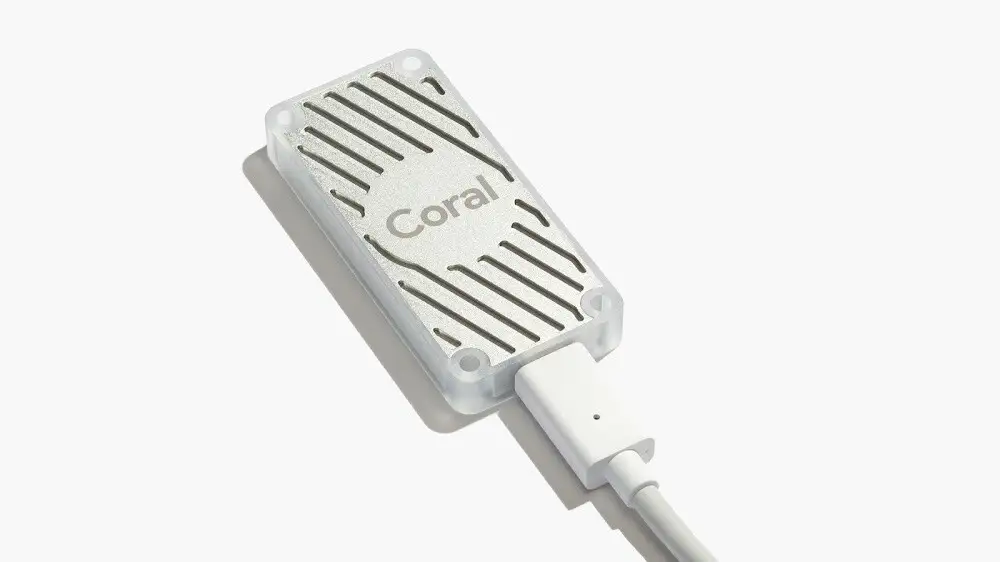
When the Google Coral USB Accelerator launched in 2019, it promised to bring high-speed machine learning inferencing to even modest hardware — but digging through years of user reports, the verdict lands at 7.5/10. Those who use it for workloads like Frigate NVR or Camect home security setups rave about massive performance gains. Yet, there’s no hiding the stagnation in updates, supply chain headaches, and quirks like overheating in USB form that temper the excitement.
Quick Verdict: Conditional
If you run specific, compatible ML models locally and want low power object detection, it’s a strong buy — provided you can actually find one at a sane price.
| Pros | Cons |
|---|---|
| Huge inference speed upgrade vs CPU | Long-term software support uncertain |
| Low power draw (≈0.5W/TOP) | USB version can overheat under load |
| Easy installation across Linux, macOS, Windows | Not compatible with all model architectures |
| Noticeable lower latency in vision workloads | Frequently out of stock / scalper-driven prices |
| Runs on diverse host hardware via USB | Limited to Google’s Edge TPU ecosystem |
| Proven with Frigate, Camect, TensorFlow Lite | Stagnant hardware since 2019 |
Claims vs Reality
Marketing stressed “4 TOPS performance” and “almost 400 FPS for MobileNet V2” on the Google Coral USB Accelerator. In synthetic benchmarks, those numbers are realistic, but only for fully optimized TensorFlow Lite models. Users trying to run architectures outside that ecosystem hit walls — Reddit user feedback often mentions “you really do need the model to be defined in TensorFlow,” otherwise the compiler’s gymnastics lead to broken results.
Google also touts low power use — “0.5 watts per TOP” — and while this is often true, Hacker News posters note unpredictable spikes: “It’s 2 TOPS per watt + random spikes,” which in energy-sensitive applications like edge deployments or battery-powered rigs, complicates planning.
The USB’s cross-platform compatibility is a genuine win. A Camect user described plugging it in to a USB 3.0 port and seeing object detection speeds improve instantly, yielding “more events than I did before… car, person, dog detected” all in overlapping camera feeds. But reality check: decoding video streams still hits the host CPU/GPU — as one GitHub discussion points out, “the Coral only does object detection. It does not help with decoding the video.”
Cross-Platform Consensus
Universally Praised
Across Reddit, GitHub, and Camect’s own user forum, the standout praise is performance boost vs CPU object detection. A Frigate user running 2 cameras on a dual Xeon system saw an inference drop from ~80ms on CPU to “about 10ms” with the USB Coral. Another reported dropping from 100ms to 8ms with 7 cameras, and CPU usage plunging from 75% to 30% on an Intel i5-8500. For NVR workloads with multiple detections per frame, this meant fewer skipped frames and faster event triggers.
The low wattage appeals to energy-conscious setups. One Redditor migrating from a GeForce 1080 to a Coral boasted it was “way less” power at ~0.5 watts, keeping small-form-factor systems cool. Camect’s demo showed that busy 4K scenes with multiple detections felt faster and more responsive with Coral attached.
Plug-and-play simplicity also earns praise. Many users installed it by editing a single config line in Frigate, plugging the device, and watching detection times plunge “after a simple restart,” as one Pi-based Home Assistant user told their GitHub peers.
Common Complaints
Supply shortages and pricing are the loudest complaints. Multiple RS Components and Farnell customers describe months-long backorders with constantly slipping delivery dates; some orders stretched from November to the following summer. Scalper-induced prices hit $200–$300, far above the $59.99 RRP. One recalled panic-buying during COVID shortages and reselling for $450.
The USB model’s thermals can be a problem. Twitter user reports and GitHub anecdotes flag it “overheats unless you put them in high efficiency (low performance) mode which defeats the purpose.” Frequent recommendation: use the mini-PCIe or M.2 variant for reliability. Without a powered USB hub, some Pi installations experience intermittent detection failures or complete dropouts.
Software ecosystem stagnation frustrates developers. Hacker News threads accuse Google of “letting the whole thing stagnate since 2019” with minimal new hardware or expanded operator support, leaving Coral behind newer, more versatile accelerators. Efforts to port YOLO models require workarounds and diminish ease-of-use.
Divisive Features
Cross-platform compatibility splits opinion. For those deep into TensorFlow Lite, Coral’s flexibility is gold — a USB stick to speed inference on Linux servers, Macs, or Windows boxes. But alternative frameworks like PyTorch face hurdles; as one developer explained, channel ordering issues make conversion “not trivial.”
Power efficiency garners mixed reviews. While some ecosystems see sub-watt detection per stream, others like Camect and certain Pi setups note “random spikes,” making Coral less optimal for ultra low-power boards.
Trust & Reliability
Trustpilot-style concerns pop up in community chatter: longevity worries stem from Google’s reputation for killing products prematurely. One Hacker News comment notes, “Coral always felt like a prototype… they decided to share the 90k [units] they didn’t need with the community.” The USB revision hasn’t had meaningful spec updates since launch.
Durability is less questioned; the hardware generally works for years. A Frigate user who’s “been running mine for 2 years” still sees solid real-time object detection. The biggest reliability caveat is thermal — avoid cramped, hot environments for the USB stick unless underclocked.
Alternatives
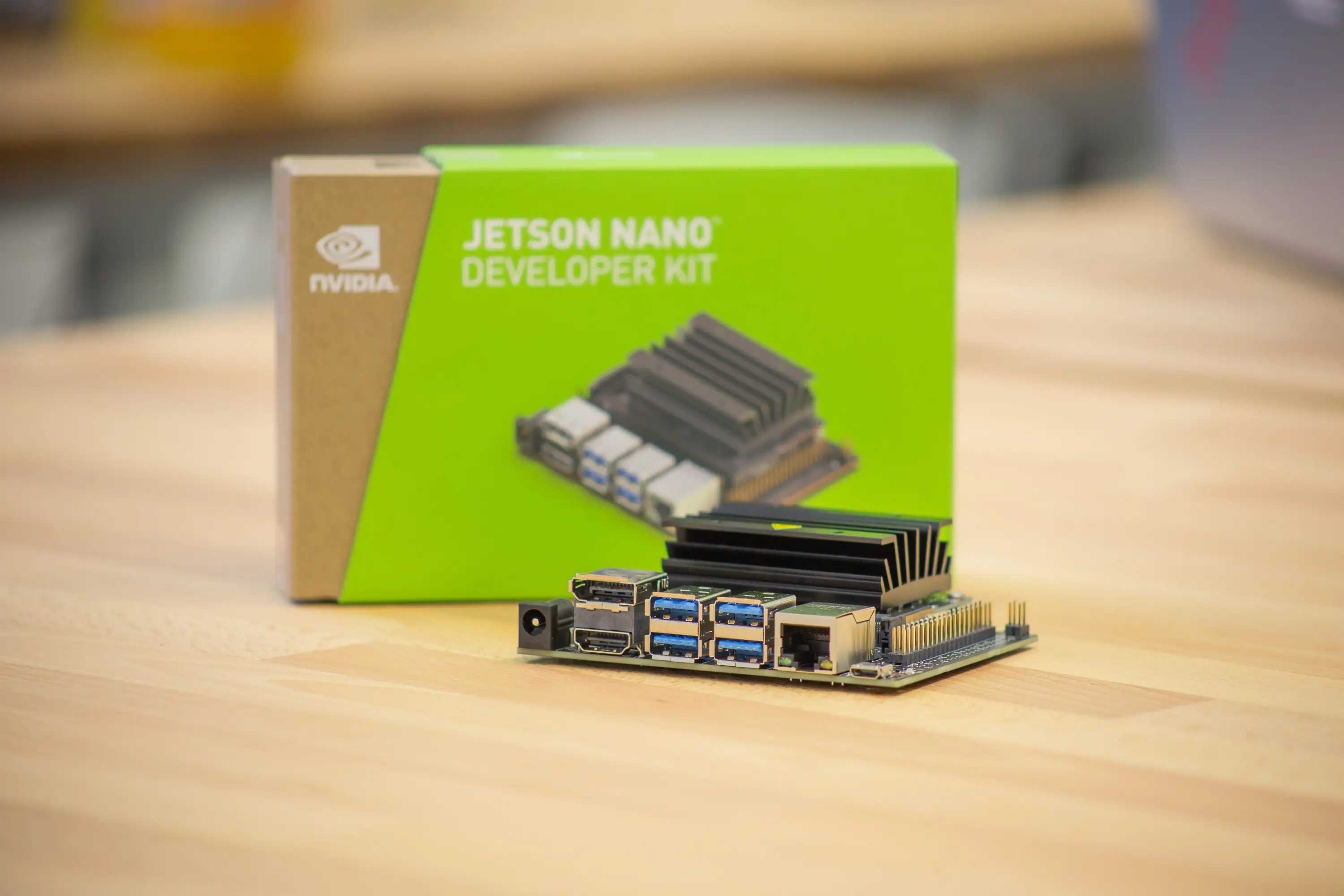
Competitors mentioned repeatedly include Hailo accelerators and Nvidia’s Jetson line. Hailo’s Pi HAT (~$80) boasts “more than 3x the compute power of the Coral USB” at 13 TOPS; its larger version exceeds 6x. Nvidia’s Jetson Orin Nano Super reaches 67 TOPS for $250, and can run LLMs alongside vision tasks — but these require different host integration and power budgets.
That said, some users ditch accelerators entirely: OpenVINO detection on < $200 Intel mini PCs handles “5 cameras and probably could have handled more” without buying a Coral. For intensive workloads, others replace Coral with older GPU cards like GTX 1060s for broader model support.
Price & Value
Current market snapshots show eBay listings from $117.88 to $179, plus shipping — far above Coral’s original MSRP of $59.99. Amazon third-party sellers hover around $139-$158. Resale value stays strong due to scarcity but invites scalper markups. Community buying tips often point to niche electronics suppliers (Welectron, Botland, BuyZero) when stock appears, or to consider mini-PCIe/M.2 versions if your host supports them, as they are comparably priced and more thermally stable.
FAQ
Q: Does the Coral USB help with video decoding?
A: No. It accelerates object detection only; decoding remains with the host CPU/GPU, as Frigate developers clarify.
Q: What inference speed drop can I expect?
A: Many users report going from 80–120ms on CPU to ~10ms on USB Coral, and as low as 5–7ms on PCIe/M.2 variants.
Q: Will it work with PyTorch models?
A: Not directly; you’d need to convert to TensorFlow Lite and handle quirks like channel order, or use existing conversion projects.
Q: Is a powered USB hub necessary?
A: Recommended for Raspberry Pi hosts to avoid intermittent failures; not always needed on desktops with robust power.
Q: Is development on Coral continuing?
A: Hardware hasn’t meaningfully updated since 2019, and operator support lags newer accelerators. Ecosystem stagnation is a common critique.
Final Verdict:
Buy if you run compatible TensorFlow Lite models in multi-camera NVR setups, want real-time detection with low CPU load, and value low energy draw. Avoid if you want broad ML model support, expect long-term feature updates from Google, or need sustained high performance in hot environments without cooling. Pro tip: watch smaller electronics resellers for restocks to dodge scalper pricing, and consider M.2/mini-PCIe variants for thermal stability.





