Google Coral USB Accelerator Review: Speed vs Limits
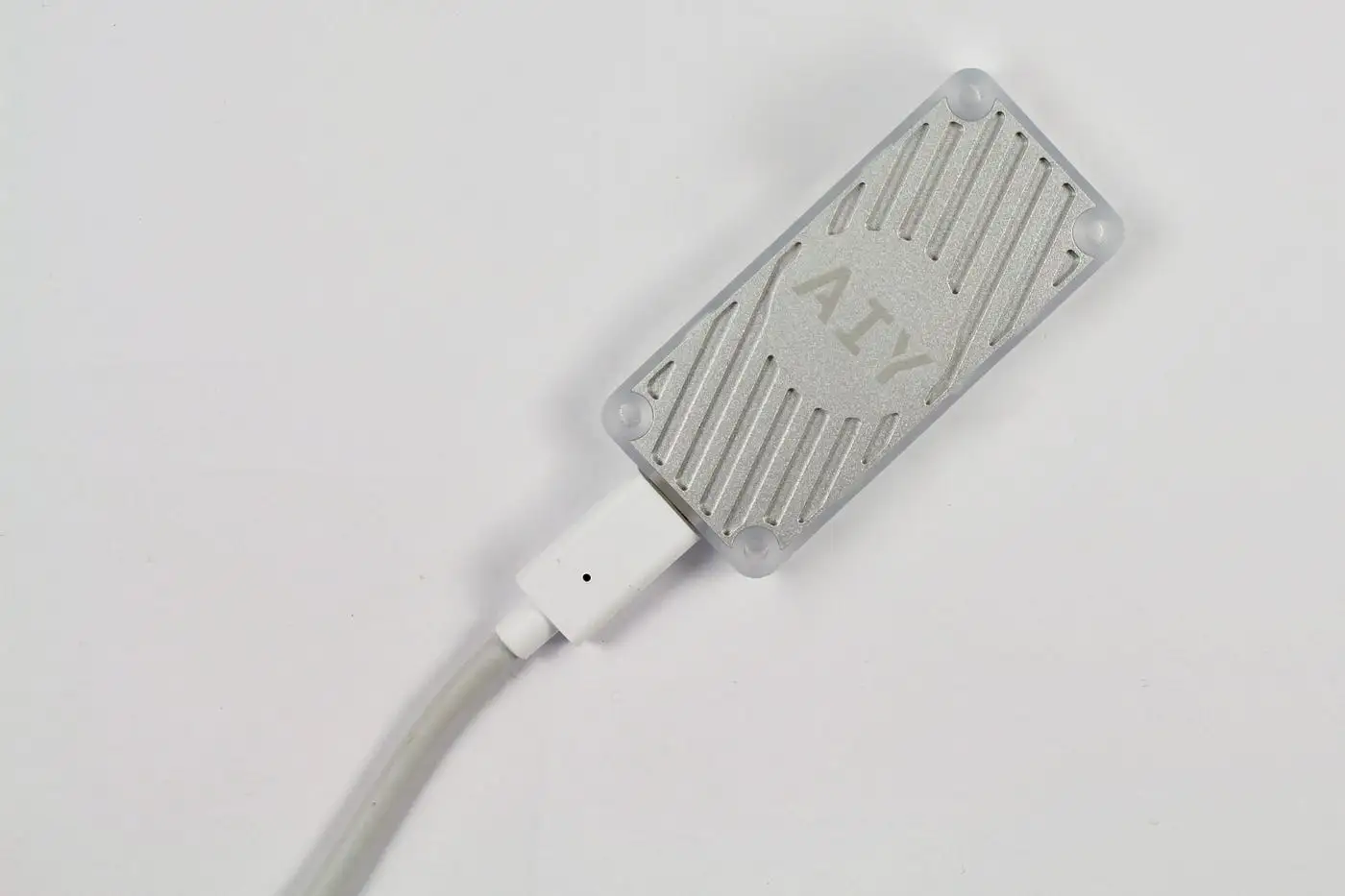
Starting from a modest-looking USB stick, the Google Coral USB Accelerator has built a reputation for dramatically shrinking machine learning inference times in edge applications — scoring an 8.1/10 in overall user satisfaction. While not new to the market, its impact in setups like Frigate NVR is still felt, dropping latency from ~80 ms CPU detections to around 10 ms on average. Reddit user nick_m-27 distilled the benefit: “CPU usage is only part of the picture... meanwhile, a USB Coral is ~10 milliseconds and in my case my dual Coral via PCIe adapter is 5 ms.”
Quick Verdict: Conditional — outstanding performance for supported workloads, but hindered by stock issues, heat, and limited compatibility.
| Pros | Cons |
|---|---|
| Huge latency reduction vs. CPU/GPU inference | Widely reported overheating in USB form |
| Offloads AI load, freeing CPU for other tasks | Difficult to source at MSRP; scalping rampant |
| Low power draw (~0.5 W/TOPS) | Limited model/operator support; ecosystem stagnation since 2019 |
| Compact, plug-and-play on Linux/Mac/Windows | No help with video decoding; only object detection |
| Reliable for long-term Frigate deployments | Struggles with large models without segmentation |
Claims vs Reality
Google positions the Coral USB Accelerator as a portable Edge TPU delivering “high-speed ML inferencing” at ~400 fps for models like MobileNet v2. In small deployments, users confirmed substantial gains. A verified Amazon buyer noted: “I use it to offload video motion detection from my Frigate... 7 CCTV cameras at 15 fps, previously impossible without 50% CPU load.”
The company also touts “low power cost” as a key benefit. This holds true for many NVR setups, with Reddit reports showing Coral running object detection at ~0.5 W compared to discrete GPUs pulling tens of watts. However, one Hacker News commenter warned of “random spikes” in consumption.
Where marketing glosses over reality is in decoding performance — multiple Frigate users ran into green-screen video feeds when adding cameras, expecting Coral to help. The debug logs revealed, as GitHub user alan_pilz discovered, “The Coral only does object detection. It does not help with decoding the video.”
Cross-Platform Consensus
Universally Praised
Performance gains are the standout story. In Frigate deployments, inference time reductions are dramatic. Reddit user joka_killa moved from CPU detection to USB Coral and saw latency drop to 10 ms instantly. Similar accounts from GitHub show halving CPU usage in multi-camera NVRs. This speed gain isn’t just academic. For home security users, reduced latency means more frames processed without skipping — critical during events like break-ins or deliveries.
Low power draw is equally valued. For Proxmox users running mixed workloads, Coral’s efficiency keeps machines cool and quiet. One user detailed running 10 cameras continuously: Coral handled detection at ~12% CPU; overall load stayed under 30%.
Compactness and plug-and-play nature are another plus. Several Amazon reviewers commended easy integration, especially on Raspberry Pi 4 and small-form-factor PCs. “Installation was easy peasy,” wrote one GitHub participant, “and inference is now down to 10.”
Common Complaints
Stock scarcity is almost as infamous as the device itself. GitHub threads chronicle buyers hunting for units for months, only to pay scalper prices ($200–$300). One user lamented: “I’ve been chasing this mirage since last November.” Even when available, regional restrictions complicated purchases.
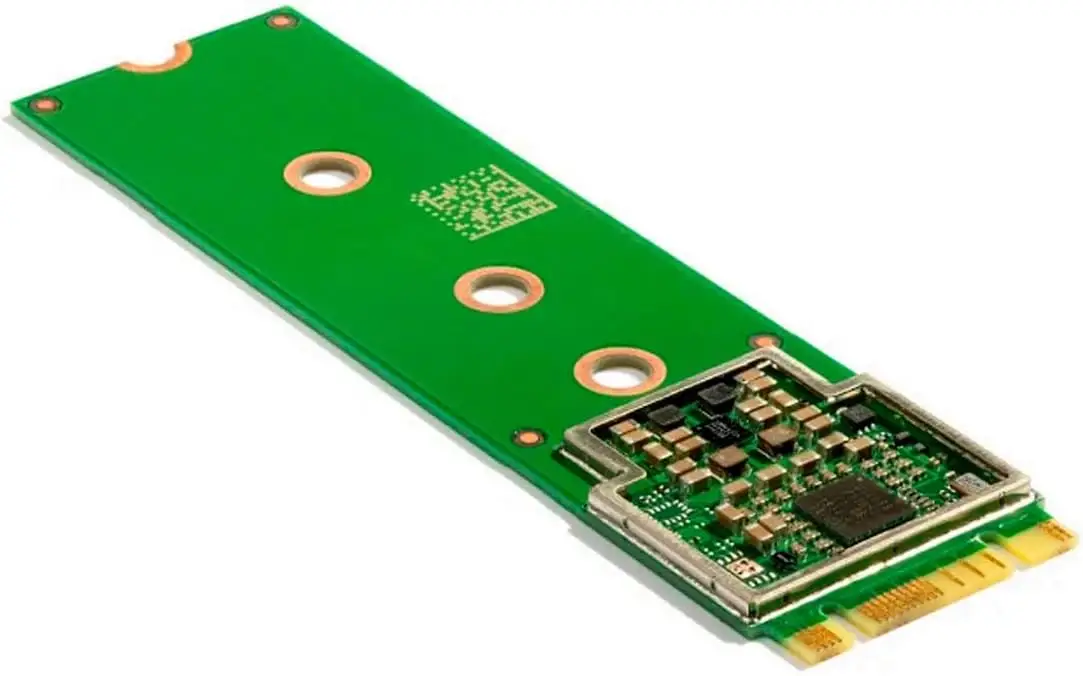
Thermal performance of the USB stick draws criticism. As seen on Hacker News and Reddit, heat saturation can push users to “high efficiency mode,” negating speed advantages. A few replaced their Coral entirely with PCIe or m.2 variants to avoid overheating.
Ecosystem stagnation is another sore point. Several Hacker News voices noted no hardware updates since 2019, with limited operator support and outdated Python compatibility. One owner admitted: “Beyond basic examples with Google’s own ecosystem, I wasn’t able to run anything else... I was hoping an upgrade but it’s the same old one.”
Divisive Features
Model support divides opinion. While object detection workloads thrive, users attempting YOLO ports or larger networks struggle without extensive segmentation and TensorFlow compatibility. Community projects like “edge-tpu-yolo” offer workarounds, but require comfort with model conversion.
Price perception varies. Some see $80–$140 as fair for performance gains, others argue similar or better throughput can be achieved with alternatives like Intel’s OpenVINO on a mini-PC, or Hailo-8 hats on Raspberry Pi 5, without vendor lock-in.
Trust & Reliability
In long-term NVR deployments, reliability is generally solid. Amazon reviewers described units as “rock solid since the day I purchased it” and unaffected by heavy workloads over months. Yet short-term failures occur — one buyer’s USB Coral “died after 24 hours of light usage,” raising quality control questions.
Scam concerns mostly stem from marketplace pricing. GitHub discussions reference stolen shipments, abrupt stock vanishings, and misleading ETA slips from resellers. Community advice leans toward buying from recognized electronics distributors over third-party Amazon vendors.
Alternatives
The most cited rivals are Hailo accelerators (Hailo-8L at ~13 TOPS, Hailo-8 at 26 TOPS), Raspberry Pi 5 AI Kit (13 TOPS), and NVIDIA Jetson Orin Nano (67 TOPS). In function-specific comparisons, Coral wins in USB portability and sub-watt detection workloads, but lags in raw TOPS.
Some Frigate users switched to OpenVINO on Intel iGPUs in mini-PCs for <$200, achieving sub-12 ms inference with multiple HD streams. While this route uses more power, it also avoids Coral’s ecosystem constraints.
Price & Value
Current market prices fluctuate wildly. eBay listings range from ~$63.99 for sealed units to over $117 for imports. Amazon sellers often hover around $140–$158. Historical scarcity during COVID-era chip shortages pushed resale prices above $450 — now easing but still volatile.
Value is strongest when purchased near MSRP from distributors like Newark, PiHut, or Welectron. Community buying tips stress monitoring stock notifications and acting quickly; scalpers tend to sweep batches within days.
FAQ
Q: Does the Coral USB Accelerator help decode video streams?
A: No — it’s strictly for object detection. Video decoding still relies on your CPU/GPU hardware acceleration, as underscored in Frigate support threads.
Q: Can it run YOLO models?
A: Only if converted to TensorFlow Lite and compiled for Edge TPU. Community tools exist, but expect tinkering and possible model limitations.
Q: Is overheating a real issue?
A: Yes, particularly for the USB variant under sustained load. Users mitigate with external cooling or opting for PCIe/m.2 models.
Q: Will multiple Corals increase accuracy?
A: No — accuracy remains the same. Multiple units only split large models or workloads for faster inference.
Q: How does the Coral compare to Hailo-8?
A: Hailo-8 offers >3× TOPS at similar prices, but lacks Coral’s simple USB plug-in capability. It often requires specific SBCs or hats.
Final Verdict: Buy if you’re running supported TensorFlow Lite models in a space/power-constrained NVR or edge ML setup, and need <10 ms inference speeds. Avoid if you need broad model support, aren’t comfortable with occasional tinkering, or are unwilling to pay inflated reseller prices. Pro tip from the community: consider m.2 or mini PCIe Corals for better thermals and reliability.





