Google Coral USB Accelerator Review: Conditional Buy Verdict
A Coral USB Accelerator owner summed it up perfectly: “Inference speed drop from 100ms to 8ms, CPU load 75% down to 30%, with 7 cameras—really is great.” That kind of jump is why the Google Coral USB Accelerator earns an 8.5/10 for users running heavy real‑time object detection workloads.
Quick Verdict: Conditional — brilliant for Frigate/Camect NVR and low‑power ML deployments, but aging hardware and limited model support make it risky for future‑proofing.
| Pros | Cons |
|---|---|
| Huge inference speed gains (often from 80–120ms down to 8–10ms) | Limited to TensorFlow Lite models; struggles with newer architectures |
| Dramatic CPU load reduction, enabling more cameras or streams | Stock shortages, high scalper prices |
| Works across Linux, macOS, Windows | Heat issues in USB form factor |
| Power efficient (~0.5W/TOP) | Project stagnation since 2019 |
| Easy plug‑and‑play installation | Alternatives now faster and more model‑compatible |
| Well‑suited for low‑power servers (Raspberry Pi, SFF PCs) | Not ideal for future clustering or very large models |
Claims vs Reality
Marketing pitches the Coral USB Accelerator as a 4 TOPS INT8 inference device that can run MobileNet V2 at “almost 400 FPS” while consuming just 0.5W per TOP. While technically true for Google’s own demo models, real‑world workloads tell a more nuanced story.
In Frigate setups, Reddit user Alan*** reported CPU‑only inference times of around 80ms on a powerful Xeon host. After installing a Coral USB, “inference is now down to 10ms,” but clarified that the device “only does object detection. It does not help with decoding the video.” This means claims of holistic ML acceleration need context—video decoding and other preprocessing remain CPU‑bound.
Another mismatch: while Google’s site lists macOS and Windows 10 support, multiple Hacker News commenters stressed that “Coral is not particularly well maintained and you might need to downgrade to e.g. an older version of Debian” for smooth compatibility. The promise of broad OS support works, but on older or specifically configured environments.
Cross-Platform Consensus
Universally Praised:
Performance gains and CPU relief are where Coral USB shines. A verified Frigate user moved from an i5‑8500T’s ~65% CPU load to just 30% after adding a Coral m.2, noting that inference latency dropped from 100ms to under 10ms with seven cameras. For Camect smart NVR owners, the installation was “easy peasy” and improved multi‑object detection, with one forum member reporting: “Now when we get out it states car, person, dog detected… not bad for just $50.”
This efficiency translates into broader hardware viability. A Reddit user running Frigate on a repurposed HP G2 desktop with 10 cameras described load distribution as “Coral inference ~12%, Frigate CPU usage ~5%,” with minimal power draw. Mac and Linux tinkers found value in demo setups thanks to the Coral’s pure USB interface—“you can get it to work on practically any machine. Great for demos,” shared a Hacker News participant.
Common Complaints:
Aging hardware is the most glaring weakness. Multiple developers lamented Google’s “flightiness” and “ecosystem stagnation since 2019,” with some abandoning Coral in favor of Hailo accelerators. Limited operator support hampers running newer models—reports of YOLO ports described “hard work” to get conversions functioning, and many stuck to Google’s own examples.
Availability and cost are persistent irritants. Stock shortages have stretched over years, driving prices from ~$55 MSRP to $150–$300 on eBay. GitHub users tracked endless supplier backorder date slips, with one saying: “I’ve been chasing this mirage since last November.”
Heat is another recurring gripe with the USB form factor; one user bluntly stated, “The USB model sucks. It overheats unless you put them in high efficiency (low performance) mode which defeats the purpose.”
Divisive Features:
Power efficiency is celebrated (“Coral runs on 0.5 watts, way less than the GeForce 1080 I used before”), but some argue modern ARM SBCs with on‑chip NPUs outclass Coral on both speed and economy. A Hacker News commenter claimed “even CPU inference is faster and more energy efficient with a modern ARM SBC chip” and noted that newer Raspberry Pi AI kits (13–26 TOPS) outperform Coral’s 4 TOPS output.
For small environments, some question whether Coral is necessary at all. GitHub user joka_killa, happy with Ryzen 5600G’s low CPU load, debated buying given stock issues—yet after seeing inference times could drop from ~100ms to 10ms, they “ordered one (in stock) for ‘only’ €80.”
Trust & Reliability
Trust in Google’s long‑term commitment is shaky. Trustpilot‑linked Hacker News discussions reveal expectations that support would be “abandoned within 2 years tops,” a fear reinforced by stagnating software updates and reliance on older TensorFlow Lite versions. For some, Coral always felt like a “prototype… minimum order at the fab” shared with communities but never expanded.
Hardware durability fares better; Reddit posts show multi‑year Coral USB operation, especially in continuous Frigate deployments, without failure—though heat management and powered USB hubs are advised.
Alternatives
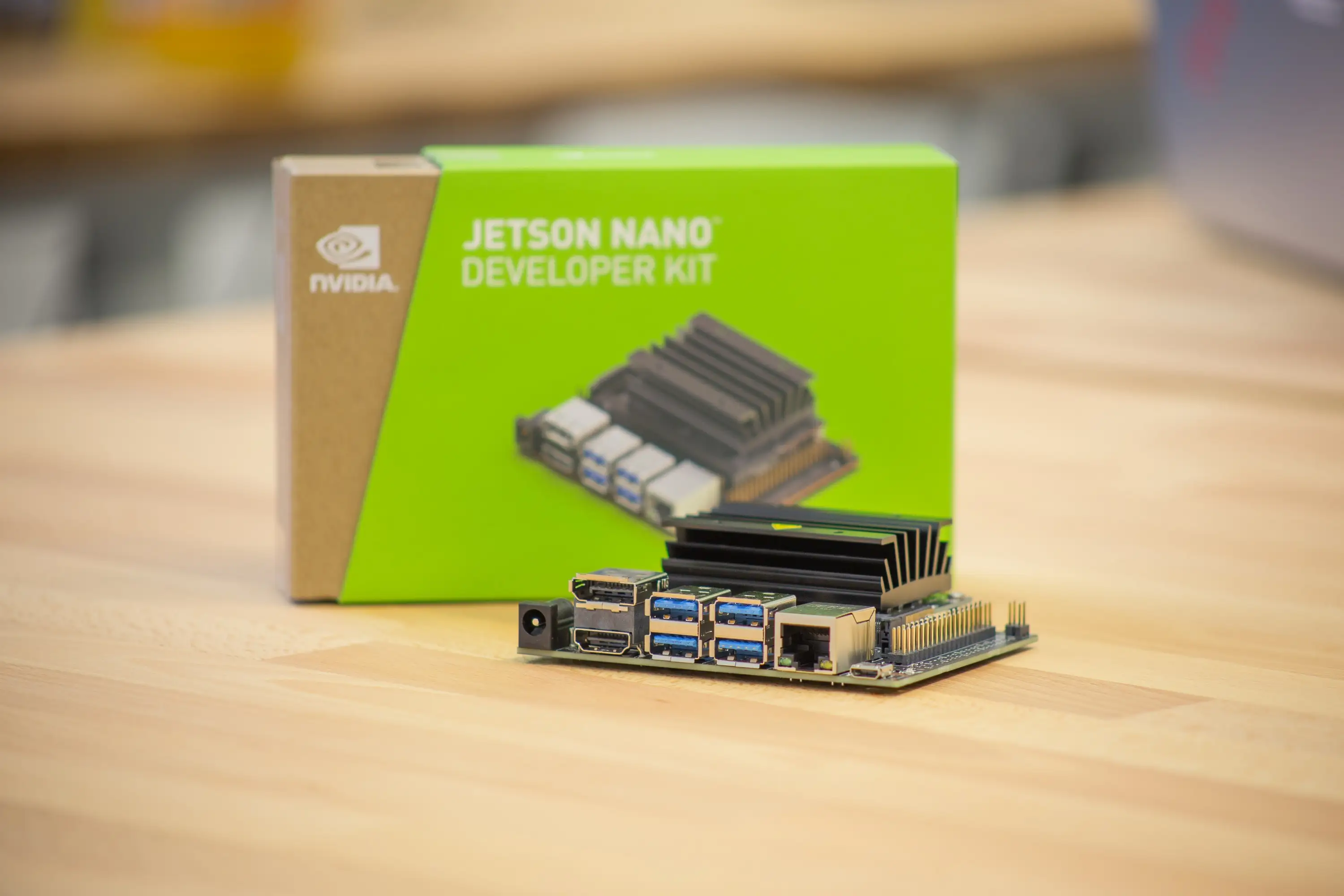
Hailo 8 emerges often, praised for “more than 3x the compute power” of Coral USB in a ~$80 Pi Hat and broader model compatibility. The Raspberry Pi 5 AI kit with 13 TOPS and NVIDIA Jetson Orin Nano (67 TOPS) offer newer performance tiers but at higher costs. One Frigate user found Intel’s OpenVINO mode on a <$200 mini‑PC “more than adequate for 5 cameras… glad I tried it out first before buying an accelerator,” underscoring CPU‑based detection’s viability.
Price & Value
Price swings dominate Coral USB’s market story. The official MSRP hovers near $60, but scarcity has inflated Amazon listings to $139–$158 and eBay offers at $149.95 + shipping. Bulk backorders and fluctuating EU retailer stock drive communities to share live availability links. Resale value spikes in shortages—during COVID‑era supply crises, sellers moved units for ~$450.
Buying tips from community: watch smaller EU electronics sites like Botland or BuyZero, consider m.2 variants if compatible, and use powered USB hubs for peak stability.
FAQ
Q: Does the Coral USB Accelerator help with video decoding?
A: No. It only accelerates object detection via Edge TPU. Video decoding remains CPU or GPU‑bound, as multiple Frigate users clarified.
Q: Is it worth it for small deployments (1–2 cameras)?
A: Yes for lower latency and future expansion. Even with two cameras, it can drop inference from ~100ms to ~10ms, speeding detections.
Q: Why is it often out of stock?
A: Community reports cite manufacturing bottlenecks and Google’s slow restocking pace—sometimes months or years between shipments.
Q: Can it run YOLO or other non‑TF Lite models?
A: Limited. Ports require conversion to TF Lite and model architecture tweaks. Expect compatibility issues with vanilla PyTorch.
Q: Does it work on macOS and Windows?
A: Officially yes, but maintainers warn that older OS versions or specific runtime configs may be needed for smooth performance.
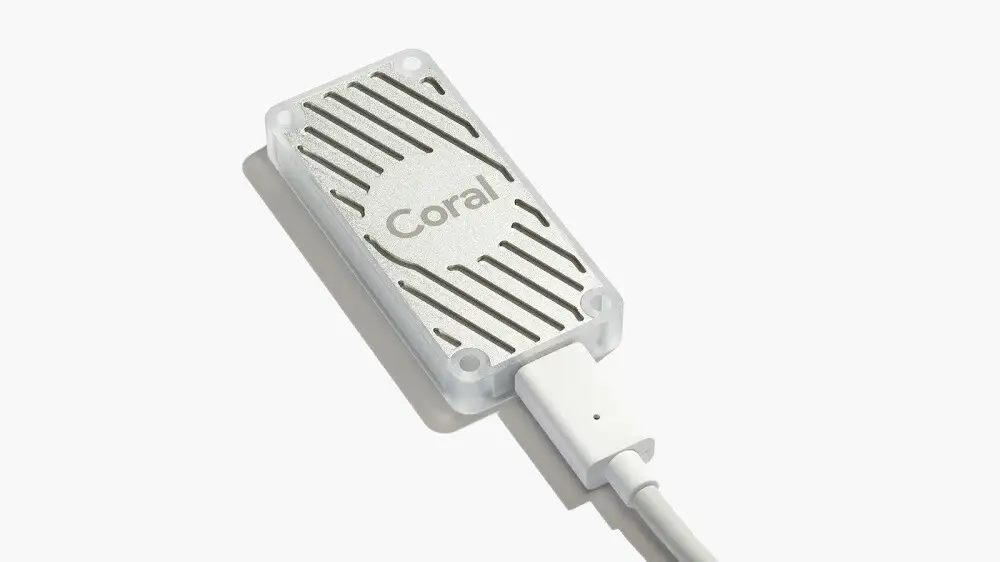
Final Verdict: Buy if you’re a Frigate, Camect, or low‑power ML hobbyist who needs rapid inference and CPU relief today, and can source it near MSRP. Avoid if you require cutting‑edge model support or long‑term platform evolution—Hailo or newer SBC NPUs may be more future‑proof. Pro tip from community: pair the Coral USB with a powered hub to curb heat and power instability, and check niche EU stockists often to dodge scalper markups.





