Google Coral USB Accelerator Review: Buy or Avoid?
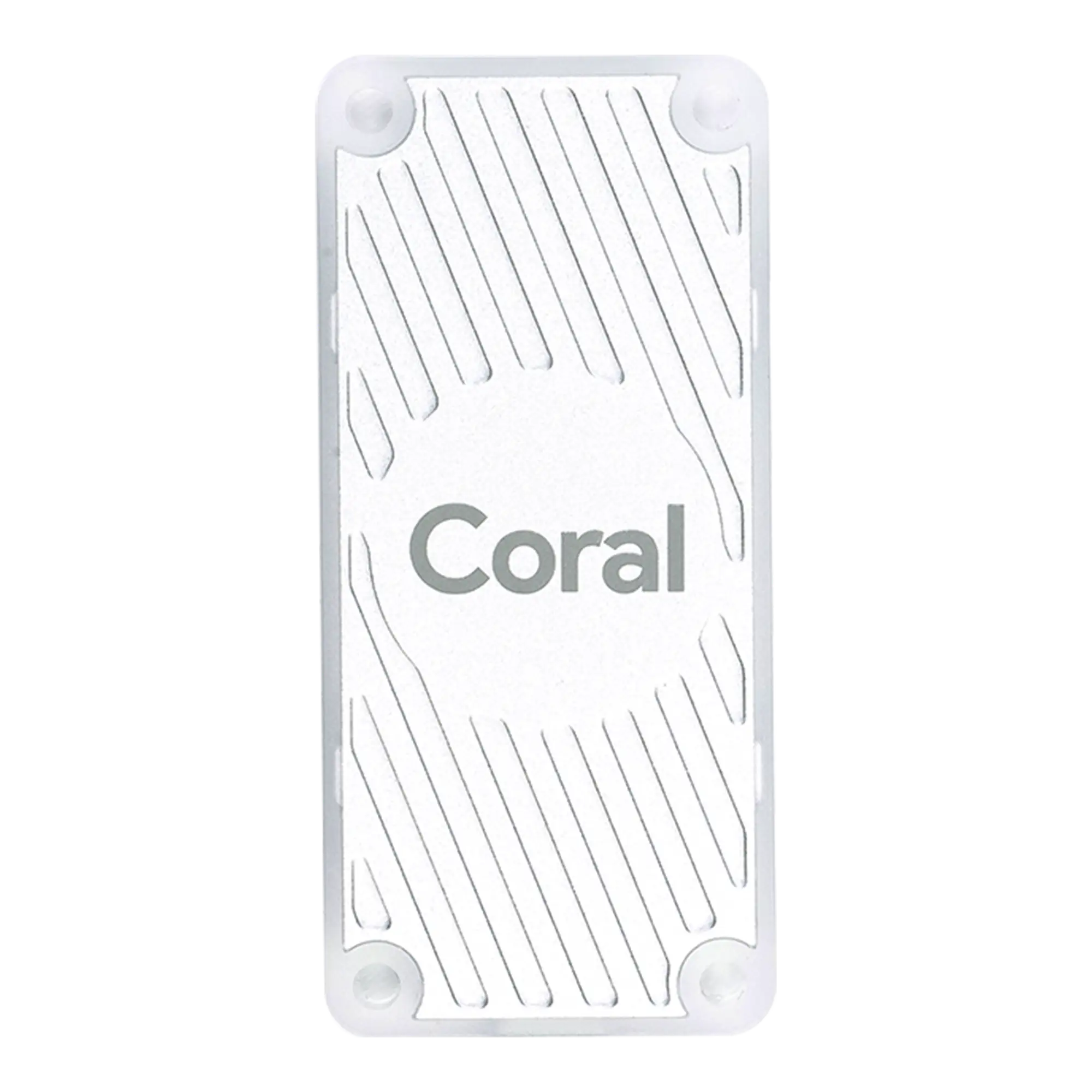
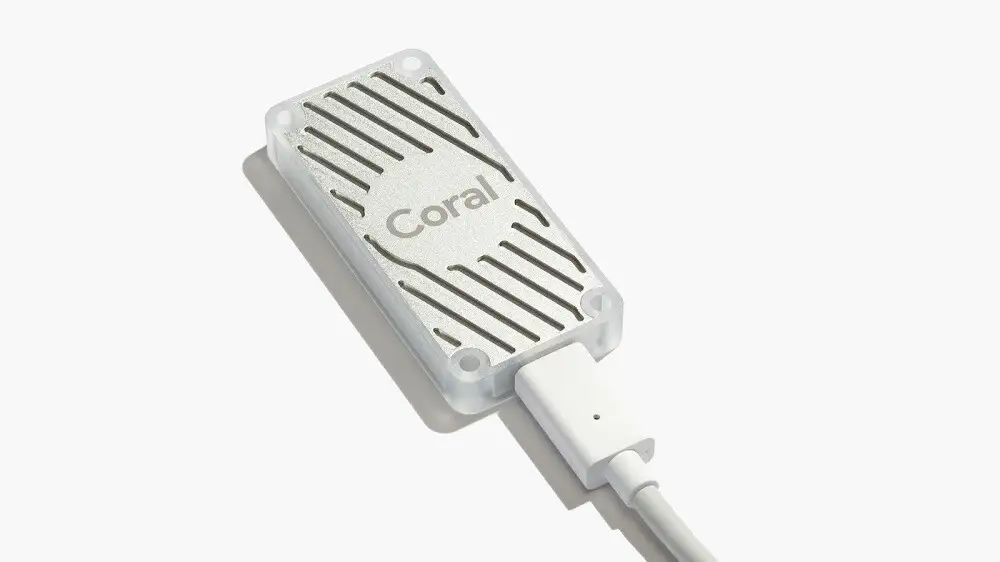
Digging into years of user experiences, the Google Coral USB Accelerator lands at a 7.4/10 — a clever, compact edge TPU coprocessor that can massively cut inference times for machine learning tasks, yet one hobbled by chronic stock issues, stalled development, and constraints on model compatibility.
Quick Verdict: Conditional buy — strong performance for object detection, but only if you can source it at a reasonable price and accept ecosystem stagnation.
| Pros | Cons |
|---|---|
| Drastically reduces inference latency (CPU 80-120ms → Coral ~10ms) | Severe stock shortages and inflated resale prices |
| Low power draw (~0.5W/TOPS) suited for always-on setups | Limited to TensorFlow Lite models and older operator sets |
| Plug-and-play with Debian Linux, macOS, Windows | Overheating reported in USB model under high loads |
| Compatible with Raspberry Pi and small form factor PCs | Google’s ecosystem support viewed as stagnant since 2019 |
| Ideal for Frigate NVR home surveillance setups | Struggles with large models, small 8 MiB SRAM |
Claims vs Reality
Marketing touts “4 TOPS, 2 TOPS per watt” and “almost 400 fps Mobilenet v2” inferencing. In reality, users confirm the Coral USB Accelerator delivers drastic speed-ups for supported models but rarely reaches those headline frame rates in practical setups. Reddit user feedback notes inference speeds dropping “from 80ms down to 10ms” in Frigate, handling “more frames per second and lower latency” than CPU-based detection.
Another bold claim is “works with Linux, Mac, and Windows.” While technically true, multiple home automation and Hacker News discussions reveal its sweet spot is Debian-based Linux systems — macOS and Windows setups work but often require more fiddling with drivers and libraries, and frequent downgrades to older OS or Python versions due to limited ongoing updates. As one Hacker News commenter put it, “Coral is not particularly well maintained… might need to downgrade to an older version of Debian.”
Finally, the “supports TensorFlow Lite — no need to build models from scratch” pitch glosses over constraints. Users attempting modern YOLO ports found compatibility hard to achieve without architectural tweaks. One developer summarized, “Beyond the basic examples with Google’s own ecosystem I wasn’t able to run anything else… documentation isn’t great.”
Cross-Platform Consensus
Universally Praised
Across Reddit, GitHub, and forum threads, the accelerator’s low latency for inferencing is its defining benefit. For home security enthusiasts running Frigate, it’s transformative. A GitHub user reported, “Inference speed drop from 100ms to 8ms, CPU load from 75% to 30% (i5-8500) with 7 cameras — really is great.” That speed keeps pipelines flowing, preventing event misses during high activity.
Small form factor PC owners appreciate the USB form factor’s versatility. One Reddit surveillance setup ran “10x 1080p cameras… inference CPU usage 12% with Coral, Frigate CPU usage 5%,” freeing resources for other home automation tasks. Its sub-2W consumption also appeals to users replacing GPUs in 24/7 deployments.
Portability resonates with makers and educators — Hacker News commenters praised the ability to “get it to work on practically any machine… great for demos” without needing PCIe slots or specialized hardware.
Common Complaints
The loudest chorus of frustration centers on availability. Stock shortages lasting years pushed prices into “$200-$300 from a scalper” territory, well above the ~$60 MSRP. GitHub threads document users waiting 6–12 months on backorders, with ship dates “slipping day by day.” Many pivoted to alternatives like Intel OpenVINO or Hailo accelerators simply because Coral was unobtainable.
Performance issues also emerge with the USB variant overheating unless run in throttled “high efficiency” mode — negating its speed advantage. As one Twitter user warned, “USB model sucks… overheats unless you put them in low performance mode.” Limited operator support means newer architectures often require complex workarounds.
Google’s perceived neglect of the ecosystem since 2019 worries developers. “I have a couple of these… waiting for the ecosystem to get better… no news since its core wasn’t updated,” lamented one HN commenter. This stagnation impacts long-term viability for integration projects.
Divisive Features
Model compatibility divides the user base. Those running standard TFLite CNNs like Mobilenet see peak value; others pushing YOLO or custom architectures face roadblocks. Enthusiasts willing to tweak channel ordering and input shapes have published solutions, but newcomers find it “not trivial.”
USB’s plug-and-play convenience is beloved, yet some power users prefer m.2 form factor Corals for better thermals and inference times (~6–7ms vs USB’s 10ms). A few call USB “not very useful or relevant these days” given higher-TOPS competitors.
Trust & Reliability
Stock unreliability overshadows hardware durability. Multiple buyers report successful 24/7 operation for years in surveillance setups without performance drop. A European GitHub member using one “for 2 years… works well enough for my set up doing realtime object detection with a few cameras.”
Still, Google’s habit of discontinuing products fuels skepticism. Trustpilot-style commentary predicts abandonment: “Coral always felt like a prototype… they decided to share the 90k they didn’t need,” one veteran engineer noted. The 8 MiB SRAM limits scalability, frustrating cluster aspirations — “not a good choice for clustering, you should just use a GPU.”
Alternatives
The Hailo-8 L hat for Raspberry Pi surfaces often — “only ~$80 and has more than 3x the compute power of the Coral USB” — though it needs a Pi’s GPIO form factor rather than pure USB. Intel’s OpenVINO with iGPU acceleration is another practical option: a GitHub user found it “more than adequate for 5 cameras” on a <$200 mini PC.
High-end alternatives like NVIDIA Jetson Orin Nano crush Coral’s TOPS rating (67 vs 4) and support larger models, but at >$250 they target heavier workloads. Movidius NCS2 appears in discussions but is deemed “far inferior” for multi-camera deployments unless paired with integrated MyriadX in Oak cameras.
Price & Value
The Coral USB Accelerator’s intended MSRP (~$60) makes it an easy sell for latency-critical, low-power tasks. Unfortunately, chronic shortages drive eBay prices to $140–$200+, with one pandemic-era resale hitting $450. Bulk buying or sourcing from EU vendors occasionally yields sub-$100 pricing — GitHub users recommended Botland (Poland) or Welectron during rare restocks.
Community shopping tips:
- Set stock alerts at niche electronics retailers (Pi Hut, OKdo, Buyzero)
- Consider m.2 or mini-PCIe variants if USB is overpriced
- Weigh alternatives if wait times exceed six months
FAQ
Q: Will the Coral USB Accelerator work with macOS or Windows?
A: Yes, but Linux (Debian/Ubuntu) offers the most seamless experience. macOS and Windows often require manual driver installs and may face compatibility issues with newer software versions.
Q: How much faster is Coral vs CPU for object detection?
A: For supported TFLite models, users report drops from 80–120ms on CPUs to 10ms on USB Coral, even lower (6ms) on m.2 variants, significantly reducing skipped frames in multi-camera setups.
Q: Can it run YOLO models?
A: Not natively. Ports require conversion to TensorFlow Lite and careful adjustment of input shapes and channel ordering, as documented by community projects.
Q: Is overheating a serious issue?
A: Primarily on USB models under sustained heavy loads. A powered USB hub and active cooling help; m.2 models run cooler.
Q: Why is it always out of stock?
A: Google cites silicon shortages; batches sell out quickly. Long waits and shifting ship dates are common.
Final Verdict: Buy if you’re running edge object detection for Frigate or similar software, value low latency, and can source it for <$100. Avoid if your models exceed TFLite’s limits or you need guaranteed ecosystem growth. Pro tip from the community: “Switch to m.2 Coral or OpenVINO on a cheap Intel mini PC if USB Coral pricing gets silly.”





