GIGABYTE RTX 3060 WINDFORCE OC Review: Balanced Performance
When a graphics card manages to maintain under 70ºC even during four-hour Cyberpunk 2077 sessions on ultra with ray tracing and DLSS, you pay attention. The GIGABYTE GeForce RTX 3060 WINDFORCE OC 12G consistently earns high marks across Amazon, PcComponentes, and LDLC, averaging 4.6–4.7/5, with a consensus that it’s a strong 1080p and capable 1440p performer. Score: 8.8/10.
Quick Verdict: Yes – especially for gamers and creatives seeking balance between price, cooling efficiency, and VRAM capacity.
| Pros | Cons |
|---|---|
| Strong 1080p/1440p performance with ultra settings | Price can feel high for the generational jump |
| 12GB GDDR6 VRAM ideal for VRAM-heavy titles | Generates noticeable heat under full load |
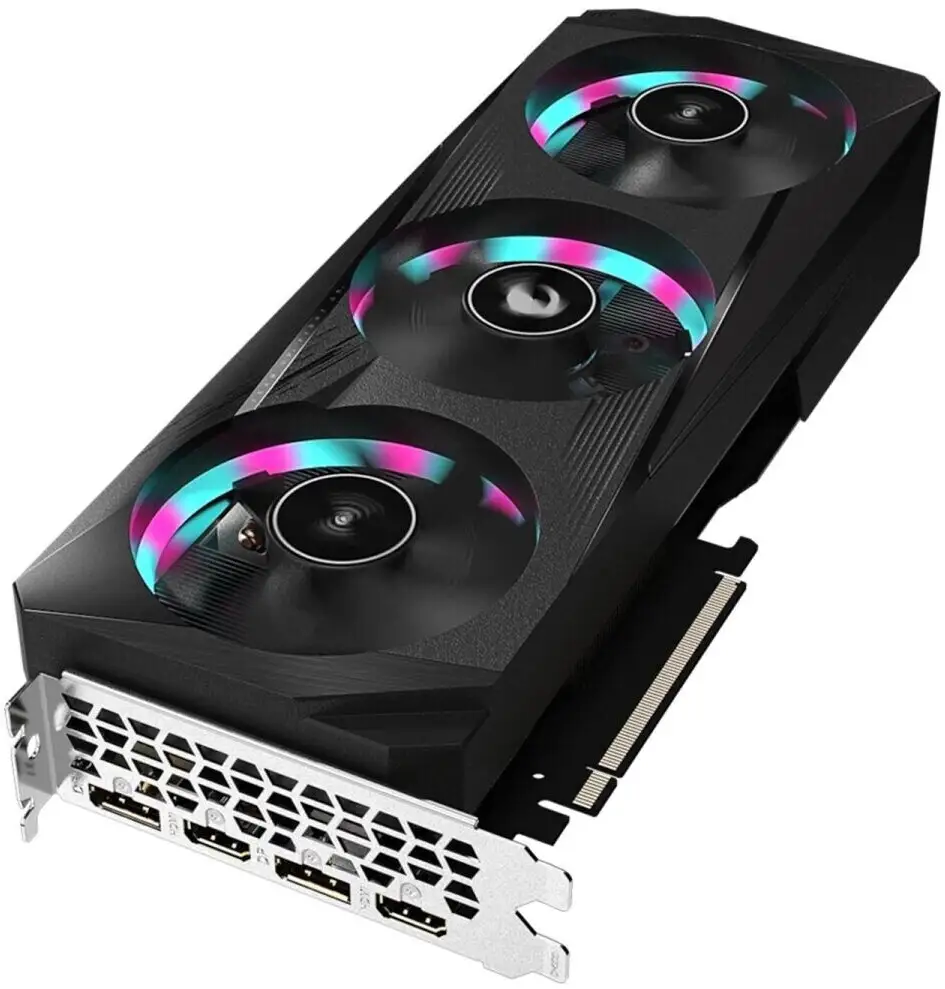
| Effective dual-fan Windforce cooling system | No RGB despite some listings suggesting it |
| Quiet operation under light/medium load | Frame generation absent (RTX 4000 advantage) |
| Compact 200mm form factor, easy installation | Slight noise spike with 2-fan vs 3-fan models |
| Stable video editing and creative workflows |
Claims vs Reality
GIGABYTE’s marketing spotlights the Windforce 2X cooling system with alternate spinning fans as a guarantee for “high efficiency heat dissipation.” In practice, many users validate this claim, reporting excellent thermal behavior. On PcComponentes.it, a verified buyer noted: "In Warzone and Battlefield it never exceeds 65 degrees"—ideal for small cases or airflow-challenged setups. However, some French users complained that "graphics generate a lot of heat," indicating cooling effectiveness can depend heavily on case airflow.
Another flagship claim: 12GB GDDR6 192-bit VRAM promises smooth play in VRAM-intensive games and creative apps. Marketing aligns well with user experiences here. An LDLC customer explained: "With its 12GB of VRAM, it can run the latest ultra games without any problems"—benefiting players of texture-heavy titles like Watch Dogs: Legion. PcComponentes.fr reviewers also acknowledged its advantage over 8GB cards in certain scenarios.
Finally, NVIDIA’s DLSS AI acceleration is touted as “game-changing.” While purchasers rarely dissect the tech in detail, its impact is implied in reports of holding 60 FPS in Cyberpunk 2077 ultra with ray tracing active. One PcComponentes.it reviewer wrote: "Ray tracing queen, I use it for Unreal Engine and exactly what I expected." The performance headroom DLSS provides resonates especially with mid-tier builds.
Cross-Platform Consensus
Universally Praised
Across regions, the RTX 3060 WINDFORCE OC’s price-to-performance ratio is highlighted. A PcComponentes.fr user called it "rapport qualité prix imbattable en ce moment" (unbeatable at the moment). The combination of competitive pricing on sale and 12GB VRAM means fewer compromises in both gaming and content creation. LDLC buyers frequently cite it as a “super GPU for the price,” with clean installation and smooth operation in photo and video editing tasks.
Cooling efficiency also earns consistent praise. On the Italian PcComponentes site, multiple owners describe it as "super silenzioso… a riposo 35/37 gradi, giocando non supera i 70"—quiet with stable temps. That semi-passive fan mode in low-load scenarios makes a noticeable difference for casual gaming or browsing between matches.
Gamers upgrading from older cards feel the leap. One PcComponentes.it customer upgrading from a GTX 980 called the improvement “enorme,” while another reported going from 80 FPS in PUBG to 130 FPS simply from moving off a GTX 1060. LDLC adds similar stories: "Very powerful GPU compared to my GTX 1060… the 12GB are clearly not too much."
Common Complaints
The most frequent letdown is value perception over time. Several in France and Italy note only a ~30% performance gain from a GTX 1660 Ti, finding the MSRP steep for that improvement. One Trustpilot reviewer wrote: "Très cher pour la performance… devrait se vendre 300-320 euros." Heat generation in tight builds is another common gripe—some users see higher temps than expected, even if most stay within safe thermal limits.
Noise can creep in under load. Dual-fan design is generally fine, but LDLC customers compare it unfavorably to quieter triple-fan models during intense gaming. And a minor but persistent grievance: specs or product pages sometimes suggest RGB lighting when the card has none, leading to disappointment.
Divisive Features
The compact 200mm form factor is a double-edged sword. For small-form-factor PC builders, it’s liberating—easy installation and solid cooling inside mATX or ITX cases. For others, smaller heatsinks seem to account for more noticeable heat spikes. On frame generation, it sparks comparison with new-gen GPUs. LDLC users note: "You’ll have to upgrade to the 4000 generation to take advantage of it… older AMD cards even support FSR frame gen." For players fixated on longevity or ultra-high FPS in future titles, this absence could be a dealbreaker.
Trust & Reliability
Trust in GIGABYTE as a brand is intact. LDLC and PcComponentes reviews don’t flag widespread defects or DOA units; shipping and packaging are consistently rated “perfect” or “superb.” Some isolated hiccups—like an LDLC buyer facing a black screen during driver install—resolved with a reboot without hardware fault.
Durability stories across months are positive. PcComponentes.it owners comment they’ve "enough to play in 2022, 23, and 24" and continue recommending the card long after purchase. Temperature stability over prolonged sessions reassures users, especially creatives running rendering workloads.
Alternatives
Within the RTX 3060 ecosystem, Reddit discussions steer white-themed builds toward the GIGABYTE RTX 3060 Vision OC for aesthetics, at $38 more. Competitors like AMD RX 5600 XT and NVIDIA RTX 2060 come up in LDLC comments, but many note higher VRAM and cooling improvements make the 3060 a more future-proof pick. Upgrading to RTX 4060 would add frame generation, yet one Italian reviewer weighed wattage consumption differences (170–180W vs 110–115W) when considering efficiency trade-offs.
Price & Value
Current pricing hovers around $289.99 on Amazon US, €349.95 on LDLC, with eBay listings from ~$230 (used) upward. Historical patterns show sale periods like Black Friday drastically improving value perception—several users explicitly caution to skip at full MSRP and wait for discounts. Resale value appears stable, with used markets retaining >75% of discounted purchase price.
Buying tips from community: match PSU capacity carefully (NVIDIA suggests 550W minimum for 3060 + mid-tier CPU), ensure case airflow to maximize cooling, and look for triple-fan variants if noise sensitivity is high.
FAQ
Q: Is the RTX 3060 WINDFORCE OC good for 1440p gaming?
A: Yes, for many titles at high settings. LDLC users report smooth play at 1440p in certain games, though maxing all settings in the newest AAA releases may demand tweaks.
Q: Does it have RGB lighting?
A: No. While some listings suggest RGB Fusion support, LDLC reviewers clarify it has no lighting.
Q: How noisy is the Windforce 2X cooling?
A: Generally quiet in idle or low-load, with a semi-passive mode. Under heavy gaming, noise is moderate, more noticeable than triple-fan designs.
Q: Is the generational jump from GTX 1660 Ti worth it?
A: Mixed. Performance gain is around 30% in many cases; it’s more compelling for users on older cards like GTX 1060 or 980.
Q: Can it handle creative workloads?
A: Yes. LDLC owners using it for image processing and video editing report stable performance, leveraging CUDA cores and 12GB VRAM.
Final Verdict: Buy if you’re a 1080p or moderate 1440p gamer, or creative pro needing strong VRAM and cooling at a mid-tier price. Avoid if expecting dramatic gains from a 1660 Ti or seeking frame generation. Pro tip: Wait for sale events—multiple reviews call it a steal when discounted.