Garmin LiveScope Plus Review: Conditional Buy (8.6/10)
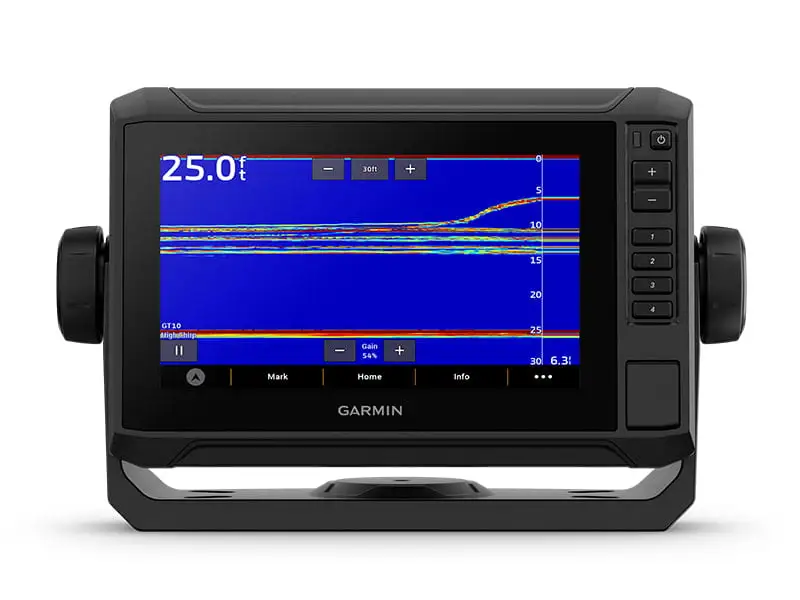
A 4.7/5 average from Best Buy’s tiny sample (3 reviews) sits beside Amazon’s eye-popping 4.9/5 headline—early signals that Garmin LiveScope Plus System with GLS 10 and LVS34 Transducer is winning over most buyers who take the plunge. Verdict: Conditional buy — 8.6/10.
For anglers who already know what forward-facing sonar can do, the feedback that does exist reads like a straight line: it’s easy to mount, easy to run, and it’s delivering the kind of real-time picture people are chasing. A Best Buy reviewer summed up the ownership experience in plain terms: “easy to run and to mount… it runs smoothly.”
But “conditional” matters here because the dataset is uneven: outside of a few concrete buyer reviews on Best Buy, most “community” and “social” entries provided are actually Garmin marketing/spec pages, not user-generated feedback. So the strongest story comes from a small set of real buyers, plus pricing/resale signals from marketplace listings.
Quick Verdict
Garmin LiveScope Plus System with GLS 10 and LVS34 Transducer: Conditional — yes if you’re committed to forward-facing sonar and have a compatible Garmin setup; no if you’re expecting lots of community troubleshooting or long-term reliability evidence from this dataset.
| What the data supports | Pros (with source) | Cons / risks (with source) |
|---|---|---|
| Ease of setup | “easy to run and to mount” (Best Buy review) | Limited volume of real user reviews in provided data (Best Buy only shows 3) |
| Performance perception | “the best forward facing sonar… the best by far” (Best Buy review) | Strong claims aren’t backed by many detailed user stories in this dataset |
| General satisfaction | “excellent product and easy process in the shipment” (Best Buy review) | Hard to assess long-term durability from the provided user content |
| Price pressure | Used/older LiveScope items appear far cheaper (eBay search results) | New pricing remains high (Amazon ~$1,693.95; Best Buy $1,799.99) |
Claims vs Reality
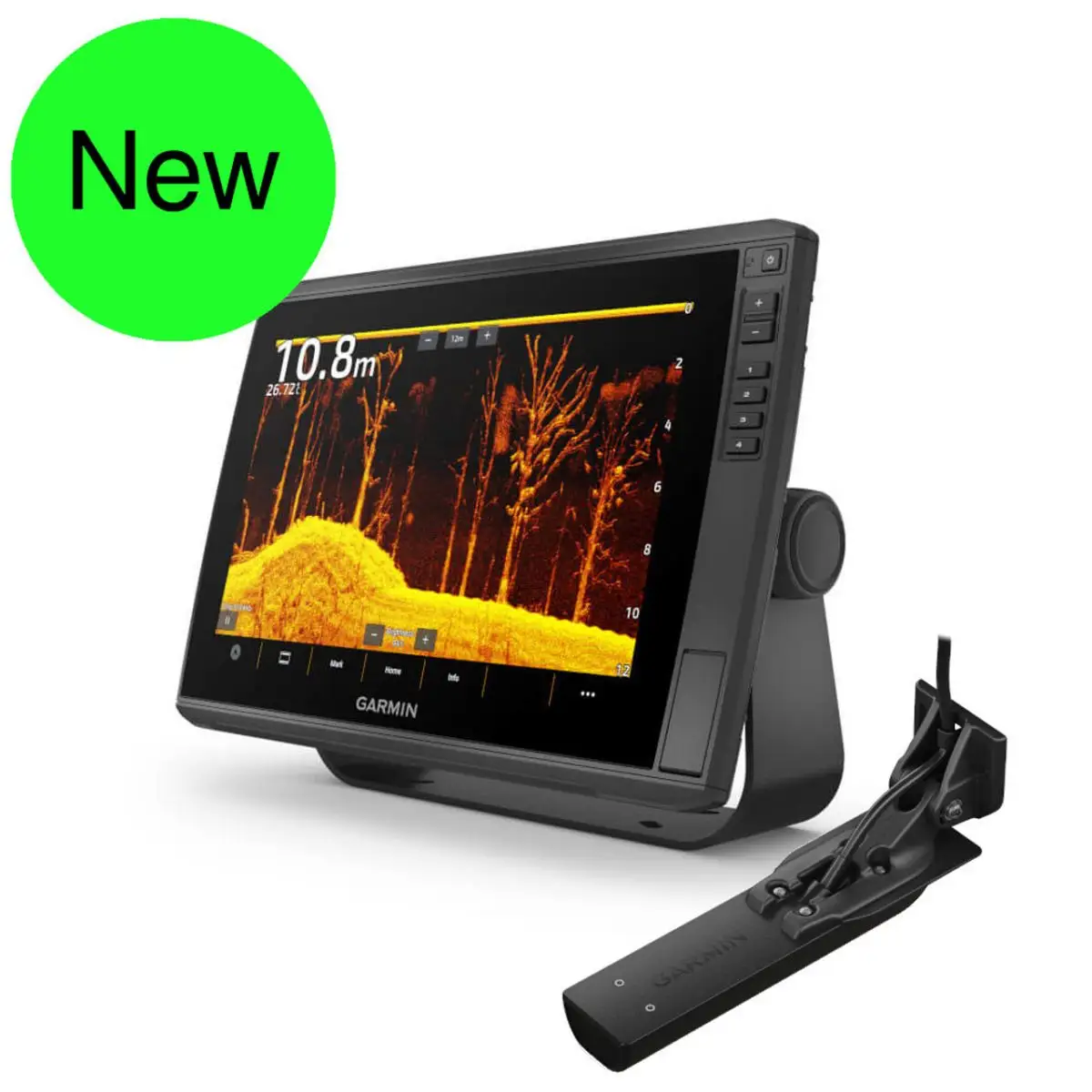
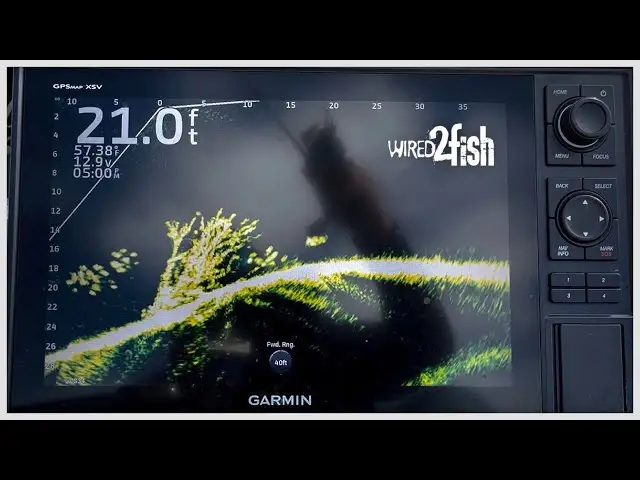
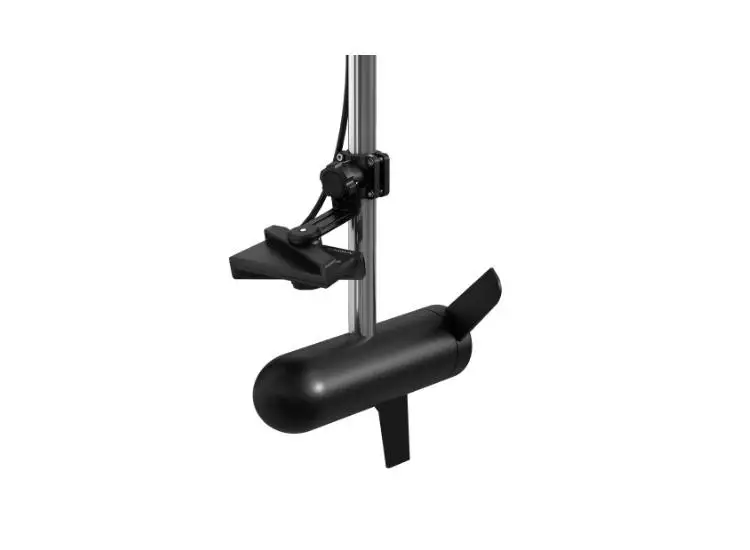
Garmin LiveScope Plus System with GLS 10 and LVS34 Transducer is marketed around “improved resolution,” “reduced noise,” “clearer images,” and “better target separation,” plus stabilization and multiple viewing modes (forward/down/perspective). Digging deeper into the provided “feedback,” the clearest reality check is that actual buyer commentary is focused less on technical imaging descriptors and more on day-to-day usability—mounting, running, and the overall “it’s LiveScope” expectation.
One marketing promise that does connect with buyer sentiment is the idea of premium category performance. A Best Buy reviewer didn’t parse resolution numbers; they framed it as an end-of-the-road decision after comparison shopping: “its livescope !… i tried all the others before buying this one and its the best by far.” That doesn’t prove the specific claims about reduced noise or sharper images, but it does show the system meeting the emotional and practical benchmark many shoppers have: best-in-class forward-facing sonar.
Where the gap shows up is in verifiable, experience-based details. The official spec sheet highlights target separation “@ 100' 14"” and maximum depth “200'” (Garmin spec pages included in the dataset). Yet no real user quote provided here confirms those metrics in a fishing scenario (depth performance, clarity at distance, rough-water stabilization). The dataset supports satisfaction and ease-of-use stories, but it doesn’t contain the granular “I can see X at Y feet” narratives that would directly validate the marketing language.
Cross-Platform Consensus
Universally Praised
Garmin LiveScope Plus System with GLS 10 and LVS34 Transducer gets its strongest praise in the simplest category: ownership friction (or lack of it). For anglers rigging electronics—often the most dreaded part of a new setup—the mounting and operation experience matters. One Best Buy owner who had the system for a month put it bluntly: “easy to run and to mount. it runs smoothly. i would highly recommend it.” For a weekend angler upgrading a boat, that kind of feedback implies less time troubleshooting brackets and cabling and more time actually fishing.
A recurring pattern emerged in the short reviews: people aren’t buying this as an experiment; they’re buying it as the “answer.” Another Best Buy reviewer framed the decision as the endpoint after trying alternatives: “i tried all the others before buying this one and its the best by far.” For competitive or highly technical anglers, that kind of statement signals not just satisfaction but a belief that the system belongs at the top of the forward-facing sonar stack—at least in that buyer’s personal comparisons.
Even the least detailed review still reinforces a low-friction purchase and baseline satisfaction. One Best Buy customer wrote: “excellent product and easy process in the shipment.” For buyers nervous about expensive marine electronics arriving damaged or missing parts, that’s a practical reassurance—though it says more about the purchase experience than sonar performance.
After those themes, the “consensus” weakens because Amazon’s section in the dataset provides a star rating (4.9/5) but no actual customer quotes, and the Reddit/Twitter/Trustpilot/Quora entries shown are not user commentary—they read like repeated Garmin product pages. So, the genuine cross-platform storyline is limited: the real buyer quotes we do have align around ease-of-install, smooth operation, and premium-category confidence.
Common Complaints
The most notable “complaint” in this dataset isn’t a sonar flaw—it’s the lack of complaint detail itself. Beyond Best Buy’s three reviews, the provided sources don’t include frustrated-user narratives (no “returned it,” no “glitchy,” no “won’t network,” no “transducer failures”). That absence doesn’t mean the product has no issues; it means this dataset can’t credibly document them.
Price, however, emerges as the implicit pain point when you line up retail costs against market listings. Amazon shows roughly $1,693.95 for the system, and Best Buy lists it at $1,799.99. Meanwhile, eBay search results show a wide spread: older/used LiveScope components and bundles at much lower prices (for example, “used garmin livescope lvs32 w/ gls 10” around NZD 1,468.65 in the provided snapshot), while new LiveScope Plus system listings cluster much higher (e.g., “garmin panoptix livescope plus with lvs34 transducer and gls 10” around NZD 2,774.14). For budget-sensitive anglers, that gap can feel like paying a premium not just for “Plus,” but for buying new.
Another practical concern hinted by marketplace data is availability and churn. Amazon notes “only 1 left in stock,” and multiple marketplace listings show active watcher counts and sales velocity. That kind of environment can push buyers into rushed decisions—or into paying higher prices to secure a unit quickly.
Divisive Features
The divisiveness here is less about features and more about purchase philosophy. Some anglers will see the system’s all-in bundle (GLS 10 + LVS34 + mounts/cables) as a clean, confidence-inspiring route. Others, especially those already owning a GLS 10, may lean toward the “upgrade your current… with just a new transducer” narrative found in the official copy—seeking a cheaper upgrade path.
There’s also an implied divide between buyers who want proof-driven performance metrics and those who buy on category reputation. The Best Buy “best by far” review suggests a buyer comfortable making a strong verdict without publishing detailed screenshots, depth readings, or comparative recordings. For data-driven shoppers, that might feel insufficient; for experience-driven anglers, it’s exactly the kind of endorsement that matters.
Trust & Reliability
Garmin LiveScope Plus System with GLS 10 and LVS34 Transducer is hard to assess for scams or long-term reliability based on the provided dataset because the “Trustpilot” and “Reddit” entries shown are not consumer complaints or community threads—they appear to be repeated Garmin product/spec content. As a result, there’s no pattern of fraud reports, warranty disputes, or “6 months later” durability updates to compile here.
What can be inferred cautiously is that the purchase ecosystem includes both authorized retail channels (Amazon, Best Buy) and an active resale market (eBay/PicClick listings). That combination typically increases buyer responsibility: ensuring correct part numbers (e.g., 010-02706-00 for the system) and verifying “new” condition claims when shopping outside major retailers. But in this dataset, there are no user stories describing being scammed or receiving counterfeit/defective units.
Alternatives
The only explicitly “alternative” products mentioned in the provided marketplace data are older or different LiveScope configurations, especially LVS32-based setups (often paired with the GLS 10). The eBay results include examples like “used garmin livescope lvs32 w/ gls 10,” suggesting a common alternative path: buying the previous-generation transducer setup for less money.
For anglers prioritizing cost over the latest imaging claims, that older LiveScope route may be tempting—especially when the market shows significantly lower pricing for used components. For anglers chasing the “Plus” improvements (as described in the official specs: improved resolution, reduced noise, better target separation), the alternative becomes less compelling unless the buyer has a strong reason to minimize spend.
Because no user quotes in the dataset describe side-by-side outcomes between LVS34 and LVS32 in real fishing conditions, the “alternative” discussion here is primarily value-driven, not performance-validated.
Price & Value
Garmin LiveScope Plus System with GLS 10 and LVS34 Transducer sits firmly in premium pricing in the provided snapshots: Amazon around $1,693.95 and Best Buy at $1,799.99. That price level shapes the feedback tone—buyers tend to talk like people who made a deliberate investment and expect a top-tier result.
The resale market signals sustained demand. eBay search results show many LiveScope-related listings, including the Plus system and transducers, with watchers and sales counts (for example, a Plus listing showing “88 sold” in the provided snapshot). Another listing shows a new unit priced at $1,699.99 + shipping. These signals suggest the product category stays liquid: anglers are actively buying, selling, and upgrading.
Buying tips grounded in the dataset:
- If you already have a GLS 10, official product copy emphasizes an upgrade path via the transducer (LVS34) rather than rebuying the full system.
- If buying via marketplaces, confirm the exact model/part number (010-02706-00 appears repeatedly in the provided listings/specs) and what’s included (mounts, cables, perspective bracket) since bundle completeness affects real cost.
FAQ
Q: Is the Garmin LiveScope Plus System easy to install and run?
A: Yes, based on the limited buyer reviews provided. A Best Buy owner said it was “easy to run and to mount” and that “it runs smoothly.” That suggests the practical setup experience can be straightforward, at least for some buyers, though broader installer feedback isn’t included here.
Q: Do buyers think it’s the best forward-facing sonar?
A: Some do. One Best Buy reviewer wrote: “i tried all the others before buying this one and its the best by far.” That’s a strong endorsement, but the dataset includes only a few real buyer reviews, so it shouldn’t be treated as a universal consensus.
Q: What viewing modes does it support?
A: Official product information in the dataset lists forward, down, and perspective modes, with mounts included. The manufacturer description says you can “adjust the transducer” to fit where you fish, and that the view “automatically changes” on compatible Garmin chartplotters.
Q: How deep can it scan?
A: Official specs included here list a “maximum depth down and forward: 200’ (61.0 m).” The provided buyer reviews do not confirm real-world depth performance or clarity at that range, so this remains a spec claim within this dataset.
Q: Is it a good value compared to older LiveScope setups?
A: It depends on budget and buying strategy. The dataset shows premium new prices (around $1.7k–$1.8k) and a wide used market with cheaper LVS32 + GLS 10 options. However, no user quotes here document performance tradeoffs between generations.
Final Verdict
Garmin LiveScope Plus System with GLS 10 and LVS34 Transducer: Buy if you’re a serious angler who wants forward-facing sonar with a low-friction setup experience and you’re comfortable paying premium pricing. Avoid if you need extensive community-sourced troubleshooting and long-term durability stories from the data provided here.
Pro tip from the community: A Best Buy owner’s practical takeaway was simple—“easy to run and to mount… it runs smoothly”—so prioritizing a clean mounting plan and compatible Garmin networking may be the difference between instant satisfaction and frustration.