Garmin Index Sleep Monitor Review: Conditional Buy 7.4/10
“Sleep index seems unable to track this… at the moment the thing [is] worthless to me.” That single Garmin Forums thread captures the core tension around the Garmin Index Sleep Monitor: some people see it as the “wearable I’ve been waiting for,” while others hit accuracy problems so severe they can’t trust the numbers.
Verdict: Conditional buy — 7.4/10. For people who hate wearing a watch to bed and already live in Garmin Connect, the comfort-first armband concept lands. But digging deeper into user reports, a recurring pattern emerged: certain users (especially with very low resting heart rates) describe wildly incorrect readings that cascade into “completely off” sleep tracking.
Quick Verdict
The Garmin Index Sleep Monitor is a strong fit if your main problem is “I don’t want a bulky watch on my wrist at night,” and you want Garmin sleep metrics to feed training readiness and recovery dashboards. It’s a risky buy if you already know you have edge-case heart-rate patterns, or if your trust in a sleep device depends on it catching awake time precisely every night.
A Tom’s Guide reviewer framed the core appeal plainly: “I hate wearing a watch to bed but want to track my sleep — the garmin index sleep monitor is the wearable i’ve been waiting for,” and their verdict called it “screenless, lightweight… with week-long battery and vibrating alarm.”
| Decision Factor | What the data suggests | Evidence (platform) |
|---|---|---|
| Comfort for watch-haters | Very strong | Tom’s Guide: “super light weight and comfortable” |
| Sleep accuracy (typical) | Often praised, but not universal | Tom’s Guide: “accurate sleep data” |
| Accuracy for low RHR users | Serious risk | Garmin Forums: “device often shows values around 90 bpm” |
| Battery life | Strong; can exceed claims | Tom’s Guide: “first died… 10 nights later” |
| Value for money | Debated (sleep-only device) | Tom’s Guide: “a little expensive” |
| Ecosystem value (Garmin Connect) | High if you wear Garmin by day | Reddit: “cannot get correct body battery stats if you don't wear the watch during the sleep” |
Claims vs Reality
Garmin’s marketing repeatedly leans on comfort, seamless syncing, and comprehensive overnight metrics. Digging deeper into user reports and the longer-form review data, the lived experience mostly matches that promise—but with notable exceptions that are hard to ignore.
Claim #1: “The most comfortable sleep you’ve ever tracked.”
Garmin positions the upper-arm band as a fix for anyone who finds watches “robust” or “clumpy” at night. This aligns closely with the pain point voiced in the Reddit thread: the original poster loved their Venu but “haven’t had the courage to wear it at night… uncomfortable wearing this robust watch while sleeping.” In response, community members emphasized that overnight wear becomes a non-issue for some—one Reddit commenter said, “wearing the watch during the night is not a big deal for me… super lightweight… i don't even notice it.”
Tom’s Guide echoes why the armband category exists at all: “the main reason i dislike wearing my garmin watch in bed is because it feels clumpy on my wrist… uncomfortable in a side-sleeping position.” For side sleepers and people sensitive to wrist bulk, that’s the exact user-type fit Garmin is chasing.
Claim #2: “Accurate sleep tracking and recovery metrics.”
Here the story splits by device and user. Tom’s Guide repeatedly stresses accuracy, saying the Index Sleep Monitor’s sleep/wake timing “matched up with other trackers… with leeway of a few minutes,” and that “wake periods through the night show up.” That’s a strong validation for users who want their sleep stages and overnight HRV to feel believable.
Yet Garmin’s own ecosystem history complicates the expectation. In the Venu forum thread about Garmin sleep tracking, one frustrated owner wrote: “the watch does not detect my awake hours during the night… always tells me that i slept for 10 hours which is completely wrong,” calling Garmin sleep tracking “1/10.” While that complaint targets the Venu specifically (not the Index Sleep Monitor), it shows why some shoppers approach Garmin sleep metrics with skepticism.
Claim #3: “Continuous heart rate and HRV throughout the night.”
A recurring pattern emerged in Garmin Forums posts about the Index Sleep Monitor itself: certain users report heart-rate readings that appear implausibly high during rest. One Garmin Forums poster described lying down at “around 45 bpm” while the device “often shows values around 90 bpm… sometimes even hours,” concluding: “as a result, the sleep tracking is completely off.” Another user amplified the same edge case: “rhr can go to low 30’s. sleep index seems unable to track this.”
While the product is officially framed as a recovery-grade overnight tracker, multiple users in that thread describe exactly the opposite outcome: when the heart rate is wrong, everything downstream (sleep stage inference, HRV, body battery implications) becomes suspect.
Cross-Platform Consensus
Universally Praised
The most consistent praise isn’t about a single metric—it’s about solving a specific lifestyle problem: collecting Garmin sleep data without wearing a watch.
For people who charge their smartwatch at night, the Index Sleep Monitor is positioned as “plugging the gap.” Tom’s Guide explains the benefit directly: “you can leave your smartwatch to charge overnight but your sleep metrics will still be collected and presented in the garmin app.” That matters most for Garmin users who want training readiness and recovery features to keep working without 24/7 wrist wear. In the Reddit discussion, one user singled out the downstream value: “you cannot get correct body battery stats if you don't wear the watch during the sleep.” For this persona—the “I want Garmin’s recovery insights, not necessarily a watch on my wrist”—the Index concept is the straightforward fix.
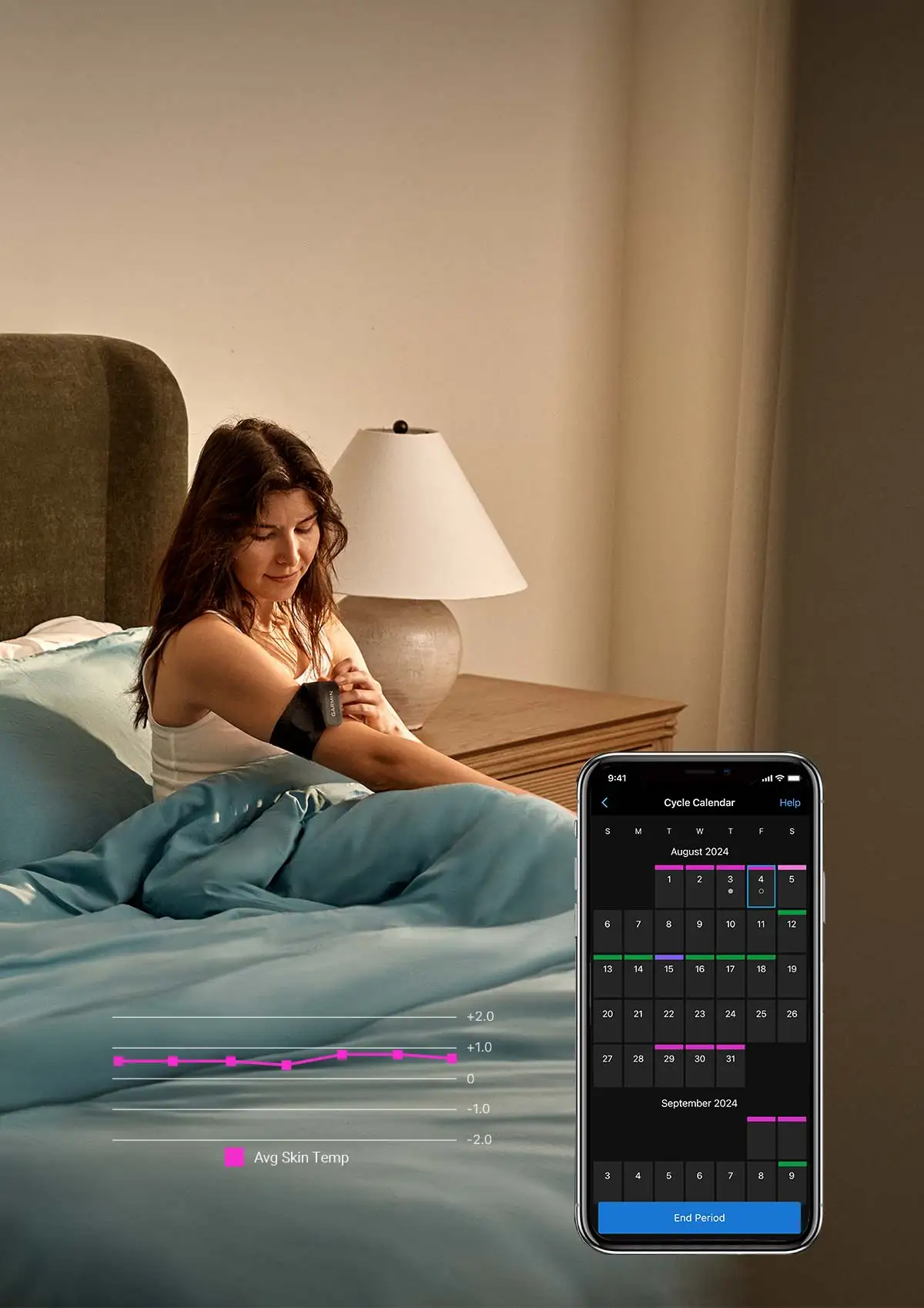
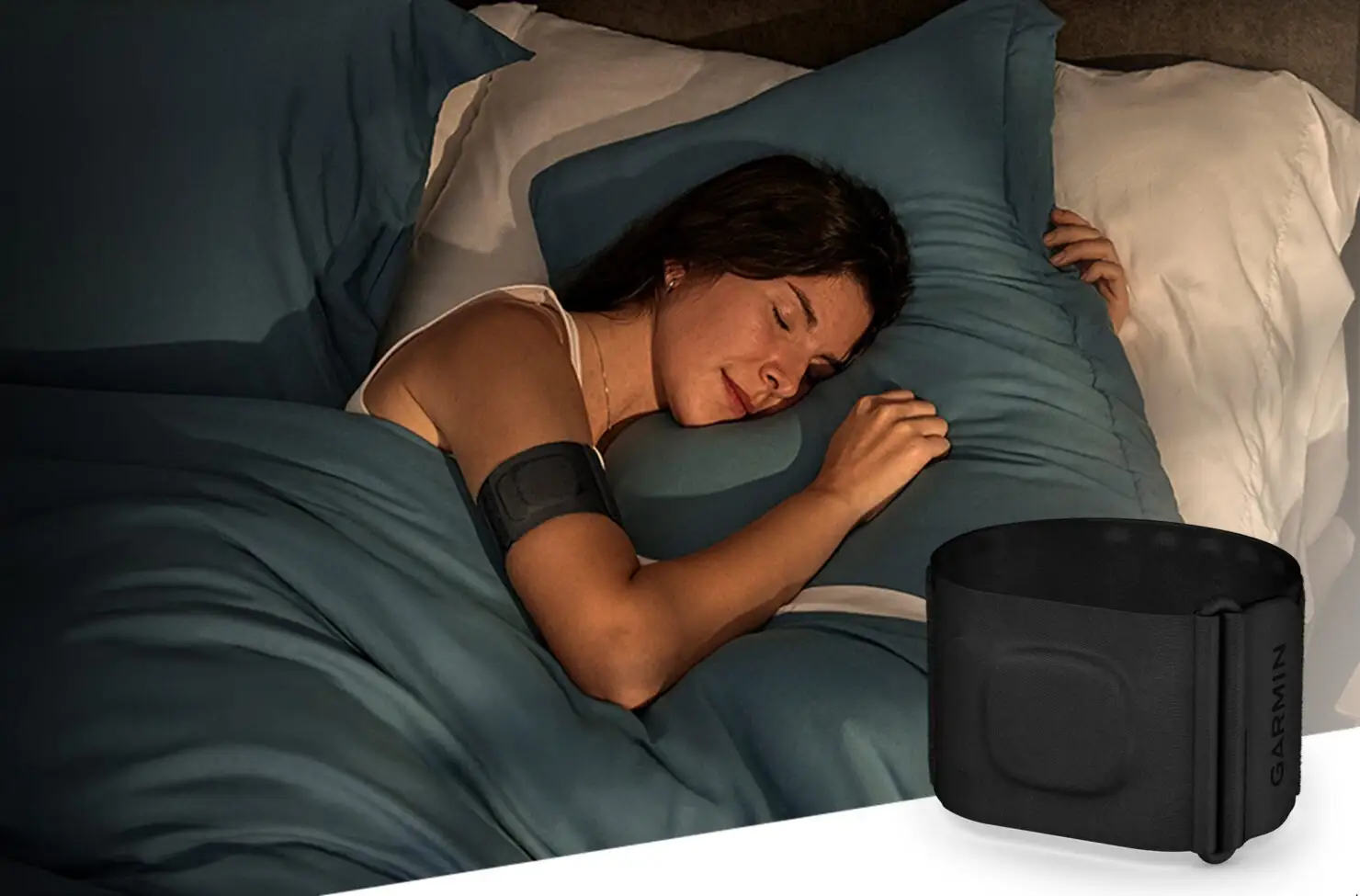
Comfort is the second strong throughline. The Tom’s Guide reviewer describes the armband material as “so soft,” “super lightweight,” and “so stretchy that you won’t even notice it on your upper arm through the night.” For side sleepers and people bothered by wrist pressure, that’s not a nice-to-have; it’s the primary buying trigger. It’s also framed as a hygiene win: the reviewer disliked taking a watch “in germy public areas” into bed, but notes the sleep-only device “doesn’t leave my (clean) bedroom.”
Battery life is the third repeated win. Garmin claims “up to 7 nights,” and Tom’s Guide says it beat that: “it first died an impressive 10 nights later.” For travelers or busy users who don’t want yet another device to charge daily, that’s a meaningful quality-of-life benefit—especially in a sleep-only product where forgetting to charge means missing the entire night’s data.
Finally, the smart wake alarm earns positive framing in review coverage. Tom’s Guide explains it as waking during “a lighter sleep stage” with “gentle vibrations,” adding: “i’ve found this helps me wake up feeling less groggy.” For light sleepers, partners who don’t want audible alarms, and people building a calmer morning routine, vibration-only wakeups are a compelling feature.
Common Complaints
The most serious complaints are accuracy failures that feel “obviously wrong” to the wearer. Digging deeper into the Garmin Forums thread on low resting heart rate, one user described a jarring mismatch: “if i’m wearing the sleep monitor and my garmin and whoop both show a heart rate of, say, 38, but the sleep monitor displays 90, then clearly something isn’t working right.” Another user put it more bluntly: “it doesn't do the only thing it can...”
This problem matters most for endurance athletes and highly trained users—exactly the segment that often has low sleeping heart rates and may care deeply about HRV status, recovery time, and sleep score trends. The original poster in that thread notes that Garmin watches worked for them (“with those devices, heart rate and hrv tracking during sleep has worked well”), but the Index Sleep Monitor did not. That contrast raises the stakes: the user isn’t new to Garmin or wearable data, and they’re comparing within the same ecosystem.
Setup and connectivity friction shows up as a smaller but real complaint. Tom’s Guide notes pairing “didn’t connect immediately” and required troubleshooting: “flick bluetooth off and on a couple of times.” That’s not a deal-breaker for most, but it’s a reminder that “seamless” syncing may still require some patience on day one.
There’s also a value complaint rooted in the device’s single purpose. Tom’s Guide calls it “a little expensive” and “maybe a little overpriced for a single-purpose tracker.” For buyers comparing it to cheaper bands that do 24/7 tracking, the Index has to justify itself on comfort, Garmin integration, and the “charge my watch overnight” use case—not on being the best bargain in wearables.
Divisive Features
The biggest dividing line is whether the Index Sleep Monitor feels “accurate” or “worthless.” Tom’s Guide positions the data as reliable, stating sleep and wake timings “matched” other trackers and that respiratory rate and sleep score “also match.” That’s the experience a cautious, data-oriented buyer wants to hear.
But Garmin Forums paints a very different picture for a subset of users, with reports like “rhr starts off at around 150 bpm… takes at least 5 to 10 minutes before it starts to drop.” Another user said they had “constant dropouts” one night. These aren’t minor disagreements over sleep staging; they’re foundational measurement failures.
Fit and placement may be part of the divide. In the same thread, a user experimented and reported improvement: “i also wore it on the inside of my bicep instead of the outside and the readings were better.” That suggests some people may find a “sweet spot,” while others won’t—especially if skin tone, tattoos, motion, or physiology complicate optical readings (the Garmin support questions explicitly raise tattoos and skin tone as possible factors).
Trust & Reliability
Trust issues cluster around whether the device can be believed night after night, not around counterfeit or scam fears. The most pointed reliability language appears in Garmin Forums posts where users feel the device is failing its only purpose. One user wrote: “sleep index seems unable to track this… at the moment the thing worthless to me.” Another described “constant dropouts” and readings that stayed wrong “for several minutes, sometimes even hours.”
On long-term durability, the provided Reddit thread focuses more on general Garmin sleep monitoring habits than multi-month ownership of the Index Sleep Monitor. Still, it does offer a kind of durability proxy: users discuss wearing Garmin devices “24 hours as much as you can,” with one suggesting strap adjustments and switching wrists to avoid irritation—“works flawlessly so far!” That points to how much the broader Garmin community values wearability strategies, even if it isn’t a direct “6 months later” Index report.
Alternatives
Only competitors explicitly mentioned in the data are included here. The clearest alternative theme is Fitbit, raised as a benchmark for sleep tracking.
In the Garmin Venu forum thread, one unhappy user compared directly: “shame i have to go back to fitbit… if you want sleep tracking, garmin is not the brand to get.” Another echoed: “i came from a fitbit versa… sleep tracking was… much, much better than the venu.” Those comments are aimed at Garmin watches’ sleep tracking, not the Index Sleep Monitor, but they show why Fitbit remains the mental reference point for sleep-focused buyers.
Tom’s Guide also names alternatives by category and price: “withings sleep under-mattress tracker” and “fitbit inspire 3.” Their framing is that cheaper devices can track sleep and some health data, but “the metrics they offer are more basic,” whereas Garmin delivers “a whole host of sleep data.” For buyers who prioritize maximum comfort and Garmin recovery integration, the Index targets a different niche than a wrist band like Inspire 3 or an under-mattress sensor.
Price & Value
Pricing signals vary by region in the provided data, which complicates the value story. Garmin’s press release lists a suggested retail price of $169.99, and Tom’s Guide repeatedly references $169.99 / £149.99, calling it “maybe a little overpriced for a single-purpose tracker,” but still “a standard price for a comprehensive sleep tracker.”
Meanwhile, an Amazon (Garmin Flagship Store) listing shows $239.00 SGD. For shoppers in that market, the Index can feel materially more expensive than the US MSRP, so the “sleep-only” limitation may sting more.
Resale value trends are hard to infer because the eBay data provided is a general Garmin sleep-tracker category listing rather than Index-specific resale comps. What it does show is a wide price spread for Garmin wearables on secondary markets, which typically rewards buying the right device the first time—especially if you’re sensitive to accuracy issues.
Buying tips from community feedback emphasize getting the fit and wearing habits right. In the Reddit discussion about Garmin sleep monitoring, users suggest small adjustments like loosening straps at night and giving algorithms time to learn patterns: “keep in mind that the watch need some time to get used to your lifestyle… try to wear it 24 hours.” For the Index Sleep Monitor specifically, a Garmin Forums user reports better results after changing placement: “inside of my bicep… readings were better,” and another suggested putting it on ahead of bedtime because their heart rate started high and then normalized.
FAQ
Q: Do you need a Garmin watch to use the Garmin Index Sleep Monitor?
A: No. Tom’s Guide notes “you don’t need a garmin watch to benefit,” but it’s “best paired with a smartwatch you can wear by day” for a fuller health and recovery picture. Garmin marketing also emphasizes Garmin Connect syncing to integrate sleep data with other metrics.
Q: Is the Garmin Index Sleep Monitor accurate for sleep tracking?
A: It depends. Tom’s Guide says the device’s sleep and wake timings “matched up with other trackers” and calls the data “accurate.” But on Garmin Forums, some users report major errors, like heart rate showing “around 90 bpm” when it’s actually much lower, making sleep tracking “completely off.”
Q: How long does the battery really last?
A: Garmin claims “up to 7 nights.” Tom’s Guide reports it exceeded that in testing: “it first died… 10 nights later.” Real-world results vary by usage and settings, but the dominant feedback in the provided review coverage points to strong battery performance.
Q: Is it worth the money if it only tracks sleep?
A: Value is debated. Tom’s Guide calls it “a little expensive” and “maybe a little overpriced for a single-purpose tracker,” but also argues it’s worthwhile for people who “dislike wearing their fitness tracker to bed” or want to charge their watch overnight without losing Garmin sleep insights.
Q: Who should avoid it?
A: Users with very low resting heart rates may want to be cautious. A Garmin Forums poster said their heart rate can drop to “37 to 40 bpm,” but the sleep monitor showed “values around 90 bpm,” calling the device unusable until improved. Others reported similarly that it “seems unable to track” low-RHR sleep accurately.
Final Verdict
Buy the Garmin Index Sleep Monitor if you’re a Garmin Connect user who hates sleeping with a watch and wants overnight HRV, sleep score, and recovery metrics to stay consistent. Tom’s Guide describes exactly that persona: “you can leave your smartwatch to charge overnight but your sleep metrics will still be collected.”
Avoid it (or buy with an easy return option) if you have an unusually low resting heart rate or you’ve had optical HR sensors misread you before. Garmin Forums user feedback is blunt: “sleep tracking is completely off,” and another said it’s “worthless to me… it doesn't do the only thing it can.”
Pro tip from the community: if readings look wrong, experiment with fit and placement—one Garmin Forums user reported better results after changing where they wore it: “inside of my bicep… readings were better.”