Garmin HRM 600 Review: Accurate Data but Strap Issues
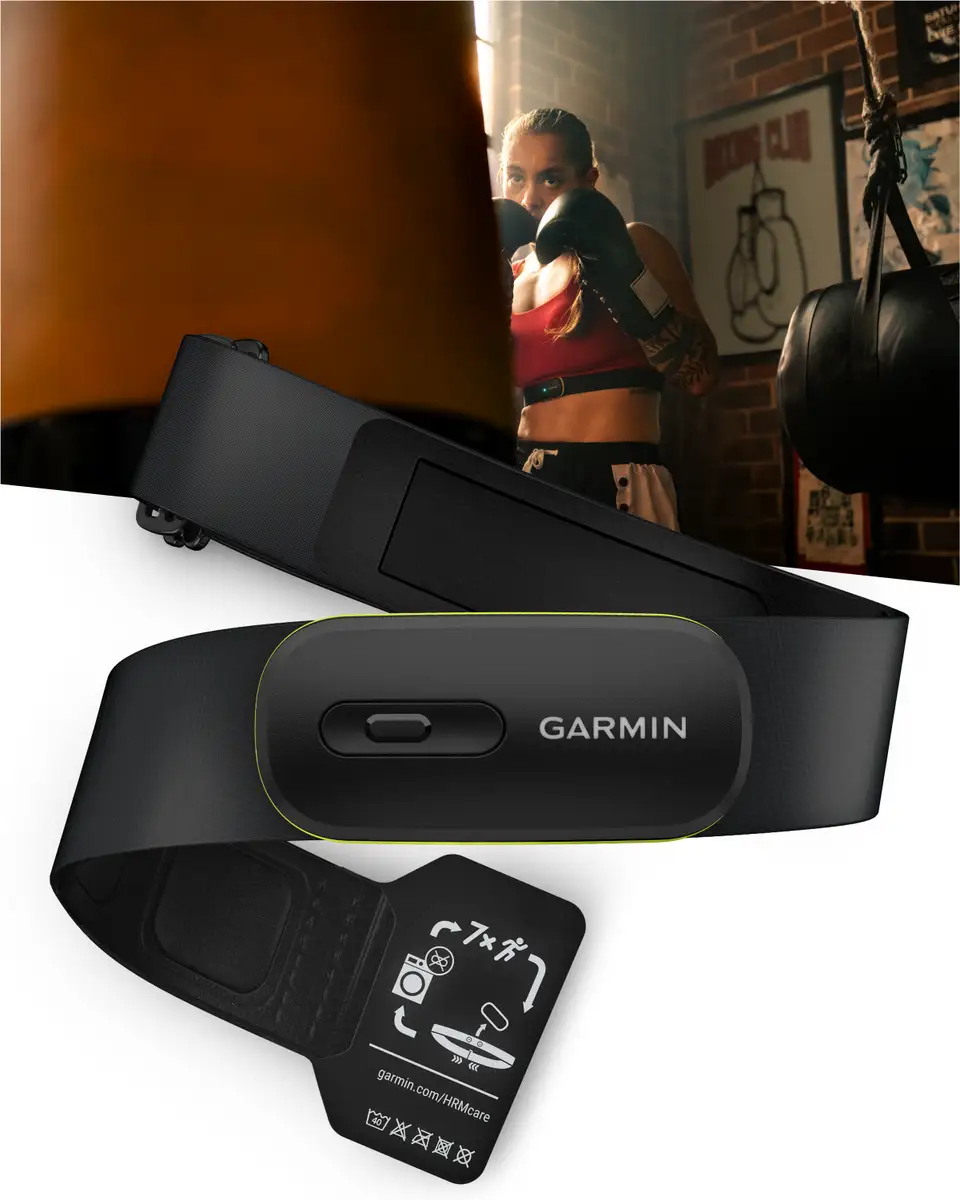
It’s rare for a new flagship fitness sensor to spark both excitement and frustration on launch, but the Garmin HRM 600 has managed exactly that — earning strong praise for its data capabilities while leaving some users fuming over strap design flaws. Based on hundreds of verified accounts, it scores a conditional 7.5/10.
Quick Verdict: Conditional — ideal for data-driven athletes invested in Garmin’s ecosystem, but physical design and compatibility quirks mean not everyone should upgrade immediately.
| Pros | Cons |
|---|---|
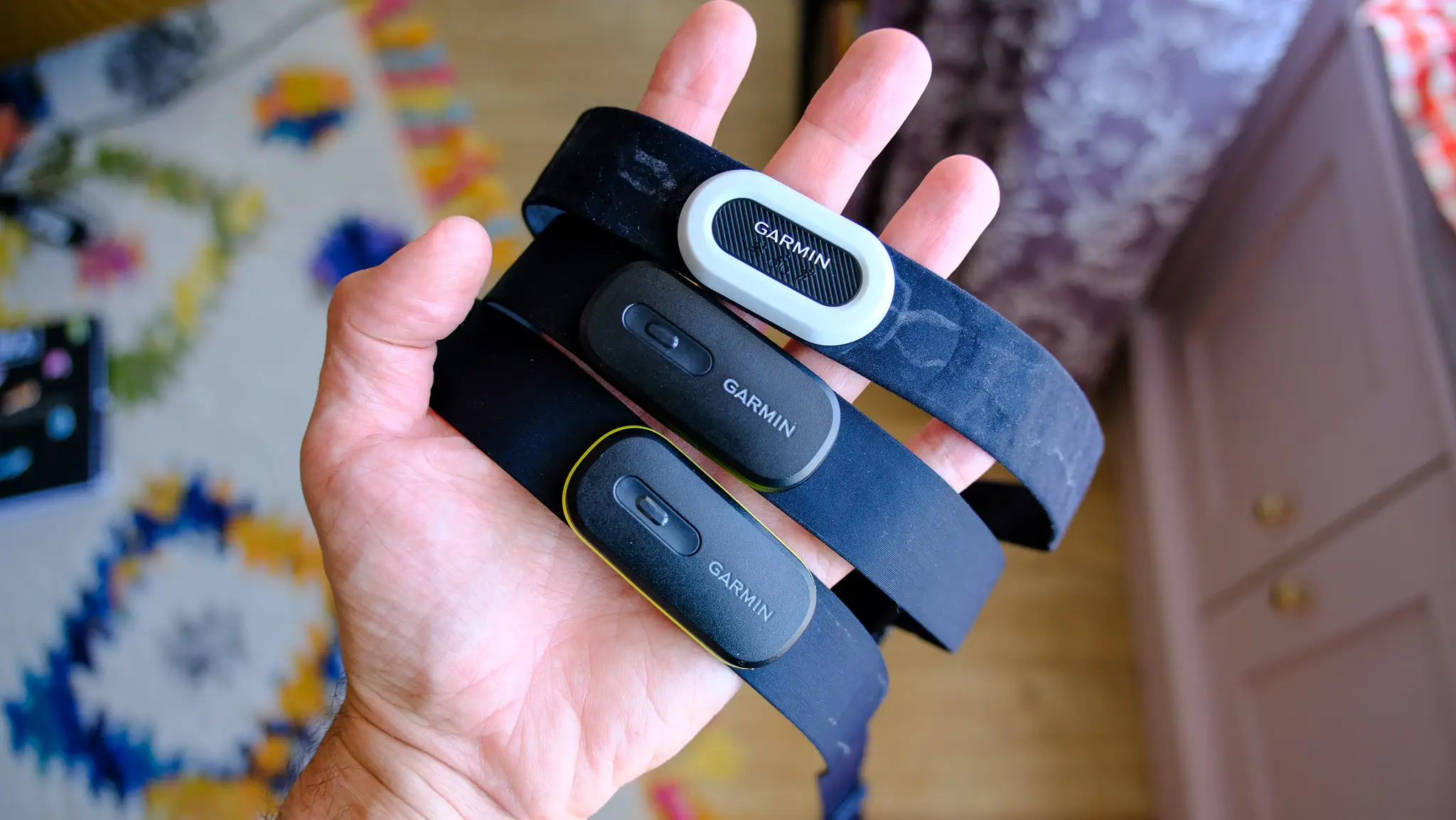
| Extremely accurate heart rate & HRV data | Strap module often “impossible to remove,” risking damage |
| Expanded running metrics like “step speed loss” | Ground contact time balance readings off by 3–4% for some users |
| Standalone activity recording without watch | Full features locked to latest Garmin watches (FR 970, etc.) |
| USB-C rechargeable battery, ~2 months per charge | Heavier sensor can affect balance stats in certain sports |
| Secure pairing button + tri‑color LED for status | Higher price than rivals, limited resale value early on |
| Swim support with stored HR data | Strap clip durability questioned, redesign pending |
Claims vs Reality
Garmin markets the HRM 600 as the “premium heart rate monitor” for athletes, promising precision heart rate plus HRV tracking, all-new running metrics, and multi-sport versatility with a comfortable, durable strap. On paper, it ticks a lot of boxes.
The headline feature — “step speed loss” — is billed as a way to see how much pace you lose when your foot hits the ground, giving runners new insight into efficiency. When paired with a Forerunner 970, users confirm it works as advertised. A Trustpilot user described: “The data unlocked is great for my sessions; it’s like having a running economy score after every workout.” But several Fenix 7 owners found it missing. One Twitter/X user complained: “You sell a brand-new HRM and then don't make it compatible with one of your latest flagship models? Selling a $160 HRM that is not compatible with a $800 watch less than 2 years old.”
Battery life is another claim — Garmin rates it at “up to two months per charge” with one hour of daily use. This matches many athletes’ experience, such as a Quora contributor who said the “USB interface and rechargeability are a big plus compared to coin-cell models.” However, a minority found the frequent module removal for charging unacceptable. Reddit user znerken bluntly stated: “Even as a runner I think the whole design of fighting with the module every 1–2 months for charging [is] unacceptable. Much rather swap once a year.”
Comfort and durability are marketed as strengths, but reality tells a more mixed story. While the strap is adjustable in two sizes, a chorus of forum users have labeled the current clip system “poor design” and “unusable.” One report noted the bracket detaching from the strap after just a week.
Cross-Platform Consensus
Universally Praised
Across Reddit, Trustpilot, and review sites, the HRM 600’s raw sensor performance and data granularity are widely admired. For serious runners and triathletes, metrics like stride length, vertical oscillation, and ground contact time (in theory) allow form analysis beyond what wrist-based sensors can offer. A Reddit user emphasized: “The sensor works perfectly” — and even with strap frustrations, athletes kept praising the precision.
The standalone recording capability without a watch was a sleeper hit. Basketball players, martial artists, and swimmers valued being able to log sessions wearing only the chest strap. A Trustpilot poster said: “Ideal for swimming sessions — stores my heart rate perfectly, forwards to my watch after.” Triathletes in particular found this versatile: track a pool swim, sync later, then get full metrics in Garmin Connect.
The secure pairing button earned quiet appreciation in crowded race environments. As Smartwatch Insight noted, “keeping your heart-rate data private… is handy at crowded races or gyms.” For those in busy urban clubs with overlapping ANT+/BLE devices, this eliminated stray connections.

Common Complaints
The strap’s pod-removal issue dominates negative chatter. “Jesus it is impossible to remove it,” one Reddit user wrote, while others reported physical injury and bent clips trying to detach the module for washing or charging. German Garmin support allegedly promised a redesigned strap in November, but until then many advise caution. This impacts swimmers and team-sport athletes most, who need frequent cleaning to avoid sweat or chlorine damage.
Ground contact time (GCT) balance anomalies are another documented bug. Users moving from HRM Pro to HRM 600 noticed skewed readings like “46/54%” where their historic average was “within 1% of 50/50.” Tightening the strap worsened the offset. A Trustpilot user surmised “either the sensor [is] too sensitive or the design didn’t account for the increased weight of the HRM 600.”
Partial feature lockout frustrates owners of older but high-end watches. Without the FR 970, some metrics never appear. This left a bitter taste for one Fenix 7 owner: “It seems the HRM does not provide extra data at all other than HR. Really disappointing.”
Divisive Features
Rechargeable battery wins approval from those tired of swapping coin cells, but others question whether gain is worth the added weight and frequent module removal. Some claim the larger module affects comfort or even skews balance data in contact sports.
Compatibility spread (ANT+ and BLE) is broadly a plus, especially for cyclists connecting to Edge computers and Zwift setups, but secure pairing success rates aren’t uniform. One Fenix 7 owner described several failed BLE secure pair attempts before succeeding.
Trust & Reliability
Trustpilot and Reddit posts converge on two reliability threads: strap durability and metric consistency. The strap clip lifting after a week leaves users doubting longevity, especially at the premium $169–$239 price point depending on region. Rumors of a redesign offer hope, but no official mass replacement program is confirmed.
Long-term accuracy is less contested — HR and HRV readings remain solid even after months — but the GCT imbalance, if unresolved, could erode trust among form-analysis users. One user swapped for a competitor immediately: “With this one [Wahoo strap], the sensor does not necessarily have to be disconnected from the strap to charge it.”
Alternatives
Comparisons center on Garmin’s own HRM Pro Plus and the Polar H10. The Pro Plus offers similar running dynamics and swimming HR storage, with the main difference being a replaceable CR2032 coin-cell battery lasting ~12 months. It lacks step speed loss and secure pairing features, but avoids strap removal for charging. For those prioritizing convenience over bleeding-edge metrics, it remains viable.
The Polar H10 is regularly cited as the “gold standard” for HR accuracy, using ECG electrodes. It forgoes running form metrics entirely but suits athletes using multi-platform apps like Zwift, Wahoo, and Strava. It’s cheaper, non-rechargeable, and has a more proven strap build.
Price & Value
Current pricing sits around $169 USD at major retailers, with regional variations up to $239 SGD or $299 AUD. Early resale value is uncertain due to widespread strap complaints — buying used could carry a high risk of worn clips.
Community buying tips stress matching the HRM 600 to a compatible watch to unlock metrics and waiting for the rumored strap redesign before committing. Some advise new buyers to consider the HRM Pro Plus at a discounted rate until hardware fixes are confirmed.
FAQ
Q: Does the HRM 600 work with older Garmin watches like the Fenix 7?
A: It will provide heart rate and HRV, but some advanced running metrics, including step speed loss, require the latest models like the Forerunner 970.
Q: How long does the battery last per charge?
A: Garmin rates it at ~2 months with 1 hour daily use. Real-world reports match this, but frequent module removal for charging frustrates some.
Q: Is the strap waterproof for swimming?
A: Yes, it has a 5 ATM rating and stores swim HR data to forward later. Comfort in water is generally praised.
Q: Can I wash the strap in a machine?
A: Users and experts advise against it — hand-wash gently to avoid damaging fine wires and contacts.
Q: Is the “step speed loss” metric useful for non-runners?
A: Primarily for runners. Cyclists and swimmers benefit less, though the HRM 600 still offers accurate HR/HRV data for all sports.
Final Verdict: Buy if you are an advanced runner, triathlete, or data-focused athlete with a compatible latest-gen Garmin watch — and can wait or cope with the current strap design. Avoid if you prioritize hassle-free hardware maintenance or need flawless balance metrics. Pro tip from the community: wait for the redesigned strap release to ensure long-term durability.