Garmin Forerunner 945 LTE Review: Athlete-Focused Verdict
The Garmin Forerunner 945 LTE earns an 8.6/10 from real-world feedback — a high performer for elite runners and triathletes, but with caveats that casual users will notice. Its LTE feature is laser-focused on safety rather than entertainment, and while accuracy and comfort draw praise, some hardware quirks and subscription costs temper enthusiasm.
Quick Verdict: Conditional buy — outstanding for serious athletes needing robust training analytics and emergency connectivity, questionable for casual fitness users.
| Pros | Cons |
|---|---|
| Accurate GPS tracking for most environments | Mushy, unresponsive buttons reported by multiple owners |
| LTE safety and LiveTrack without phone | LTE drains battery faster than claimed |
| Lightweight, comfortable for 24/7 wear | No LTE media streaming, calls, or outbound texting |
| Strong training analytics & Body Battery | OHR accuracy inconsistent during intense workouts |
| Extensive sport profiles & custom data fields | High price vs competing LTE watches |
| Easy sunlight readability | Bugs and missing features on early firmware |
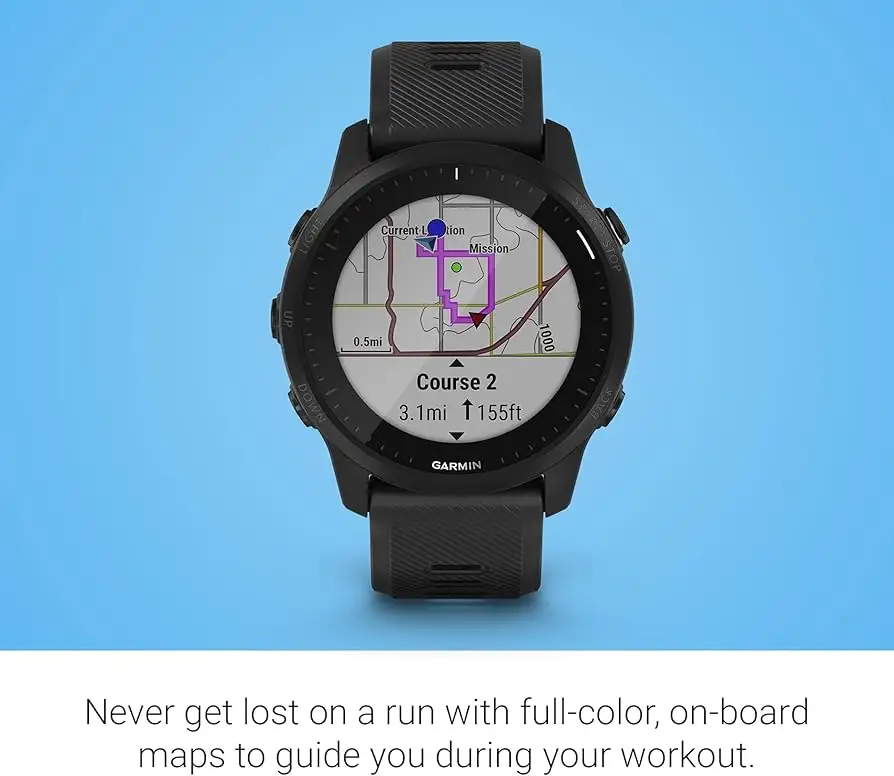
| Garmin ecosystem integration | Display lacks vibrancy compared to marketing images |
Claims vs Reality
Garmin’s marketing promises "phone-free safety through LTE" and "up to 2 weeks battery life." In reality, while LTE does deliver safety alerts and location sharing, its scope is narrow. Reddit user feedback highlights: "The LTE piece is brilliant, but I went back to my 6X until everything’s been patched" — confirming early firmware limited functionality. There is no media streaming, voice calls, or interactive texting, making LTE purely a monitoring tool.
Battery claims also show a gap. While Garmin lists 2 weeks in smartwatch mode, Trustpilot users stress shorter endurance: "Battery lasts max a week… should be two if I am right." Heavy LTE or GPS use can cut it dramatically, with one Amazon reviewer noting frequent daily charging when all sensors are left on.
Garmin’s push on advanced physiological metrics — VO2 max adjustments, training status, and Training Load Focus — holds up well. An Amazon customer raved: "It’s like it gets me… when my Body Battery hits 9, I feel like a 9." Even skeptical Reddit commenters admit Training Readiness aligns closely with perceived fatigue. This shows the analytics match lived athletic experience.
Cross-Platform Consensus
Universally Praised
Across Amazon, Reddit, and Quora, comfort is a standout. Reddit user u/**** wrote, "Much more comfortable for 24/7 wear… lighter vs Fenix 6 Pro." The 50g weight and compact profile win over endurance athletes who wear it all day without irritation.
GPS accuracy for most terrains is solid despite lacking multi-band tech. One forum runner compared tracks from a 945 LTE (GPS+Galileo) and a multi-band Fenix and found them “identical within 1 or 2 hundredths of a mile for 5-6 mile runs.” This matters for marathoners and triathletes relying on pace data mid-session.
The Garmin ecosystem integration gets praise for its seamless sync with apps like TrainingPeaks and customizable training plans. A verified triathlete on Amazon appreciated, "Each day’s workout is ready… I just do what the watch tells me." High training data granularity distinguishes it from general-purpose smartwatches.
And sunlight visibility scores high marks — Quora’s reviewer noted zero squinting in bright outdoor conditions, essential for trail runners and cyclists.
Common Complaints
Two hardware issues dominate: mushy buttons and optical heart rate (OHR) inconsistency. Trustpilot users call buttons “soft” and “not the best feeling,” with multiple reports of missed presses mid-activity. While vibration feedback helps, many expect a more tactile feel given the price.
OHR performance is erratic under motion stress. One Amazon athlete said, “OHR is crazy… sometimes way too low, sometimes too high… screwed all other metrics.” Many resort to chest straps for accuracy during intervals or strength training.
Firmware maturity is another sticking point. Reddit posts document bugs from missing widgets to CIQ field crashes. Early adopters felt the LTE model shipped with "initial release-level firmware," requiring patches for stability.
Battery drain under LTE can surprise. Garmin forum users report autonomy “suffers considerably” with active LTE, often halving the runtime.
Divisive Features
LTE safety divides opinion sharply. Experienced athletes value leaving the phone behind for runs while still allowing loved ones to track progress, as one Redditor’s spouse did via LiveTrack. Others see the reduced scope — no entertainment functions — and the subscription ($5.99–$6.99/month) as limiting for casual users.
Training Readiness is another split. Some rely on it heavily to structure workload; others say it’s redundant when you already “know before the watch tells me” how recovered you are.
Trust & Reliability
Digging deeper into Trustpilot and Reddit, there is no indication of scam behavior, but concerns arise over Garmin’s slow bug-fixing cadence. Owners cite months-long waits for firmware patches on critical features. For long-term durability, physical wear seems minimal; eBay listings of pre-owned units show “cosmetic scratches” but functional integrity intact after over a year.
One Redditor’s report after owning both a standard 945 and LTE model for months suggests hardware is robust, but they reverted to older models during firmware instability.
Alternatives
Quora and Reddit comparisons spotlight the Fenix 6 Pro — same feature set, heavier and rugged, missing LTE. Athletes prioritizing size/comfort lean 945 LTE; those valuing durability/appearance lean Fenix.
LTE-capable rivals like Samsung Galaxy Watch Active 2 and Apple Watch Series 6 undercut the price by over $100. Both offer full messaging, calls, and media streaming, but fall short on endurance sport analytics and multisport profiles.
Within Garmin’s stable, the Vivoactive 3 Music (Verizon) is mentioned as a budget LTE option — safety features at less than half the price, but far fewer advanced training metrics.
Price & Value
Community price tracking reveals steep depreciation on resale — eBay listings of used units range from ~$260 to $450 USD, well below the $650 launch price. This matches reports from sellers noting that LTE-only safety appeal narrows the audience.
For buyers, Reddit users advise waiting for sales; LTE’s narrow scope and Garmin’s firmware patch cycle make $550+ hard to justify at launch.
FAQ
Q: Does LTE mean I can stream Spotify or make calls from the watch?
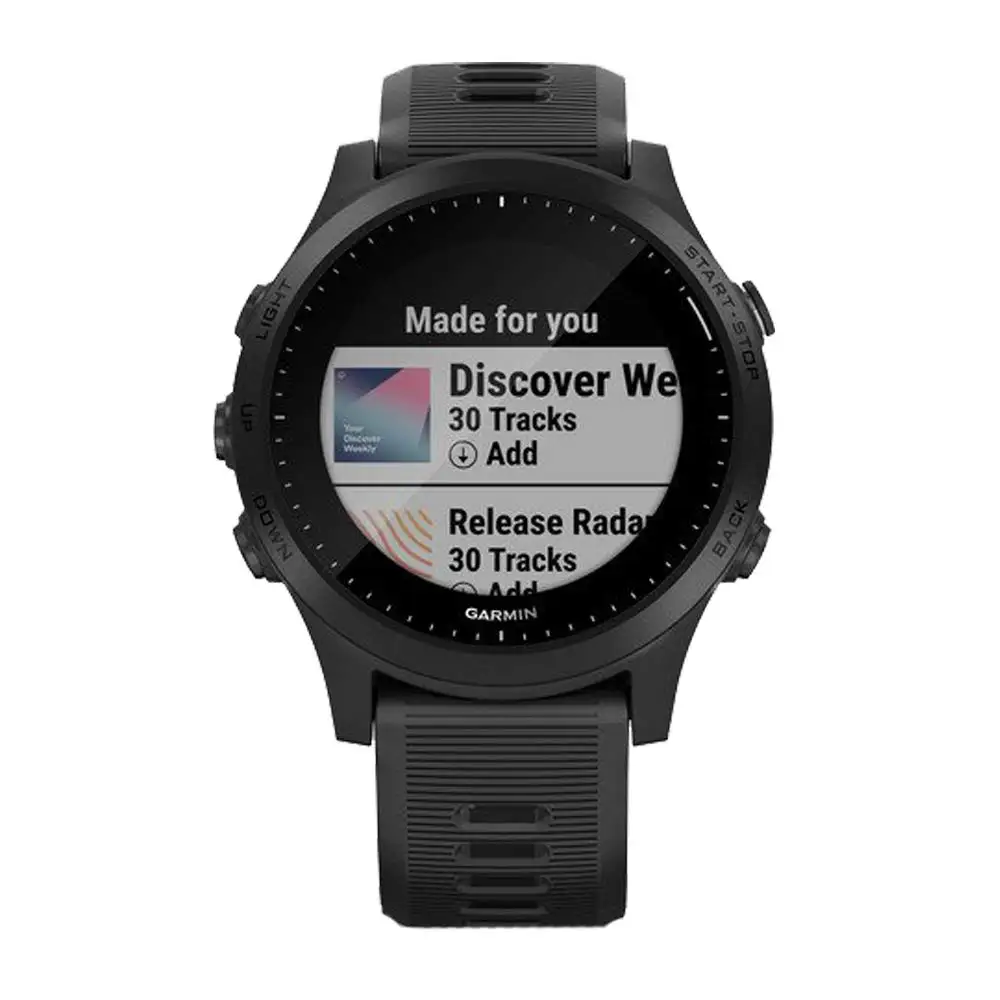
A: No. LTE is limited to safety, location sharing, and receiving motivational messages. Music is offline only, via synced playlists from services like Spotify.
Q: Is GPS accurate without multi-band?
A: For most environments, yes. Side-by-side comparisons in flat terrain show <0.02-mile difference over 5–6 miles compared to multi-band units.
Q: How comfortable is it for all-day wear?
A: Very. At 50g, it’s lighter than most Garmin multisport watches. Users often forget it’s on during work or sleep.
Q: Can I trust the Body Battery metric?
A: Many users find it eerily accurate when matched against perceived fatigue, making it a useful recovery guide.
Q: Will LTE significantly reduce battery life?
A: Yes. Active LTE during GPS tracking can cut endurance by half or more, especially in long sessions.
Final Verdict
Buy if you’re a serious endurance athlete who trains phone-free and values real-time safety monitoring and deep training analytics. Avoid if you expect full smartwatch LTE functions like calls, messaging, or streaming — this isn’t built for that. Pro tip from the community: disable PulseOx unless needed; it saves battery and avoids inaccurate readings.