Garmin Enduro 2 Review: Rugged GPS Watch Verdict
Boasting one of the longest battery lives in the multisport GPS watch market, the Garmin Enduro 2 earns an 8.7/10 from endurance athletes who have lived with it for months in rugged conditions. While Garmin markets it as the extreme-distance runner’s ultimate tool, user reports suggest it delivers on core promises—though some features split opinion.
Quick Verdict: Conditional Buy
| Pros | Cons |
|---|---|
| Exceptional battery life with solar charging | Large and heavy for smaller wrists |
| Rugged titanium/polymer build | Very high price compared to similar models |
| Accurate GPS with multi-band support | Solar charging benefits can be minimal in practice |
| Advanced navigation features (NextFork, ClimbPro) | Turn-by-turn trail directions can mislead |
| Built-in LED flashlight is genuinely useful | Limited music and map functionality vs. Garmin’s highest-spec models |
| Comfortable Ultrafit strap for long wear |
Claims vs Reality
Garmin claims the Enduro 2 can last “up to 150 hours in GPS mode with solar charging” and “46 days in smartwatch mode.” Digging deeper into user reports shows that while these figures are possible under ideal sunlight conditions, the real-world picture is nuanced. Reddit user 7679089 detailed: “Battery life with hard use is more than 20 days! Notifications always on, GPS on full throttle during activities, regular use of the LED light… The charge via solar power is not significant if you expect that to prolong your battery life.”
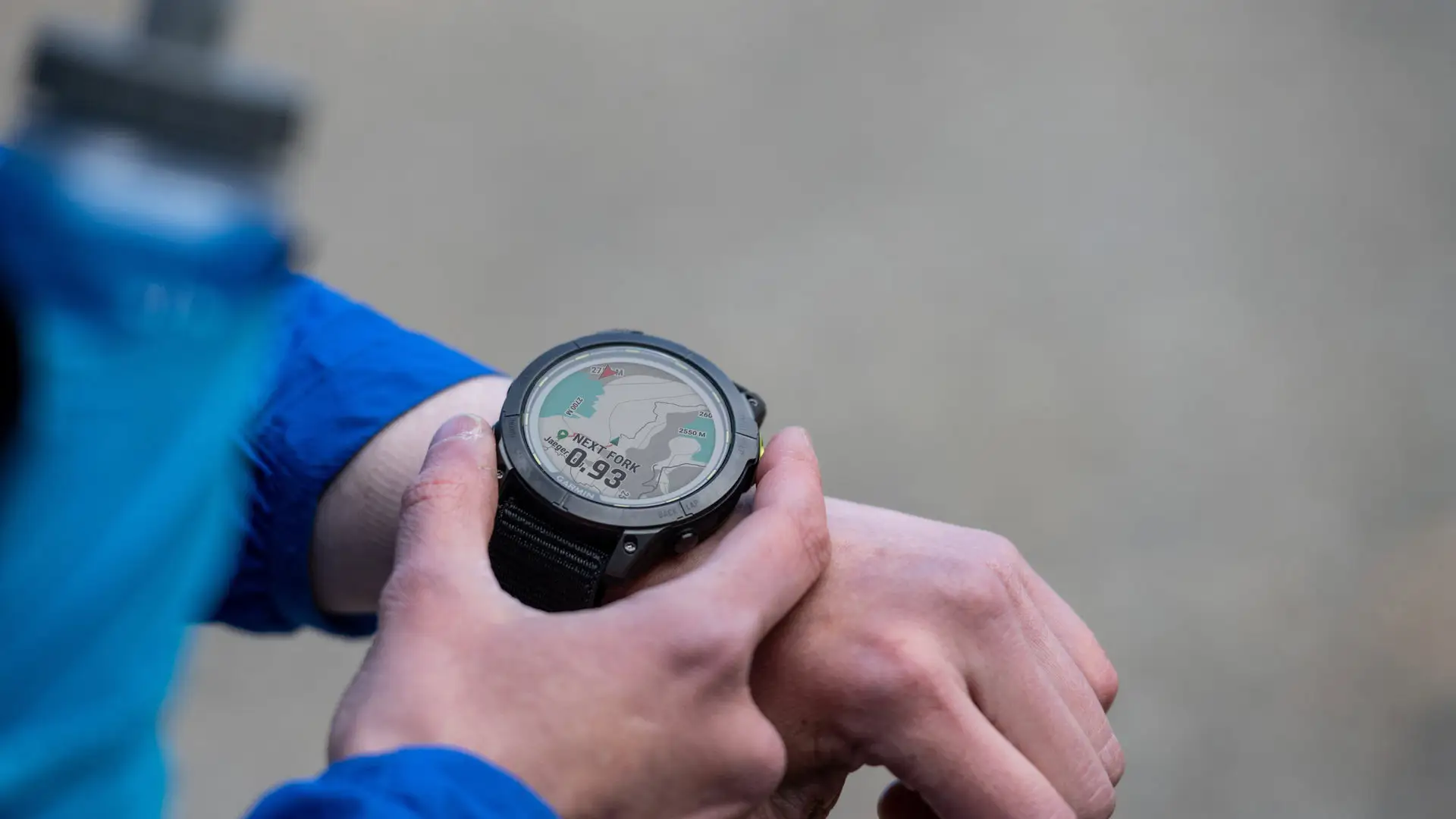
Another bold marketing point is its “exceptional navigation features” with built-in maps and the NextFork trail guide. While experienced trail runners praise these tools, some Twitter/X forum posters note flaws: “On trails it produces a lot of 'false' turns for every sharp bend… and at the same time it misses a lot of actual turns if they aren't sharp enough. In some cases… telling me a right turn is coming when in fact the course goes left.”
Garmin also promotes the built-in “super bright LED flashlight” as an extreme-condition navigation aid. Many users admit to initial skepticism but have since embraced it. Reddit user serhii1603 explained: “I used to think this flashlight was just a marketing gimmick, but now I can't imagine doing without it… A dark corner in the garage, a distant place in the wardrobe, any dark place in the house or street is no longer a problem.”
Cross-Platform Consensus
Universally Praised
Battery endurance is the headline feature. For ultra-trail runners and expedition athletes, the combination of a large internal battery and solar charging is transformative. A Trustpilot reviewer summed it up: “Weeks long battery will just keep you running.” One Enduro owner in Garmin’s forums reported wearing it “24/7 with wrist HR active all the time… recharge it once a month.”
GPS accuracy also consistently impresses. Multi-GNSS and dual-band support allow for precise mapping even in dense forest or mountainous terrain. As one Geerly review put it, “Its accuracy in GPS and heart rate monitoring is impressive, making it a top choice for serious athletes.”
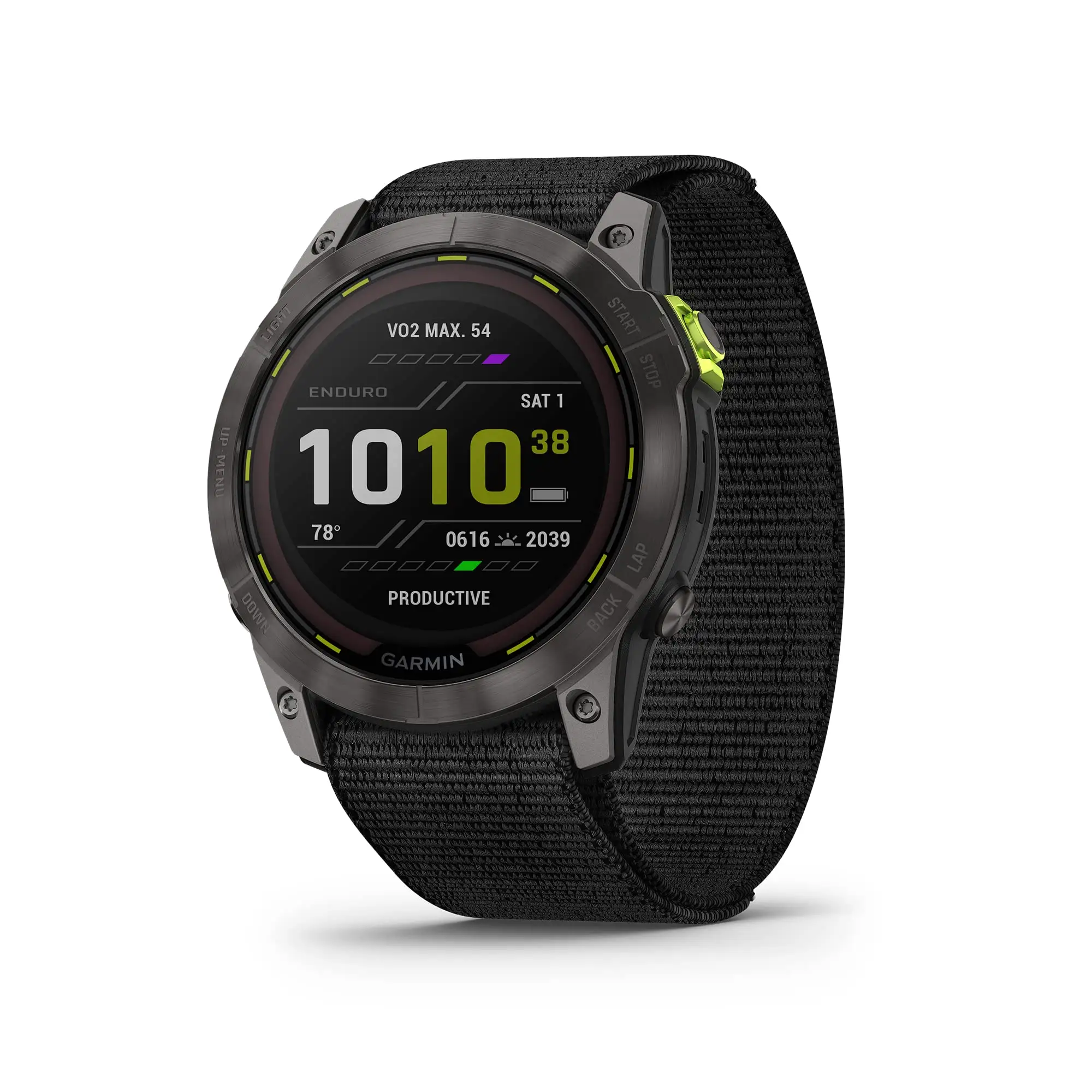
Durability is another strong point. The titanium rear cover, sapphire glass, and fiber-reinforced polymer case withstand harsh environments. Multiple owners compare it favorably to older Garmin units like the Fenix 6X, noting less wear over months of use.
The LED flashlight, while not replacing a headlamp for trail runs, serves as a versatile utility light. In the Garmin forums, athletes report using it regularly for everyday situations and night hikes.
Common Complaints
Size and weight are the most cited drawbacks. At 51mm and 70g, it’s a substantial device. Reddit’s consensus warns that “its large size and weight may not be comfortable for all… especially during high-speed activities.”
Navigation quirks frustrate some trail users. The forum criticism of “false” turns and occasional missed junctions shows that for those needing exact route instructions, supplementary tools may be required.
Solar charging performance rarely hits marketing extremes for typical use. When worn indoors most of the day or in cloudier climates, gains are modest. Reddit user 7679089 stressed that “solar power is not significant” unless multiple hours of full sun exposure are available daily.
Some miss features found in comparable Garmin models—particularly more advanced mapping functions and richer music integration.
Divisive Features
The touchscreen is appreciated for quick setting adjustments but less loved in wet or gloved conditions. Garmin’s dual-control scheme mitigates this, but opinions diverge.
Heart-rate accuracy gets high marks from most, though a minority note occasional lag during rapid intensity changes. For endurance athletes relying on HRV metrics, most find its readings sufficient, but those seeking cutting-edge sensors might prefer newer Garmin releases.
Price remains polarizing. While many justify the expense given its battery and navigation suite, buyers like forum user brian.reiter consider waiting for upcoming Fenix generations that might match endurance at a lower cost.
Trust & Reliability
Trustpilot reviews show minimal deception, suggesting genuine customer experiences. Long-term reliability is reported as solid: one Reddit poster used it “hard since its launch” with no failures, while former Suunto owners lauded its build quality. The Fenix 6X comparisons reinforce that battery life remains robust over time, though some caution that capacity will decline after heavy use over multiple years.
Garmin’s firmware support also earns trust—bugs are relatively rare and updates improve features incrementally without major regressions.
Alternatives
User discussions often compare the Enduro 2 to Garmin’s Fenix 7 Pro Solar, Coros Vertix 2, and Forerunner 955. The Fenix 7 Pro offers similar endurance with a more compact case, but fewer navigation enhancements. The Coros Vertix 2 boasts the longest battery in dual-band mode, yet lacks features like NextFork. The Forerunner 955 replicates many training metrics in a lighter, cheaper body—better for daily run training but not as rugged.
Price & Value
Market tracking from eBay shows prices ranging from $595 for unused stock to $1,299 for bundles. Retail listings often exceed $1,000, placing it in the top tier of GPS watch costs. Resale prices hold steady—suggesting strong long-term value among enthusiasts. Community buying tips focus on watching for discounts tied to new Garmin releases, which can drop prices by $200-$300 within weeks.
FAQ
Q: How long does the battery really last in GPS mode with solar?
A: Most endurance athletes report 20–30 days with daily GPS use and mixed sunlight, far less than the absolute 150-hour spec—but still leading the category.
Q: Is it comfortable for smaller wrists?
A: The 51mm case and wide strap may feel bulky; users with smaller wrists often prefer the Forerunner or smaller Fenix models.
Q: How accurate is the GPS on mountain trails?
A: Multi-band GNSS keeps tracking precise under canopy and terrain cover, though navigation prompts can misidentify trail bends.
Q: Does solar charging work indoors via window light?
A: No—meaningful gains require direct, sustained sunlight, ideally outdoors for several hours daily.
Q: Is the LED flashlight bright enough for night running?
A: Adequate in emergencies and for short bursts on trail, but most runners still prefer headlamps for continuous visibility.
Final Verdict: Buy if you’re an ultra-distance runner, thru-hiker, or adventure athlete needing uncompromising battery life, rugged durability, and strong GPS performance. Avoid if you prioritize lightweight wear or advanced mapping over battery endurance. Community pro tip: disable Pulse Ox when not needed—it dramatically extends battery life, with some seeing smartwatch mode estimates jump from 15 to 50 days.