Furman M-8Dx Review: Reliable Surge Protection Verdict
Few power conditioners inspire loyalty like the Furman M-8Dx Merit X Series Power Conditioner & Surge Protector – a device that many musicians and studio owners rank as “gear insurance.” Across hundreds of reports, it earns a solid 8.4/10 for value and reliability. While most praise its noise filtration and sturdy build, some users call out dated lighting and occasional voltage meter discrepancies.
Quick Verdict: Conditional – ideal for rackmount setups prioritizing surge protection and basic noise filtration, but less suited for modern aesthetics or ultra-precise voltage monitoring.
| Pros | Cons |
|---|---|
| Sturdy, rackmount-friendly steel chassis | Pull-out incandescent lights dim and dated |
| Effective noise filtration in many setups | Voltage meter can read ~2 volts high |
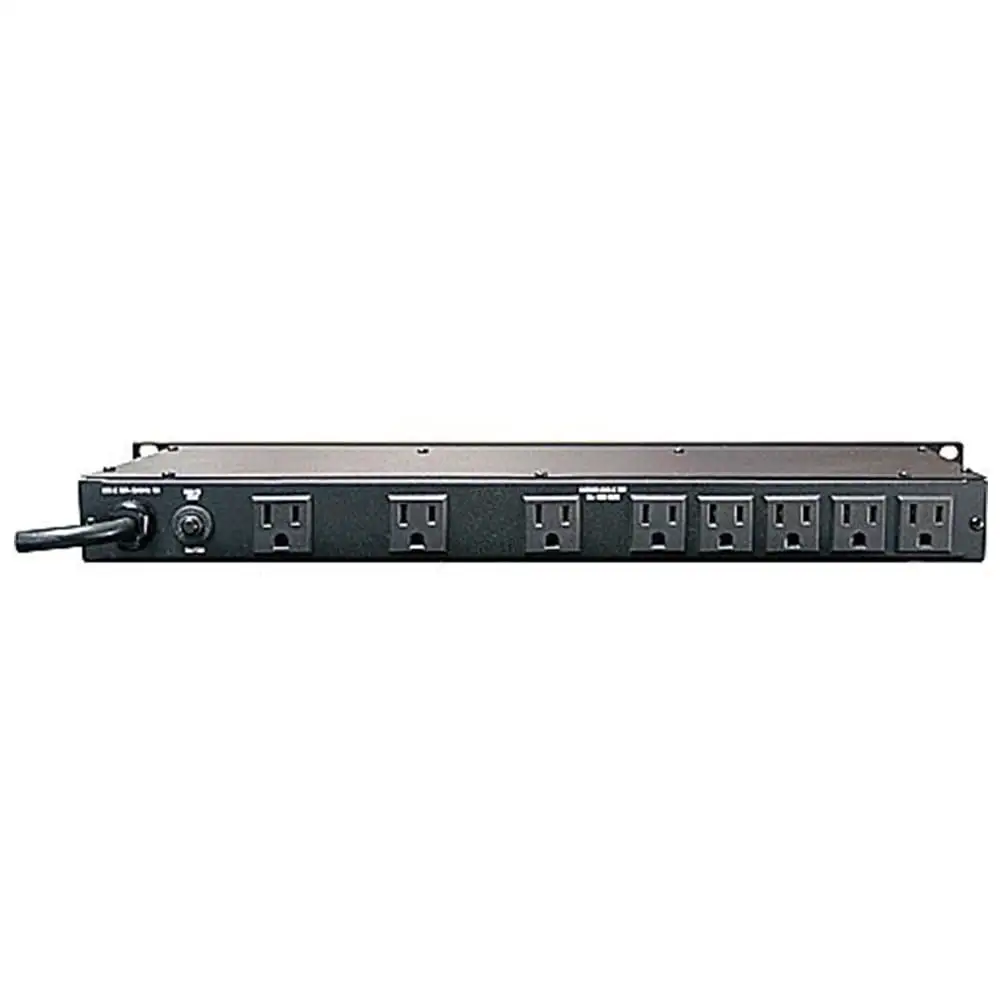
| Nine outlets with wall-wart spacing | Not an isolation transformer |
| Digital voltmeter for quick monitoring | Limited 15A capacity for high draw rigs |
| Affordable compared to advanced models | One report of introducing noise in digital studio |
| Easy rear cable management | Bulbs get hot, uneven brightness |
| Long-term reliability backed by 3-year warranty | Lacks remote control or LED upgrades |
Claims vs Reality
The marketing centers on delivering “standard level surge/spike protection” with “RFI/EMI filtration” to keep tone clean and equipment safe. For gigging musicians, clubs, and studios, this should mean fewer pops, hums, or interference. Yet real-world feedback reveals nuanced results.
For many, it fulfills that promise exactly. A Trustpilot buyer from Florida Keys said: “It assures clean power and protection for my expensive electronics. Plenty of outlets… lights to light up my rack in dark environments.” This aligns with Furman's description of lowering “the noise floor caused by dirty AC power.” Musicians who’ve battled hums report night-and-day differences. Reddit user recounted: “I added my Furman… took out all the line noise & radio interference I was experiencing.”
However, not all experienced perfection out of the box. One musician/producer found the opposite: “The Furman… was causing extreme noise issues to my Apollo 8p!… got better results plugging directly into the wall.” This suggests that while the filtration works for many analog rigs, some sensitive digital audio hardware could react badly.
Another claim — accurate voltage display — draws mixed notes. Marketing calls the meter “laboratory precision ±2 volts,” but a Reddit professional noted: “The voltmeter reads about 2 volts high… which meant it was 104 or 5 actual volts at a low-power venue.” While that’s within tolerance, it’s a reminder for users needing high-precision monitoring to cross-check readings.
Cross-Platform Consensus
Universally Praised
Users across Reddit, Trustpilot, and Sweetwater consistently praise the build quality, power distribution convenience, and peace of mind. One Sweetwater customer emphasized: “I feel at ease knowing my equipment is protected” after installing it in his rack. Live performers highlight the dual pull-out lights – despite being incandescent – as lifesavers on dark stages for quick knob adjustments.
For home studios, the nine outlets and wide spacing for wall-warts are a hit. Floyd O. from Greenville shared that his “ARP 2600 Blue Marvin… has enough outlets to power all modular synths,” and he appreciated meter confirmation even with stable home power.
Common Complaints
The incandescent lights are the most frequent gripe. Owners wish Furman would modernize them to LEDs for brightness and efficiency. “They’re just normal yellow bulbs… not very bright,” a Sweetwater buyer noted. Heat and uneven brightness add to dissatisfaction for some.
The 15A limit also comes up for high-demand rigs – while fine for small to medium setups, it may be insufficient for large PA systems or multiple high-watt amps. Remote control absence is another limitation; Provantage summarized: “No remote control – does not offer remote management capabilities.”
Aesthetics divide opinions. A home DJ wrote: “It looks like it belongs on racks from 20 years ago… hope Furman updates it to match modern gear.”
Divisive Features
The digital voltmeter splits the crowd; some call it invaluable in unpredictable venues, others dismiss it as unnecessary or inaccurate. A lead vocalist loved that “wall wart spacing… eliminates lost receptacles” and found the lights “a real lifesaver,” but suspected the light contact switch was “a little unsubstantial.”
Noise filtration results vary strongly between analog, live sound, and digital studio contexts – stellar in many guitar, bass, or PA applications, but one reported incompatibility with an Apollo interface shows the limits of “standard level” conditioning.
Trust & Reliability
Longevity stories surface often – a Reddit family band member has three units spanning 10 years without failure, after losing thousands in gear during an electrical surge years prior. “We have never had any devices… short out, burn out… since protecting all with Furman,” they write.
Fast shipping and attentive customer service from authorized dealers like Sweetwater helped maintain trust. Several note warranty clarity and the importance of buying from authorized sources to avoid invalid coverage.
Still, one voltage meter complaint and isolated incompatibility reports mean discerning buyers should match the M-8Dx to their specific rig type before assuming universal compatibility. Yet scam or quality control concerns are absent; real dissatisfaction tends to stem from feature limits rather than defective units.
Alternatives
Furman’s PL series offers LED lights, updated aesthetics, and sometimes more advanced filtration – but at roughly triple the M-8Dx’s price. Users like the PL-Plus C for modern styling, yet acknowledge “the price jump is big.” Monster 3500 Pro earns mentions for more outlets and features, but costs more and, in one case, failed after five years, prompting a switch to Furman.
For budget buyers, the basic Furman M-8 model skips lights and voltmeter at a lower cost, with otherwise identical surge and filtration specs. Sweetwater customer “Jack” runs both models, finding the cheaper one equally effective for noise-free rigs.
Price & Value
Recent eBay and retail listings put the M-8Dx between $128–$259, with authorized dealer new units closer to $230–$240 and used around $99–$135. Provantage frames it as “cost-effective… basic power conditioning features.” Resale holds steady if well-maintained, especially with working lights and clean chassis.
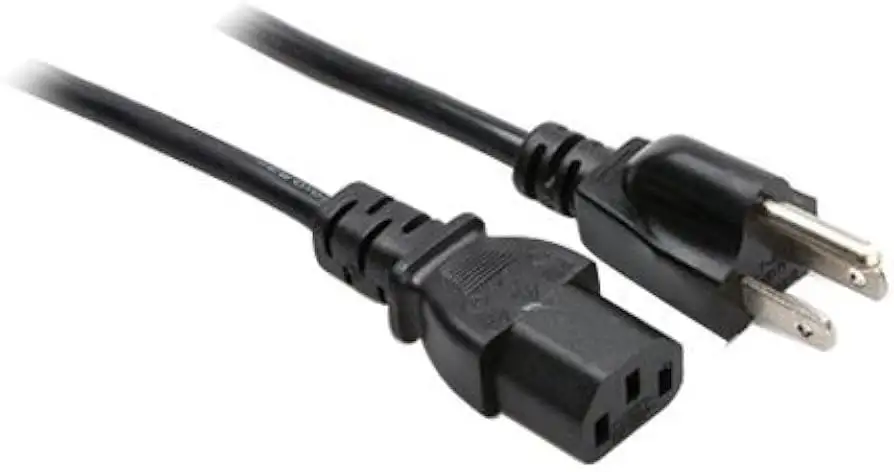
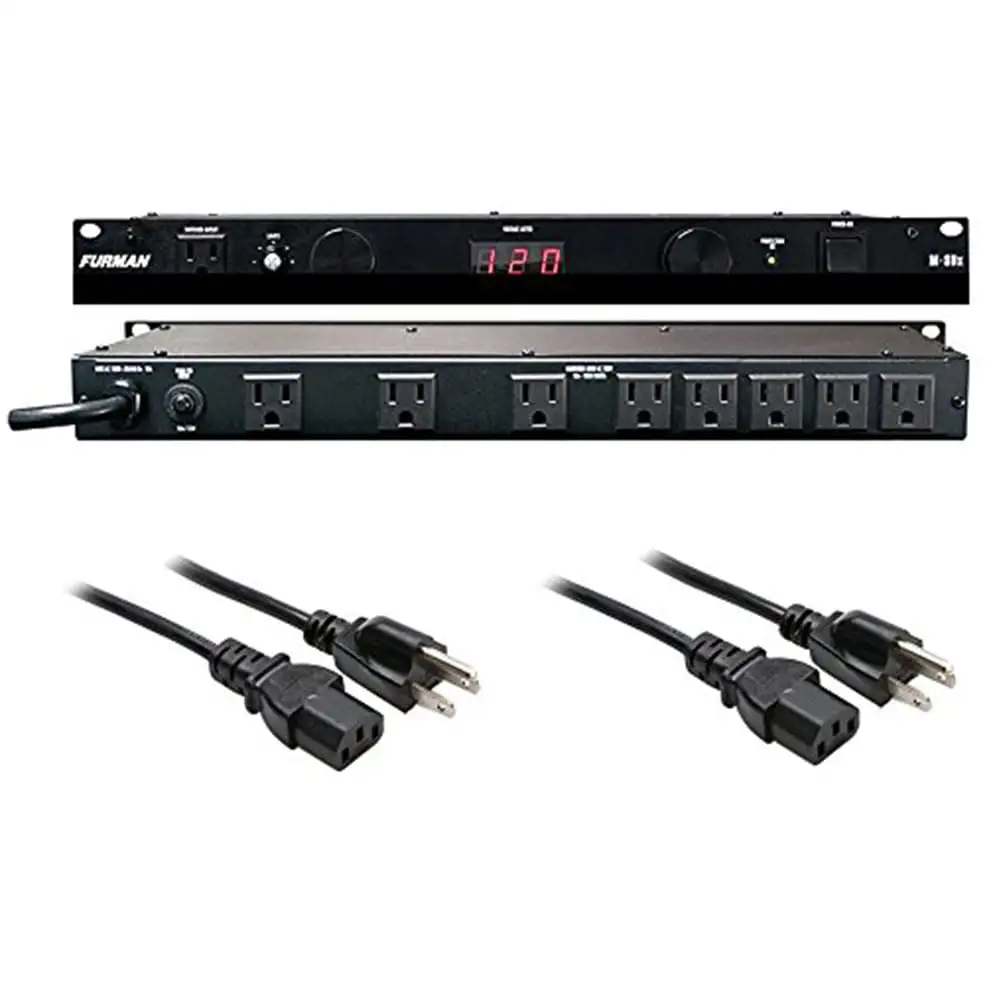
Community buying tips stress authorized sellers for warranty protection, watching for seasonal discounts or bundling with extension cables, as in the Kellards offering. Many agree the peace of mind outweighs the cost compared to gear replacement after a surge.
FAQ
Q: Does the Furman M-8Dx eliminate all noise?
A: Not always – while it often removes hums and interference in analog setups, some digital studio users reported no improvement or added noise. Match it carefully to your gear chain.
Q: Can the lights be replaced with LEDs?
A: Yes, but not stock – users have swapped in LED bulbs for brighter, cooler operation, though Furman has yet to offer a factory LED option at this tier.
Q: Is the voltage meter accurate?
A: Within ±2 volts by spec. One professional user measured a consistent ~2 volts high reading; acceptable for basic monitoring but not lab-grade precision.
Q: Will it handle large PA systems?
A: At 15A max, it's better suited for moderate rigs. Larger systems with high amperage draw need a more robust conditioner.
Q: Is it worth buying used?
A: Yes, if in good condition, but verify light operation and outlet firmness. Buying from authorized dealers secures warranty and assures new surge components.
Final Verdict: Buy if you manage small-to-mid rackmount rigs, gig in venues with variable power, or want affordable, reliable surge protection with basic monitoring. Avoid if you require ultra-precise voltage, modern LED lighting, or if your digital gear has shown sensitivity to conditioning circuits. Pro tip: For sensitive interfaces, test positioning in your power chain before committing it to the conditioner permanently.





