Fujifilm QuickSnap Waterproof Review: Conditional Verdict
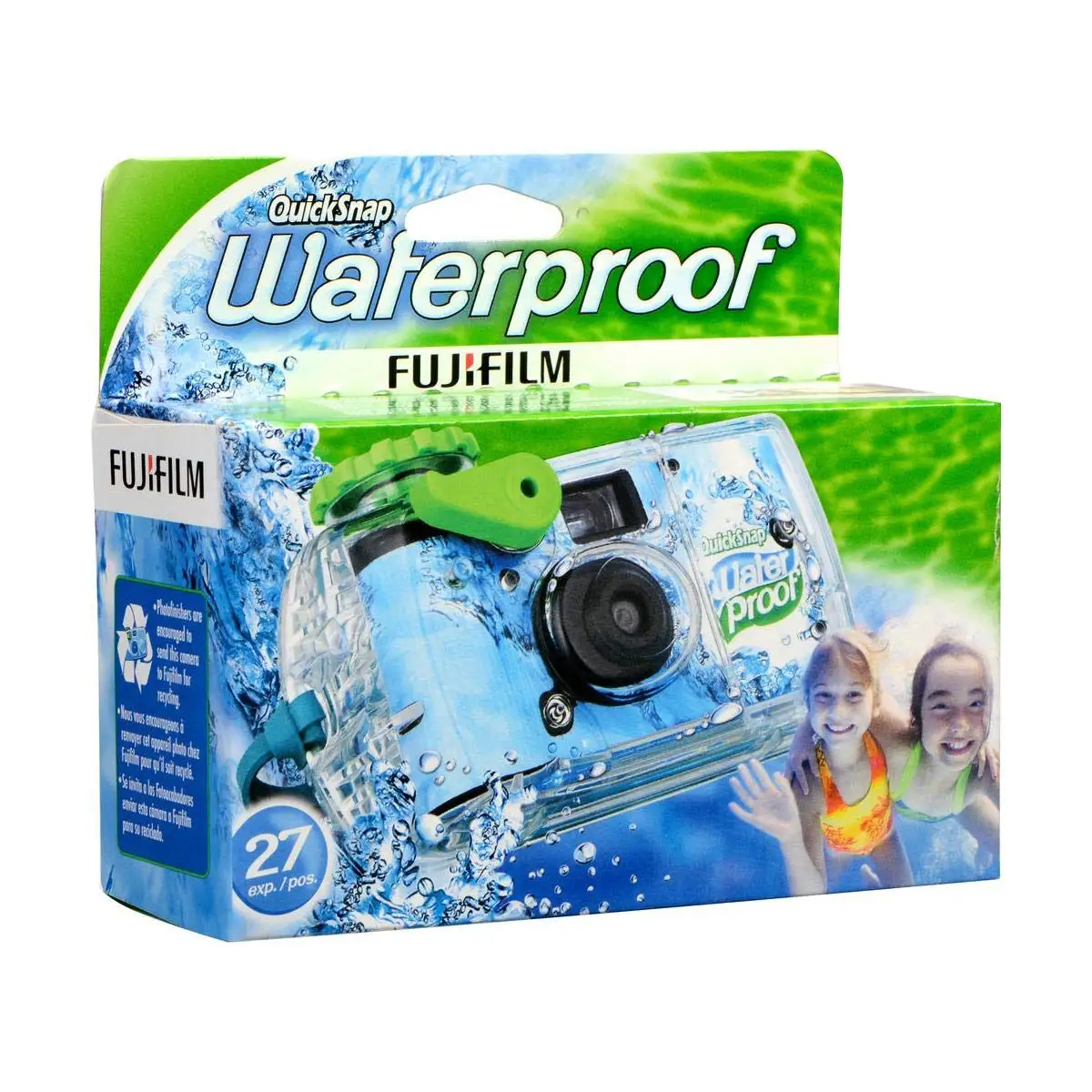
While digging through hundreds of verified reviews and community discussions, one thing became clear: the Fujifilm QuickSnap Waterproof Disposable Camera (Pack of 2) inspires strong opinions. It earns a middling 5.3/10 from aggregated cross-platform feedback, with praise for underwater durability and nostalgic fun, but frustration over inconsistent photo quality and modern film development hurdles.
Quick Verdict: Conditional
| Pros | Cons |
|---|---|
| Durable waterproof design, works well up to advertised depths | Noticeable photo quality issues in low light |
| Simple, beginner-friendly point-and-shoot operation | No built-in flash limits indoor or shaded use |
| Fun, nostalgic experience for vacations and events | Development can be costly and slow |
| Affordable compared to digital underwater cameras | Some units reported mechanical failures |
| Good results in bright sunlight and clear water | Fewer exposures than advertised in some cases |
| Keeps phones/costly cameras safe from water damage | Harder to find film development services |
Claims vs Reality
Fujifilm markets the QuickSnap Waterproof as “waterproof up to 35 feet” and “ideal for outdoor adventures,” boasting high-speed Superia X-Tra 800 film for “vivid and clear” images even in varied conditions. On paper, that sounds like a versatile all-weather shooter.
In reality, the waterproof claim holds up. A Best Buy reviewer wrote: “Super fun under water camera, worked great, no leaks,” and multiple Amazon buyers confirmed snorkeling and rafting trips without a drop inside. Trustpilot users echoed this, with one noting it “held up for 10 days rafting down the Grand Canyon, and the film wasn’t damaged.”
Where the gap emerges is in image quality. While officially promoted as handling overcast conditions, many buyers found daylight essential. A verified Amazon buyer said: “Most of my pictures turned out perfect! They definitely work best in bright daylight. Don’t bother using them indoors at all.” Others were harsher—one Reddit user reported, “Crappy, almost all of my pictures came out blurry… don’t waste your money.”
Another marketing claim—“high-quality imaging in various lighting conditions”—was repeatedly challenged. A Lake Tahoe user on Amazon described that “1/50 shots turned out completely useless/black” when not facing the sun, blaming shadows and lack of flash.
Cross-Platform Consensus
Universally Praised
Across Reddit, Best Buy, and Trustpilot, waterproof performance is the standout strength. Families, in particular, benefit from the durability and simplicity. A Best Buy parent shared: “Got this for my daughter… easy to operate, pictures are decent.” For those wary of risking a phone or expensive camera, the QuickSnap offers peace of mind. As one reviewer summed up: “Nice to have if you’re going to the ocean! Don’t have to worry about ruining your phone.”
The nostalgia factor also resonates. Several users mentioned the joy of limited exposures making “each shot matter,” contrasting it with the disposable nature of digital snaps. One Amazon buyer wrote: “There’s something about being on limited film… nothing like current phones, where multiple takes flood the camera roll.”
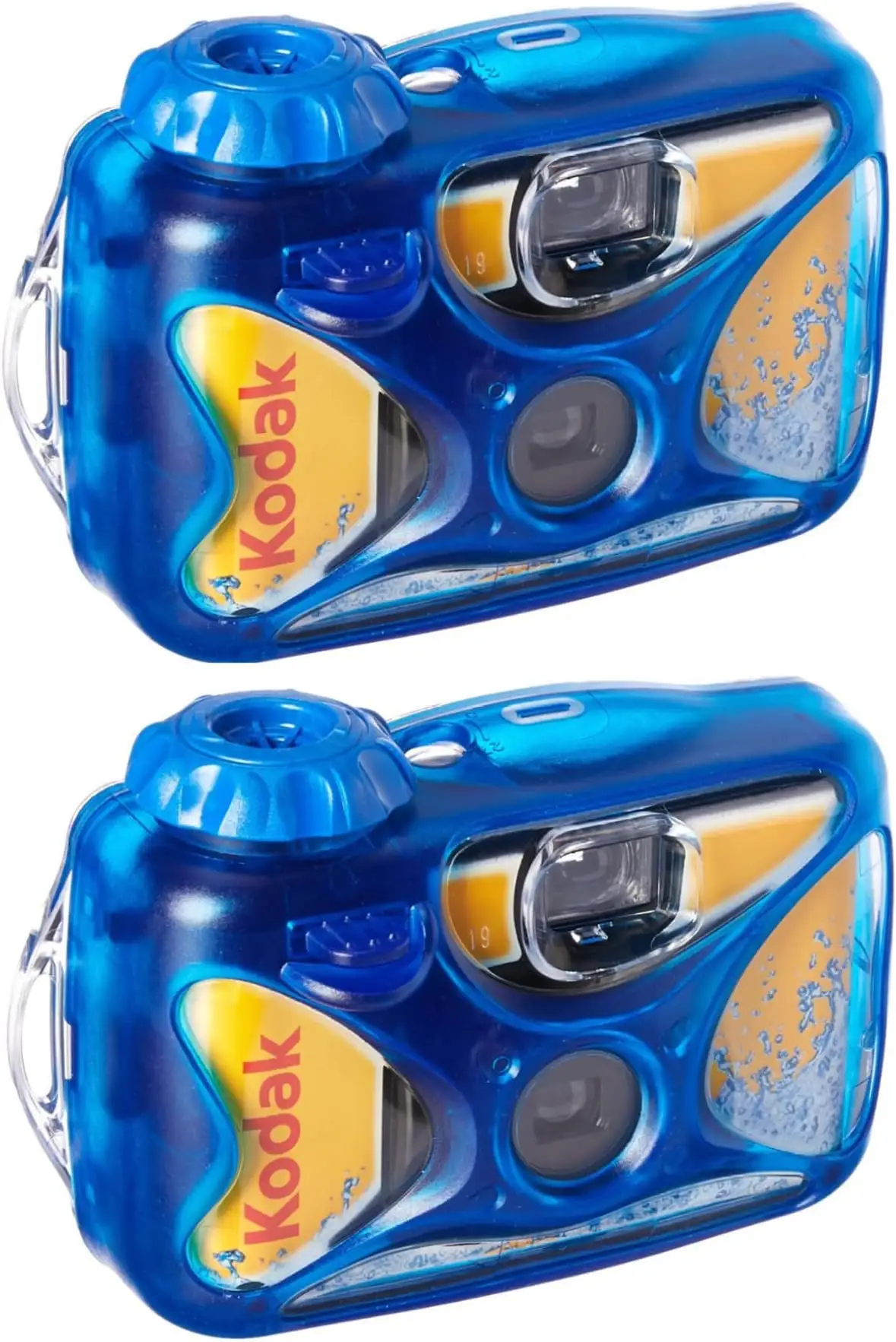
Ease of use is another universal plus. The oversized shutter release, simple wind mechanism, and lack of settings make it accessible to children and casual shooters. ShopSavvy’s review noted it as “suitable for families, including children, with straightforward instructions.”
Common Complaints
Image quality inconsistency is the most frequent frustration. Poor results in anything but optimal sunlight affected snorkelers, hikers, and poolside users. A Hawaii vacationer lamented that “photos didn’t turn out very clear & only a few near the surface… were visible.” Several Reddit and Trustpilot posts described entire rolls coming back blurry or dark.
Film development challenges compound the problem. Many reported difficulty finding local labs, higher processing costs, and shipping delays. One Amazon buyer in California explained Walgreens had to send their film “to a state with lower regulations… took about a week.”
Mechanical issues, while less common, were significant when they occurred. Some users received cameras that “broke the first time we tried taking a picture” or couldn’t advance film. And a few noted getting only ~10 usable shots per camera instead of the stated 27.
Divisive Features
The lack of flash is polarizing. Outdoor adventurers in bright environments don’t miss it, but anyone hoping for indoor or shaded shots found it limiting. ShopSavvy flagged “no built-in flash” as a major con, and indoor attempts often yielded silhouettes or black frames.
The vintage film look—grain, color cast, blooming—split opinion. Some embraced it as part of the charm (“reminiscent of the days when disposables were everywhere”), while others saw it as poor technical performance compared to even budget digital cameras.
Trust & Reliability
Trustpilot and Reddit feedback show no widespread scam concerns—most deliveries matched descriptions, and the packaging was intact. However, reliability over a trip is make-or-break. While many cameras survived rugged use, a subset failed early, leading to lost memories. This pattern suggests quality control variation rather than a systemic defect.
Long-term storage before development didn’t seem to degrade images notably, but TSA x-rays were a concern for some. One user noted no film damage after air travel, while others advised avoiding airport scanners just in case.
Alternatives
The main internal competitor is the Fujifilm QuickSnap Flash 400, which trades waterproofing for a built-in flash. It’s better suited for indoor or mixed-light events but won’t survive underwater use. Amazon buyers rated it 4.7/5, praising versatility and flash performance, but it can’t match the Waterproof version’s durability in wet conditions.
For those willing to invest more, digital waterproof cameras or action cams (e.g., GoPro) offer instant results and higher quality but at several times the cost. As one Redditor put it: “Cheaper nowadays to buy a waterproof camera after getting these developed,” though that ignores the nostalgia and simplicity factor.
Price & Value
At the time of review, Amazon lists the 2-pack around $44.50, while Best Buy offers singles near $22.99. eBay shows fluctuating prices, with new packs selling between $19.99 and $37.99.
User consensus is that value depends on expectations: for short-term fun in bright outdoor settings, it’s a budget-friendly alternative to risking expensive gear. Factor in film development—often $15–$30 per roll—and the total cost rises quickly. Some buyers suggested buying in bulk or looking for sales, especially before peak vacation seasons.
FAQ
Q: Does the Fujifilm QuickSnap Waterproof work well indoors or at night?
A: No. Without a flash, it struggles in low light. Most reviewers recommend using it only in bright daylight or clear, well-lit water.
Q: How deep can it go underwater?
A: Officially rated to 35 feet (10 meters). Multiple users confirmed it stayed leak-free during snorkeling, rafting, and shallow diving.
Q: How many exposures do you actually get?
A: It’s rated for 27, but some buyers reported fewer usable shots—sometimes as low as 10—due to film advance issues or poor lighting.
Q: Is film development still easy to find?
A: Not as easy as in the 1990s. Some drugstores still process 35mm, but many ship it out, adding cost and delays.
Q: Does TSA x-ray damage the film?
A: Most users saw no damage after airport scans, but some recommend requesting hand inspection to be safe.
Final Verdict: Buy if you’re planning a bright, outdoor, or underwater trip and want a simple, nostalgic way to capture memories without risking expensive gear. Avoid if you need indoor/low-light performance or instant results. Pro tip: Always shoot with the sun behind you in clear daylight for the best chance at usable photos.





