Fitbit Inspire 3 Review: Strong Basics, Few Limitations
Users across multiple platforms consistently rate the Fitbit Inspire 3 Health & Fitness Tracker as a capable, lightweight, and budget-friendly wearable, earning a cross-platform score of 8.4/10. While praised for its comfort, battery life, and sleep tracking accuracy, feedback also reveals gaps between Fitbit’s marketing promises and some user experiences—particularly around GPS functionality, touch responsiveness, and locked premium features.
Quick Verdict
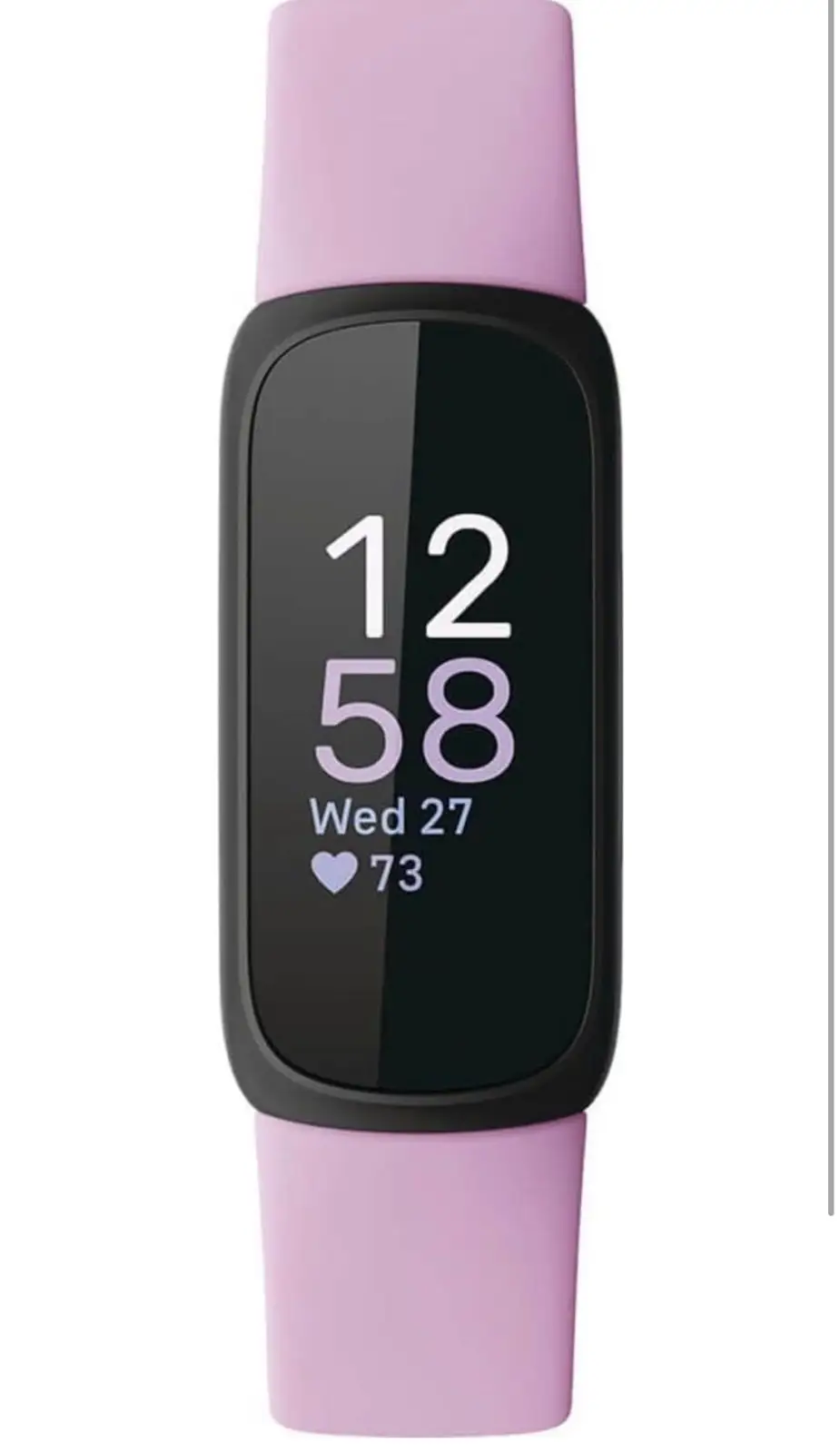
The Fitbit Inspire 3 delivers strong core fitness tracking, long battery life, and comfort for all-day wear, making it ideal for beginners or casual fitness enthusiasts. However, athletes or users needing advanced metrics may find the lack of built-in GPS and small display limiting.
| Pros (User-Reported) | Cons (User-Reported) |
|---|---|
| Slim, lightweight, and comfortable for 24/7 wear | No built-in GPS—phone required for GPS tracking |
| 7–10 day battery life across most reports | Small AMOLED display can be hard to navigate |
| Accurate sleep tracking with detailed stage data | Touchscreen sensitivity issues for some users |
| Affordable entry price under $100 | Advanced analytics locked behind Fitbit Premium |
| Swimproof up to 50m | Occasional syncing and heart rate accuracy issues |
| Broad exercise tracking options | Band can cause skin irritation for some |
| Simple setup and intuitive app integration | Glare issues outdoors |
Claims vs Reality
Fitbit markets the Inspire 3 as “Move more. Stress less. Sleep better.” with Active Zone Minutes tracking, stress management scores, and “better energy starts with better rest.”
Claim: 10 days battery life
According to Best Buy and Trustpilot reviewers, many users indeed hit 8–10 days before recharging, even including sleep monitoring. A Reddit user described charging “once a week” with sleep tracking enabled. Reports note this drops to 3–4 days if the always-on display is used.
Claim: Accurate all-day tracking
While Quora’s test data showed step count differentials under 7 steps on walking tests, Reddit users acknowledged missed steps when pushing a shopping cart or during stationary arm movement. Some solved this by wearing the tracker on the ankle.
Claim: Stress & sleep scores improve wellness
Best Buy reviewers praised sleep tracking detail, noting first-time awareness of nighttime awakenings and REM cycles. However, Trustpilot feedback noted that some advanced sleep analytics require a Fitbit Premium subscription, reducing out-of-the-box value for budget buyers.
Cross-Platform Consensus
Universally Praised
The slim, lightweight design was a standout across Amazon, Reddit, and Best Buy. Small-wristed users highlighted that it felt “like I’m not wearing anything,” enabling 24/7 wear including sleep. One Reddit user even wore it under boots using an ankle strap without discomfort.
Battery life longevity is perhaps its most consistent praise point. Travel users referenced being able to leave chargers at home for week-long trips. Those upgrading from Apple Watches noted that Inspire 3 freed them from nightly charging.
Sleep tracking accuracy impressed many, especially the ability to distinguish REM, deep, and light sleep stages. Users with anxiety reported that seeing heart rate and stress scores helped them recognise physiological responses to stress during exercise, providing reassurance.
The price-to-feature ratio resonated strongly. Multiple Best Buy reviews called it “a steal” at under $100, even without GPS, emphasising that “it does what I need” for fitness basics without overcomplicating.
Common Complaints
A recurring complaint is touchscreen responsiveness. Fitbit Community threads described needing “a magical combination” of taps to access menus, with auto-wake triggers occurring at night and waking users unintentionally.
The lack of built-in GPS is a dealbreaker for some runners and cyclists who do not wish to carry smartphones to track pace and distance. While connected GPS works well when paired, it limits spontaneous tracking.
Several users encountered syncing problems with specific Android devices, requiring frequent manual syncing. Physical comfort concerns appear less common, but minor skin irritation from the silicone band was reported, solvable by switching to third-party bands.
Data accuracy complaints centred on calorie burn and heart rate patterns—some claiming over- or under-estimates during workouts. Fitbit’s step algorithm can miscount when arm movement is restricted, a known issue with wrist-based trackers.
Divisive Features
The Fitbit Premium upsell split users. Those leveraging Premium’s Daily Readiness Score, guided workouts, and wellness reports found it valuable. Others saw it as locking core analytics (like 90-day metric trends) behind a paywall.
The AMOLED display is praised for sharpness and colour indoors but criticised outdoors due to glare. For minimalists, the small screen fits the discreet design; for those wanting richer on-device data, it's limiting.
Trust & Reliability
Concerns surfaced in Fitbit Community posts alleging defective units with sleep tracking cutting off after a few hours, incorrect clocks, or unusable touchscreens. Some suspected Fitbit was “unloading bad units,” though support agents offered standard troubleshooting.
Long-term reliability has positive notes: Reddit users reported 1–2 years of daily use without functional decline, aside from expected wear on bands. Given the <$100 price, many see it as a product intended to be replaced every couple of years—a tolerable trade-off for consistent performance over that lifespan.
Alternatives
Users often compare Inspire 3 to Fitbit Charge 5 and Fitbit Luxe. The Charge 5 adds built-in GPS, ECG, and a larger display, suiting athletes willing to spend ~$50 more. Luxe retains Inspire’s compact form but emphasises fashion over expanded health metrics.
For non-Fitbit alternatives in the same budget, Reddit mentions Amazfit Band 7, which has longer battery life but lacks Fitbit’s community and app ecosystem.
Price & Value
Current prices hover between $79–$99 new across Amazon and Best Buy, with eBay resale values around $50–$65 in good condition. This resale stability suggests moderate long-term value, especially if upgrading within Fitbit’s ecosystem.
Community tips recommend waiting for sales where Premium is bundled free for 6 months—maximising analytics without extra cost upfront.
FAQ
Does Fitbit Inspire 3 have built-in GPS?
No. It uses connected GPS via your smartphone to track pace and distance outdoors.
Is the sleep tracking accurate?
Users widely report accurate breakdowns of sleep stages, though Premium is needed for long-term trend analysis.
Can I swim with it?
Yes. It’s water-resistant up to 50m and suitable for pool use, but not for high-velocity water sports.
How long does the battery last?
7–10 days for most users; drops to ~3 days with always-on display enabled.
Is Fitbit Premium worth it?
If you want Daily Readiness Scores, monthly Sleep Profiles, and guided workouts, Premium adds value; otherwise, core tracking works without it.
Final Verdict
Buy if you’re a beginner, casual fitness tracker user, or need a discreet all-day wearable with excellent sleep monitoring and long battery life. Avoid if you demand built-in GPS, a large screen, or advanced workout programming without paying for Premium.
Pro tip from community: For accurate step counts during non-arm-movement activities, wear it on your ankle or switch to connected GPS to refine distance tracking.