Fitbit Inspire 2 Review: Conditional Buy, 7.2/10
A “cheap band that keeps flying off” and a “screen impossible to see in the sunlight” isn’t the kind of drama most people expect from a simple fitness tracker—but it shows up repeatedly in owner stories. Fitbit Inspire 2 Health & Fitness Tracker, Black lands as a Conditional buy for people who want lightweight sleep/heart data and can live inside the Fitbit app, but it draws sharp criticism for usability quirks, durability, and the Premium ecosystem. Verdict: 7.2/10.
Quick Verdict
Yes—conditionally. If you mainly want steps, sleep, and heart rate trends with long battery life, many owners are happy. If you need a readable-in-sun screen, reliable wake gestures, or you hate subscription pressure, complaints get loud fast.
| What buyers liked / disliked | What it means day-to-day | Evidence (platform) |
|---|---|---|
| Long battery life | Fewer charging interruptions; easier “wear it all week” use | A reviewer wrote: “good battery life” (Trustami) |
| Comfortable for sleep | Better chance you’ll actually track sleep nightly | A reviewer said: “comfortable enough to sleep in” (Fitbit Community) |
| Heart rate can feel insightful | Helps some people notice trends or unusually high HR | A reviewer shared: “learned I have an unusually high heart rate” (Fitbit Community) |
| Screen readability issues | Outdoor use and quick glances can be frustrating | A reviewer said: “screen is impossible to see in the sunlight” (Fitbit Community) |
| Band/fit problems | Can irritate skin or not stay secure on small wrists | A reviewer warned: “small wrists… recommend buying a softer adjustable band” (Trustami) |
| Subscription/app frustration | Premium ads + value doubts can sour the ecosystem | A reviewer wrote: “Fitbit premium honestly isn’t that great” (Fitbit Community) |
Claims vs Reality
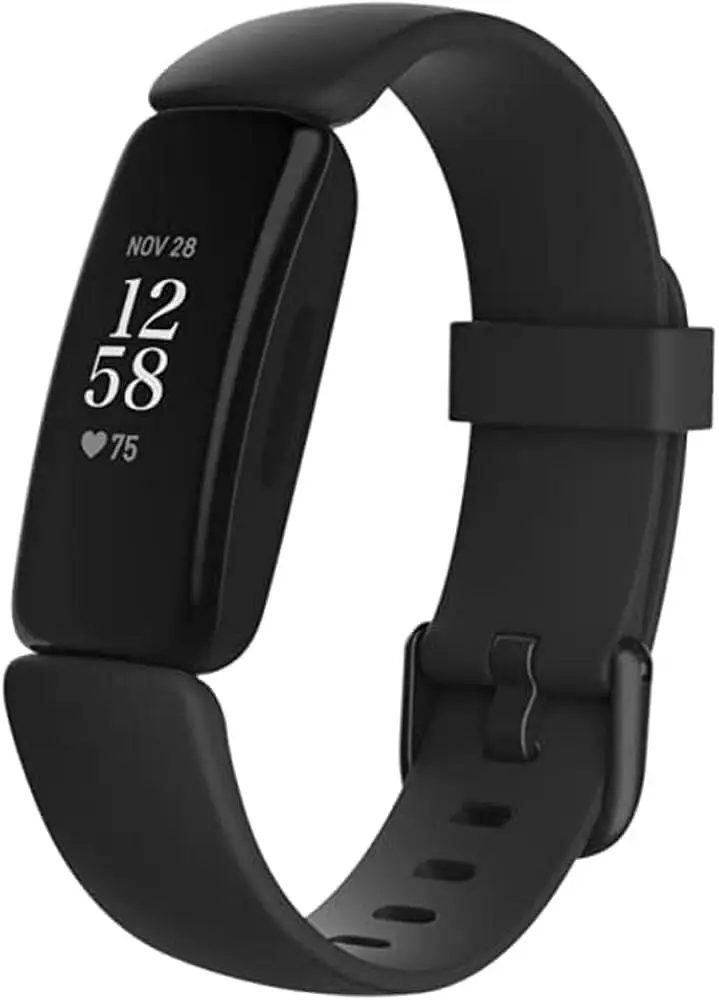
Fitbit’s marketing leans hard on simplicity—“easy-to-use,” “tools for better sleep,” “24/7 heart rate,” and “up to 10 days of battery.” Digging deeper into user reports, the battery claim is the safest bet, while the “easy & intuitive” pitch depends heavily on your tolerance for a small OLED display and finicky wake controls.
Owners who like it describe the experience as set-it-and-forget-it. One Trustami reviewer called it a “good device” that “encourages fitness activities” and praised that it “keeps up with my messages and emails” while having “good battery life and comfortable to wear.” But others say the daily touchpoints—the screen, band, and waking the display—are where friction starts.
A recurring pattern emerged around usability and fit: one Trustami reviewer said, “it’s not that easy to use… it keeps falling off my wrist,” and complained it “ended up scratching so fast because the durability was not that good.” On the Fitbit Community side, an owner described wake gestures as unreliable: “The raise to wake and tap to wake don’t work consistently. They work maybe half the time.”
Claim 1: “Up to 10 days of battery”
The official spec repeatedly promises “up to 10 days of battery.” In day-to-day stories, this is one of the most consistently aligned claims. Trustami feedback includes multiple short confirmations like “good battery life,” and the Reddit-style roundup also states “many users noting it lasts over a week with regular use.”
Where it gets more nuanced is how owners use that battery. One Fitbit Community reviewer mentioned they wear it “when i’m going out or asleep,” implying the long battery life can feel wasted if step counting or calorie estimates aren’t trusted enough for all-day wear. In other words: the battery may last, but it only matters if you actually want the tracker on your wrist all the time.
Claim 2: “Easy & intuitive” touchscreen / streamlined design
Fitbit’s own copy calls it “easy & intuitive,” with a “simple touchscreen.” Several owners do echo ease-of-use when the fit is right. One Trustami reviewer wrote: “love this fitbit easy to use and has everything i need on it,” and another said: “brilliant, set up and on my wrist already.”
But multiple complaints push back on that “intuitive” promise. A Fitbit Community reviewer described needing physical side presses because wake gestures weren’t dependable: “The only consistent way to wake it up is pressing the buttons on each side.” Another Trustami reviewer said it “looks good, but it’s not that easy to use,” adding that it “flies off” and scratches quickly—turning “simple” into “fussy” for people who expected a basic tracker.
Claim 3: “Tools for better sleep” + Premium value
Fitbit markets sleep tracking and a Premium upsell for deeper insight. Some owners do treat sleep as the tracker’s strongest reason to exist. One Trustami reviewer said: “i wanted to keep track of my sleep… sleep with it on every single night and i love it!” They also reported strap irritation but solved it with replacement straps: “i purchased stretch replacement straps and it fixed the issue.”
Yet sleep tracking reliability is contested. The Reddit-style summary flags that “sleep tracking can be inaccurate (dividing sleep into multiple chunks),” and a Fitbit Community reviewer complained: “it seems at least once a month the sleep tracking is acting up.” On the subscription side, one owner was blunt: “Fitbit premium honestly isn’t that great?” while another commenter criticized “ads for premium so very intrusive.”
Cross-Platform Consensus
This is where the story gets interesting: across platforms, people rarely argue about what Fitbit Inspire 2 Health & Fitness Tracker, Black is trying to be—a small, lightweight band focused on health metrics. They argue about whether they can trust it, and whether the “Fitbit ecosystem” experience feels supportive or extractive.
Universally Praised
Battery life is the easiest win. Trustami comments repeatedly boil down to “good battery life,” and the Reddit-style roundup says “many users noting it lasts over a week.” For travelers or anyone who hates charging rituals, that’s the difference between “I wore it” and “it sat on the charger.” A Trustami reviewer summed the convenience up with: “good battery life and comfortable to wear.”
Comfort—especially for sleep—shows up as a major reason people keep it. A Fitbit Community newcomer wrote, “i actually find the watch with the standard band comfortable enough to sleep in,” and a long-term Trustami reviewer echoed the same habit: “i’ve had it for 3 years, sleep with it on every single night and i love it!” For sleep-trackers specifically, those two stories point to the Inspire 2’s best-case scenario: forget it’s there, wake up to data.
Silent alarms also get enthusiastic, specific praise, not vague approval. One Fitbit Community reviewer called out: “the silent alarms are actually really cool!” A second commenter agreed directly: “the sleep data and the silent alarms. [i agree that the silent alarms are cool.]” For light sleepers or people who share a bed, that vibration-based wakeup can be a meaningful quality-of-life upgrade.
After the narrative, the recurring praise clusters into:
- Battery life that owners routinely describe as “good” and week-plus practical (Trustami; Reddit roundup)
- Comfortable wear for overnight tracking, with some describing multi-year nightly use (Fitbit Community; Trustami)
- Silent alarms as a standout “small feature” that feels surprisingly valuable (Fitbit Community)
Common Complaints
A recurring pattern emerged around visibility and durability. One Fitbit Community review didn’t hedge: “The screen is impossible to see in the sunlight.” They also warned that scratches make it worse: “once it gets scratched… it’s even hard to see even outside in shadows.” A Trustami reviewer mirrored the scratch concern from a different angle, saying it “ended up scratching so fast because the durability was not that good.”
Wake/interaction reliability is another repeated frustration. The same Fitbit Community reviewer said “raise to wake and tap to wake don’t work consistently,” adding the delay causes accidental screen toggles when they try to compensate. For anyone using the tracker during errands, workouts, or accessibility-constrained situations, they described it starkly: “The only consistent way to wake it up is pressing the buttons… you can’t do this when you have stuff in your hands.”
Fit and band quality complaints show up in multiple forms: security, irritation, and perceived cheapness. One Trustami reviewer said “it keeps falling off my wrist… it does not fit well. it flies off,” while another highlighted small-wrist discomfort and suggested a replacement: “recommend buying a softer adjustable band.” On the Fitbit Community side, an owner wrote: “the default band is cheap… matte finish started wearing off within a month.”
After the narrative, the most frequent complaint themes are:
- Screen readability outdoors + scratches degrading visibility (Fitbit Community; Trustami)
- Unreliable wake gestures forcing awkward button presses (Fitbit Community)
- Band/fit issues: falling off, irritation, and fast wear (Trustami; Fitbit Community)
Divisive Features
Accuracy is where opinions split most sharply—especially steps, calories, and heart rate. The Reddit-style roundup claims “fairly accurate heart rate monitoring,” even “comparing well with hospital-grade monitors,” but a Fitbit Community newcomer felt the opposite in practice: “it definitely over counts steps,” and suspected it “over counts my calories… just cause my hr is high?” They also reported a confusing mismatch: “app tells me my resting heart rate is 81 but… watch… between 90-105.”
Premium is similarly polarizing. Fitbit’s bundle pitch emphasizes a “1-year… Premium” experience, but one owner dismissed it: “Fitbit premium honestly isn’t that great?” A follow-up commenter went further, describing “ads for premium so very intrusive” and arguing the ecosystem “has zero respect for its customers.” Meanwhile, other owners seem to ignore Premium entirely and still feel satisfied focusing on basics—like the Trustami reviewer who said it’s “easy to use and has everything i need.”
Trust & Reliability
A notable trust question isn’t only “is the heart rate accurate,” but “can I trust the ecosystem not to degrade after the trial?” The Fitbit Community thread captures anxiety about Premium becoming a gatekeeper. One commenter described “ads for premium so very intrusive that the enjoyment and functionality of the non-premium experience is impaired,” framing the choice as “either pay extra… or have the screen look like this.”
Long-term durability stories cut both ways. On the positive side, one Trustami reviewer said: “i’ve had it for 3 years… sleep with it on every single night and i love it!” That’s a strong longevity signal from a daily wearer. On the negative side, another Fitbit Community reviewer described rapid cosmetic decline and suspected intentional fragility: “default band is cheap… totally gone… i’m just waiting for it to tear,” and accused “planned obsolescence.”
Alternatives
Only a few alternatives are explicitly mentioned in the provided data, and they tend to appear as “what to buy instead if this ecosystem annoys you.”
From the Android Central review (provided under Quora/Expert Q&A), buyers who want built-in GPS and payments are steered toward Fitbit Charge 4, since Inspire 2 “doesn’t include built-in gps or nfc for fitbit pay.” That matters for runners who don’t want to carry a phone or anyone who expects tap-to-pay.
The same source calls out Xiaomi Mi Band 6 as a lower-cost alternative, and Garmin vivosmart 4 / Garmin vivofit 4 as competitors. Meanwhile, the Fitbit Community commenter explicitly floated switching brands: “that might sway me to looking at garmin or another brand.” The alternative narrative here is less about features-on-paper and more about escaping subscription pressure or improving reliability.
Price & Value
The value story shifts dramatically depending on where you buy. Amazon listings show the Inspire 2 around the sub-$100 range (one Amazon.com bundle is listed at $89.99), reinforcing the “entry Fitbit” positioning. That pricing makes sense to people who want basic tracking without smartwatch complexity—especially when battery life and sleep comfort hit.
Resale/used markets paint a different picture. eBay listings show used units as low as “$24.00” (with shipping potentially exceeding the item price), and an eBay product page shows it sold out at “$43.85” with many product ratings. That gap suggests depreciation is steep, which can be good for bargain hunters but a warning for anyone expecting strong long-term value retention.
Community “buying tips” are mostly implicit: people advise swapping bands early. One Trustami reviewer said irritation disappeared after replacement straps: “purchased stretch replacement straps and it fixed the issue.” Another warned small-wrist users to consider “a softer adjustable band.” If you’re calculating true cost, that band upgrade is part of the realistic budget.
FAQ
Q: Does the Fitbit Inspire 2 really last around 10 days on a charge?
A: Many owners confirm strong battery life in real use. A Trustami reviewer called it a “good device” with “good battery life,” and the Reddit-style roundup says many users report it lasts “over a week.” Actual longevity still varies with use, but the battery claim is widely supported.
Q: Is the Inspire 2 comfortable enough to sleep in every night?
A: Often yes, but band comfort varies by person. A Fitbit Community reviewer said it’s “comfortable enough to sleep in,” and a Trustami reviewer reported three years of nightly wear: “sleep with it on every single night and i love it!” Others mention irritation, solved by replacement straps.
Q: Is the screen readable outdoors?
A: Some owners say no, especially after scratches. A Fitbit Community reviewer stated: “The screen is impossible to see in the sunlight,” and added that once scratched it becomes “even hard to see even outside in shadows.” If you need quick outdoor readability, this is a consistent complaint.
Q: Are step count and calorie estimates accurate?
A: Feedback is split. The Reddit-style roundup describes “accurate step counting” and generally “fairly accurate heart rate monitoring,” but a Fitbit Community reviewer said it “definitely over counts steps” and suspected it “over counts my calories.” Another confusion point: resting heart rate in-app vs on-watch readings.
Q: Is Fitbit Premium worth it after the free trial?
A: Some buyers don’t think so, and others feel pressured by ads. One Fitbit Community user wrote: “Fitbit premium honestly isn’t that great?” Another complained about “ads for premium so very intrusive.” If you mainly want basics (steps, sleep, heart rate), several users seem satisfied without Premium.
Final Verdict
Buy if you want a small, lightweight tracker for sleep tracking habits, silent alarms, and heart-rate/steps trends—and you care a lot about “good battery life” more than smartwatch features.
Avoid if you need a screen that’s reliably readable in sunlight, hate unreliable raise-to-wake behavior, or you’re sensitive to subscription upsells and app friction.
Pro tip from the community: plan for a band swap if you have irritation or fit issues—one owner said replacement straps “fixed the issue,” and another recommended “a softer adjustable band” for small wrists.