Fitbit Charge 6 Review: Stylish Tracker with Caveats
Marketing says it’s Fitbit’s “most accurate” heart rate tracker yet, but owners of the Fitbit Charge 6 Activity Tracker are split — some call it a big leap forward, others say it’s still “wildly inaccurate” during exercise. Overall verdict: 7.5/10
Quick Verdict: Conditional — a strong buy for casual fitness and lifestyle tracking, but not for athletes or medical monitoring.
| Pros | Cons |
|---|---|
| Slim, lightweight design comfortable for 24/7 wear | Heart rate accuracy still inconsistent during certain workouts |
| Built-in GPS without phone needed | Small display limits workout data visibility |
| Google Maps, Wallet, and YouTube Music integration | Limited community features after Fitbit discontinued challenges |
| Solid battery life (many report 6–7 days) | Some durability issues reported within first week |
| Accurate sleep tracking and wellness scoring | Premium subscription needed for full feature access |
| Easy, clean app interface | No altimeter for elevation tracking |
| Ability to broadcast HR to select gym equipment | No external HR strap pairing support |
Claims vs Reality
Fitbit promotes the Charge 6 as “up to 60% more accurate heart rate tracking during vigorous activities” and “the most accurate heart rate on a tracker yet.” Digging into user reports, there’s a clear divide between marketing optimism and lived experience. A verified Best Buy buyer praised: “heart rate is way more accurate, there are a lot more exercise modes to choose from.” But multiple community members contradict this, especially during running, cycling, or strength training. One user in Fitbit’s forum bluntly stated: “It spikes to twice my actual rate… verified with a finger measure and pulse count… wildly inaccurate.”
The second big claim is convenience: Google Maps and Wallet “seamlessly” on your wrist. Many Reddit and forum posts show this promise generally holds — “maps app… problem free,” said a HelenTech reviewer, with turn-by-turn directions reaching the Charge 6 even when the phone was stashed away. Wallet integration is also appreciated, though limitations like regional availability and requiring a Google account frustrate some.
Fitbit also leans hard on battery life advertising of “up to 7 days.” This is one area where marketing matches reality for most. Best Buy reviewers mention “lasts me over a week before needing to charge,” and the HelenTech test calculated 6–7 days with normal use. There are exceptions: heavy GPS/always-on-display use can drain it in two days, as one Trustpilot commenter found.
Cross-Platform Consensus
Universally Praised
Lifestyle-focused users — those tracking steps, sleep, daily readiness — frequently call this “my best Fitbit yet” (Fitbit Community). For smaller wrists, one Best Buy reviewer wrote, “slimmer designs… battery life has been excellent.” Sleep tracking and scoring earn strong marks; Best Buy buyers enjoy waking up to “beautiful… tracks my sleep! easy to view on my wrist.”
The addition of the physical side button solves a longstanding navigation gripe for Charge owners. HelenTech noted it “makes returning to the home screen much easier” during sweaty workouts or when swiping is impractical.
Built-in GPS without needing a phone resonates with runners and walkers who want clean route maps in the app afterward. Quora’s tech review praised “bravo to Fitbit for including a GPS antenna in such a low-profile tracker… outdoor activities can be tracked without a smartphone.”
Common Complaints
Heart rate tracking during exercise is still a flashpoint. Multiple Fitbit Community posts detail “locking onto cadence” and reporting ~200 bpm during light runs or even drumming sessions. One drummer explained, “30 minutes of light drumming burns 325 calories and hit 200 bpm… makes no sense.” Strength trainers say wrist movement and grip changes throw off readings. Requests to allow pairing with external chest straps are frequent; “other brands have recognized this and made it possible… Fitbit refuses to do that,” wrote an exasperated user returning the watch.
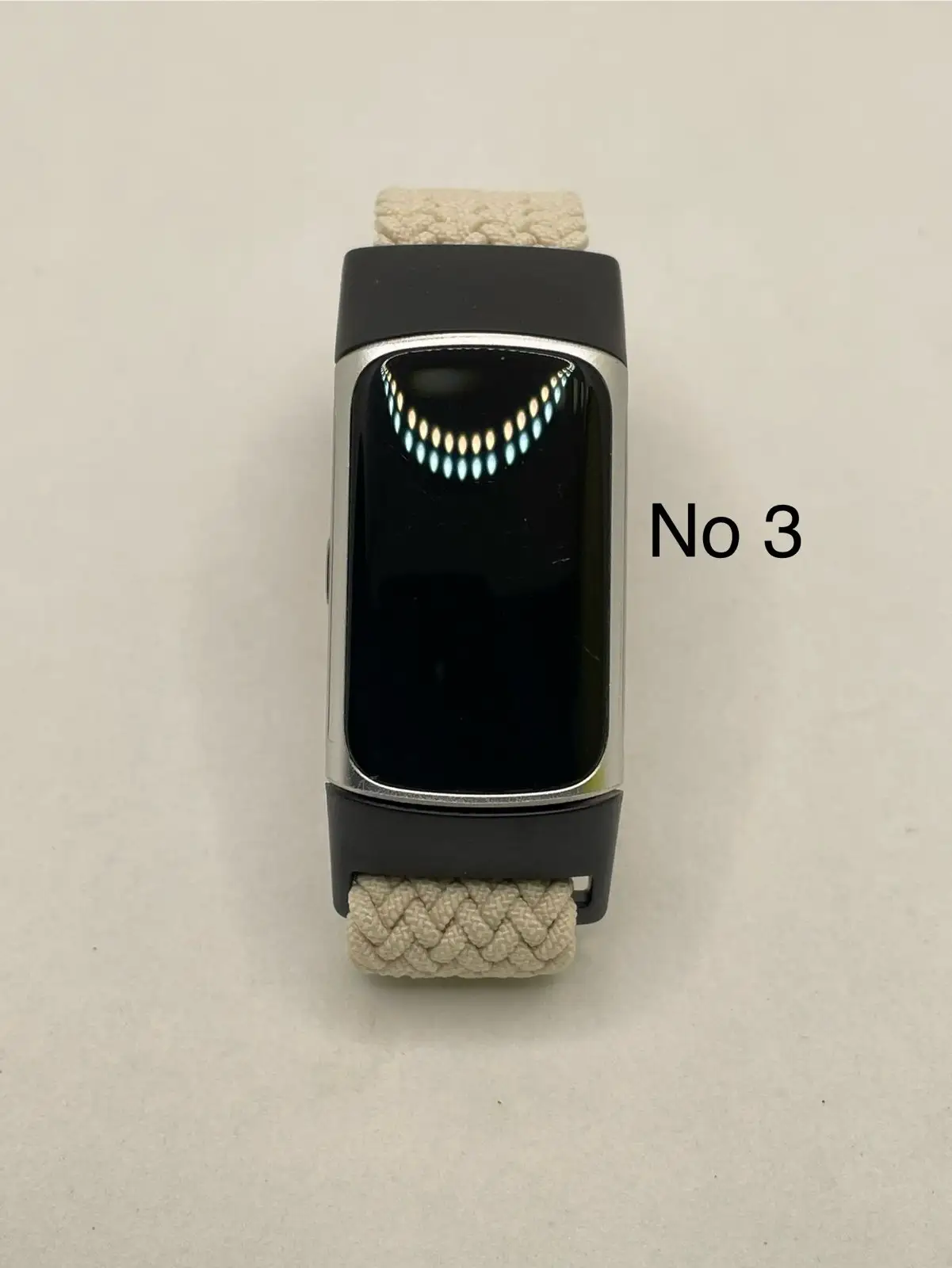
Durability concerns surface occasionally — a Reddit poster lamented “two since Christmas… each lasted only one week.” Skin irritation from stock silicone bands is common enough that reviewers mention buying woven or elastic alternatives.
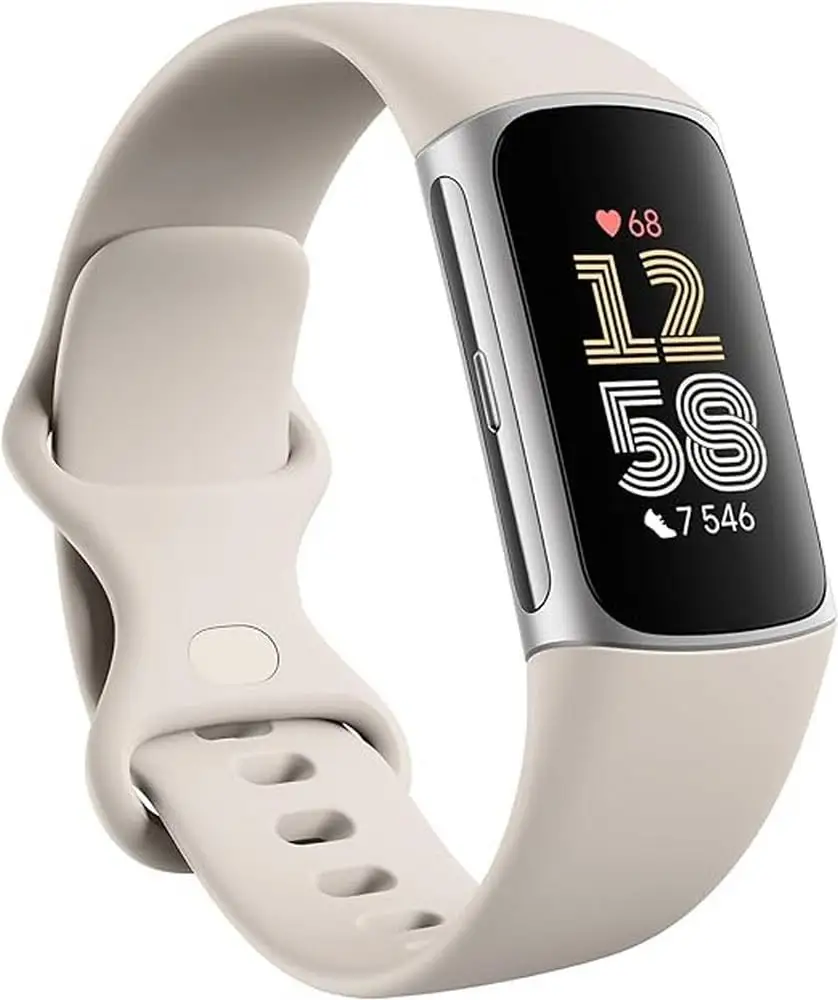
The small display divides opinion; while it keeps the device discreet, Quora testers found it “tricky to view biometrics while running… had to stop.” The app also provides limited workout analysis without Premium, with manual activity tracking sometimes showing less data than auto-detected sessions.
Divisive Features
Google services integration is celebrated by many, but irrelevant or obstructive to others. One Amazon reviewer noted YouTube Music controls were “useless for me,” while others love DJing workouts from the wrist. Premium subscription content — readiness scores, guided workouts — is valued by engaged users but dismissed by those unwilling to pay.
Battery life is generally seen as solid, but heavy exercise users with GPS and HR broadcast active can cut life to under 48 hours. For casual users, it meets or beats the advertised week.
 ## Trust & Reliability
Long-term trust is hampered by Fitbit’s refusal to integrate external HR sensors despite years of requests. As one Trustpilot poster put it: “Fitbit may one day introduce pairing… but I don’t expect much.” The mistrust is compounded by perceived loss of community features in March 2024, which several felt “removed something that makes fitness rewarding.”
Durability stories vary. Some repeat buyers note they’ve had multiple Charge series over years, each lasting about one year before failure. Others report flawless function — “no complaints at all” after replacing bands — suggesting build quality may be inconsistent.
Software reliability gets dinged when firmware updates brick older models, as one Best Buy reviewer replaced a Charge 5 suddenly rendered unusable. Still, for most, app syncing and GPS mapping work reliably once initial setup hurdles are cleared.
Alternatives
Competitors most cited are Garmin models like the Forerunner 955 and Instinct 2 Solar. Strength trainers in Reddit threads say Garmin HR was inaccurate too, but Garmin’s killer advantage is external chest strap support, automatically switching for workouts. For minimalists, Quora’s review points toward the Oura Ring Gen 3 or Whoop 4.0 for slimmer, non-watch tracking.
Garmin tends to suit high-intensity athletes wanting deep performance metrics; Fitbit retains mass appeal with lifestyle features, comfort, and price.
Price & Value
Current retail ranges from $119.99 to $199.99 depending on region and color, with sales dipping under $120. eBay listings hover ~$110–$125 new, hinting at moderate resale viability. As a mid-tier tracker with GPS, wellness features, and Google integration, many feel it’s “a decent low priced option to track exercise activity.”
Community buying tips include watching holiday sales from Google Store/Fitbit, and avoiding full price if HR accuracy for exercise is a must — invest the saved money in a separate HR strap.
 ## FAQ
Q: Is the heart rate accurate enough for medical monitoring?
A: No. Multiple owners with conditions like atrial fibrillation or COPD found exercise HR data could be off by 20–40 bpm. Doctors recommend chest straps for reliable monitoring.
Q: Can I use Google Maps without my phone nearby?
A: No. The phone must be within Bluetooth range for turn-by-turn directions. Users report it works reliably when the phone is nearby but out of hand, like in a bag.
Q: Does the Fitbit Charge 6 have an altimeter?
A: No. It relies on GPS to estimate elevation from maps, which is less precise than barometric measurement.
Q: How long does the battery last in real use?
A: Casual users with default settings report 6–7 days. GPS-heavy and display-on workouts can cut this to 2 days.
Q: Can I pair an external heart rate monitor?
A: Not directly. Fitbit doesn’t support pairing chest straps, a common frustration among exercise-focused users.
Final Verdict
Buy if you want a comfortable, discreet tracker with solid lifestyle features, accurate sleep tracking, and conveniences like Wallet and Maps — ideal for casual exercisers, walkers, or those new to fitness trackers. Avoid if precise exercise heart rate data is critical or you’re a high-performance athlete. Pro tip from the community: pair it with a separate chest HR monitor for workouts and use the Charge 6 for everything else.





