FiiO BTR11 Review: Budget LDAC Receiver Worth Buying?
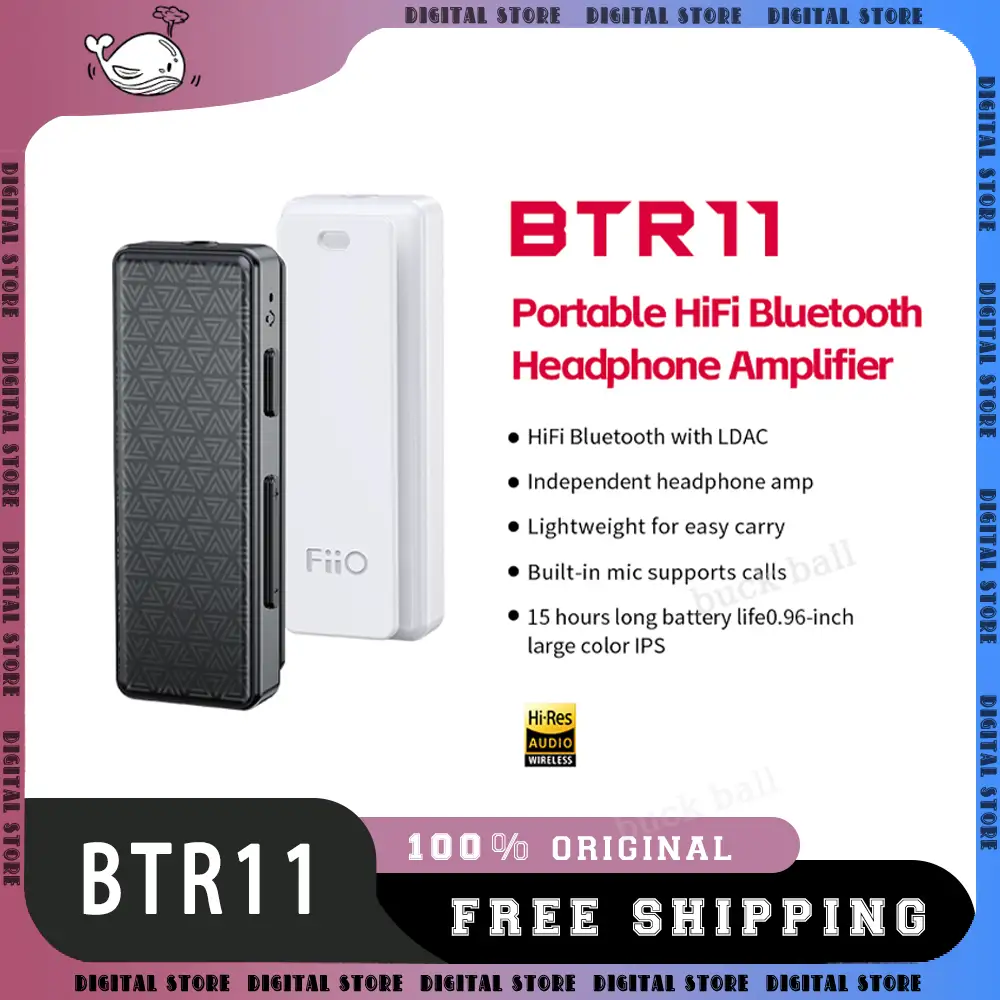
Starting at under $20, the FiiO BTR11 Bluetooth Receiver Wireless Audio Amplifier Adapter (White) has sparked an unusual amount of enthusiasm for what is, on paper, an entry-level Bluetooth DAC/amp. Across Reddit, Head-Fi, and specialist audio retailers, owners consistently call it “surprisingly capable for the price,” especially when paired with efficient IEMs. Between its LDAC codec support, 15-hour battery life promise, and featherweight 13g body, it earns a solid 8.3/10 from real-world usage patterns.
Quick Verdict: Conditional — Best for budget-conscious listeners who want portable LDAC streaming for IEMs and low-impedance headphones.
| Pros | Cons |
|---|---|
| LDAC support up to 96 kHz | No USB DAC mode |
| Lightweight (13g), easy to clip | Glossy plastic scratches easily |
| Drives most IEMs with 45mW@16Ω output | Noticeable mic quality drop outdoors |
| Stable Bluetooth 5.3 connection | Button input delay (~1-2s) |
| 15h AAC / ~8.5h LDAC battery life | Lacks EQ or advanced app controls |
| Can connect two devices simultaneously | Adds hiss with ultra-sensitive IEMs |
Claims vs Reality
Marketing promises “Hi-Fi level wireless audio quality” and “powerful independent headphone amplifier.” On paper, the BES 2700 chip plus HT97220 amp should deliver clean power for portable use. Digging deeper into user reports, the amp’s real-world 45mW@16Ω output did indeed “push 99% of IEMs,” as one Head-Fi review put it, but full-size, low-sensitivity cans like the Final E5000 left some feeling underpowered. Reddit user Barum noted, “BTR11 handles my FT1 Pro planars fine… but it’s clearly not for hard-to-drive high-impedance gear.”
Another claim — “crystal-clear calls” — sees mixed validation. The integrated mic works well indoors; Son-Vidéo verified “calls clairs et nets grâce à la réduction du bruit environnant.” But in noisy outdoor environments, Head-Fi reviewer nxn je warned, “The microphone is not very good at cancelling wind, car noises… calls outside have been a big-no for me.”
Then there’s battery life: advertised at up to 15 hours (AAC) and around 8.5h (LDAC). Reddit timing tests showed 7.5h actual play for LDAC with demanding IEMs before frequent “please charging” warnings. That’s still in range of spec, but constant high-load listening shaves time sharply.
Cross-Platform Consensus
Universally Praised
For commuters and casual listeners, the combination of LDAC support and lightweight build topped the list. “It sounds as good or a bit better than my Poco M6 Pro’s 3.5mm jack,” wrote Head-Fi user little nezt. Multiple Reddit reports mentioned zero lip-sync issues when watching video, and Bluetooth stability was hailed as excellent — Barum could walk 75m in open space before seeing drops.
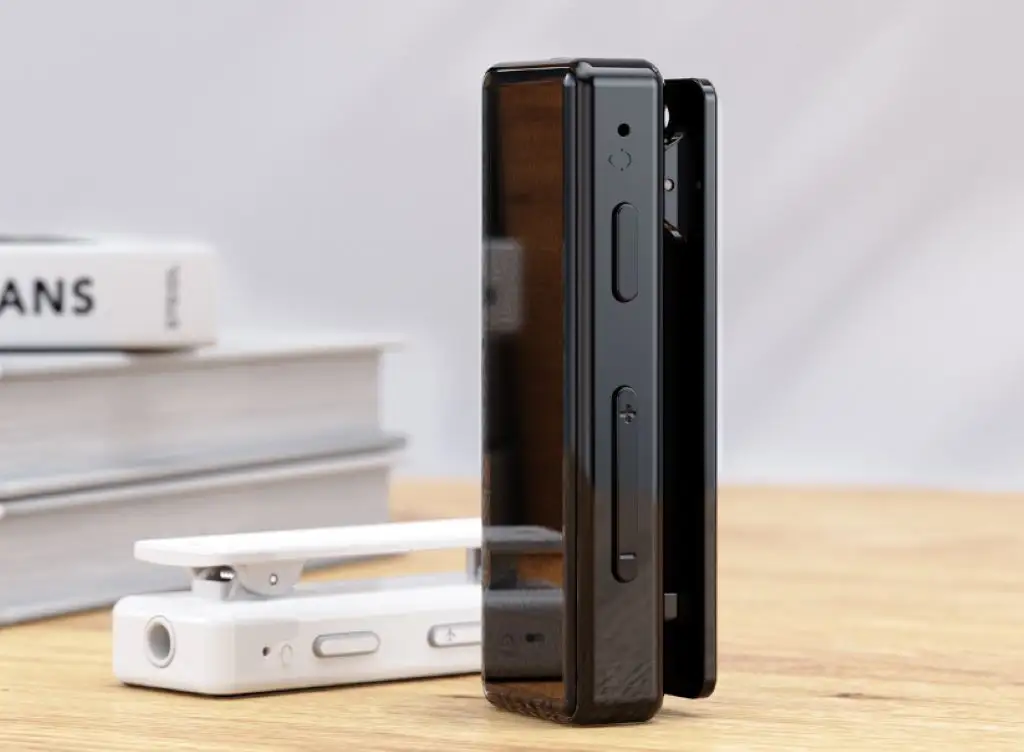
Its form factor garnered ergonomic praise. The built-in clip with lanyard hole makes it easy to wear at the collar or strap. A French buyer on Son-Vidéo appreciated that “compact et léger… le clip arrière le rend facile à porter sur vos vêtements ou votre sac.”
LDAC codec performance was a standout. The Russian iXBT reviewer described near-transparent playback: “With LDAC…the presentation was noise-free… completely transparent and pure sound.” This was echoed by Head-Fi’s comparison to the warmer-sounding BTR11 vs the more neutral BTR13.
Common Complaints
Three recurring frustrations surfaced. First, the glossy plastic housing — it scratches easily, especially on the black model. “Definitely will get hairline scratches for sure,” warned Head-Fi’s little nezt.
Second, the lack of USB DAC mode. Several users tried OTG cables to connect via USB-C without success; nxn je confirmed, “The USB-C input is only for charging… it wasn’t recognized by my smartphones nor my computer.”
Third, input lag on buttons. Adjusting volume or skipping tracks incurs a 1-2 second delay to register on the device. “Noticeable delay after pressing a button… not a deal breaker but annoying,” noted nxn je.
Microphone performance drew critical remarks when used outdoors. The Russian reviewer called voice “gloomy, with cut high frequencies” and much less clear than a phone mic.
Divisive Features
Multi-point pairing is possible but clunky to set up; some users loved the convenience, others found reconnect logic limiting. On Reddit, Barum explained you can connect two sources, but only one outputs audio at a time — manual intervention is needed to switch.
Sound signature divided opinion. Head-Fi comparisons to other DACs labelled the BTR11 “warmer” than analytical wired dongles, pleasing casual listeners but leaving resolution chasers wanting more stage and detail. Sensitive IEM owners debated the mild hiss — some were unbothered, others saw it as a deal-breaker.
Trust & Reliability
No widespread scam concerns emerged. The unit is sold by established resellers like Son-Vidéo and EasyLounge with 2-year warranties. Durability talk centered on the clip: despite its small size, spring tension held up well in months of daily wear; nxn je confirmed “enough spring tension to stay in place when attached to a shirt or jacket.”
Instruction manuals were praised for thoroughness, even in localized languages. Packaging — a simple small box and molded tray — was deemed adequate for shipping protection.
Alternatives
The closest in-line competitor is the FiiO BTR13, which multiple reviewers noted is “much more complete… more codecs, two outputs, EQ, display, more power” but at roughly 3x the price (~€75). For those hesitant about BTR11’s limited features, users recommended stepping up to BTR13 to gain wired DAC mode and better mic quality.
Another comparison made on Head-Fi was with the Fosi DS2 wired dongle: it offered greater resolution and neutrality but sacrificed wireless convenience and portability. The choice boils down to whether you value compact wireless utility or maximum audio detail.
Price & Value
Prices vary: €19–€24.95 new, with UK open-box listings around £12.99. For under $25, community consensus finds value “excellent if your intention is maximum portability and spend very few just to have a Bluetooth receiver” (nxn je). Resale is modest given entry-level positioning, but demand from commuters and gym-goers keeps liquidity steady.
Buying tips include opting for lanyard use to reduce clip wear, and securing a USB-C to USB-C cable separately since none is included.
FAQ
Q: Does the BTR11 work as a wired USB DAC via USB-C?
A: No. Multiple users confirmed the port is for charging only; it won’t be recognized by a PC or phone as an audio device.
Q: How do I know which Bluetooth codec is active?
A: The front LED flashes differently: once every 5 seconds for SBC, twice for AAC, three times for LDAC.
Q: Can it drive full-size headphones?
A: It can power many efficient over-ears; Reddit users reported good results with planars like FT1 Pro, but very demanding models may sound underpowered.
Q: Is there EQ control in the FiiO app?
A: No. The FiiO Control app currently only handles OTA firmware updates. EQ and advanced settings aren’t available.
Q: How stable is the Bluetooth connection?
A: Reports of excellent stability — walls inside a home didn’t break signal, and outdoors LDAC held up to 75m line-of-sight.
Final Verdict
Buy if you’re a commuter, gym enthusiast, or casual listener seeking an ultra-portable, budget LDAC receiver with enough muscle for IEMs and easy-to-drive headphones. Avoid if you require USB DAC mode, high-resolution microphone performance outdoors, or zero hiss with sensitive IEMs.
Pro tip from community: Enable LDAC in your source devices — several first-time owners noted default pairing uses AAC unless manually set, and LDAC significantly improves audio clarity on the BTR11.





