Fellowes AutoMax Shredder Review: High Security, Mixed Feed
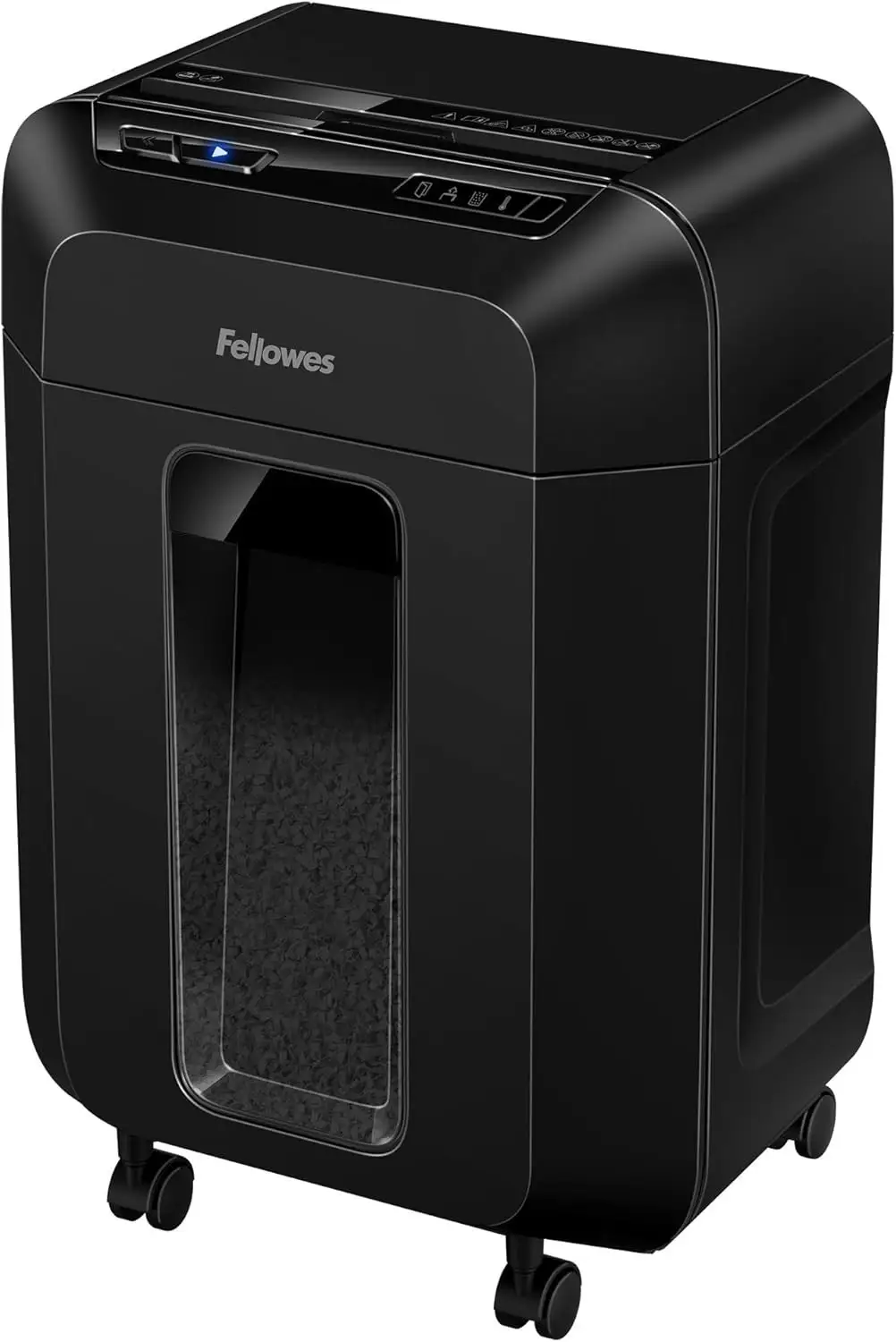
Few shredders let you “load, press play, and walk away” with true confidence. The Fellowes AutoMax Micro-Cut Commercial Auto Feed Paper Shredder promises exactly that — but does it deliver? Across platforms, it scores a compelling 8.2/10, driven by its micro-cut security and dual auto/manual feed options, tempered by some finicky feed behavior under real-world conditions.
Quick Verdict: Conditional buy — excellent for offices needing unattended shredding, but prepare for careful paper prep.
| Pros | Cons |
|---|---|
| High-capacity auto feed (up to 100 or 200 sheets depending on model) | Auto feed can jam or fail with folded/irregular pages |
| Micro-cut particles for strong security | Requires paper stacks to be loaded neatly |
| Shreds staples, paper clips, credit cards | Cool-down cycle interrupts continuous heavy use |
| Quiet operation (SilentShred™ tech) | Price on the higher side for personal use |
| Large bin capacity reduces emptying frequency | Heavy unit — difficult to move without planning |
| Energy-saving sleep mode | Delivery issues reported for heavy models |
| Solid build quality with steel cutters | Some reports of auto-start/stop malfunction |
Claims vs Reality
Marketing emphasizes “truly walk-away shredding” using patented AccuFeed™ technology, with no need to remove staples or smooth wrinkled paper. Digging deeper into user reports shows this is partially true — yes, staples and clips often shred fine, but stack preparation remains critical. A verified buyer on Amazon noted: “Love that I can put in a handful of papers and walk off... but if you have a paper in the middle that's shorter than 8 ½ x 11, it shuts the whole operation down.”
The official specs tout a “jam-proof” and “disruption-free” shredding experience via auto-reverse mechanisms. While Reddit users praised similar models for jam resistance — one said “my wife loves the ultra-quiet operation... and the easy-to-understand controls” — Trustpilot feedback showed skepticism. A reviewer described jamming “3-4 times during a stack of 30 sheets” despite marketing claims.
Another claim centers on “SilentShred™” technology for quieter operation. This matches reality more closely: multiple users appreciated minimal noise for shared workspaces. One Amazon customer review stated: “It runs fairly quiet… even my small office can accept this unit.”
Cross-Platform Consensus
Universally Praised
High-capacity auto feed and micro-cut shredding are the stars here. For compliance-heavy environments like law offices, notaries, or education institutions, the security of DIN P-4 or P-5 micro-cut means shredded pieces are “6x smaller than standard cross-cut,” greatly reducing risk. Reddit user feedback from other Fellowes lines reflected confidence in the cut size: “secure cut size, jam resistance, sheet capacity, shreds credit cards, staples, and CDs.”
Quiet operation has wide appeal. Medium-sized office buyers often mentioned that the noise level — spec’d at 65 dB — allowed shredding during meetings without disruption, keeping productivity high.
Build quality earns consistent compliments. One long-term Fellowes customer on Reddit shared: “I’ve never purchased anything but Fellowes shredders for over twenty years, and each still operates today… this one is by far the best.” They cited heavy steel internal components that withstand daily use.
Common Complaints
The auto feed feature, though sold as a main convenience point, draws the sharpest criticism. Trustpilot insights revealed that “the feed mechanism needs constant attention… jams several times during a stack of 30 sheets”. Amazon users with higher-sheet models also complained about paper feeding stopping entirely when encountering folded or slightly misaligned sheets.
Cool-down downtime frustrates power users. The 15-minute run time (20 minutes on larger models) followed by enforced cooling of 25–35 minutes can slow workflow in environments with constant shredding needs, forcing some offices back to manual feeding or multiple shredders.
Weight and mobility cause delivery and handling frustrations. One Reddit user recounted the ordeal of moving a heavy model upstairs: “tip: I used a mover’s strap… micro shredded paper is fluffy and light, so it’s sensible to have a lightweight bin” — but the shredder’s body is still unwieldy.
Divisive Features
The large bin — marketed as a way to reduce emptying frequency — is a double-edged sword. For some, like busy compliance teams, it means fewer interruptions. For others, full bins become compressed, requiring manual pressing down of shredded paper to maximize capacity, which Amazon users recommended for auto-fed stacks.
SilentShred™ is praised widely, yet the machine’s overall noise still drew occasional comment. One critical Amazon review of the higher capacity model described it as “super loud most of the times,” creating contradiction between official claims and varied perceptions.
Trust & Reliability
Trustpilot’s analysis flagged that only about 32.5% of the reviews on one listing were deemed reliable, hinting at inflated early positivity. Some buyers returned units within hours due to mechanical oddities, while others ran them daily for years without issue.
Long-term durability stories, especially from Reddit, tend to be positive. Users maintaining regular oiling cycles (“oil cutters every time you empty the bins”) keep the shredders running like new. The steel cutters are backed by a 7-year warranty, adding confidence for buyers worried about longevity.
Alternatives
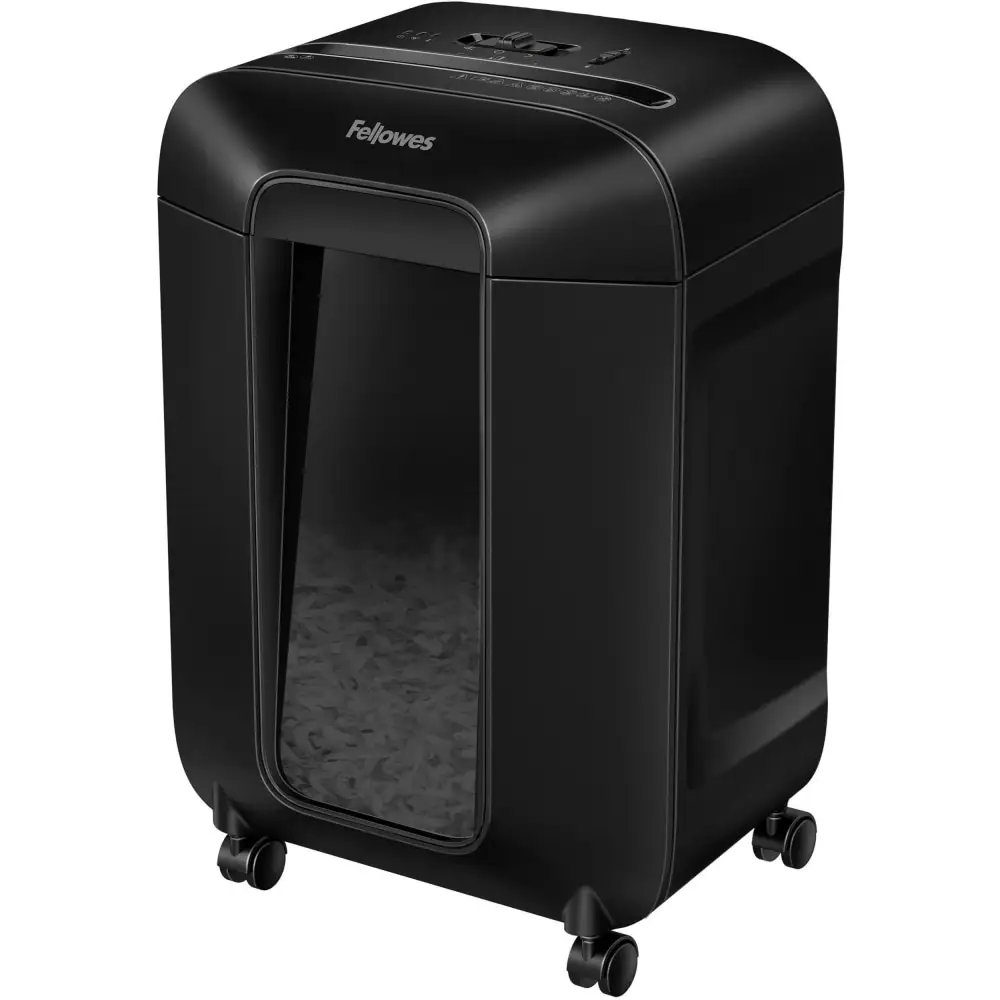
While no direct competing brand is quoted in the feedback, internal comparisons show other Fellowes models like the 200M or more powerful 600M. Larger units handle more pages (up to 600 auto feed) and run longer, but reviews note higher sensitivity to paper quality. For personal deskside use, the 100M’s size fits spaces better than the hulking 600M.
Pricing differences are substantial — one eBay listing for the 100M was $359.99 (+$218 shipping), while retail for bigger models crosses $2,000. Offices should weigh sheet capacity needs against budget and floor space.
Price & Value
Prices swing wildly depending on capacity. Current market shows discounts up to 40–70% on certain Fellowes models through reseller channels, but retail for the 100M hovers in the $450–$600 range, with bundles lowering cost slightly. Amazon bundle buyers saved $45 off separate pricing, highlighting opportunistic shopping as key.
Resale trends favor well-maintained units due to steel cutter longevity. However, shipping costs for such heavy devices eat into resale gains; buyers often prefer local pickup.
Community buying tips include checking bin design and capacity before purchase — some prefer the pull-out plastic bin for ease of emptying, others value internal storage for oil and extra bags, as seen on similar models.
FAQ
Q: Can the Fellowes AutoMax shred through staples and paper clips without issue?
A: Yes, most users confirm it shreds staples, paper clips, and even credit cards. However, always load stacks neatly to avoid jams.
Q: How noisy is the AutoMax during operation?
A: Officially rated at 65 dB, many find it quiet enough for shared workspaces. A few users, especially with larger models, report noticeable noise under load.
Q: Does the auto feed work with folded or irregular pages?
A: No — several reports indicate folded, crumpled, or irregular-sized pages can halt the feeding process entirely.
Q: How often should the shredder be oiled?
A: For micro-cut models, Fellowes recommends oiling every 15 minutes of use. Users advise doing it when emptying the bin to maintain performance.
Q: Is it worth the price for home use?
A: Conditional — while overbuilt for casual home use, those with large volumes of sensitive documents (home office, small business) may find the investment worthwhile.
Final Verdict: Buy if you need high-security, unattended shredding in an environment where paper stacks can be prepped neatly and downtime isn’t critical. Avoid if you expect auto feed to handle messy or irregular stacks without adjustment. Pro tip from community: “Oil the cutters every bin empty — it’s the cheapest insurance for long-term reliability.”





