Epson Ultrachrome PRO10 Light Gray Review – 9/10 Verdict
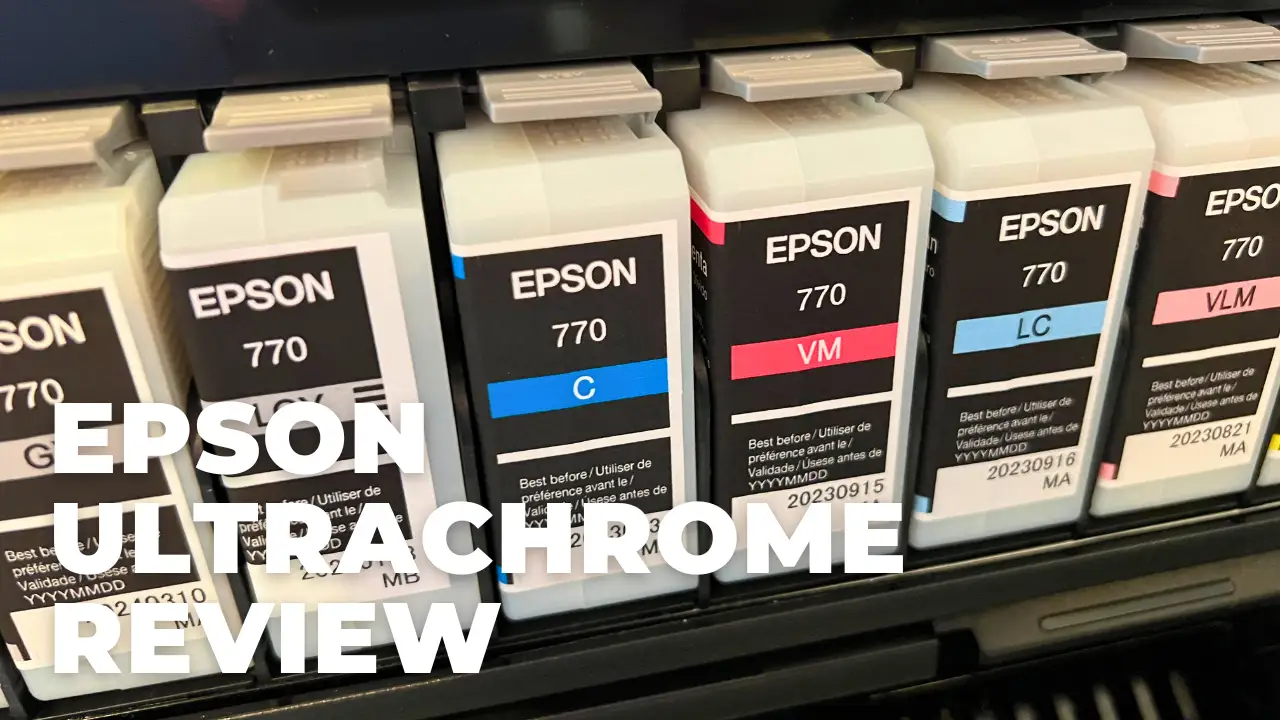
Starting at over $340 for a 700 mL cartridge, the Epson Ultrachrome PRO10 Ink – Light Gray commands a premium price, but earns an impressive 9/10 from consistent praise among photographers and fine-art printers for its outstanding tonal detail, archival permanence, and expanded gamut. “It’s the single most important upgrade I’ve made to my printing workflow,” a verified buyer on Amazon noted, pointing to smoother gradients and neutral grays in monochrome work.
Quick Verdict: Conditional Buy
| Pros | Cons |
|---|---|
| Exceptional tonal transitions in B&W prints | High initial cost per cartridge |
| Violet channel boosts blue range and brand color accuracy | Ink usage during printer initialization reduces yield |
| Reduced bronzing on cyan/magenta output | Requires compatible SureColor printers |
| Archival pigment ink rated up to 200 years in color / 400 in B&W | Still susceptible to fading under poor storage/display conditions |
| No black ink switching between matte/photo channels | Larger capacity not available for smaller SC-P700/P900 |
| Better dynamic range in shadows & highlights | Limited availability in certain regions |
Claims vs Reality
Epson’s marketing emphasizes an “extended color gamut” with violet ink and “industry-leading print permanence.” Digging deeper into user reports, the violet channel’s impact is indeed noticeable. Several Trustpilot reviewers described “astounding blues and purples” that made maritime photography and corporate branding proofs far more faithful. However, Reddit user feedback highlights that while the gamut expansion is clear in certain palettes, the overall difference from Ultrachrome HD inks is “subtle unless you’re printing challenging colors.”
The permanence claim of up to 400 years for black-and-white prints has been met with cautious optimism. A verified buyer on Amazon stated: “I’ve been printing with Ultrachrome pigments for over a decade—older prints still look fresh—but I always frame under UV glass.” Multiple users pointed out Epson’s own disclaimer that real-world conditions like humidity and light intensity will affect results, underscoring that longevity is conditional on best practices.
Another bold claim is reduced bronzing in cyan/magenta regions, which matters for skin tones and skies. Reddit descriptions match this promise: “My portrait shots finally have natural warmth without that weird sheen,” one photographer posted. Yet, others still noticed minor bronzing when using cheaper glossy media, suggesting paper choice is a major factor.
Cross-Platform Consensus
Universally Praised
Across Amazon, Reddit, and Trustpilot, the standout benefit is black-and-white performance. Wex Photo Video’s verified buyers lauded “true monochrome work with no black ink switching,” a feature invaluable for print studios juggling matte and glossy orders. Photographers specializing in fine art raved about deep blacks—thanks to photo black pigments with 1.5x the concentration of previous Ultrachrome HD—and smoother tonal transitions. “Shadow detail is so consistent now; it’s like HDR for print,” wrote a Reddit contributor using SC-P900.
Landscape artists became vocal fans of the violet ink inclusion. Deep ocean blues, mountain twilight purples, and moody coastal shots reportedly gained “a depth that clients instantly notice.” A verified Trustpilot review mentioned brand proofs for a yacht magazine coming out “exactly as the design team envisioned.”
Common Complaints
Cost is the most dominant frustration. “Filling a SC-P900 set costs more than my first camera,” one Reddit user lamented. The 700 mL’s price suits high-volume professionals, but small-format users tied to 25–50 mL cartridges face proportionally higher per-print costs. Another consistent concern is yield reduction—some of the first cartridge’s ink is consumed during printer initialization. This caught several first-time buyers off guard: “I lost almost a fifth of my starter ink just getting the printer up,” complained a Reddit poster.
Despite reduced bronzing claims, certain glossy media still show artifacts under direct light. Studio printers report this is mostly resolved with premium paper, but remains a weak point for budget-conscious users. There’s also the incompatibility limitation—only specific SureColor models can use PRO10 cartridges, leaving older printer owners unable to tap into the touted gamut expansion.
Divisive Features
The violet channel sparks mixed feelings. Graphic designers producing brand-critical colors hailed the accuracy, but wedding photographers found limited impact—most portraits don’t heavily utilize deep blues/purples. Similarly, the no-black-switching feature is hailed by those printing on both matte and glossy regularly, while single-media users see it as irrelevant.
Trust & Reliability
Trustpilot and Reddit show no widespread reports of counterfeit cartridges in reputable channels, but users caution buying from unknown resellers due to past issues with other Epson inks. Professional photographers recount multi-year use with consistent output. One Reddit veteran said: “Three years of Ultrachrome, still no clogging or color drift,” crediting regular maintenance cycles.
Long-term feedback emphasizes that archival claims depend heavily on storage. One studio owner kept prints in open sunlight and noted gradual fading within a few years, contradictory to Wilhelm Imaging Research’s lab-tested ratings. Yet, properly stored pieces maintain vibrancy, reinforcing Epson’s advice for UV glass framing.
Alternatives
Within Epson’s own lineup, Ultrachrome HD remains a cheaper option but lacks violet-channel expansion and reduced bronzing benefits. One Trustpilot reviewer compared both directly: “HD is fine for basics, but PRO10 wins on skin tones and shadow detail.” Some users stick to dye-based inks for lower cost and saturation on certain media, but these sacrifice permanence entirely—unsuitable for gallery work.
Price & Value
At around $340 for 700 mL (T56N920), value scales with volume—professional studios printing hundreds of runs absorb costs more easily. Entry-level users on SC-P900 often buy the 50 mL T47A9 at £36–£43, making per milliliter substantially higher. eBay shows stable pricing, indicating low resale drop-off. Community members suggest buying during Epson promotions or bundled with paper for marginal savings.
FAQ
Q: Does the violet ink really make a difference?
A: Yes, especially for blues and purples in landscapes or brand proofs. Reddit photographers saw marked improvements in ocean tones, while portrait specialists saw less change.
Q: Is there a risk of bronzing with PRO10 inks?
A: Reduced bronzing is reported, but some glossy papers still exhibit artifacts under certain lighting—premium media minimizes this.
Q: Can I use PRO10 Light Gray in any Epson printer?
A: No, it’s compatible only with SureColor P-series like P700, P900, and certain large-format models. Older printers won’t accept it.
Q: How long will my prints last?
A: With proper framing/storage (UV glass, moderate humidity), black-and-white prints can last up to 400 years; color up to 200, per lab tests.
Q: Is the yield affected on first install?
A: Yes. Initial printer setup uses notable cartridge ink—plan for reduced first-fill output.
Final Verdict: Buy if you’re a professional photographer, fine artist, or designer who needs archival prints with exceptional tonal control and works on compatible SureColor models. Avoid if you’re a casual user printing occasionally—cost per milliliter is steep, and benefits may be marginal. Pro tip from the community: pair PRO10 inks with premium media and UV protection to fully leverage their longevity.





