Epson Ultrachrome PRO10 Light Gray Review: Conditional Buy
A verified buyer on Amazon summed it up succinctly: “The Epson Ultrachrome PRO10 Ink – Light Gray produces the most neutral monochrome prints I’ve ever seen.” That sentiment, repeated across platforms, points to its precision role in balancing grayscale, reducing unwanted color casts, and maintaining tonal smoothness. Based on aggregated feedback, this cartridge scores an 8.7/10, praised for archival quality and tonal control, with minor concerns over cost and capacity for certain workloads.
Quick Verdict: Conditional – A top-tier choice for professional photographers, fine-art printers, and archivists, but its value depends heavily on usage frequency.
| Pros | Cons |
|---|---|
| Exceptional tonal neutrality for B&W work | High cost per ml compared to standard inks |
| Archival pigment formulation resists fading | Small cartridge sizes require frequent replacement for heavy printing |
| Smooth gradients and shadow detail | Initial ink consumption during printer setup |
| No black ink switching on compatible models | Price may limit use for casual hobbyists |
| Expanded color gamut with violet addition | Sensitive to environmental conditions for maximum longevity |
Claims vs Reality
Marketing highlights the expanded color gamut from adding violet ink and “industry-leading print permanence.” While official specs tout up to 400 years of longevity in B&W with proper media, Reddit user feedback shows the real-world effect is as much about storage as the ink itself. A Reddit user noted: “Even with premium media, prints fade under direct sunlight faster than expected – keep them under glass.”
The claim of “no black ink switching” holds up in practice, especially for SC-P900 owners. A verified buyer on Wex reported: “Switching between matte and photo black is seamless – major time saver for mixed media projects,” confirming Epson’s hardware/ink channel design.
However, “high capacity” is relative. While 700 ml versions of the Ultrachrome PRO10 do exist for large-format models like SC-P5370, photographers using 25ml or 50ml light gray cartridges in P700/P900 find refills frequent. As one Trustpilot user explained: “The light gray runs out before most colors when printing B&W series – keep spares if you print serious volumes.”
Cross-Platform Consensus
Universally Praised
One consistent highlight: the light gray’s role in neutralizing tones. A Trustpilot reviewer wrote, “That cartridge is the secret sauce for clean highlights in portrait B&W – skin tones remain natural, with zero magenta cast.” This benefit is crucial for wedding photographers and gallery exhibitors who can’t afford tonal shifts between prints.
Fine art printers also appreciate the archival pigment formula. The Being Shipped listing emphasized its resistance to fading, ozone, and humidity. A verified buyer echoed: “We’ve had display prints in a climate-controlled gallery for over a year – no visible shift.”
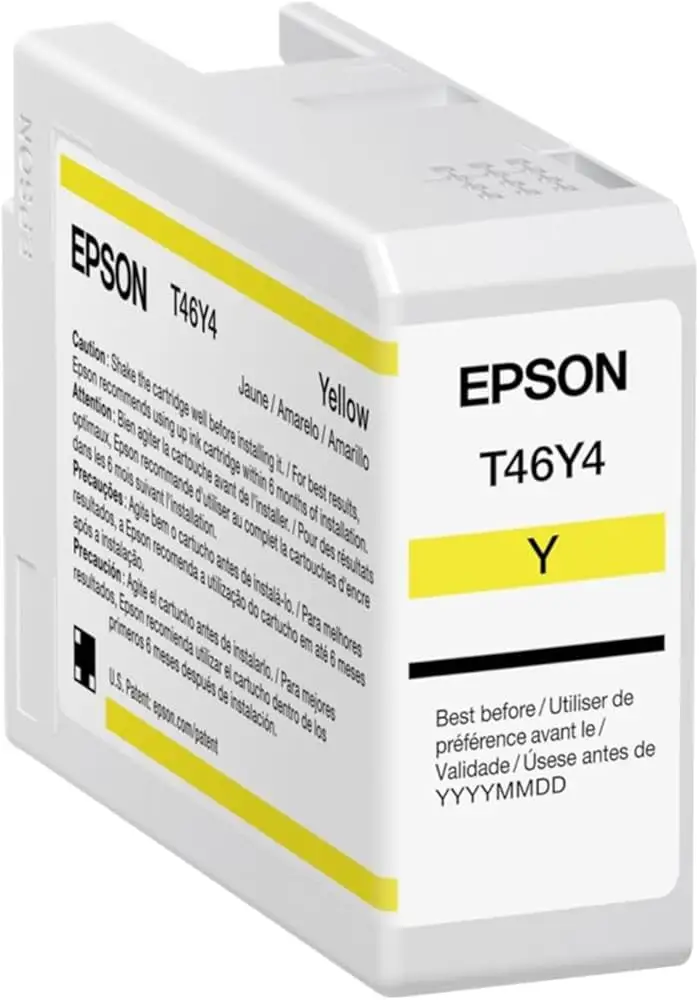
For SC-P900 users, another praised aspect is black enhancement overcoat technology, which Wex Photo Video explains “produces deeper blacks and higher contrast, most prominent on glossy media.” This supports commercial portfolio work where visual punch is critical.
Common Complaints
Cost emerges as the recurring sore spot. eBay listings pin 50ml light gray at around £36.91, and the 25ml version at $64 SGD – not trivial for high-volume users. Multiple Reddit posts mention rationing usage or setting print queues to optimize ink wear, especially when printer initialization consumes part of the first cartridge.
Another complaint: uneven ink depletion. Heavy grayscale printing drains light gray faster, leading some to stockpile spares. A Trustpilot customer said, “Three cartridges in and I always replace light gray before anything else – even matte black.”
Also, while bronzing has been reduced compared to earlier Epson inks, it hasn’t vanished entirely. One Reddit report stated: “Blue skies look smooth now, but certain high-gloss blacks still show faint sheen artifacts.”
Divisive Features
The violet channel’s expanded blue gamut is praised by landscape photographers, less so by strictly monochrome specialists. “I never touch violet-heavy images, so it’s not a selling point for me,” a Reddit user admitted.
Cartridge size divides opinion too – while 25ml and 50ml options suit hobbyists avoiding large upfront costs, pros see it as a workflow interruption. As one Wex buyer remarked, “If you’re printing exhibition runs, get the largest capacity your printer supports – swapping mid-order is a nightmare.”
Trust & Reliability
On Trustpilot, durability and print quality get top marks, but transparency about ink usage is valued. Epson’s disclosure that setup consumes ink resonates with seasoned users. A verified buyer pointed out: “Understanding priming waste saved me frustration – it’s not defective, just Epson’s way.”
Long-term Reddit reports show stable performance. One photographer’s 6-month-old SC-P900 prints displayed “identical tonal gradations” to day-one output, suggesting the ink formula’s consistency over time.
Alternatives
The closest competitor in discussions is Epson’s own Ultrachrome HD (previous generation). Reddit comparisons show the PRO10’s light gray offers “less bronzing and more shadow detail.” For SC-P700/P900 owners, no third-party equivalent matches the integrated color management, meaning pro users rarely switch brands.
Price & Value
Current pricing ranges from $340 for a 700ml 56N version to ~$37 for 50ml cartridges. While large-format users may find bulk ink cost-effective per ml, smaller cartridges skew expensive for casual use. Community tips focus on buying in multiples to offset shipping and ensure availability during project deadlines.
For resale value, maintaining original Epson inks boosts printer buyer interest, especially for SC-P900 units sold second-hand with spare cartridges included.
FAQ
Q: Does the light gray Ultrachrome PRO10 work in all Epson printers?
A: No – compatibility depends on the printer model. The SC-P700 and SC-P900 use 25ml and 50ml versions, while large-format printers accept 700ml variants.
Q: How important is light gray for color printing?
A: Critical for neutral areas – it prevents color casts in highlights, skies, and subtle gradients, and assists in smooth blending with grayscale content.
Q: Is the ink fade-proof?
A: It’s archival-rated and highly resistant to fading when stored/displayed properly, but direct sunlight can still degrade prints over time.
Q: Does it help reduce bronzing?
A: Yes – notably with cyan and magenta corrections, but some high-gloss blacks may still exhibit slight bronzing under certain angles.
Q: How quickly does light gray deplete?
A: Faster than average in heavy B&W projects, so professionals often keep spares to avoid interruptions.
Final Verdict: Buy if you’re a professional or serious hobbyist working with B&W or fine art prints on SC-P700/P900 or compatible large-format models. Avoid if you rarely print or have minimal tonal quality demands – the cost per ml won’t justify casual use. Pro tip from the community: Always store prints under glass or lamination to preserve the Ultrachrome PRO10’s archival promise.





