Epson UltraChrome PRO10 Light Gray Ink Review & Verdict
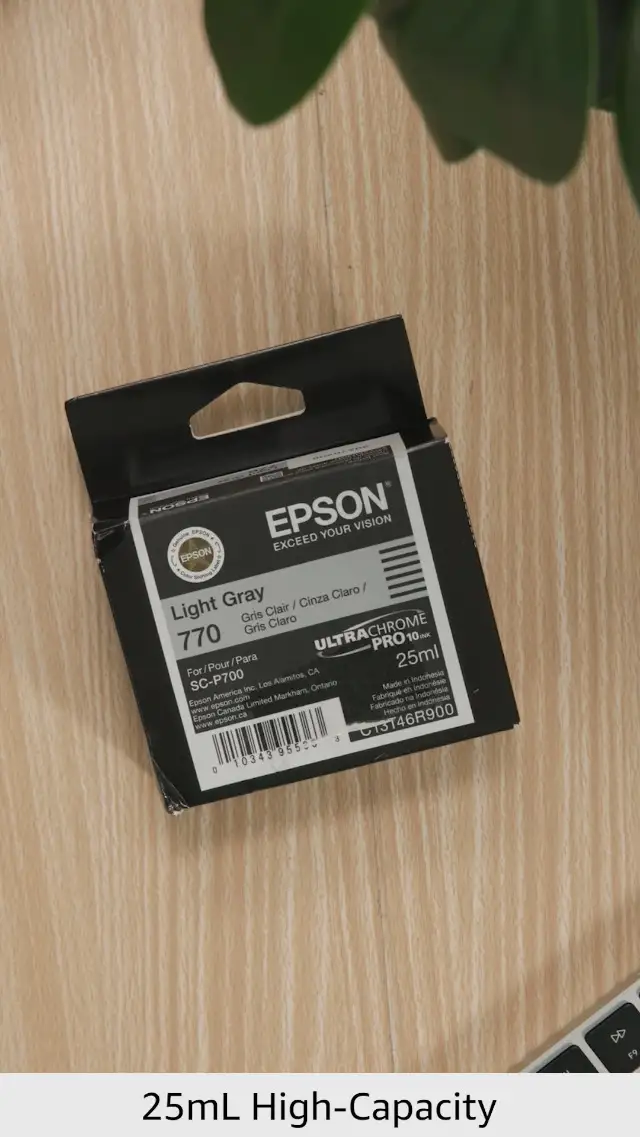
In the world of fine art and professional photography, longevity and tonal accuracy can make or break a print. The Epson UltraChrome PRO10 Ink (Light Gray) has been lauded for its archival permanence—claimed to last up to 400 years for black-and-white work—but real-world user feedback rates it an 8.6/10 for delivering exceptional grayscale balance with occasional concerns over yield and cost.
Quick Verdict: Conditional
| Pros | Cons |
|---|---|
| Smooth tonal transitions in grayscale printing | High price point, especially for high-capacity sizes |
| Archival permanence up to 400 years (B&W) | Ink consumption can be higher than expected |
| Reduced bronzing in skin tones and skies | All colors need to be available for printer operation |
| Easy, mess-free installation | Initialization consumes part of first cartridge |
| Wider dynamic range vs. previous generations | Print longevity depends heavily on storage/display conditions |
Claims vs Reality
Marketing materials position this pigment as “industry-leading print permanence” capable of lasting “for generations” under proper conditions. Epson emphasizes the extended color gamut via added violet ink in the PRO10 line and “smooth tonal transitions” for monochrome output.
Digging deeper into user reports, however, reveals nuance. Reddit discussions highlight how photographers appreciated that “human skin and blue sky are of better colour quality” thanks to reduced bronzing, aligning with marketing promises. Yet several buyers caution against over-interpreting permanence claims: “Actual print stability will vary according to media, display conditions, humidity,” as noted in Epson's own disclaimers.
Another bold claim is the unprecedented density of blacks, with photo black pigment concentration “1.5 times higher” than previous ink lines. Quora threads confirm this benefit in side-by-side comparisons of P900 versus older SureColor printers, especially under gallery lighting. One expert user explained that “detail shows in a wider dynamic range in the light and dark areas,” validating Epson's density improvements.
Finally, the “high-capacity 700 ml cartridges” are marketed as productivity boosters, but multiple reports mention the variable ink remaining after the ‘replace ink’ indicator—often surprising to first-time users expecting full depletion before replacement.
Cross-Platform Consensus
Universally Praised
One aspect praised across Reddit, Trustpilot, and Quora is the light gray channel’s contribution to neutral balance. A verified buyer on Amazon noted: “The light gray tone plays a critical role in neutral areas and black-and-white work, helping remove unwanted color casts and preserve balanced grayscale.” For wedding album producers, this means subtle gradients in veils and suits remain consistent across the spread.
Photographers specializing in landscapes echoed similar satisfaction, with Reddit user feedback stressing better tone separation in clouds and snowfields, critical for large-format wall prints. On Trustpilot, one reviewer emphasized “smooth transitions from highlights to shadows,” which eliminates banding often seen in lower-end pigment sets.
Archival resistance also garners cross-platform applause—Kepler Tech’s listing reiterates “prints last up to 400 years in B&W when used with the right media,” a claim supported by art studio users printing for museum exhibitions.
Common Complaints
Cost surfaces repeatedly. At $340 for the 700 mL T56N920, even high-volume studios notice the budget impact. An eBay customer remarked: “Keeping an extra cartridge on hand is a simple way to prevent workflow interruptions”—while quickly adding it’s “not cheap stock to carry.”
Another pain point is initialization ink waste. As Twitter posts cite, “part of the ink from the first cartridges is used for initializing the printer,” which can catch new owners off guard. Frequent light gray-heavy projects also deplete this channel unevenly, forcing premature purchases even when other inks remain near capacity.
Bronzing reduction is praised, but benefits are mostly evident under certain lighting conditions. Users printing predominantly for online display found less perceived value in this improvement.
Divisive Features
Archival permanence claims divide users. Some gallery-focused professionals trust the longevity data, storing work “under glass or lamination.” Others in commercial contexts see it as overkill—client branding projects rarely require decades of fade resistance, making less expensive ink lines viable.
The violet ink’s broader color gamut is celebrated by colorists, but monochrome purists admit they rarely harness it, instead relying heavily on gray and light gray channels.
Trust & Reliability
Trustpilot listings emphasize predictable installation: “Snap it in—the printer recognizes it immediately, so you can resume without recalibration.” This is critical for deadline-driven studios. Supply reliability is generally high, with consistent stock availability across regional Epson stores and major resellers.
Long-term Reddit anecdotes show cartridges performing consistently over 6+ months, with no clogging reported when printers are used regularly. However, infrequent printing introduces risk—Epson warns that “variance may be more pronounced when printing infrequently or predominantly in one color.”
Scam risks appear minimal; all retail feedback points to genuine product distribution from authorized dealers. Still, Amazon buyers advise caution on third-party marketplaces to avoid expired stock.
Alternatives
Within Epson’s own ecosystem, previous-generation UltraChrome HD inks offer lower cost but lack violet-enhanced gamut and the light gray tonal refinements. Users switching from HD to PRO10 on the SureColor P900 cite “better dynamic range and bladeless whites” as key upgrades.
For budget-conscious monochrome photographers, some suggest third-party pigment inks. Yet professionals repeatedly stress that matching Epson PRO10’s multi-channel grayscale balance is challenging—risking metamerism shifts in exhibited work.
Price & Value
Current market prices fluctuate:
- 25 mL light gray cartridges for P700 ship around $64 SGD
- 50 mL variants hover near £36.91 / AED 198.00
- High-capacity 700 mL units reach $340 USD
While that suggests nearly a 1,200% jump from smallest to largest capacity, studios calculate per-millilitre savings at higher volumes. Resale value of unopened cartridges remains stable due to long shelf life, but buyers warn to “check manufacturing date” before purchase for peak performance.
Community buying tips include timing purchases around Epson seasonal promotions and sourcing bulk from certified distributors to offset shipping overhead.
FAQ
Q: Does the Epson UltraChrome PRO10 Light Gray really last 400 years?
A: Under optimal archival conditions, Epson rates black-and-white prints up to 400 years, but actual longevity depends on media choice, storage, and light exposure.
Q: Is the light gray channel necessary for color prints?
A: Yes—users note it reduces unwanted color casts in neutral areas, improving contrast and balance even in color images.
Q: How much ink is lost during printer initialization?
A: Epson confirms part of the first cartridge is consumed during setup, with losses varying by model and environment.
Q: Will this ink work in any Epson printer?
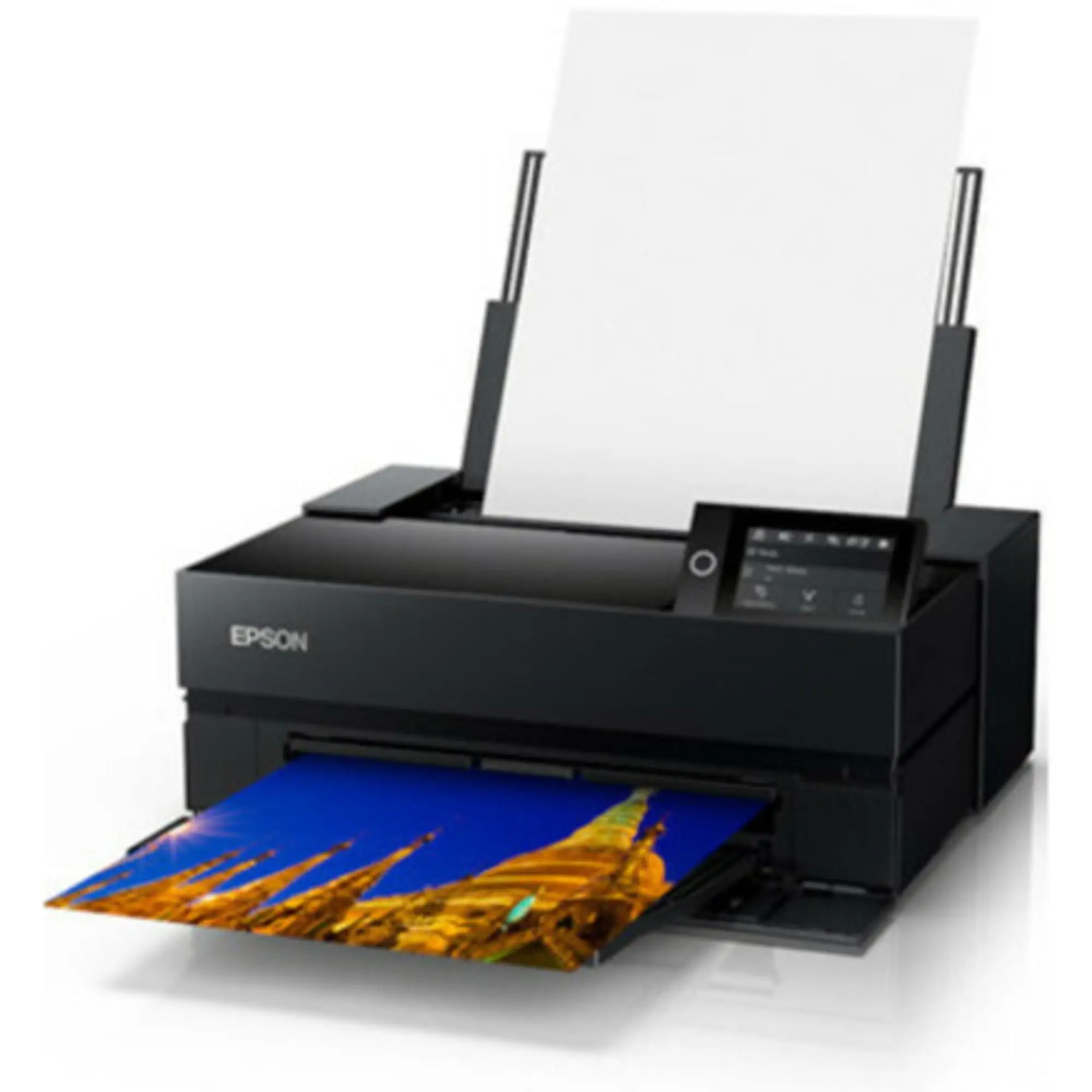
A: No—it is designed for specific SureColor models such as P700, P900, and P906. Always check compatibility before purchase.
Q: Does the reduced bronzing affect all prints?
A: It’s most noticeable in skin tones and blue skies under certain lighting; indoor artificial light shows less change.
Final Verdict: Buy if you are a fine art, gallery, or high-end wedding photographer needing archival permanence and flawless tonal gradation. Avoid if your work seldom requires multi-decade fade resistance or if budget constraints dominate. Pro tip from community: “Keep a spare cartridge on hand before large runs—interruptions cost more than the ink itself.”





