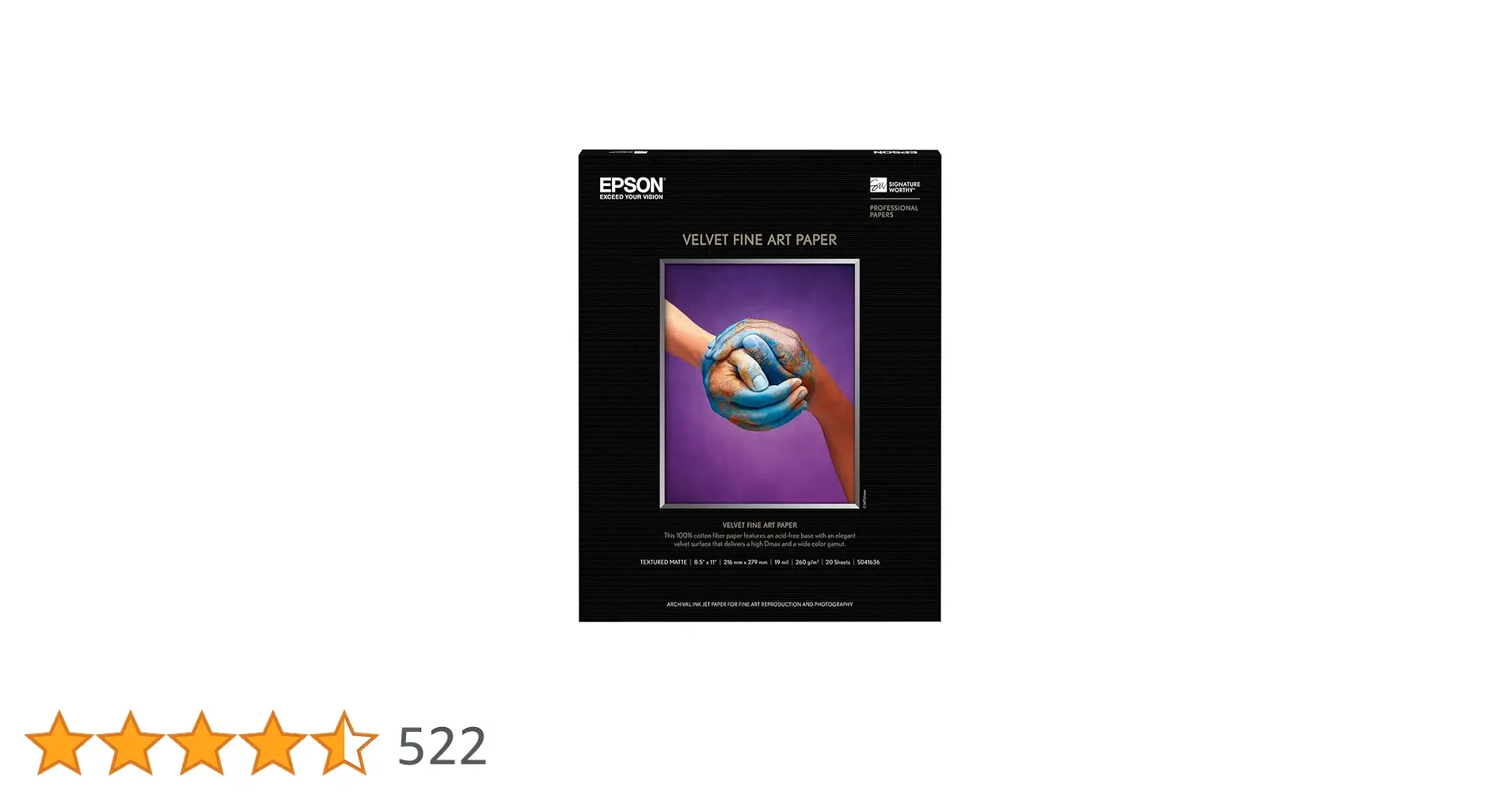
Epson Heavyweight Matte Paper Review: Quality Verdict
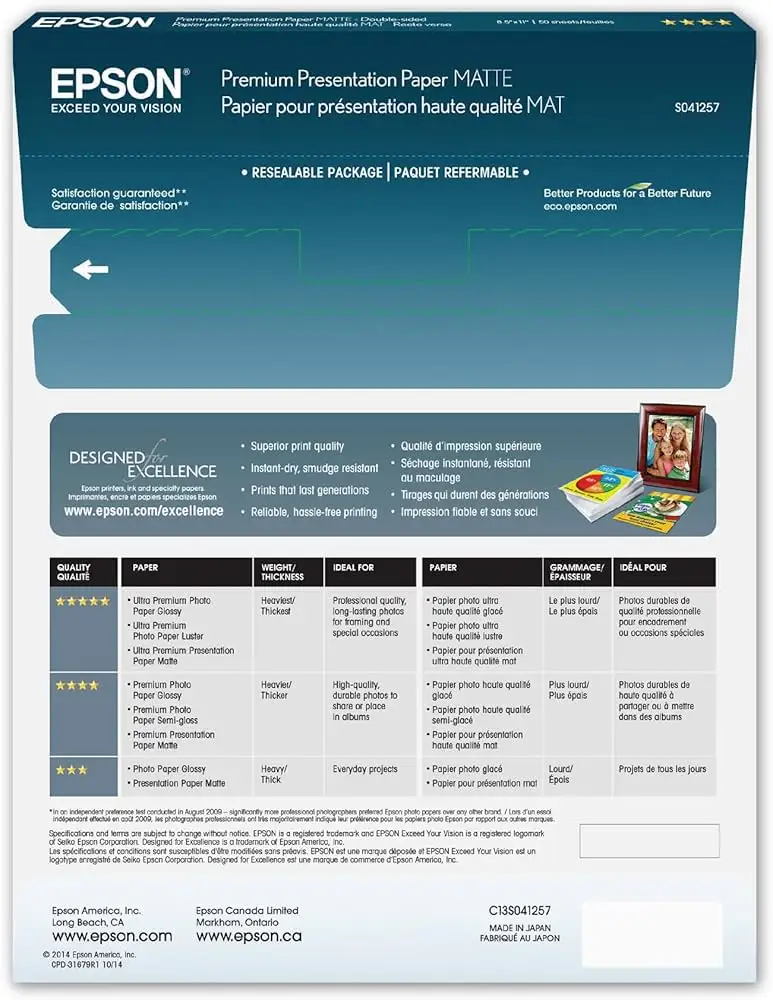
When a photographer calls a sheet of paper “the perfect paper” and an office worker says it’s “the only paper I will be using,” you know there’s something unique. Epson Heavyweight 8.5x11 Matte Paper consistently earns high marks across platforms, averaging about 4.6–4.8/5. Our verdict: 9.2/10 for consistent quality, premium feel, and vivid print results, with minor caveats on surface durability and shipping mishaps.
Quick Verdict: Yes — for photo prints, art projects, and professional documents, but protect prints from scuffing.
| Pros | Cons |
|---|---|
| Vivid, saturated colors | Matte surface can scuff if handled roughly |
| Heavyweight, premium feel | Single-sided on some variants (unexpected for some users) |
| Works with all inkjet printers | Occasional delivery damage reported |
| Instant-dry surface for easy handling | Colors less saturated vs. glossy, per some |
| Bright white base enhances contrast | Requires correct printer settings for best results |
| Great longevity (fade-resistant up to 72 years) | Slightly higher cost than standard matte papers |
Claims vs Reality
Epson markets this paper as “perfect for non-glare photographs, craft projects and signage” with fade resistance up to 72 years and compatibility with all inkjet printers. On the performance claim, users widely agree. A verified buyer on Amazon noted: “Pictures look great. I’ve printed many on this paper.” The paper’s bright white base and heavy weight seem to deliver on the color vibrancy promise—but only if the right printer settings are used. Reddit user feedback reveals that default settings can disappoint; playing with options like “ultra luster paper” mode unlocked “phenomenal detail, no blur” for one mid-range Epson printer owner.
Epson also promises instant drying for easy handling. Best Buy buyers frequently reported prints that were “smooth, bright, and feed through the printer without jams,” echoing the quick-dry claim. Yet one user in the Best Buy dataset who was used to laser printers found prints “felt damp and cold” immediately after printing, showing that while there’s no smear risk, the tactile difference compared to toner is noticeable.
Cross-Platform Consensus
Universally Praised
Across Amazon, Best Buy, Staples, and Reddit, the most celebrated feature is print quality. Fine art sellers rave about saturation and sharpness. One Staples reviewer said: “Excellent quality—perfect for the art prints I sell. Always get compliments.” For photographers, the flat matte surface removes unwanted glare; Reddit contributors called it “really fine paper, great color and details, very sharp contrast and superb d max,” a term used to describe deep blacks in photography.
Heavyweight feel is another standout. Best Buy users loved the “thick, bright white” stock that “feels a lot more premium than the low cost price.” Even non-photo uses benefit: a buyer made greeting cards and reported “nice heavy paper” that folded well without cracking.
Fade resistance up to 72 years is less directly tested by users but appreciated as a reassurance for archival projects. Artists feel confident selling work knowing the paper “preserves treasured memories.”
Common Complaints
Durability isn’t perfect. Multiple Staples customers warned that “the surface tends to scuff if abused.” This affects those handling bare prints frequently, such as at craft fairs. Likewise, shipping damage is a recurring frustration—one Trustpilot reviewer noted bent corners due to poor packaging, ruining sheets for art prints.
Some users expected two-sided print capability but received single-side-coated paper. A reviewer admitted: “I assumed Epson’s best quality paper would be two-sided.” This misalignment between marketing and packaging details caused dissatisfaction among brochure creators.
Divisive Features
Color rendering divides opinion mostly based on comparison to glossy media. While many call the colors “much more vivid compared to regular card stock,” one Best Buy reviewer found them “a bit flat or unsaturated compared to laser prints.” The matte aesthetic appeals to fine art and professional document needs but may underwhelm those chasing ultra-high gloss vibrancy.
Trust & Reliability
Long-term reports suggest Epson’s matte papers hold up: art sellers repeatedly state they “could not function in my business without it” and continue to reorder over years. On the downside, the biggest trust dent comes not from the paper itself but from vendor fulfillment. Staples shipping was described as “the worst I had ever experienced” and bent corners were a recurring theme in negative reviews. This indicates the importance of choosing reliable sellers with secure packaging, a point echoed by eBay buyers who explicitly search for “new sealed” packs.
Alternatives
The most direct alternative mentioned is Epson’s double-sided Premium Presentation Paper Matte (S041568), which solves the one-sided complaint for brochure and newsletter printing. With similar weight and brightness, it’s “ideal for … two-sided printing with no show-through.” For those chasing higher color depth, some professional photographers pivot to Epson’s Luster or Glossy papers, trading the glare-free surface for more punch.
Price & Value
Epson Heavyweight Matte Paper generally retails around $12–$15 for 50 sheets on Amazon and Target, with eBay resale prices ranging from $7 open box to $22 new sealed. Best Buy’s 500-sheet EcoTank variant amplifies value for volume users. Community buying tips include watching for bulk or damaged-box discounts; one Trustpilot reviewer bought “on sale … great paper” without quality compromises.
FAQ
Q: Is Epson Heavyweight Matte Paper compatible with non-Epson inkjets?
A: Yes. Multiple Best Buy and Reddit users report excellent results in HP, Canon, and Brother printers with no jamming or feed issues.
Q: Can I print on both sides?
A: Some variants are single-sided, so check the product code. The S041568 model offers double-sided coating ideal for brochures and newsletters.
Q: Does the ink smudge or bleed?
A: No. Users consistently note clean, crisp prints, with ink drying quickly enough for immediate handling.
Q: How does it compare to glossy paper in color output?
A: Matte delivers a softer, glare-free look. Several users find colors vivid compared to standard matte stock, though glossy generally offers more saturation.
Q: Is the surface prone to damage?
A: Yes—if handled roughly after printing. Artists recommend protecting prints to prevent scuffing.
Final Verdict: Buy if you’re an artist, photographer, or office professional seeking heavyweight, glare-free paper with rich color and archival safety. Avoid if you need ultra-gloss vibrancy or scuff-proof durability for heavy handling. Pro tip from the community: experiment with printer settings like “Ultra Luster” mode for sharper, more detailed matte prints.