EPSON 410 Ink (T410020-S) Review: Solid Buy (8.6/10)
“Pretty good ink not too expensive and simple to replace.” That single Best Buy line captures the dominant mood around EPSON 410 Claria Premium Ink Standard Capacity (T410020-S)—people largely trust it to print cleanly and install easily, but they still wince at the long-term cost. Verdict: a dependable OEM cartridge for day-to-day text and occasional photos, especially if you want fewer headaches with compatibility. Score: 8.6/10
Quick Verdict
Yes — Conditional. Buy it if you want genuine Epson reliability and straightforward installation. Think twice if you’re printing frequently and chasing the lowest cost per page (many shoppers wish they could find the XL more easily).
| What the data suggests | Evidence from users/sources | Who it matters to |
|---|---|---|
| Strong satisfaction overall | Best Buy lists “4.6 out of 5 stars with 2261 reviews” and “93% would recommend to a friend.” | Most home users |
| Easy installation is a standout | Best Buy reviewer lebo: “real easy to get in and out.” | Non-technical users |
| Print quality is consistently praised | Best Buy reviewer lous: “everything i print looks as it should.” | Homework, office docs |
| Value depends on usage | Best Buy reviewer fat face: “i just wish these they would last longer ! get 's very costly over time.” | Heavy printers |
| Confusion around BK vs Photo Black | Best Buy Q&A: “The ink number is confusing… The other black says ‘photo black’; cartridge will not interchange slots.” | XP-830/XP-7100 owners |
Claims vs Reality
Epson and retailers frame the cartridge as a premium, worry-free choice: sharp text, “instant-dry,” and longevity. Digging deeper into user reports, the printing experience often matches the promise, but the shopping and replacement economics are where reality gets messier—especially around confusing cartridge variants and availability of XL options.
Claim #1: “Laser sharp text… outstanding quality prints.” (Amazon specs / Epson product copy)
On the user side, quality feedback is blunt and practical rather than poetic. A Best Buy reviewer lous said: “this ink is great everything i print looks as it should.” Another reviewer, geek reviewer, focused on results and handling: “produces good quality work… not messy.” For families printing school assignments or basic documents, those comments align with the marketing promise: clear output with minimal fuss.
But the same threads imply quality isn’t the whole value equation. Even when prints look right, cost can overshadow the satisfaction for frequent printing. Best Buy reviewer pink poodle summed up the tension: “quality and easy to install and replace… pricey but can sometimes get on sale.” The “premium” claim holds in output and reliability—but not everyone feels premium is worth paying for at standard-capacity volumes.
Claim #2: “Instant-dry… touchable prints.” (Amazon specs)
User stories don’t directly repeat “instant-dry,” but they do echo the practical outcome: clean handling and minimal smearing. Best Buy reviewer mike emphasized day-to-day usability: “twist off cap… mess free!… very black and smudge proof.” That’s the lived version of “touchable prints”—less worry about smudges during quick tasks like printing forms, schedules, or schoolwork right before heading out the door.
Still, users aren’t universally focused on dry-time as a deciding factor; they talk more about ease, darkness, and overall convenience. For home users, that suggests “instant-dry” is a nice-to-have that blends into a broader perception: it simply works without drama.
Claim #3: “Maximum yield… 250 pages.” (Amazon specs)
The official yield is presented clearly in specs (“page yield 250”), and the Best Buy Q&A repeats similar expectations: one answer states “black = 250 pages” for the standard cartridge. But real-world usage comments hint at variability and cost sensitivity. Best Buy reviewer fat face said: “i just wish these they would last longer ! get 's very costly over time.” Another, sheila, described behavior that’s essentially an adaptation strategy: “i use the draft option when i print . it saves a lot of ink and looks good.”
So while the rated yield is consistent across the official listings, the “reality” is that people adjust print settings and buying patterns (like waiting for sales or seeking XL) to make the economics feel acceptable.
Cross-Platform Consensus
A recurring pattern emerged: the strongest agreement is about reliability and ease, while the most persistent friction is about cost and cartridge confusion. Most of the “community” style content in the provided data is actually retailer Q&A and reviews, which still reveals what real owners struggle with when the printer is asking for ink.
Universally Praised
The most consistent praise is that the cartridge is simple to install and behaves predictably. Best Buy reviewer ctbb put it plainly: “simple to replace.” For people who print infrequently—like occasional recipes, shipping labels, or school permission slips—that simplicity matters more than shaving pennies off each page. Best Buy reviewer carole, who framed their use as “occasional print jobs,” said: “the cartridges are easy to install and have lasted a long time with my occasional print jobs.” That’s a specific user persona: low-volume home printing where OEM ink can feel “long lasting” in calendar time.
Print quality is the other pillar. Best Buy reviewer andy called out “great quality,” and lous reinforced that everyday output meets expectations: “everything i print looks as it should.” For small-business paperwork or homework packets, “as it should” is high praise—no streaks, no troubleshooting, no reprints. Even when reviewers mention price, the tone often implies they’re paying for peace of mind. Best Buy reviewer steve 814 described that mindset: “you have security going with epson cartridge for epson printer.”
Users also highlight clean handling—an unglamorous but meaningful benefit for anyone swapping cartridges at a kitchen table. Best Buy reviewer bgood said it was “not messy to change,” and mike echoed a similar experience: “mess free!… smudge proof.” For caregivers or busy households, that “no mess” factor reduces friction during last-minute replacements.
- Most-cited strengths: easy installation, reliable fit, clean swaps, and consistently dark/clear output.
- Best Buy review themes: “ink quality,” “ease of use,” and “price” are listed as top factors customers mention.
Common Complaints
The loudest complaint isn’t that the ink fails—it’s that buying ink keeps feeling expensive, especially at standard capacity. Best Buy reviewer fat face summed up the long-term frustration: “get 's very costly over time.” That’s the story of the frequent printer: even if each cartridge works perfectly, the repeated purchases can sting.
Availability and the hunt for higher capacity show up repeatedly as well. Best Buy reviewer michael mentioned settling due to stock: “the store didn't have the large capacity cartridge so i got this one.” Another reviewer, cactus, shared a workaround logic: “would have preferred the 410 xl , but you had none in stock… i ended up buying 2 of the 410 for the same price i would have had to pay for the 410 xl.” For high-volume users, the frustration isn’t only the price—it’s being pushed into inefficient purchasing because the XL option isn’t always easy to get.
Then there’s the “two blacks” confusion (BK vs Photo Black), which can turn a simple refill into a mini investigation. In Best Buy Q&A, one answer says: “The ink number is confusing… The other black says ‘photo black’; cartridge will not interchange slots.” Another Q&A exchange highlights a real mistake scenario: a user ordered expecting one cartridge and “got the small photo one.” This complaint affects specific printer owners (notably the XP-830 and similar models mentioned), where slot-specific cartridges make ordering errors costly and annoying.
- Most common pain points: cost over time, XL stock/availability, and confusion between
BKandPBKcartridges. - Practical consequence: users sometimes buy extra standard cartridges as a substitute for XL.
Divisive Features
“Value” is where opinions split based on print volume and expectations. Some reviewers see the price as fair given OEM reliability. Best Buy reviewer lebo said: “price was very reasonable.” Best Buy reviewer shaza went further: “good quality , good price easy to change , would highly recommend !” That’s a persona of a user who prioritizes smooth operation and acceptable upfront cost.
Others don’t dispute quality, but still feel boxed in financially. Best Buy reviewer pink poodle called it “pricey,” and fat face explicitly wished it lasted longer. The divide isn’t about whether the cartridge works—it’s whether the economics make sense for the user’s printing habits, especially when XL options are hard to find or when people feel forced into OEM pricing for compatibility and warranty confidence.
Trust & Reliability
The provided Trustpilot-labeled content is effectively Epson’s product listing information rather than customer narratives, so the trust signals in this dataset come more from retailer review volume and the repeated “genuine” framing across official pages. Best Buy’s scale—“2261 reviews” with “93% would recommend”—suggests broad mainstream trust, at least for this specific cartridge model.
Long-term reliability shows up indirectly through comments about lasting “a while” rather than detailed multi-month breakdowns. Best Buy reviewer lebo said it “seems to last a while,” and carole said the cartridges “have lasted a long time” for occasional printing. There aren’t clear “6 months later” Reddit-style posts in the provided data; what does emerge is a consistent “it works, it fits, it prints” narrative that reinforces reliability for typical home use.
Alternatives
Competitor brands aren’t explicitly named in the provided dataset, but “other brands” and at least one comparison appears in user feedback. Best Buy reviewer franken smith offered the clearest contrast: “last longer than my hp ink did.” That’s not a head-to-head test, but it’s a user’s lived comparison that Epson’s cartridge life felt better than their previous HP experience.
The more direct “alternative” in this dataset is internal: standard capacity vs XL capacity. Multiple Best Buy reviewers describe preferring XL for value when available. Best Buy reviewer bige123 advised: “get xl if you can though,” and steve 814 noted: “there are xl cartridges available that cost more, but also give you much more copies.” For anyone printing frequently, the practical alternative is choosing the XL line when stock and correct SKU are clear.
Price & Value
Current pricing in the sources varies by retailer and region. Epson’s US listing shows “our price: $12.99” for the standard black, while Best Buy shows “$12.99” (noting “sold out” in the captured snapshot). Epson Canada listings show a higher figure (“$19.59”), reflecting regional pricing differences. Amazon’s page highlights strong reputation signals (“Amazon’s Choice”) and states the rated “page yield 250,” which shapes expectations even before buying.
Resale value isn’t meaningfully represented here (ink cartridges generally don’t have a strong resale narrative in the provided data), but buying strategy is: watch for sales, consider XL where possible, and avoid ordering mistakes. Best Buy reviewer pink poodle mentioned it “can sometimes get on sale,” and the Q&A around “photo black” vs “black” reads like a warning label for careful shoppers. For budget-focused users, the best “value” move emerging from the community is not a different brand—it’s printing in draft when acceptable and buying XL when available. Best Buy reviewer sheila said: “i use the draft option… it saves a lot of ink and looks good.”
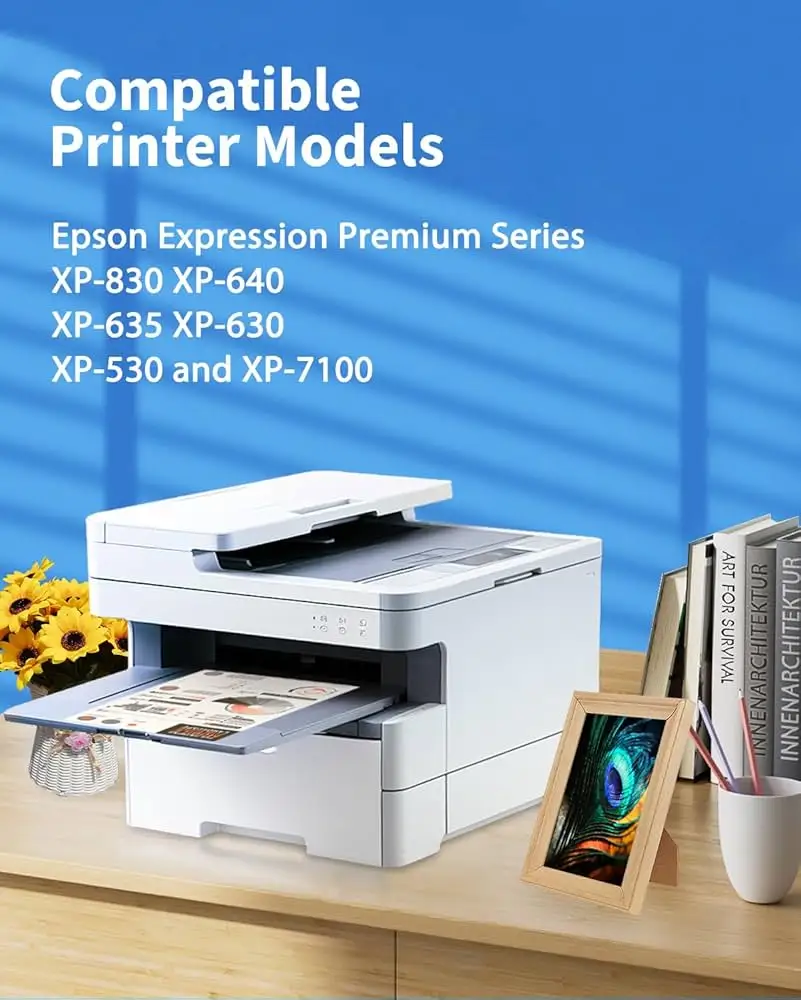
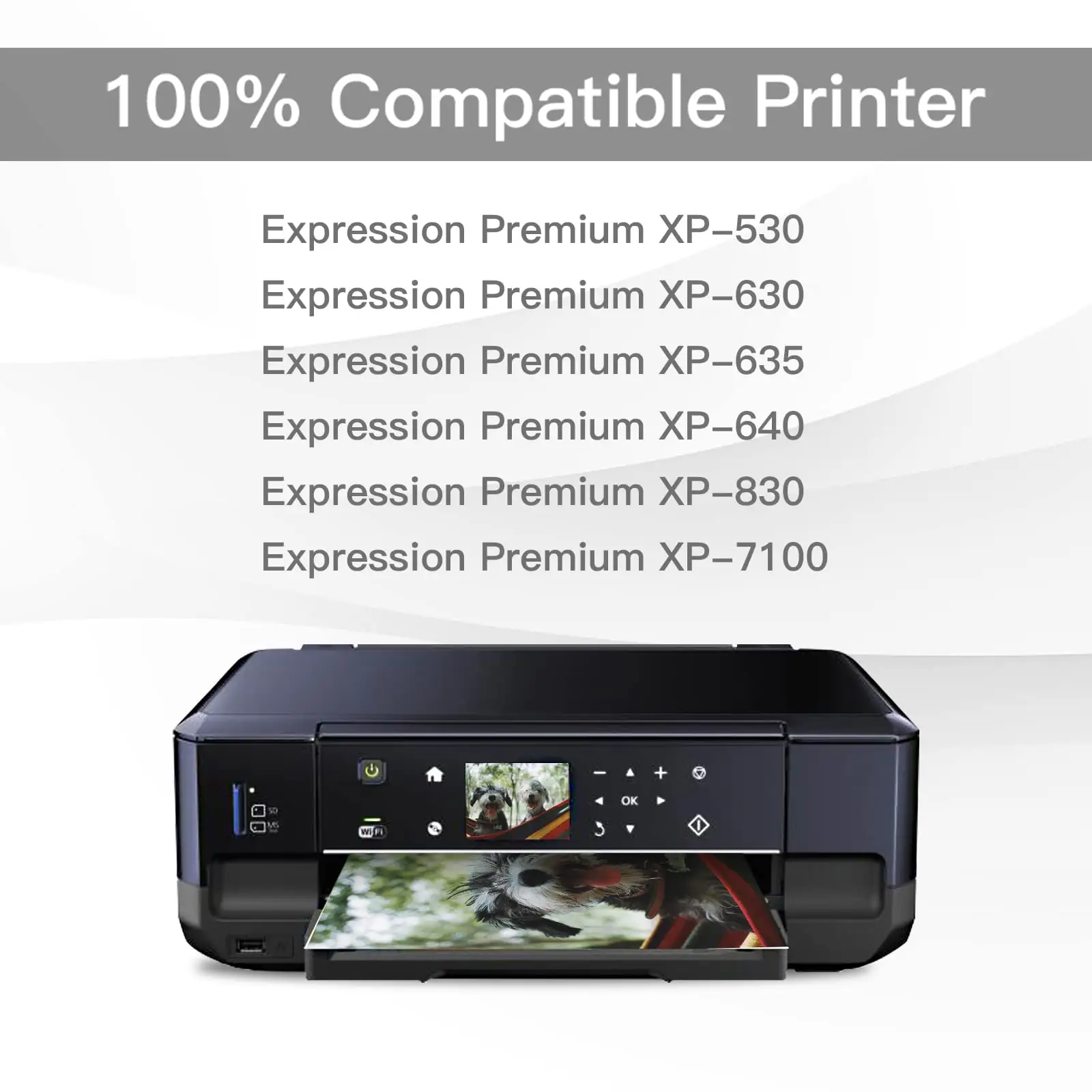
- Confirm your printer model (XP-530, XP-630, XP-635, XP-830 are listed as compatible in Amazon specs).
- Double-check you’re buying
BKvsPBK(photo black) if your printer uses both. - If you print often, look for
410XLwhen in stock; multiple users call it the better value.
FAQ
Q: What’s the rated page yield for the EPSON 410 standard black (T410020-S)?
A: Amazon’s specs list a “page yield 250” for the black standard-capacity cartridge, and a Best Buy Q&A answer also cites “black = 250 pages.” Actual results can vary by coverage and settings; one buyer said draft mode “saves a lot of ink.”
Q: Why do people say the Epson 410 “black” is confusing?
A: Some printers use both BK (text black) and PBK (photo black), and Best Buy Q&A warns they “will not interchange slots.” One shopper reported ordering expecting one cartridge and receiving “the small photo one,” so matching the exact SKU matters.
Q: Is this cartridge easy to install for non-technical users?
A: Owners frequently describe installation as straightforward. Best Buy reviewer ctbb called it “simple to replace,” and reviewer lebo said it’s “real easy to get in and out.” Several reviews also mention it’s “not messy to change,” which helps for quick swaps at home.
Q: Should heavy printers choose standard capacity or XL?
A: Multiple Best Buy reviewers suggest XL is the better value if you can find it. Reviewer bige123 said: “get xl if you can though,” and others mention buying standard only because XL was out of stock. Standard capacity may fit better for occasional printing.
Q: Does the ink quality hold up for everyday documents?
A: Many reviewers say output looks correct and clear. Best Buy reviewer lous wrote: “everything i print looks as it should,” and another noted “produces good quality work.” The most common criticism isn’t quality—it’s ongoing cost if you print a lot.
Final Verdict
Buy EPSON 410 Claria Premium Ink Standard Capacity (T410020-S) if you’re a home user who values OEM compatibility, clean installation, and consistently solid black text—especially for occasional print jobs where cartridges “have lasted a long time.” Avoid it (or at least don’t default to it) if you print frequently and hate the feeling that ink “get 's very costly over time”; several owners recommend the XL route when available. Pro tip from the community: follow sheila’s approach—use draft mode when you can, because “it saves a lot of ink and looks good.”