Epson 312 Claria Photo HD Ink Review: Great but Pricey
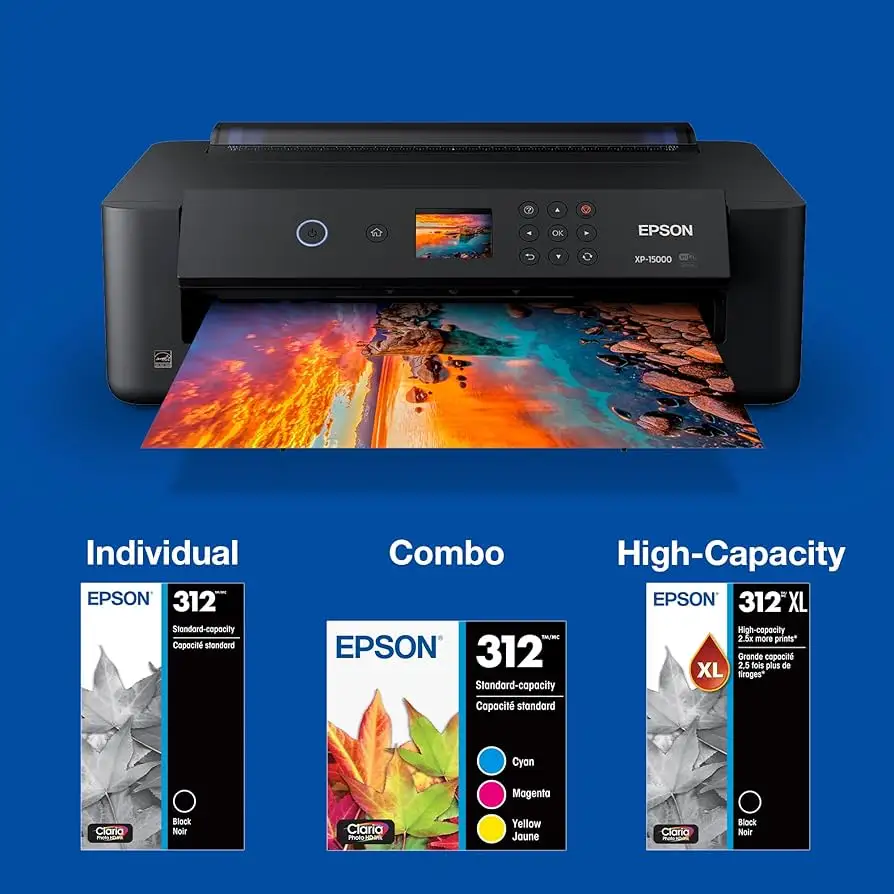
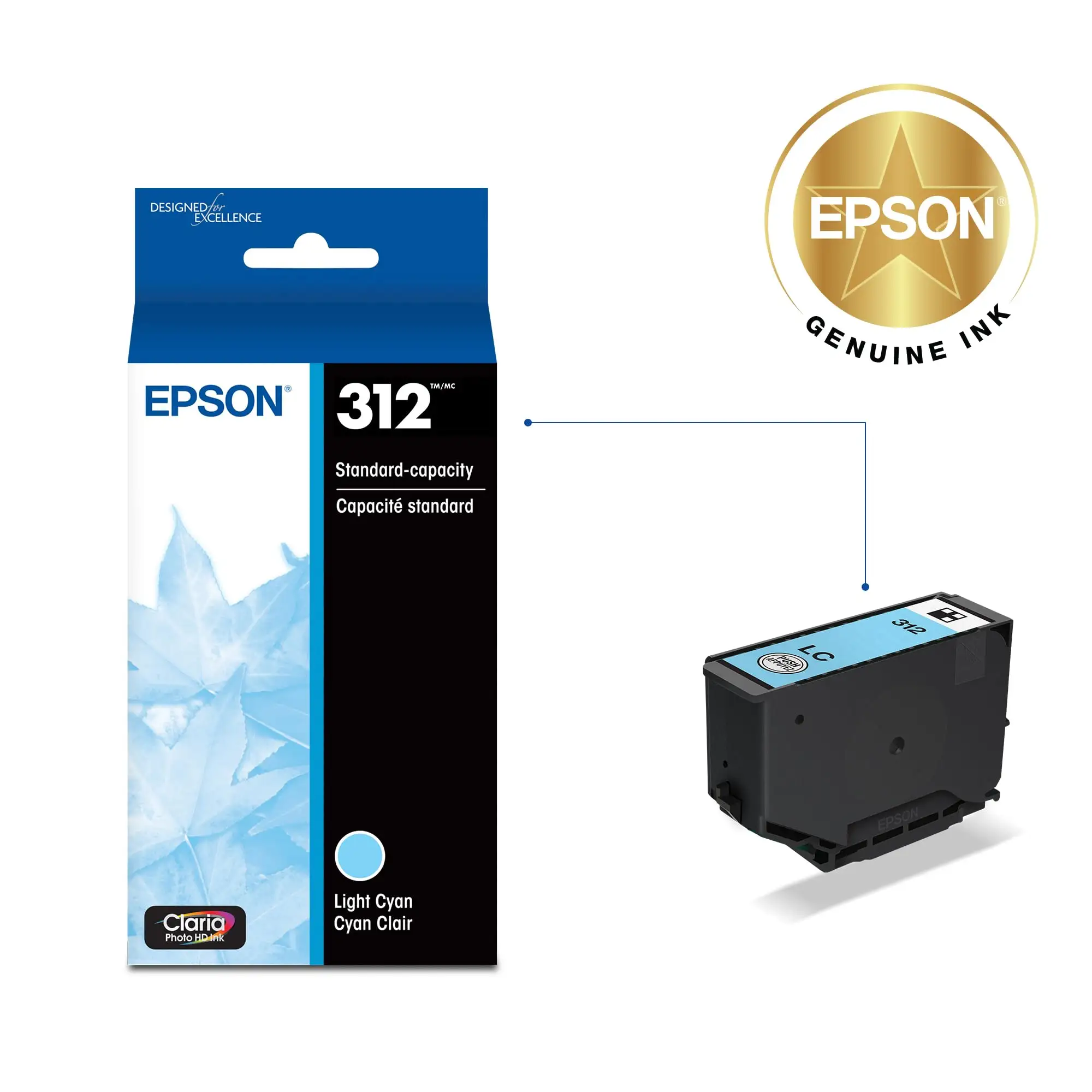
“Great inks that work well but they are far too expensive.” That blunt Staples line captures the dominant mood around EPSON 312 Claria Photo HD Ink Standard Capacity (Cyan, Magenta, Yellow). Across major retailers, buyers consistently praise the output while wrestling with the cost and cartridge size. Verdict: a high‑quality OEM photo ink set that feels like a premium refill cycle. Score: 8.1/10.
Quick Verdict
Conditional yes: buy if you prioritize OEM photo quality and printer compatibility, avoid if you print volume or want budget ink.
| What users highlight | Evidence from feedback | Impact |
|---|---|---|
| Strong photo/color quality | Best Buy reviewers repeatedly cite “beautiful , bright and vibrant” color; Staples: “outstanding quality . the only product i will ever use for my photo prints.” | Great for photo hobbyists and wide‑format users |
| Reliable OEM fit/compatibility | Best Buy user Gerk said: “these oem ink cartridges provide quality printing… worth not experiencing headaches.” | Low risk for XP‑15000/Expression Photo owners |
| Easy cartridge swaps | Staples buyer noted: “super easy to change… easy to change.” | Good for casual home users |
| Price feels high | Staples: “way too expensive”; Best Buy Myth Lover: “epson ink still pretty expensive though.” | Pain point for frequent printers |
| Standard capacity runs out fast for some | Staples: “ink reservoir is so small & does not last long”; Best Buy Guilt Bar: “small quantity… too short a time between ink changes.” | Heavy users may resent refill cadence |
| Occasional rejection/defect stories | Staples: “hugely expensive and not working . epson printer is rejecting them.” | Small but serious risk |
Claims vs Reality
Epson markets these cartridges as part of a “Claria Photo HD” six‑color system delivering “vivid, true‑to‑life color,” “high‑contrast shots,” and “smooth, natural skin tones.” That picture‑centric promise mostly aligns with what buyers see. A Staples reviewer declared the set “product is excellent ! outstanding quality . the only product i will ever use for my photo prints.” On Best Buy, Boarderames echoed similar satisfaction: “these colors are beautiful , bright and vibrant ! … money well spent !” For photo printers like the XP‑15000, users describe the inks as doing what the name suggests: producing rich color without fuss.
Digging deeper into user reports, the second big claim is longevity and archival quality, with Epson and listings referencing prints that can last “more than 200 years in an album.” Users don’t directly test archival years, but they do implicitly support durability through a preference for OEM inks after bad third‑party experiences. Best Buy user Gerk said they stick with originals because “having experienced poor quality remanufactured or 3rd party replacements in the past… the cost to increase over remanufactured cartridges is worth not experiencing headaches.” The “reality” here is less about century‑scale lifespan and more about predictable, stable results for photos today.
Where marketing meets resistance is capacity and value. Officially these are “standard capacity” cartridges, and some buyers experience that as a mismatch with their real‑world usage. Staples feedback is full of cost‑per‑print frustration: “good ink but a little on the pricey side for the prints you get per cartridge,” and another buyer complained, “it only prints 20 copies that 's it i could have gone to store and have the prints cheaper then one ink.” While Epson positions standard capacity as everyday‑friendly, multiple users describe it as a fast‑running, expensive cycle, especially if you print frequently.
Cross-Platform Consensus
Universally Praised
A recurring pattern emerged around print quality. Buyers on both Staples and Best Buy consistently use language like “vivid,” “bright,” and “vibrant.” Best Buy user Myth Lover reported: “the ink printed vividly as intended.” For photo enthusiasts, that vividness translates into confidence when making color‑critical prints. Boarderames described their occasional color prints as “beautiful, bright and vibrant,” suggesting that even light users notice the jump in quality when they do print in color.
Compatibility and reliability also come through strongly. This is especially important for owners of Epson’s Expression Photo and XP‑series printers who want to avoid clogging or color shifts. Best Buy user KC Scout framed the value in OEM assurance: “using the manufacturers recommended ink at a slightly higher price is worth it for the assurance of compatibility and longevity of the printer.” Another Best Buy reviewer, John, emphasized consistency: “never an issue with ink cartridges working as designed.” For home offices or photo studios where downtime is costly, that kind of predictable fit is the core benefit.
Ease of use is a quieter but steady theme. Staples reviewers repeatedly mention simple swaps, with one noting, “super easy to change… easy to change.” For casual households or older users who don’t want fiddly maintenance, standard capacity cartridges that click in cleanly matter more than spec sheets.
Finally, availability at mainstream retailers is a practical plus. Several Staples and Best Buy buyers are relieved to find the cartridges in stock when others didn’t carry them. One Staples customer said: “not all retailers sell this ink . i couldn't find it anywhere but at last - you had it in stock.” Another added that Staples having inventory “makes me happy,” even while acknowledging the price.
Common Complaints
The most common frustration is price. Staples buyers are blunt: “way too expensive,” and “over priced.” Best Buy users echo the same sentiment, even when they love the results. Myth Lover’s line—“epson ink still pretty expensive though”—captures the tension: quality is there, but it comes at a premium. For students printing color handouts, families doing school projects, or anyone producing frequent documents, the recurring cost quickly overshadows the pleasure of vibrant output.
Closely tied to price is cartridge lifespan. Multiple users describe the standard yield as too short for their needs. One Staples review complained that the “ink reservoir is so small & does not last long.” Best Buy user Guilt Bar wrote: “good color , small quantity . all colors should be xl in size . too short a time between ink changes.” For heavy photo printers or small businesses using the XP‑15000 for posters and borderless prints, the refill cadence feels punishing.
Some buyers also feel that the cost‑per‑print doesn’t pencil out versus alternatives like print shops. Staples feedback includes a sharp cost comparison: “it only prints 20 copies that 's it i could have gone to store and have the prints cheaper then one ink.” That kind of story shows who suffers most: high‑volume color users who don’t get the economies of scale these standard carts weren’t designed for.
A smaller but important complaint category involves defective or rejected cartridges. One Staples customer said: “hugely expensive and didn't work… epson printer is rejecting them.” While this isn’t widespread, the stakes are high because OEM inks are expected to be trouble‑free. For users who buy in a pinch, a rejection message after paying premium pricing is especially aggravating.
Divisive Features
Standard capacity itself is divisive. Some users find standard yield plenty for their workflow. Best Buy user Best Buys Hopper even argued the opposite of the “runs out fast” crowd: “the standard pack will last for a long time. again , epson ink is the best.” That suggests lighter home users or occasional photo printers may not feel the squeeze.
Others see standard yield as a built‑in cost trap. A Staples buyer wished for larger cartridges: “wish you had the extra large ink capacity cartridges.” Another on Best Buy insisted, “recommending the xl version to all for ink !” The split largely comes down to print volume: sporadic printers are satisfied; anyone doing steady photo output wants XL.
Trust & Reliability
On trust, the conversation centers less on scams and more on OEM versus third‑party risk. Multiple Best Buy reviewers describe moving away from remanufactured inks after problems, implying that Epson’s genuine cartridges are seen as the safe lane. Gerk’s comment—“having experienced poor quality remanufactured or 3rd party replacements in the past… worth not experiencing headaches”—signals a trust premium buyers willingly pay.
Long‑term reliability stories skew positive, tied to sustained compatibility. Buyers who repeatedly buy the 312 series emphasize consistency over time. Cornell on Best Buy said, “i 've been buying the 312 cartridge set from best buy since forever , great quality.” For long‑term XP‑15000 owners, that ongoing performance reinforces the idea that sticking with OEM protects printer health, even if it costs more.
Alternatives
Only one alternative theme appears in the data: off‑brand or remanufactured inks. Users acknowledge they’re cheaper but often frame them as risky. KC Scout admitted it “may be cheaper to buy off‑brand inks,” but still chose Epson for “assurance of compatibility.” Gerk’s past “poor quality remanufactured” experiences lead them to swear off third‑party options. So the alternative isn’t a named competitor brand so much as a category, and the community stance is clear: savings come with a chance of headaches.
Price & Value
Current pricing hovers around the low‑to‑mid $30s for the three‑pack at major retailers, with some listings showing higher regional pricing. Users interpret that price in two different ways. Light and moderate printers sometimes call the multipack a deal. Best Buy user Scott said, “i like the quality… good value,” and Kenobit wrote, “happy with the price for this multi pack.” When you’re buying occasionally and want matched OEM colors, the bundle feels reasonable.
But heavy users experience sticker shock every cycle. Staples reviewers repeatedly return to the same complaint: “good but pricey,” “over priced,” and “hugely expensive.” For someone printing large batches of photos or color documents, the standard yield makes the cost feel continuous rather than occasional. Several buyers specifically wish for XL versions, suggesting that value is less about absolute price and more about yield per cartridge.
Buying tips from the community are indirect but consistent: shop where inventory is reliable. Staples users highlight how being able to “run down to a local staples” beats waiting for delivery, even if pricing isn’t the lowest. Availability becomes part of the value equation for users who don’t want their photo printer sidelined.
FAQ
Q: Do these Epson 312 cartridges produce noticeably better photo color than off‑brand inks?
A: Buyers strongly think so. Best Buy reviewers describe results as “beautiful , bright and vibrant,” and Staples users call the output “outstanding quality.” Several people say they returned to OEM after third‑party ink caused poor results or “headaches.”
Q: Are the standard capacity cartridges enough for regular printing?
A: It depends on volume. Some owners say the standard pack “will last for a long time,” but many heavy users complain the “ink reservoir is so small & does not last long.” If you print frequently, expect more replacements.
Q: Is the three‑pack worth the price?
A: Light to moderate users often say yes, calling it a “good value” multipack. High‑volume printers disagree, saying it’s “far too expensive” for the number of prints they get. Value tracks closely with how much color you print.
Q: Do these cartridges ever fail or get rejected by the printer?
A: Most reviewers report smooth, reliable OEM performance, with comments like “never an issue… working as designed.” Still, a few Staples users report defects or rejection errors, which seem uncommon but frustrating when they occur.
Q: Why do some users insist on Epson OEM ink despite the cost?
A: The main reason is printer safety and predictable results. One Best Buy reviewer said paying more is “worth it for the assurance of compatibility,” and others cite bad experiences with remanufactured ink as their reason for sticking with Epson.
Final Verdict
Buy if you’re a photo‑focused Epson Expression/XP‑series owner who wants reliable OEM color and doesn’t print huge volumes. Avoid if you’re running frequent color jobs and already feel cartridge churn; multiple users say standard yield is “small quantity” and “too short a time between ink changes.” Pro tip from the community: if you print a lot, consider timing purchases around multipack deals or seeking XL versions when available—several buyers explicitly recommend them for better cost‑per‑print.