EPSON 200 DURABrite Ultra Black Review: Conditional Buy
“...ink doesn’t last long...” is the line that keeps surfacing across buyer discussions of EPSON 200 DURABrite Ultra Ink Black Cartridge (T200120-S), even as the cartridge sits at roughly 4.5 stars in multiple retail channels. The overall verdict from the compiled feedback is Conditional: strong black-text quality when everything works as intended, but frequent complaints about low yield, early “empty” warnings, and reliability headaches push many owners into frustration. Score: 6.8/10 based on cross‑platform sentiment and review analysis.
Quick Verdict
Conditional.
For owners of compatible Epson Expression XP and WorkForce WF printers who prioritize crisp black text, the cartridge delivers. But for high‑volume printing or anyone sensitive to running costs, multiple reports of short lifespan and defect‑like behavior make it a risky buy.
| What users highlight | Evidence from feedback | Impact |
|---|---|---|
| Sharp black text | Provantage summary notes “sharp and clear black text.” | Good for home office docs. |
| Smudge/fade/water resistance | Epson/Amazon specs emphasize “smudge, fade and water resistant prints.” | Helpful for handling and storage. |
| Very short lifespan | Verified review analysis quotes: “ink doesn’t last long,” “printed maybe 20–25 usable pages and am out of ink now.” | Costly for frequent printers. |
| Early empty detection | Users say “2 months into using the ink product, it started being detected… as empty (from nearly full).” | Disruptive, wastes ink. |
| Print failures / streaks | Reviews mention “had streaks,” “black won’t print,” “did not print.” | Troubleshooting burden. |
| Price sensitivity | Some praise value: “great product at a great price,” others call it a “waste of money.” | Divisive value proposition. |
Claims vs Reality
Epson’s marketing leans heavily on durability and convenience. The Amazon/Epson listings describe “worry‑free handling — smudge, fade and water resistant prints” and “instant‑dry” output. Digging deeper into user reports, durability of the printed page is not where the biggest gap sits; instead, the friction comes from durability of the cartridge experience. A recurring pattern emerged where users agree the ink looks good but doesn’t last long enough to feel “worry‑free.”
The cartridge is officially rated around 172–175 pages, depending on the retailer. Office Depot lists “maximum yield…175 pages,” and GenuineInk cites yields “up to 172 pages.” While officially rated as about 175 pages, multiple users report far lower real‑world output. A verified review on the analysis page complained: “printed maybe 20–25 usable pages and am out of ink now,” and another wrote, “only printed maybe 30 pages worth of black and white.” For students printing assignments or small businesses doing invoices, that gap means unexpectedly frequent replacements.
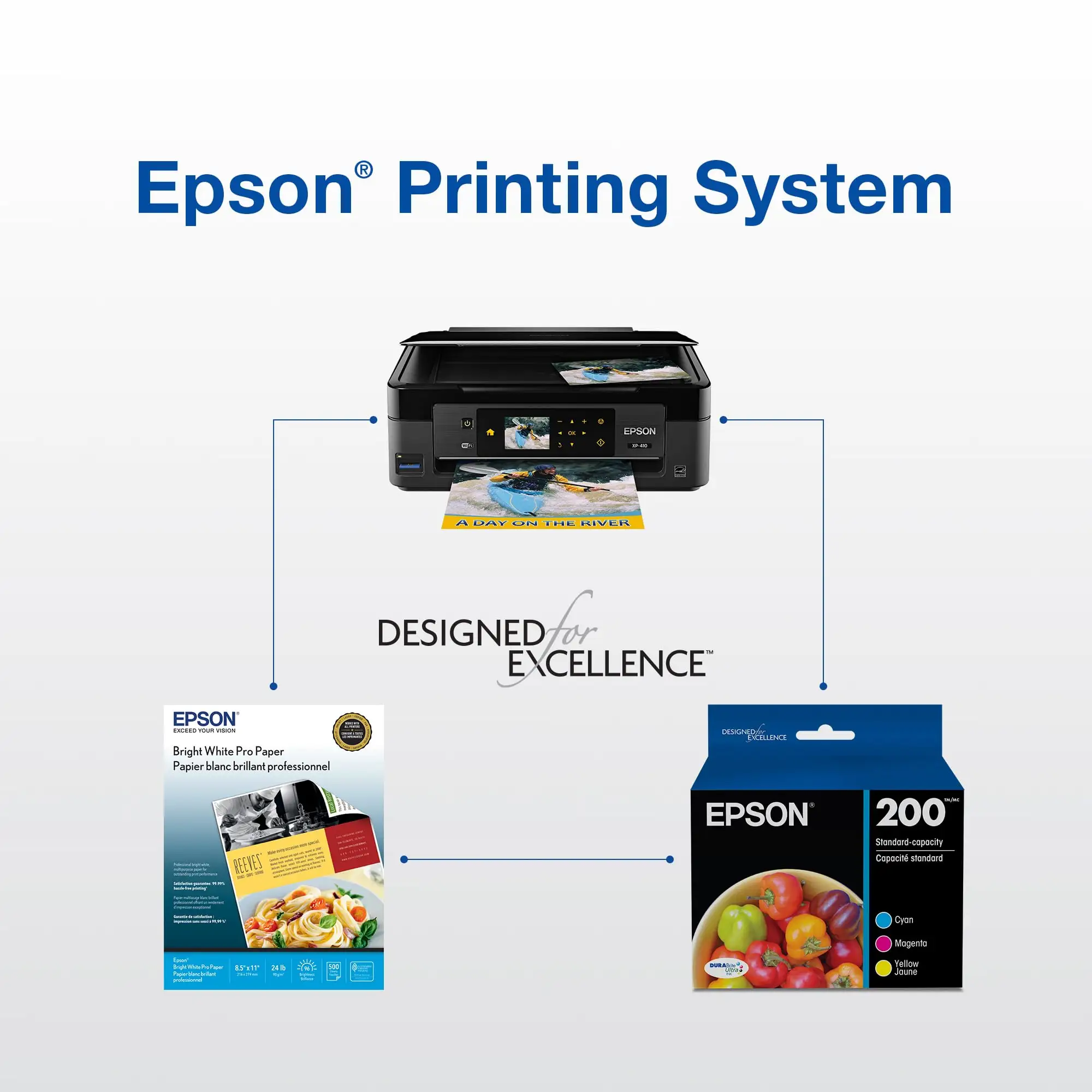
Epson also stresses reliability and system design: the listings say Epson inks and printers “work together…to consistently bring you excellent results,” and warn that non‑genuine ink can cause damage. Yet a slice of buyers believe reliability is inconsistent even with genuine cartridges. One frustrated reviewer wrote: “cartridges are 20% full and once I installed them… the black quit, empty!” Another said, “this entire ink packet did not work,” and others echoed “color ink full but black won’t print.” That conflict between the “engineered as a system” claim and accounts of non‑printing or instant‑empty behavior fuels distrust among repeat Epson users.
Cross‑Platform Consensus
Universally Praised
The most consistent positive thread is black text quality. Provantage’s community‑style summary highlights that users “appreciate the high‑quality text output,” and this aligns with buyers who say it “performs as expected.” For home‑office workers printing contracts, letters, or school forms, the cartridge is repeatedly linked to crisp readability. One buyer sentiment captured in the review analysis says it “does work better then the generic brand,” underscoring that people comparing OEM ink to third‑party options often see a quality bump.
Print durability on paper is also regularly tied to satisfaction. Marketing claims about smudge resistance aren’t directly contradicted by users; instead, people who are happy tend to frame the ink as dependable for everyday documents. Walmart’s review summary notes it “works great with compatible Epson printers, making it a dependable choice for home office tasks,” and describes “durable, lasting prints.” For parents printing school materials or hobbyists doing occasional photo prints, that resistance to smearing is a practical benefit.
There’s also broad agreement on convenience for compatible models. The cartridge is repeatedly described as straightforward to swap and recognized by the printers it’s designed for. Retail descriptions emphasize “replace only the color you need,” and buyers who stick within the supported XP‑200/300/310/400/410 or WF‑2520/2530/2540 ecosystem tend to treat installation as routine. A verified review line reads: “product is as described,” which often accompanies smooth compatibility experiences.
Common Complaints
The sharpest recurring complaint is yield and lifespan. The review analysis clusters the dominant negative theme under “cartriges” with quotes like “ink doesn’t last long,” “ink dries out too fast,” and “does not last long.” For high‑volume users—teachers printing worksheets or small offices doing frequent runs—the repeated short‑lifespan stories make the cartridge feel like a constant expense rather than a standard‑capacity consumable.
Closely tied to yield is premature “empty” detection. Several buyers describe cartridges being flagged as empty unexpectedly: “2 months into using the ink product, it started being detected by my printer as empty (from nearly full).” Others report the black channel failing while color remains fine: “color ink full but black won’t print.” For users who print intermittently, this creates anxiety about wasted ink, especially when head cleaning cycles consume black ink faster.
Print reliability issues round out the major complaint set. Users mention streaking or outright non‑printing: “I printed couple sheets and it had streaks,” “will not print,” and even “I couldn’t even print the test page.” One long‑time Epson owner vented that the ink “clogs up the printer constantly, making you clean the heads…while wasting ink,” and tied it to broader printer degradation. For anyone without patience for maintenance, those experiences make the cartridge feel fragile.
Divisive Features
Price/value is clearly split. On one side, multiple buyers celebrate Amazon pricing: “great product at a great price,” “best price around,” and “I’m glad Amazon offers this set for such a discounted price.” These voices usually come from people who print lightly and feel the cost per cartridge is acceptable when it works.
On the other side, the same cost becomes a flashpoint when yield disappoints. “Waste of money” appears in the price cluster, and the long negative review about head clogs concludes with “wasting ink and money.” For users hitting low page counts, even a modest cartridge price feels unjustifiable. That divide maps directly to printing habits: occasional printers see fair value, frequent printers feel burned.
Trust & Reliability
Scam or counterfeit fears show up indirectly in marketplace chatter. One verified review excerpt says “must not be original,” which suggests some users suspect authenticity issues when cartridges fail early. The data doesn’t provide a large set of explicit counterfeit reports, but the presence of that accusation indicates trust erosion tied to reliability problems.
Long‑term durability stories skew negative in the available feedback. The largest narrative quote describes repeated clogging and printer maintenance headaches, saying that after months, one printer “stopped working after a couple of months,” while another required “ultra fine quality” and multiple attempts to print legibly. Even if that user blames ink chemistry, the practical takeaway for owners is that performance can deteriorate over time, especially with intermittent use and frequent head cleanings.
Alternatives
The only alternative directly referenced in user feedback is generic/third‑party cartridges. A verified reviewer said it “does work better then the generic brand,” suggesting that for some users, OEM Epson ink is still the quality benchmark. However, no specific competitor brands are named in the data, so comparisons remain limited to that general contrast: genuine cartridges tend to print cleaner blacks than off‑brand ones, but the cost‑to‑yield equation can push budget‑focused buyers toward generics anyway.
Price & Value
Current prices vary by retailer in the data. Epson US lists a single black cartridge around $13.59, while other sellers list it higher (for example GenuineInk at $22.72 and OfficeSupply.com at $28.49). Combo packs are shown near $39–$45. Buyers often treat Amazon as the value play, with comments like “I buy this product from Amazon because the price…at stores near me is much higher,” and calling the convenience “a major plus.”
Resale value isn’t meaningfully discussed in the feedback, but community buying tips lean toward shopping where prices are lowest and stock turnover is high, because several users hint at receiving cartridges that feel old or faulty. The implication from “maybe it was expired?? or just faulty??” is that buyers want fresher inventory. For low‑volume home users, the cartridge can feel fairly priced when it meets expected yield; for heavier users reporting 20–30 pages per cartridge, it reads as poor value regardless of seller.
FAQ
Q: How many pages do users say this cartridge really prints?
A: Official listings rate the EPSON 200 DURABrite Ultra Black at about 172–175 pages, but multiple verified reviewers report far less, saying “printed maybe 20–25 usable pages” or “only printed maybe 30 pages.” Real yield seems heavily dependent on printer behavior and cleaning cycles.
Q: Does the black ink print sharply compared to generic cartridges?
A: Many users praise black‑text clarity. Provantage feedback highlights “sharp and clear black text,” and one verified reviewer said it “does work better then the generic brand.” This matters most for document‑heavy home offices and students needing crisp readability.
Q: What reliability problems come up most often?
A: Recurring issues include cartridges being detected as empty early and black channels not printing. Users wrote “black quit, empty!” and “color ink full but black won’t print,” plus complaints about streaking and clogged heads requiring cleaning, which can further reduce usable ink.
Q: Is this cartridge compatible with all Epson printers?
A: Feedback and specs emphasize compatibility only with select models, including Expression XP‑200/300/310/400/410 and WorkForce WF‑2520/2530/2540. Users generally report smooth installation on these printers, but compatibility issues appear when used outside the 200‑series ecosystem.
Final Verdict
Buy if you’re a light‑to‑moderate printer on a compatible Epson XP or WF model and you care about sharp black text and smudge‑resistant pages. Avoid if you print frequently or hate maintenance, because repeated stories of “ink doesn’t last long,” premature empty warnings, and streaking can make costs balloon. Pro tip from the community: shop for fresher stock and watch for early “empty” detection—several buyers imply faulty or aged cartridges may drive the worst outcomes.