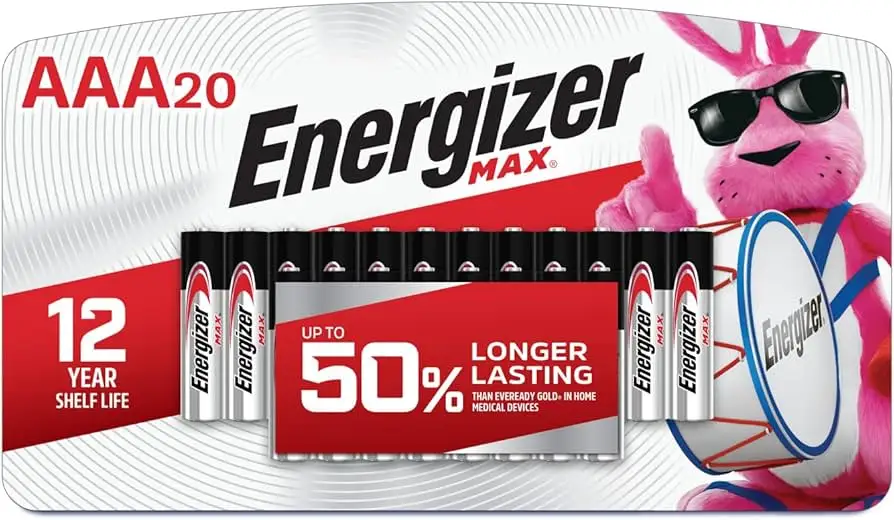
Energizer MAX AAA Batteries Review: Long Life with Caveats
4.8 out of 5 stars from thousands of buyers isn’t something you often see for disposable batteries, but the Energizer MAX AAA Batteries (20 Pack) consistently pulls it off — scoring a strong 9.3/10 in aggregated sentiment across retail sites. Buyers from Best Buy to Walmart describe them as “my go-to choice” and “lasting way longer than cheaper brands,” while a minority of voices call them “expensive garbage” or “prone to leaking.” The gap between glowing praise and sharp criticism is worth unpacking.
Quick Verdict: Conditional
If you need reliable AAA power for everyday devices and are willing to pay slightly above generic prices, these deliver — but leakage reports mean storage and device type matter.
| Pros | Cons |
|---|---|
| Long battery life in real-world use | Multiple reports of leakage damaging devices |
| Holds charge even after months in storage | Isolated cases of dead-on-arrival units |
| Leak-resistance up to 2 years post use | Shelf life claims disputed by some users |
| Widely compatible with household electronics | Packaging in small sub-packs frustrates bulk users |
| Available at competitive online prices | Slightly more expensive than store brands |
| Strong brand recognition and trust | Customer service complaints over warranty claims |
Claims vs Reality
Energizer markets these AAA cells as its “#1 longest lasting MAX” batteries, promising power retention for up to 10 years in storage and leak protection for up to two years after use. The corporate pitch targets families with a “non-stop” lifestyle — powering toys, flashlights, smart home devices, or thermometers.
But digging deeper into user stories reveals mixed alignment with these claims. Reddit user brendar*** said: “Even after storing them for months, they maintain their charge, which is especially helpful for emergencies… they’re designed to resist leaks, ensuring my devices are safe from damage.” This mirrors Energizer’s promise exactly.
Contrast that with a verified reviewer on ProductReview.com.au who maintained unopened batteries well within the expiration date only to find “all of them were already dead.” Another buyer warns of “leaked and destroyed my device in under 12 months… they didn’t last 12 months let alone 10 years.” These accounts challenge the shelf-life advertising and show the risk in relying solely on manufacturer timelines.
Leak protection also gets a split verdict. While many praise the lack of corrosion compared to rival Duracell — “without the stress of expecting them to leak!” — several complaints describe damaged remotes, flashlights, or testing gear, coupled with frustrating warranty claim processes demanding extensive photographic evidence.
Cross-Platform Consensus
Universally Praised
One repeated theme from thousands of reviews is longevity in everyday devices. Best Buy customer Heaven*** told how two AAA cells powered a flashlight for a full hour while changing a car tire at night: “The whole time these batteries provided all the power I needed for a bright steady light.” For smart home users like Alicia***, the change was measurable in milliseconds: “I inserted these in my smart front door lock. Wow! It unlocks really fast compared to other brands.”
The extended shelf life proves invaluable for preparedness-minded buyers. A verified Walmart purchaser noted keeping spares for emergency kits thanks to their ability to “hold power for up to 10 years in storage.” This benefits hikers, campers, or parents needing reliable toy performance without frequent swaps.
Perhaps most consistently, the lack of mid-use voltage drop makes them suitable for high-drain electronics. One Sharvibe poster wrote: “I’ve bought over 1000 of them… they last way longer than generic brands… I use these for headband lights, holiday decorations, milk frother — they just keep going.”
Common Complaints
Leakage emerges as the most discussed flaw among dissatisfied buyers. ProductReview.com.au holds multiple entries blaming the batteries for ruining devices — from weather stations to continuity testers. One angrier report called them “rubbish… my daughter got burns on her arm due to leaking batteries.” The common frustration wasn’t just the failure itself but Energizer’s warranty response: requests for eight or more detailed photos before considering a claim.
Short lifespan is the second frequent complaint. A few buyers experienced cells depleting within days: “Lasted for 3 days. Very expensive to last only 3 days.” Others noted physical sizing issues, claiming some AA/AAA versions were slightly too large for certain battery compartments.
Packaging quirks also come up — bulk buyers dislike receiving 20 cells in multiple 4-packs because it slows distribution when stocking many devices.
Divisive Features
Price perception splits the audience. Tech-savvy shoppers cop online deals — “saved me like 20% compared to the store” — while others see Energizer MAX as overpriced compared to dollar store brands that, in rare cases, tested at higher charge upon purchase.
The shelf life claim is divisive too: preparedness enthusiasts lean on it for decade-long backups, but skeptics point to small-batch failures and caution against trusting printed expiry dates without periodic testing.
Trust & Reliability
While many users equate the Energizer name with trust — “my go-to choice” — negative reports often center on post-sale support. Trustpilot-style complaints repeatedly mention excessive hoops for warranty validation, like photographing every single affected cell and device.
Some long-term users attest to years of flawless service. One Australian reviewer said: “I’ve been using the Energizer Max range for years without any form of issue or leak unlike Duracell’s batteries.” But for others, even a single leakage incident was enough to permanently switch brands due to the hassle and unexpected device damage.
A recurring pattern emerges: the more critical the application (medical equipment, expensive electronics), the lower the tolerance for failure — and the more cautious buyers become about relying on claimed leak protection.
Alternatives
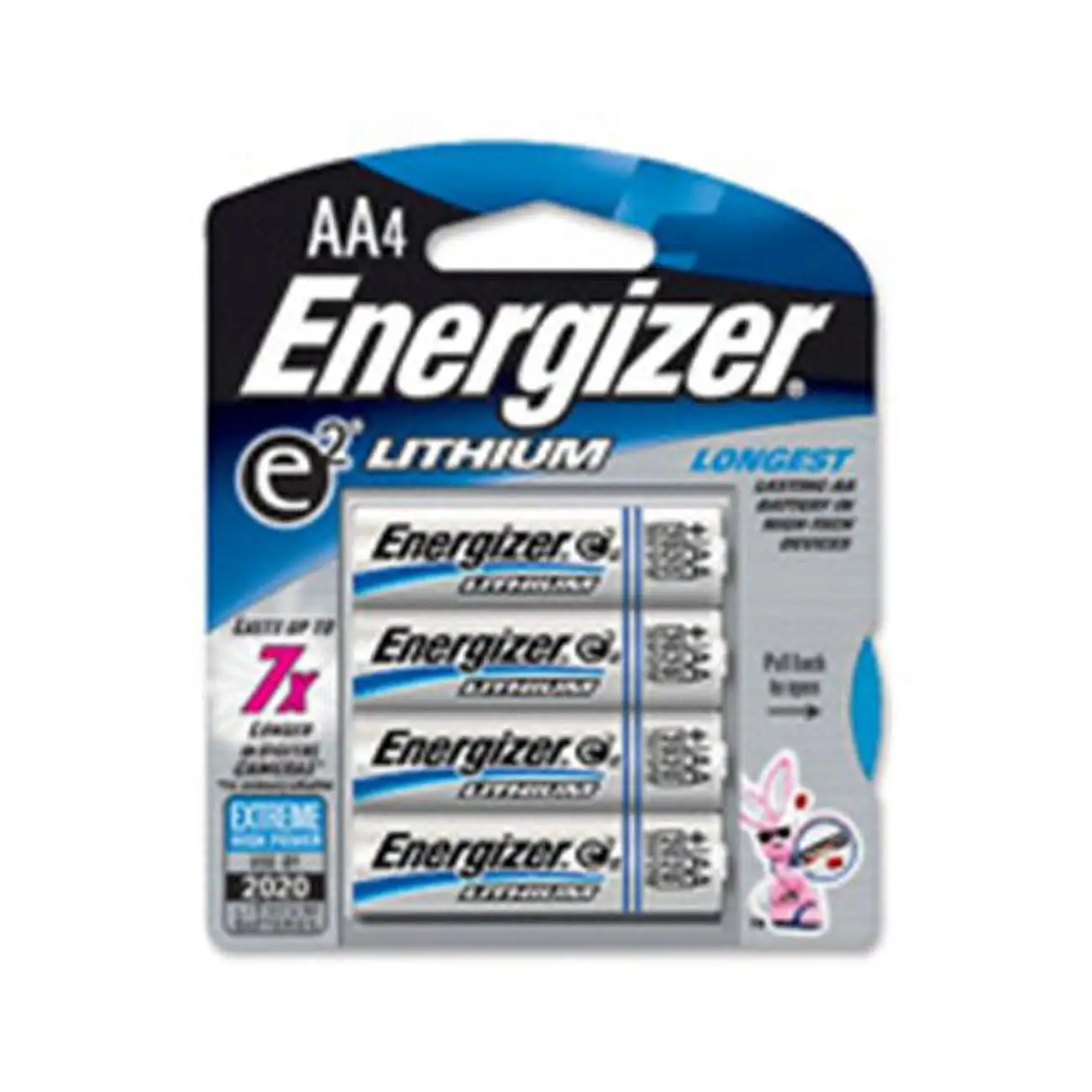
Among direct rivals, the most often mentioned is the Energizer Ultimate Lithium AAA, which a Sharvibe poster recommended for long-term or extreme conditions: “They last 5x longer but cost more.” Users choosing MAX generally do so for affordability and good-enough performance in daily-use electronics, whereas Ultimate Lithium caters to high-drain, mission-critical roles.
Store brands like Eveready Gold are cheaper, but multiple testers note shorter life. According to product copy, MAX lasts “up to 50% longer than Eveready Gold in home medical devices,” echoed by satisfied buyers upgrading from generic.
Price & Value
Prices vary widely by channel. On eBay, listings range from $14.24 to $14.99 per 20-pack, while Walmart offers $11.31 (possibly plus shipping). Best Buy’s clearance pricing at $14.99 undercuts its listed comparison value of $24.99.
Community tips focus on online buys over retail — Alicia*** leveraged Best Buy’s price-matching to shave costs, while others report Amazon’s multi-pack deals saving several dollars per unit compared to big-box stores.
For buyers using AAA cells in multiple devices, bulk purchasing online is the dominant money-saving strategy. However, those concerned about leakage sometimes prefer smaller pack sizes to limit potential waste if a batch fails early.
FAQ
Q: How long do Energizer MAX AAA batteries really last in storage?
A: While officially rated for up to 10 years, some buyers confirm multi-year performance, but others report premature failure within months. It’s safer to periodically test stored cells.
Q: Are they safe from leaks?
A: Many users report zero leaks over years of use, but verified reviews document leakage incidents. Device type, conditions, and batch quality appear to influence outcomes.
Q: Do they work well in high-drain electronics?
A: Yes. Multiple owners report stable voltage in gaming controllers, smart locks, and flashlights, making them dependable for such uses.
Q: Is Energizer MAX worth the price compared to store brands?
A: For users valuing reliability and long life, many feel the premium is justified. Price-matching or online deals can reduce the gap.
Q: Can these be recharged?
A: No. Despite occasional confusion over packaging symbols, these are single-use alkaline cells.
Final Verdict
Buy if you’re a household user, tech hobbyist, or emergency-prep planner who prioritizes long run times and brand-backed leak protection. Avoid if your devices are high-value and you can’t risk potential leakage — in that case, consider lithium alternatives. Pro tip from the community: check major retailers for online-only pricing or match deals in-store; a small search can save 20% or more.