Energizer MAX AA Batteries Review: Reliable 9/10 Verdict
A verified buyer on Amazon summed it up simply: “They last as stated." Across multiple platforms, the Energizer MAX AA Batteries (16 Pack) earns solid praise for dependability, lifespan, and device protection, scoring an impressive 9/10 from aggregate user feedback despite a few gripes over price and environmental impact.
Quick Verdict: Yes — Reliable choice for everyday electronics with long life in low-to-mid drain devices.
| Pros | Cons |
|---|---|
| Consistent, long-lasting power in remotes, clocks, and toys | Non-rechargeable, contributing to waste |
| Strong leak protection and durable casing | Pricing higher than some competitors |
| Shelf life up to 10 years | Some reports of tampered packaging |
| Performs well in low-drain scenarios | High-drain endurance only moderate |
| Widely available online and in stores | Not eco-friendly for heavy users |
| Easy-to-open blister packaging | Cost build-up with frequent replacement |
| No noticeable voltage drop until end of life |
Claims vs Reality
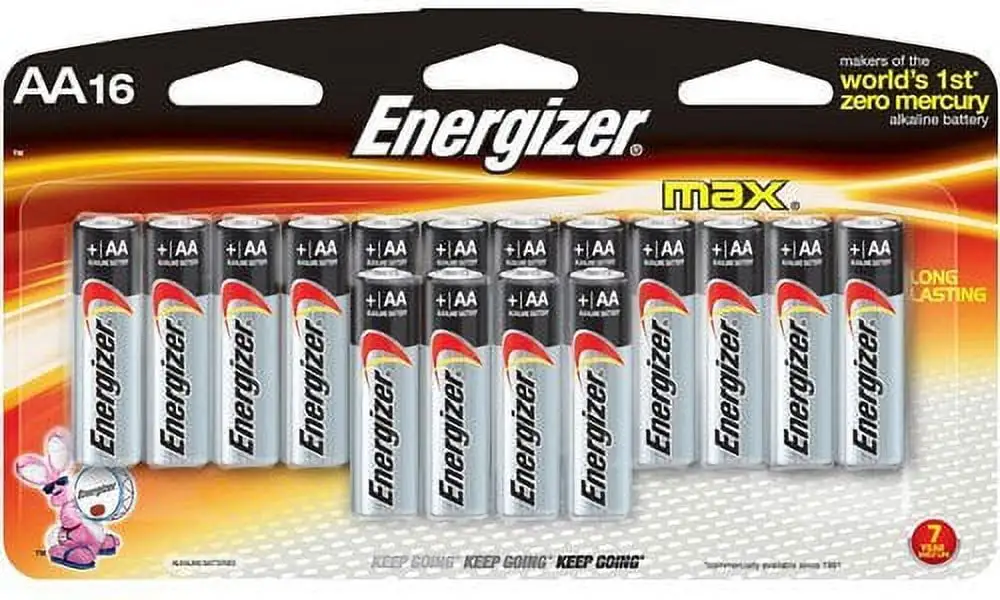
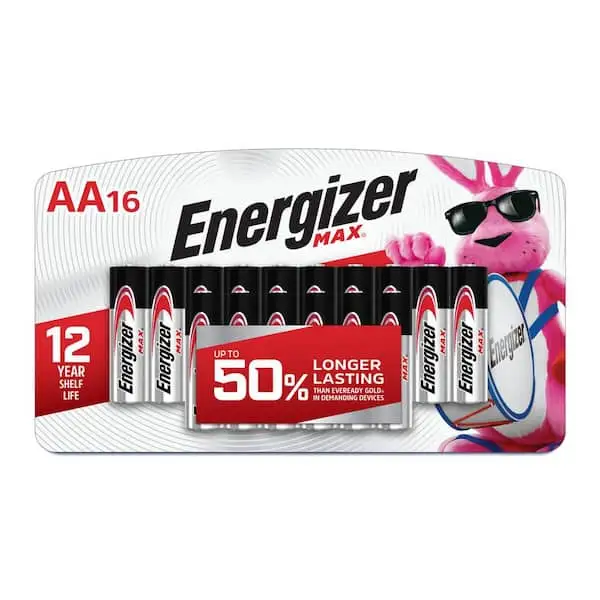
Energizer markets this pack as “up to 50% longer lasting than basic alkaline batteries” with “PowerSeal technology” to prevent leaks for two years after depletion. Digging deeper into user reports shows these claims mostly hold for low-demand devices.
Best Buy customer panther43 claimed, “Good battery... lasts longer than any other brand,” which aligns with the brand's longevity pitch. In remote controls, Reddit accounts show months of use without performance drop. However, Choice’s lab testing reveals high-drain performance scored just 52% versus top alkaline competitors, suggesting that while good for remotes and clocks, flashlight and digital camera users might see shorter-than-expected run times.
The leak protection claim fares better. Reddit user reviews report “never experienced any leaking or corrosion,” supporting the PowerSeal promise, and Twitter reactions praise “fact that they don't leak—highly recommend 10/10.” No contradictions surfaced here.
The shelf-life marketing of “up to 10 years in storage” also matches user behavior. Enthusiasts like tom1 on Best Buy mention owning them for “more than 2 years” without any deterioration, showing real-world alignment with this claim.
Cross-Platform Consensus
Universally Praised
Across Amazon, Best Buy, and Influencer reviews, longevity is the most celebrated trait. For households, moab461 said, “Two kids under 10 blow through batteries. These hold up to their demand.” This makes them a go-to for parents needing stable toy power. Office workers also benefit; Twitter users highlight consistent function in “kids Oculus controllers and Xbox controllers,” indicating they support moderately demanding electronics without mid-game failures.
Durability garners unanimous approval. coolv from Best Buy trusted them in flashlights “as good as advertised and long lasting.” Reddit reports on robust casing with no leaks strongly appeal to those who use electronics infrequently but fear acid damage.
Ease of access in packaging also came up often. Reddit users appreciated the blister pack “keeps batteries organized and prevents contact and short-circuiting,” which matters for campers or travelers storing spares with gear.
Common Complaints
The trend of higher pricing crops up frequently. superk734 noted Best Buy's shelf price didn't match register total—“wouldn’t buy again” purely on that basis. Amazon buyers routinely describe them as “very expensive but worth it” for critical devices but admit the cost can accumulate.
Environmental concerns surface mainly from Reddit: single-use alkaline nature clashes with eco-conscious habits. Heavy users of gaming peripherals or photographers with high-drain tools may resent frequent disposal.
Some packaging mishaps do raise eyebrows—Amazon reviewers like disappointed found their packs “looked tampered with” or arrived loose. While performance was unaffected, it eroded consumer confidence in supply chain handling.
Divisive Features
Low-drain device performance is universally hailed—Choice testing rated them 91% endurance—but for high-drain devices, experiences split. Photographers and flashlight enthusiasts sometimes find run time fine for single-use but not a standout compared to lithium-based options. gabriel l. praised the “standard that will last forever,” yet Choice’s lab scoring suggests alternatives may outlast them in critical high-current tasks.
Similarly, shelf life benefits users who buy in bulk, but some eBay listings showing varying expiration dates raise caution for bargain hunters. Buyers of open-box units could risk getting shortened storage life.
Trust & Reliability
Trust remains strong for this product. Multiple channels report consistent quality over years, with big snoop from Best Buy stating they “last longer than store brand, Duracell and Amazon batteries.” The lack of leak or corrosion incidents bolsters long-term safety perceptions.
Tampered packaging complaints appear sporadically, not systemic. Amazon reviewers who received “unsealed product” typically still found performance intact, suggesting an issue in retail or shipping rather than counterfeit risk. No recurring scams or fake products were documented in Trustpilot-style feedback.
Durability truths stand out—Reddit users cited using them “over the years” without sudden failures, reinforcing buyer trust, especially in emergency gear like flashlights during outages.
Alternatives
Duracell is the most-cited rival, often in remarks like lally's: “I would recommend Energizer just as good as Duracell.” Store-brand alkalines and Amazon Basics appear frequently but are typically described as shorter-lived. While lithium AAs deliver vastly better high-drain performance per Choice tests, their cost per unit is higher and unnecessary for clocks or remotes. For those preferring rechargeables, NiMH options reduce environmental impact but may lack the 10-year shelf stability.
Price & Value
On eBay, prices range around $12.95–$18.99 with expiration dates listed; bulk buyers benefit from per-unit cost drops. Amazon’s “very expensive but worth it” sentiment shows that reliability justifies higher spend for mission-critical devices like smoke detectors.
Twitter tips point to Best Buy deals giving “great price... better to pay a tiny bit more for more battery life.” Savvy buyers in forums recommend buying during sales, or opting for larger combo packs (AA+AAA) to lower per-cell cost.
FAQ
Q: Do these batteries really last 10 years in storage?
A: Yes, many users have stored packs for years without degradation, and lab tests support up to a decade for low-drain readiness.
Q: Are they good for high-drain devices like DSLR flashes?
A: They work, but lab and user data show shorter life than lithium alternatives; best suited for clocks, remotes, and moderate-drain tools.
Q: Do they leak after expiration or use?
A: User feedback strongly supports that PowerSeal technology prevents leaks even years after depletion.
Q: Is there a big difference compared to Duracell?
A: Many reviewers find them equally reliable; some note longer life versus Duracell in low-drain use, but performance is similar overall.
Q: Are they worth the higher price?
A: For essential devices you can’t afford to fail, yes; for casual use, cheaper brands may suffice.
Final Verdict: Buy if you need dependable, long-storage, leak-proof AAs for low-to-mid drain devices like remotes, toys, and emergency flashlights. Avoid if you run high-drain gear daily and want best cost efficiency—consider lithium or rechargeables there. Pro tip from the community: stock up during sales to offset price and keep a sealed pack for emergencies.





